Since 1998
Solar Pump

Inquiry
Form loading...
Solar Pump
In today’s fast-changing world of water management and farming efficiency, it’s pretty clear how crucial it is to leverage the latest tech out there. Deep Well Submersible Pumps have really become a game-changer when it comes to extracting and distributing water effectively. Did you know that the worldwide market for these pumps is expected to hit about $23 billion by 2026? That’s what industry insiders are saying, at least. Companies like Zhejiang Rambo Intelligent Technology Co., Ltd. are leading the charge, bringing innovative designs and top-notch quality products that deliver both efficiency and dependability. As the industry keeps evolving and demands grow, it’s essential for businesses to adopt proven strategies to get the most out of these pumps — boosting productivity and sustainability at the same time. In this blog, I’ll share seven practical tips for 2023 to help you make the most of these powerful tools and improve how things run overall.
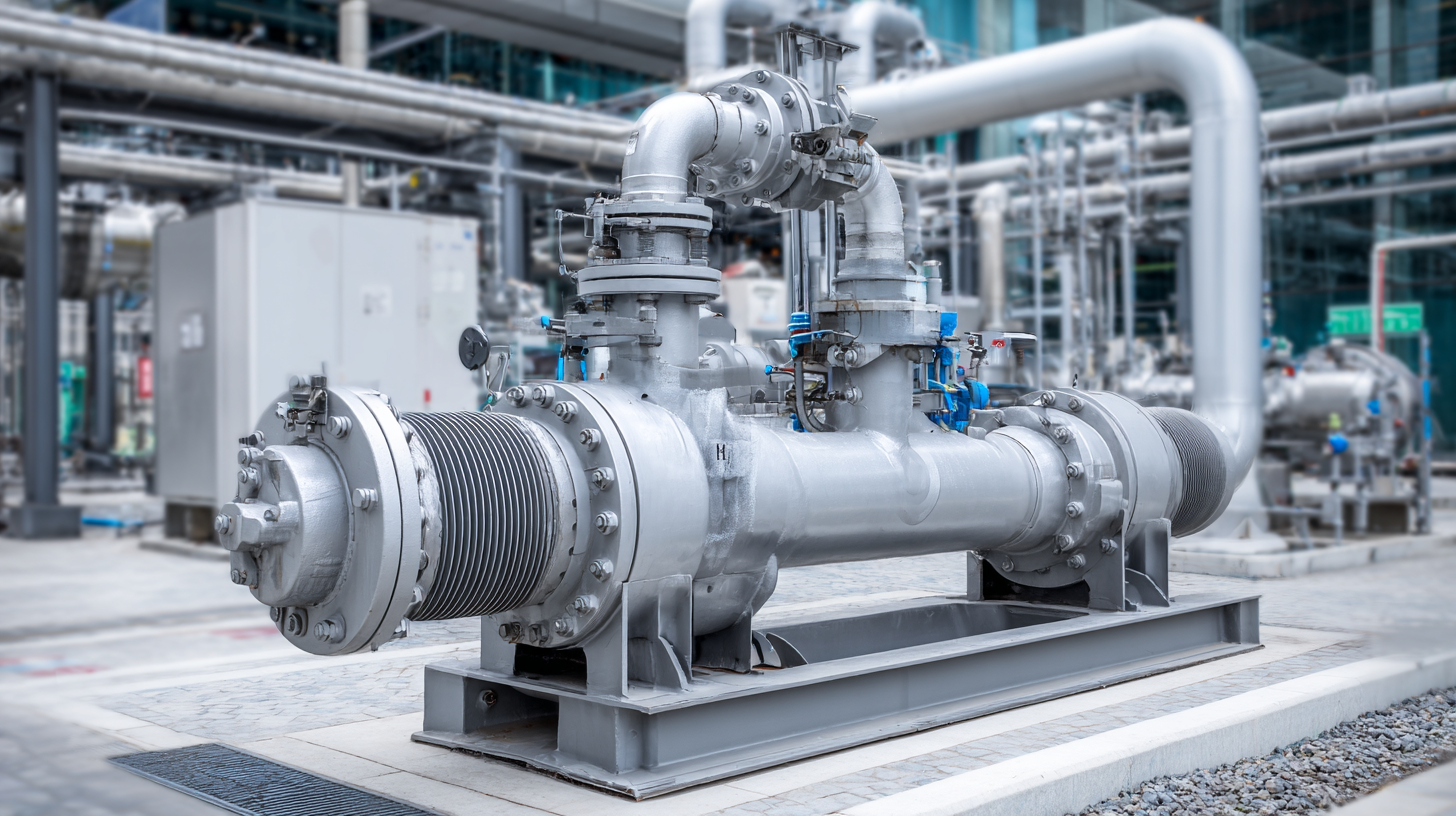
Getting your deep well submersible pumps installed the right way is super important if you want them to perform well and last a good long time. I mean, according to the folks over at the American Society of Agricultural and Biological Engineers (ASABE), if you don’t set it up properly, you could be looking at up to a 30% drop in efficiency — not exactly ideal, right? So, it’s really crucial to follow some best practices during installation. First up, take the time to carefully check out the site — think about things like how deep the water table is, what the geological conditions are, and what specs your pump needs to meet. Making sure you pick the right size pump and that it’s tailored to your well's hydraulic needs is key — nobody wants operational hiccups down the road.
Also, don’t forget about installing a solid casing and sealing everything up properly. The National Ground Water Association (NGWA) points out that if you skimp on casing quality, it can lead to water contamination and also cause more wear and tear on your pump. Doing regular maintenance and following the manufacturer’s instructions during setup really pays off — studies show it can boost your pump’s lifespan by 15-20%. That kind of savings adds up over time and helps keep your water flowing smoothly without headaches.
Harnessing Solar Energy: The Benefits of DC Conventional Surface Solar Water Pumps for Sustainable Water Solutions
As the world shifts towards more sustainable practices, solar energy has emerged as a vital resource in addressing water scarcity and ensuring access to clean water. Among the innovative applications of solar technology, DC conventional surface solar water pumps stand out for their ability to efficiently harness sunlight to power water pumping systems. These pumps not only minimize electricity costs but also reduce dependency on fossil fuels, aligning with global sustainable development goals.
One significant advantage of using solar-powered water pumps is their role in promoting water conservation. By utilizing renewable energy, these pumps provide a reliable water source for agricultural and domestic needs without compromising the environment. With the capacity to operate independently of the electrical grid, DC conventional surface solar water pumps are ideal solutions for remote and rural areas, where access to conventional power sources is limited. This not only helps in conserving water resources but also fosters economic development by empowering local communities to manage their water supply sustainably.
Incorporating solar energy into water management not only contributes to cleaner energy usage but also enhances the resilience of communities in the face of climate change. As more regions face the challenges of water scarcity, investing in solar water pumping technologies becomes crucial. With these systems, we can ensure a sustainable future that balances the ecological needs of our planet with human necessities.
: A variable frequency drive (VFD) is a technology that allows for precise control of motor speed and energy usage in pumps. By aligning pump operation with varying water demand, VFDs significantly reduce unnecessary energy expenditure, which enhances efficiency and lowers operational costs.
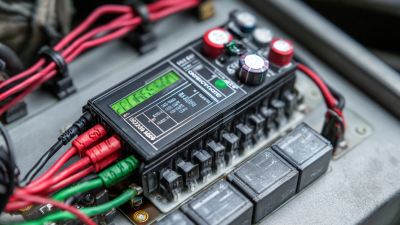
Advanced control systems utilize sophisticated monitoring tools and automated controls to optimize pump operations. They provide real-time data analytics, allowing operators to monitor key performance indicators and make immediate adjustments, thereby eliminating inefficiencies and reducing downtime.
Water quality directly affects the efficiency of submersible pumps. Contaminants such as sand, silt, or minerals can lead to increased wear on pump components, which can degrade performance and shorten the pump's lifespan.
Regularly testing the water quality for sediment and impurities is essential. Additionally, using pre-filters or sediment traps can minimize the impact of contaminants on the pump system.
To mitigate corrosion, it's important to analyze the chemical composition of the water being pumped. Investing in corrosion-resistant materials during installation can enhance the durability and performance of the pump.
Predictive maintenance, facilitated by advanced control systems, helps in anticipating when maintenance is needed based on operational data analysis. This prevents unexpected failures, reduces repair costs, and ensures the longevity of the pump.
By choosing high-efficient submersible pumps designed with advanced technologies, businesses can expect enhanced performance, reduced energy consumption, and lower operational costs, leading to maximized efficiency in their operations.
Poor water quality can lead to increased wear and tear on pump components, reducing efficiency and lifespan, and may also result in higher maintenance and repair costs.
Regular water quality testing is recommended to assess levels of sediment and other impurities, ensuring optimal pump performance and longevity.
Implementing technologies such as VFDs and advanced control systems, along with regular water quality assessments, are effective strategies for maximizing pump efficiency and reducing operational costs.
Hey there! If you're working with Deep Well Submersible Pumps in 2023, then you already know how important it is to squeeze out the best performance and make sure they last. Honestly, paying attention to a few key things can make a big difference. For starters, getting the installation right sets the foundation — a proper setup really boosts efficiency right from the start. And don’t forget about energy use; tuning that up can save you quite a bit and help the pump run smoother. Routine maintenance? Totally essential—think of it like taking care of your car. It keeps everything running longer and prevents surprise breakdowns.
Plus, newer control systems are worth considering—they can really give your pump performance a boost. And understanding water quality is more important than you might think because it directly affects how well your pump performs. Here at Zhejiang Rambo Intelligent Technology Co., Ltd., we’re all about providing top-notch Deep Well Submersible Pumps that include these smart strategies. Our goal? Helping our clients get more done, cut down costs, and keep things running seamlessly with our innovative designs and high-tech manufacturing. We’ve got your back!



 Mr Youkee Kong