Since 1998
Solar Pump

Inquiry
Form loading...
Solar Pump
In today’s world, where sustainable farming practices are more important than ever, using Ac/Dc Hybrid Solar Pumps is really a game-changer. They’re a smart way to boost efficiency and manage resources better. I mean, with farmers facing real issues like water shortages and rising energy costs, these innovative pumps come with a pretty compelling advantage — they run on renewable energy and still provide a steady water supply for crops. Here at Zhejiang Rambo Intelligent Technology Co., Ltd., we’re proud of offering top-notch products at prices that won’t break the bank. Thanks to our modern factories and high-tech manufacturing processes, we create advanced hybrid solar pumps that meet strict quality standards — all while helping farmers adopt more sustainable practices. We’re all about quality, integrity, and keeping our customers happy, because we really believe that the future of farming depends on embracing smarter, greener solutions.
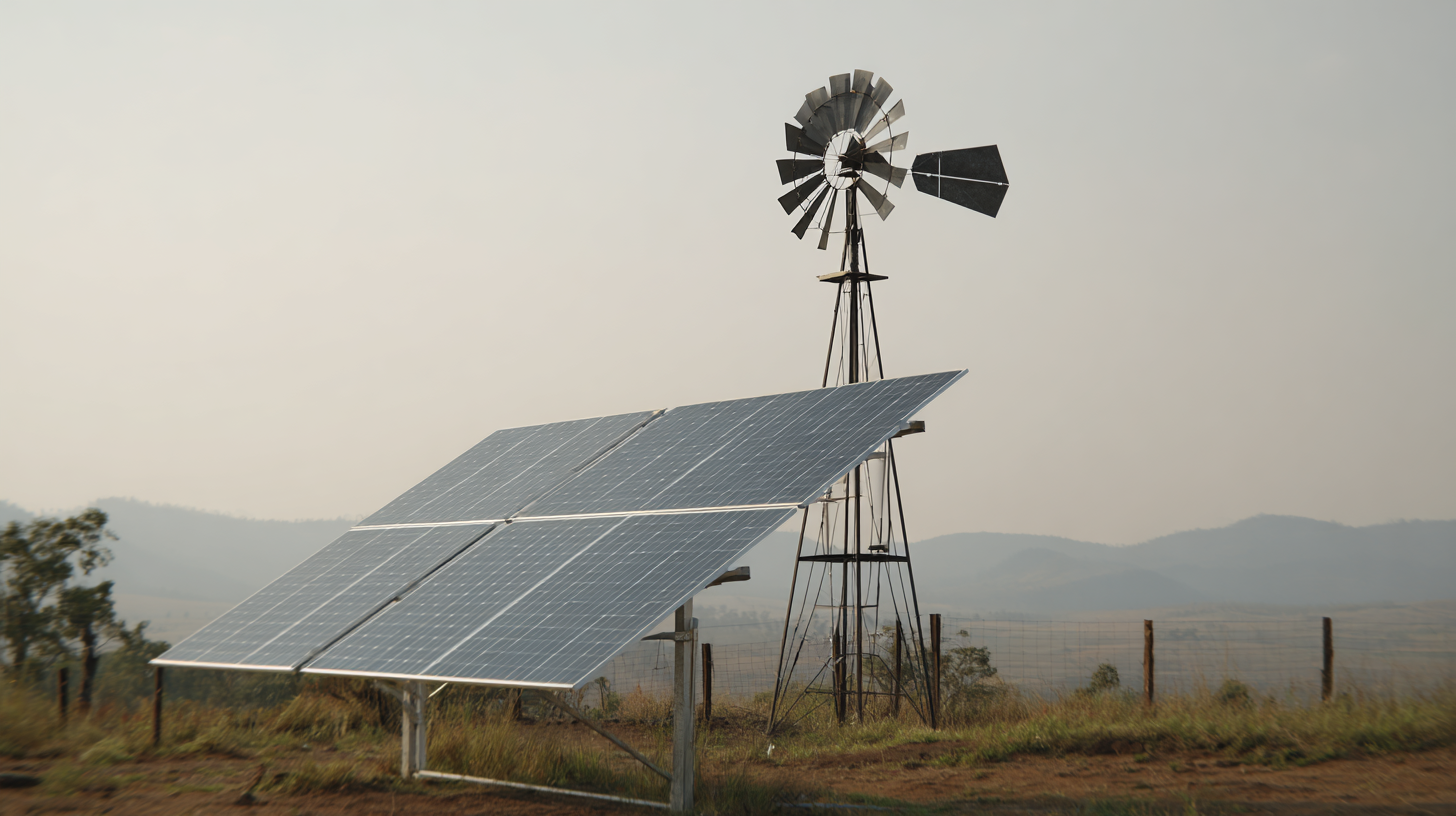
The rise of hybrid solar pumps is really a game-changer for sustainable farming.
It's exciting because these systems tackle two big issues at once—water shortages and
energy use. What’s cool is that they mix both AC and DC power sources, so farmers can
pretty much use them in different kinds of farms without much hassle. Using solar power means farmers can cut down
on fossil fuels, which not only saves money but also helps the environment by shrinking their carbon footprint.
Honestly, it's a big step toward more eco-friendly farming while also boosting
crop yields. And there’s more—these hybrid pumps are pretty resilient too. They can handle energy price swings and even power
outages. Farmers can set up smart irrigation schedules that make sure crops
get enough water, even when demand is high. It’s a win-win: more efficient water use and a move to renewable
energy—both crucial for sustainable agriculture. As more farms jump on this tech bandwagon, we’re looking at a
future where farming isn't just more productive, but also kinder to the planet. Pretty promising, right?
The shift towards renewable energy has accelerated the adoption of solar-powered technologies, and one of the promising applications is the 3 Inch DC Plastic Impeller Deep Well Solar Water Pumps. These pumps utilize photovoltaic panels to convert solar energy into electrical power, which then drives the pump to efficiently extract groundwater. The integration of solar energy in water pumping not only reduces operational costs but also supports sustainable agriculture and rural water supply systems.
According to a report by the International Renewable Energy Agency (IRENA), solar water pumping systems can save up to 80% in energy costs compared to conventional diesel pumps, making them an economical and environmentally friendly alternative. The 3 Inch DC models are particularly suited for small to medium-scale applications, providing an optimal solution for farmers looking to irrigate their crops during dry seasons without incurring heavy utility bills. Moreover, the durability of plastic impellers in these pumps ensures longevity and resistance to corrosive conditions that might be encountered in deep well applications.
In regions where access to electricity is limited, these solar water pumps serve as a lifeline. Data from the World Bank highlights that around 1.1 billion people lack access to electricity, particularly in rural areas. The deployment of solar-powered deep well pumps can alleviate water scarcity and improve livelihoods by enabling agriculture and providing clean drinking water. As the technology matures and costs continue to decline, the potential for these pumps to transform water access in underserved communities becomes increasingly significant.
: Hybrid solar pumps combine AC and DC power sources to enhance water efficiency and energy management in agriculture, helping to reduce reliance on fossil fuels and lower operational costs.
These pumps optimize irrigation schedules using smart technology, ensuring crops receive adequate water during critical periods, thus improving water management efficiency.
By harnessing solar energy, farmers can decrease their carbon footprint and operational costs, making farming practices more sustainable.
The flexibility of using both alternating and direct current allows for improved energy usage, reducing operational costs and making farms economically sustainable.
This technology allows for the efficient harnessing of sunlight day and night, ensuring a consistent water supply and reducing energy costs associated with traditional power sources.
Farmers can enhance productivity while contributing to environmental sustainability, allowing the agricultural sector to become more eco-friendly.
They provide resilience against price changes and potential power shortages, allowing farmers to maintain reliable operations during economic fluctuations.
The company offers advanced hybrid solar pump systems designed for durability and efficiency, focusing on quality, competitive pricing, and customer satisfaction in the agricultural sector.
The increasing adoption of this technology is expected to lead to a more environmentally friendly and economically viable agricultural sector, paving the way for sustainable farming practices.
The use of renewable energy, such as solar power, is essential for reducing environmental impact and promoting long-term sustainability in agriculture.
The article titled "Maximizing Efficiency: The Future of AC/DC Hybrid Solar Pumps in Sustainable Agriculture" dives into how this innovative pump technology is really changing the game in farming. It points out that more and more farmers are turning to these hybrid systems — which cleverly mix AC and DC power — because they offer a reliable, eco-friendly way to water crops. The big advantages? Lower energy bills and healthier, more productive harvests. No wonder these systems are becoming a popular choice for modern farming setups!
Of course, it’s not all smooth sailing. Farmers do run into some hurdles, like the upfront cost and the need to understand how these new systems work. But the article shares some real success stories, showing how AC/DC hybrid solar pumps are making a difference across different farms. Looking ahead, the future’s pretty exciting — tech’s getting better, and these advancements will likely push sustainability even further. Companies like Zhejiang Rambo Intelligent Technology are really focused on quality and ethical practices, aiming to develop smart farming solutions that farmers can trust and rely on. It’s a promising path forward, for sure.




 Mr Youkee Kong

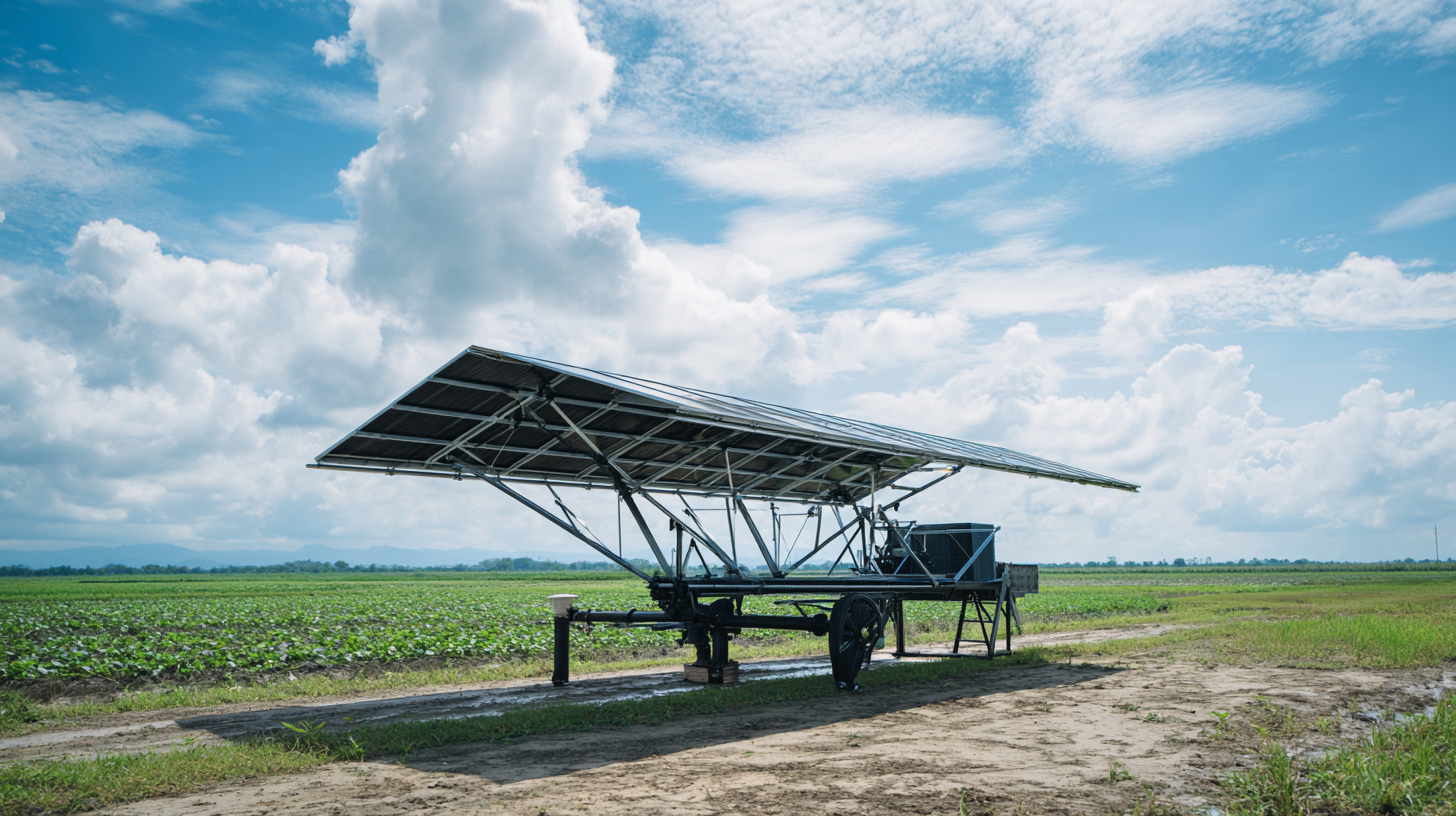 Switching to AC/DC hybrid solar pumps in farming? That’s actually pretty exciting when it comes to making agriculture more efficient and eco-friendly. But, let’s be honest, it’s not all smooth sailing. A lot of farmers run into some pretty stiff upfront costs just to get these systems up and running. Plus, if you don’t have the right technical know-how, keeping everything maintained and working properly can become a real headache. And don’t forget, weather stuff can throw a wrench in things — if the sun’s hiding behind clouds, those solar panels don’t produce as much power, which can mess with your operation.