Inquiry
Form loading...
0%

In today’s tough competitive world, making operations as efficient as possible across different industries really depends on how well they leverage advanced tech — and water management isn’t any different. The global market for Submersible Water Pumps is expected to hit around USD 22.8 billion by 2026, thanks to rising demand in agriculture, mining, and municipal water systems (Mordor Intelligence, 2021).
Solutions for Maximizing Efficiency with Best Water Pump Submersible

Here at Zhejiang Rambo Intelligent Technology Co., Ltd., we’re proud of offering top-quality products and innovative designs that answer this growing need. Our cutting-edge production facilities and focus on customer satisfaction help us deliver solutions that are not just affordable but often surpass global standards.

Sure, we’re up against big international brands, but we’re committed to maintaining high industry standards — emphasizing quality and ethics. Our goal? To make sure our water pumps do their job in boosting efficiency, while also playing a part in promoting sustainable water use across different sectors.

Choosing the Right Submersible Water Pump for Your Needs

When you're trying to pick out the right submersible water pump for what you need, it’s pretty important to really think about the specific requirements of your setup. Things like how deep your water source is, how much flow you need to get things moving efficiently, and what kind of fluid you’re pumping—these are all key factors. For example, if you’re working with clear water for irrigation, a basic submersible pump usually does the trick. But if you're dealing with muddy, sandy water, you’ll want something built to handle solids without getting clogged up.

Also, don’t forget to check out the pump’s power and efficiency ratings. Choosing an energy-efficient model isn’t just good for your wallet because it cuts down on electricity bills, but it also helps the pump just perform better overall. If possible, look for models with Variable Frequency Drives (VFD). These let you tweak the motor speed according to your needs, which can really help you save power. Bottom line: picking the right pump is all about analyzing your specific needs. Taking the time for this will pay off with a setup that’s reliable and performs like a champ in the long run.

Efficiency Comparison of Different Submersible Water Pumps

This chart illustrates the efficiency ratings of various submersible water pumps based on their flow rates and power consumption.

Key Features to Consider for Maximum Efficiency in Submersible Pumps

When you're picking a submersible pump, it’s really important to get a grasp on the key features that affect how well it works. One of the main things to consider is the motor power. Having a motor with the right horsepower means it can handle your needs without pushing itself too hard – which not only saves energy but also helps the pump last longer. You should also pay attention to the materials the pump's made from; using corrosion-resistant stuff is a game-changer in tough environments because it keeps the pump working smoothly and cuts down on maintenance costs.

Another big deal is the pump’s design, especially the kind of impeller it has. A good design here can make water flow better and use less energy. When you’re shopping, try to find pumps with multi-channel or vortex impellers—they’re better at dealing with solid debris and keep doing their thing efficiently even under tough conditions.

**A little tip:** Regular upkeep, like checking for blockages and making sure the motor stays well-lubricated, can really boost performance. Also, where you install the pump matters—too shallow or too deep can cause problems like cavitation or not enough pressure. So, keep these features in mind to pick a pump that will give you the best efficiency and last longer.

Solutions for Maximizing Efficiency with Best Water Pump Submersible

Maintenance Tips to Extend the Lifespan of Your Water Pump

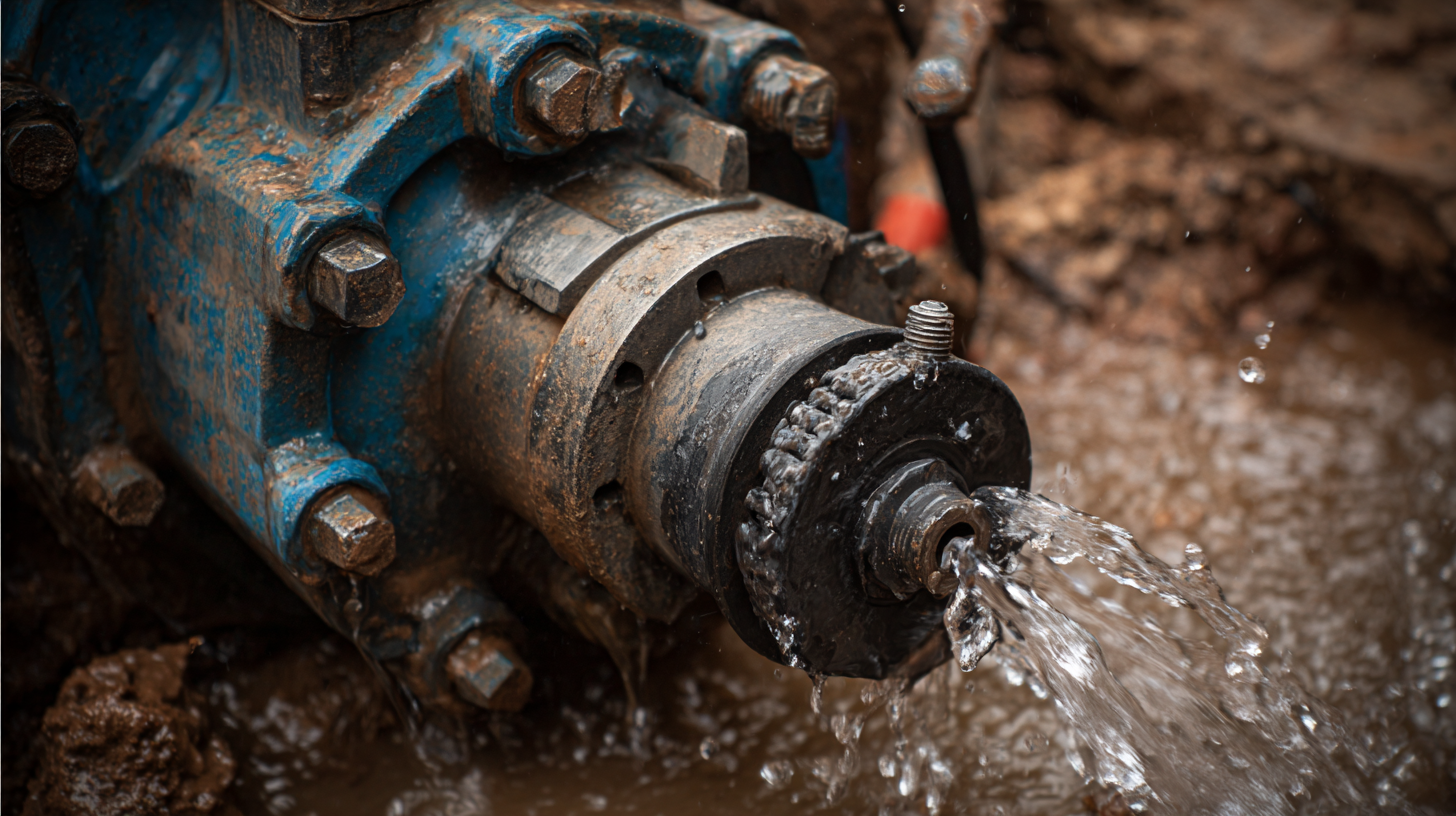
If you want your submersible water pump to run smoothly and last longer, regular maintenance is definitely the way to go. One of the most important things you can do is keep it clean and free of debris. It’s a good idea to check on it now and then—look around the intake and discharge areas for dirt or clogs. Clearing out any blockages not only helps it work more efficiently but also keeps it from overheating or getting damaged.

Solutions for Maximizing Efficiency with Best Water Pump Submersible

Another thing to keep an eye on is the electrical parts. Loose or corroded wires can cause your pump to fail or, worse, create a shock risk. So, make sure all connections are tight and check the power supply to catch any signs of wear. Lubricating the moving parts as the manufacturer suggests can also go a long way in preventing wear and keeping things running smoothly.

And don’t forget to think about where your pump is working. If it's submerged in a harsh environment with lots of sediment or corrosive elements, you might need to do more frequent maintenance. Using a good cover or filters can really help extend its life and keep everything running efficiently, so you can enjoy a steady water supply for years to come.

Optimizing Energy Use: How to Save Costs with Efficient Pumps

In today’s super fast-paced world of industry, keeping an eye on energy use isn’t just smart—it’s essential if you want to keep costs in check. This is especially true for sectors that rely heavily on water pumps. Did you know the global cooling market is projected to hit around $16.84 billion in 2024? That really shows how much people are looking for solutions that not only boost performance but also cut down on energy consumption. Submersible pumps are right there at the forefront of this movement. They’re pretty efficient and can save a ton on electricity bills. And if companies incorporate things like variable frequency drives (VFDs), they can tweak pump speeds to use energy more wisely, which means less waste and a smaller carbon footprint.

Plus, as more industries push for energy-efficient tech, it’s clear that advanced pump systems are becoming the way to go. It’s estimated that electric motors make up about 45% of the total energy used in buildings and industrial setups. So, investing in high-efficiency submersible pumps with VFDs isn’t just about saving costs today; it’s also about getting ready to meet future energy regs and sustainability goals. As this market keeps growing, adopting these smarter solutions will be key for organizations serious about streamlining operations and being kind to the environment at the same time.

Common Mistakes to Avoid When Using Submersible Water Pumps

When folks use submersible water pumps, it’s pretty common to run into some pitfalls that can mess up performance and bump up costs. One of the big rookie mistakes? Not keeping up with regular maintenance. According to a report from Pump Industry Analysts, about 40% of pump failures are linked to skipping proper upkeep. Taking the time for regular inspections and servicing really pays off — it can stretch the lifespan of your pump and keep everything running smoothly at peak efficiency.

Another thing people often overlook is making sure the pump’s specs match their needs — like the maximum depth it can handle or the flow rate. Using a pump that's not suited for the job can cause serious performance issues or even lead to a breakdown way earlier than expected. Industry vets recommend sticking to those specs because it helps save energy and cut down on costs. In fact, many organizations end up saving around 20% on energy bills just by picking the right pump for their specific setup.

At Zhejiang Rambo Intelligent Technology Co., Ltd., we take pride in making top-quality submersible water pumps that are built with smart design and innovation. Our goal is to help customers dodge these common mistakes. Thanks to our advanced manufacturing facilities and a real commitment to customer satisfaction, we make sure our pumps don’t just meet the usual standards — they go way beyond them. That way, our users get the best possible performance without breaking the bank.

Harnessing Renewable Energy: The Efficiency of 3 Inch DC Deep Well Screw Solar Water Pumps in Sustainable Water Supply Solutions

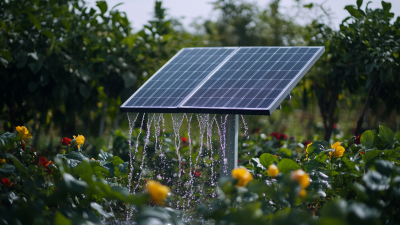
Harnessing renewable energy is becoming increasingly critical in our quest for sustainable solutions. The 3 Inch DC Deep Well Screw Solar Water Pump stands out as an efficient choice for various applications, driven by the power of the sun. These pumps are designed specifically to utilize sunlight, which not only makes them eco-friendly but also reduces operational costs while ensuring reliable water supply.

The efficiency of solar-powered water pumps lies in their ability to harness solar energy directly, converting it into power to pump water from deep wells. This is particularly advantageous in remote areas where conventional power sources may be limited or unavailable. By employing a deep well screw design, these pumps ensure that water is delivered consistently and efficiently, even in challenging conditions. This technology provides an effective solution for agricultural irrigation, drinking water supply, and other vital needs, all while adhering to sustainable practices.

Moreover, the adoption of 3 Inch DC Deep Well Screw Solar Water Pumps aligns perfectly with environmental goals. By reducing reliance on fossil fuels and minimizing greenhouse gas emissions, these pumps contribute to a greener planet. As we continue to explore innovative advancements in renewable energy, such water supply solutions exemplify the embodiment of sustainability, demonstrating that environmental care can go hand in hand with technological progress and efficiency.

FAQS

: What factors should I consider when selecting a submersible pump for maximum efficiency?

: Key factors include the pump's motor power, materials used in construction, and the design of the impeller. A motor with appropriate horsepower saves energy and extends the pump's lifespan. Corrosion-resistant materials enhance durability, while a well-designed impeller can improve water flow and energy efficiency.

How can regular maintenance improve the efficiency of a submersible pump?

Regular maintenance, such as checking for clogs, cleaning the pump, ensuring lubrication of motor parts, and inspecting electrical connections, can prevent overheating, enhance performance, and extend the pump's lifespan.

What types of impellers are recommended for efficient submersible pumps?

Multi-channel or vortex impellers are recommended as they can handle solid debris better and maintain high efficiency under challenging conditions, improving overall water flow.

How does the installation depth of a pump affect its efficiency?

Installing the pump at the correct depth is crucial; being too shallow or too deep can cause cavitation or insufficient pressure, both of which reduce efficiency.

What are variable frequency drives (VFDs) and how do they help in optimizing energy use?

VFDs allow for adjustable pump speeds, which helps optimize energy consumption by minimizing waste, leading to lower electricity costs and reduced carbon footprint.

How can the environment where a pump operates impact its maintenance needs?

If a pump operates in a corrosive or sediment-heavy environment, it may require more frequent maintenance to protect its longevity and maintain efficiency. Proper housing and the use of filters can help reduce wear.

What is the projected market trend for energy-efficient submersible pumps?

The global demand for energy-efficient solutions is expected to rise, particularly in industries that rely heavily on water pumps, highlighting the importance of investing in high-efficiency submersible pumps to meet future energy regulations and sustainability goals.

Isabelle

Isabelle

Isabelle is a dedicated marketing professional at Zhejiang Lanbo Intelligent Technology Co., Ltd., where her expertise in the field shines through her work. With a deep understanding of the company's innovative products, she plays a pivotal role in conveying the brand's message and values to a......
Previous Global Insights on the Future of Dc Pump Solar Technologies in 2025