Since 1998
Solar Pump

Inquiry
Form loading...
Solar Pump
Looking ahead to 2024, making the most of solar energy is more important than ever. With energy needs skyrocketing and the push for sustainable solutions gaining momentum, it's clear that we need smarter ways to optimize our systems. That’s where advanced solar controllers come into play—they’re really becoming game-changers for photovoltaic setups. These devices help boost energy output and cut down operating costs, which is a win-win. A recent report from the International Renewable Energy Agency (IRENA) even says that using innovative solar control tech can bump up efficiency by up to 30%. At Zhejiang Rambo Intelligent Technology Co., Ltd., we’re proud to be part of this exciting journey. We’re all about offering top-quality solar controllers that are not only affordable but also built with the latest tech and smart designs. For us, it’s not just about making great products; it’s about our core values—delivering high quality and putting our customers first. Our goal is to compete globally while helping pave the way for cleaner energy solutions."
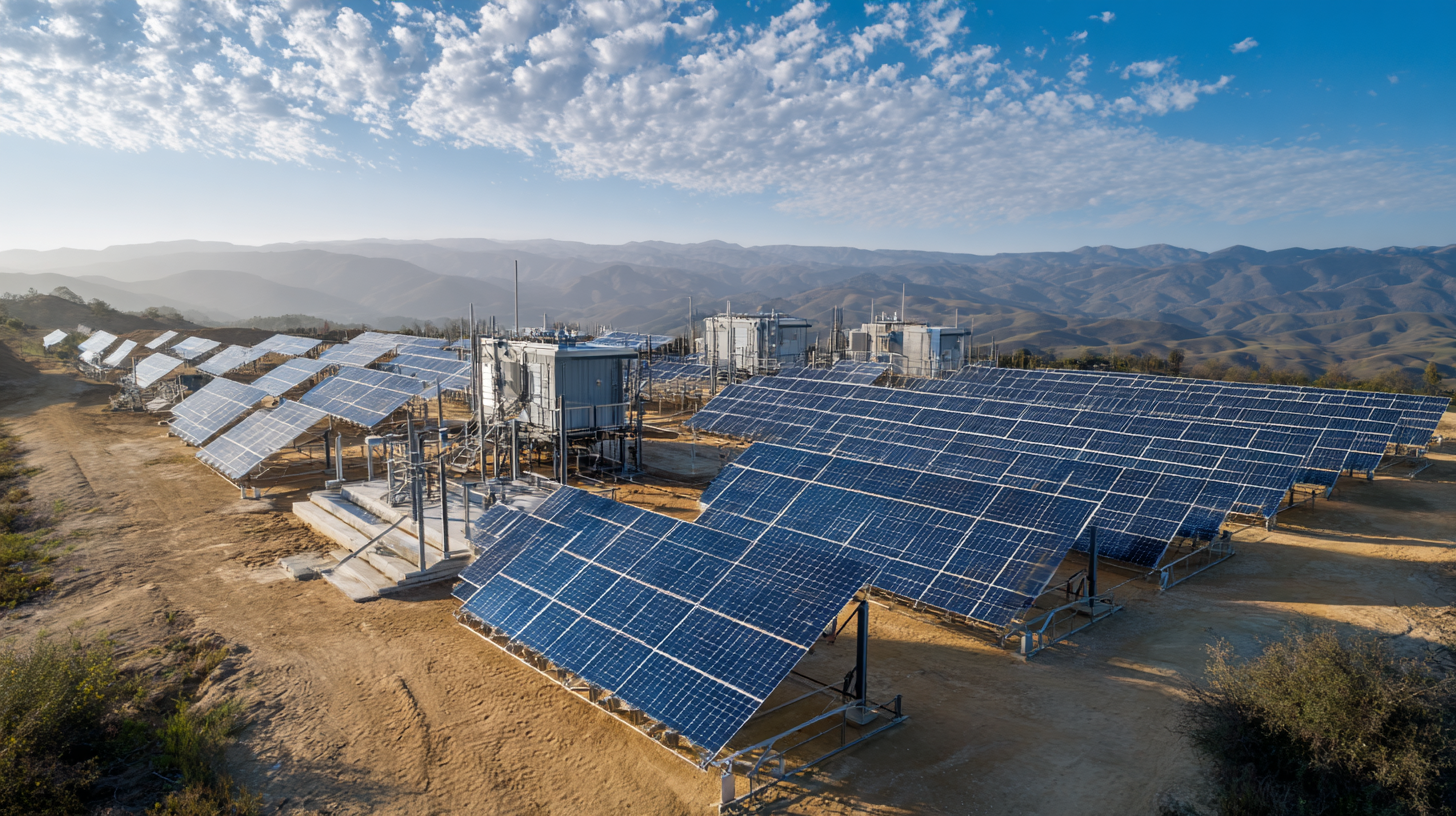
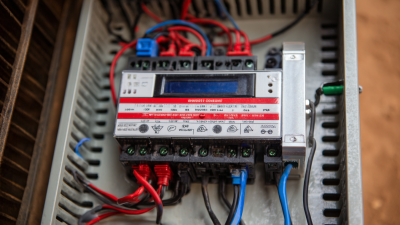
As we move more and more towards a digitally connected and greener future, the importance of advanced solar controllers really can’t be overstated. Think of these controllers as the brains behind solar power systems—they’re the ones making sure sunlight gets turned into electricity as efficiently as possible. With smart algorithms and real-time data analysis, they can actually adjust on the fly to different sunlight conditions, helping us get the most out of every sunny day. That means less dependence on fossil fuels and a smaller carbon footprint overall.
By 2030, experts expect the demand for power to skyrocket, which spells a big opportunity for cleaner energy options. Not only do these smart controllers boost how well solar panels work, but they also make it easier to integrate them into smarter energy grids—leading to better management and storage of energy. As more businesses and homes start using this tech, we’re all contributing to the bigger goal of hitting carbon neutrality. Honestly, embracing these innovations isn’t just about keeping up with energy demands; it’s about taking a real step forward in creating a sustainable, environmentally friendly energy future that makes sense for everyone.
Maximizing Efficiency and Sustainability: The Benefits of DC Conventional Surface Solar Water Pumps
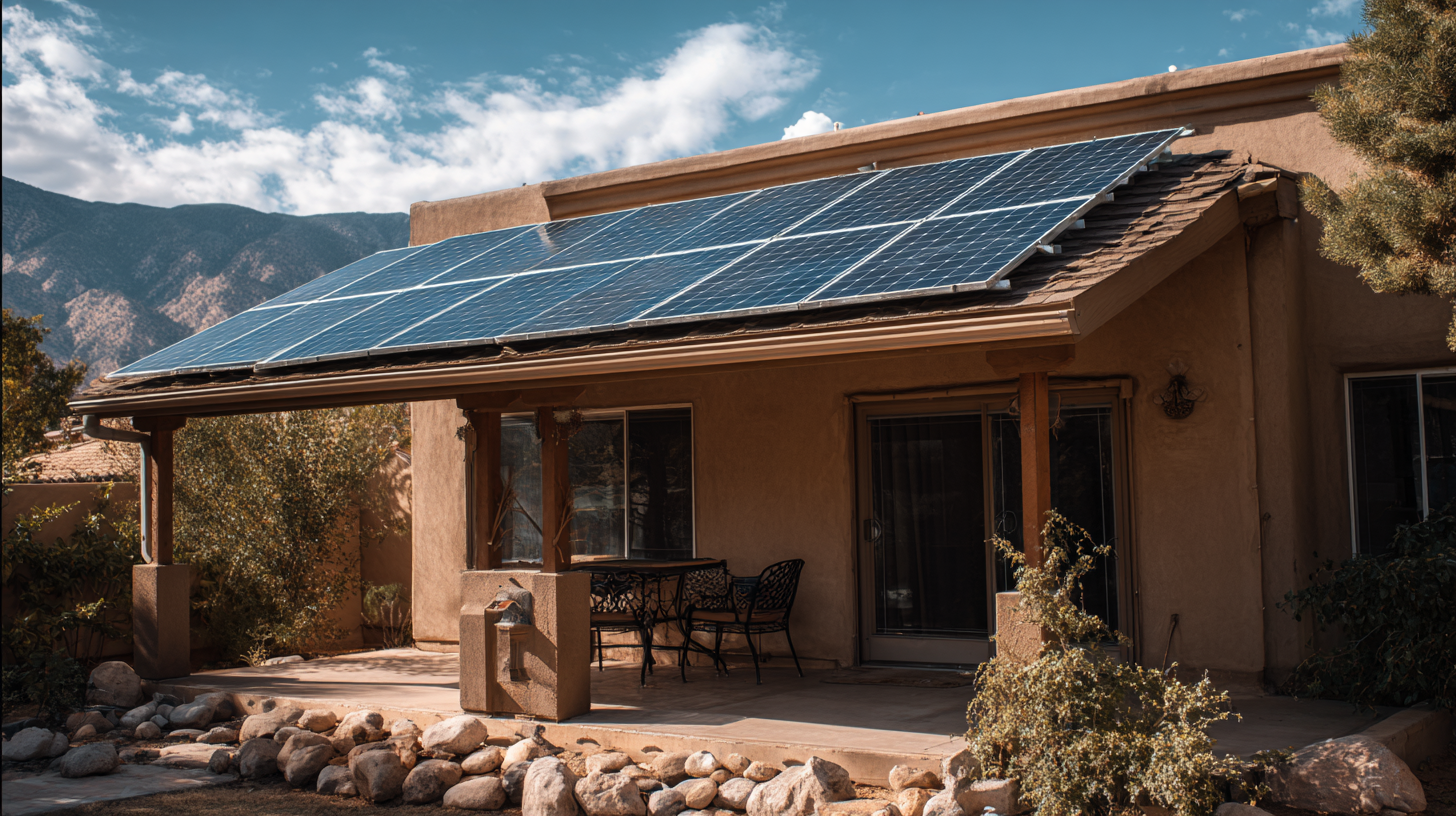
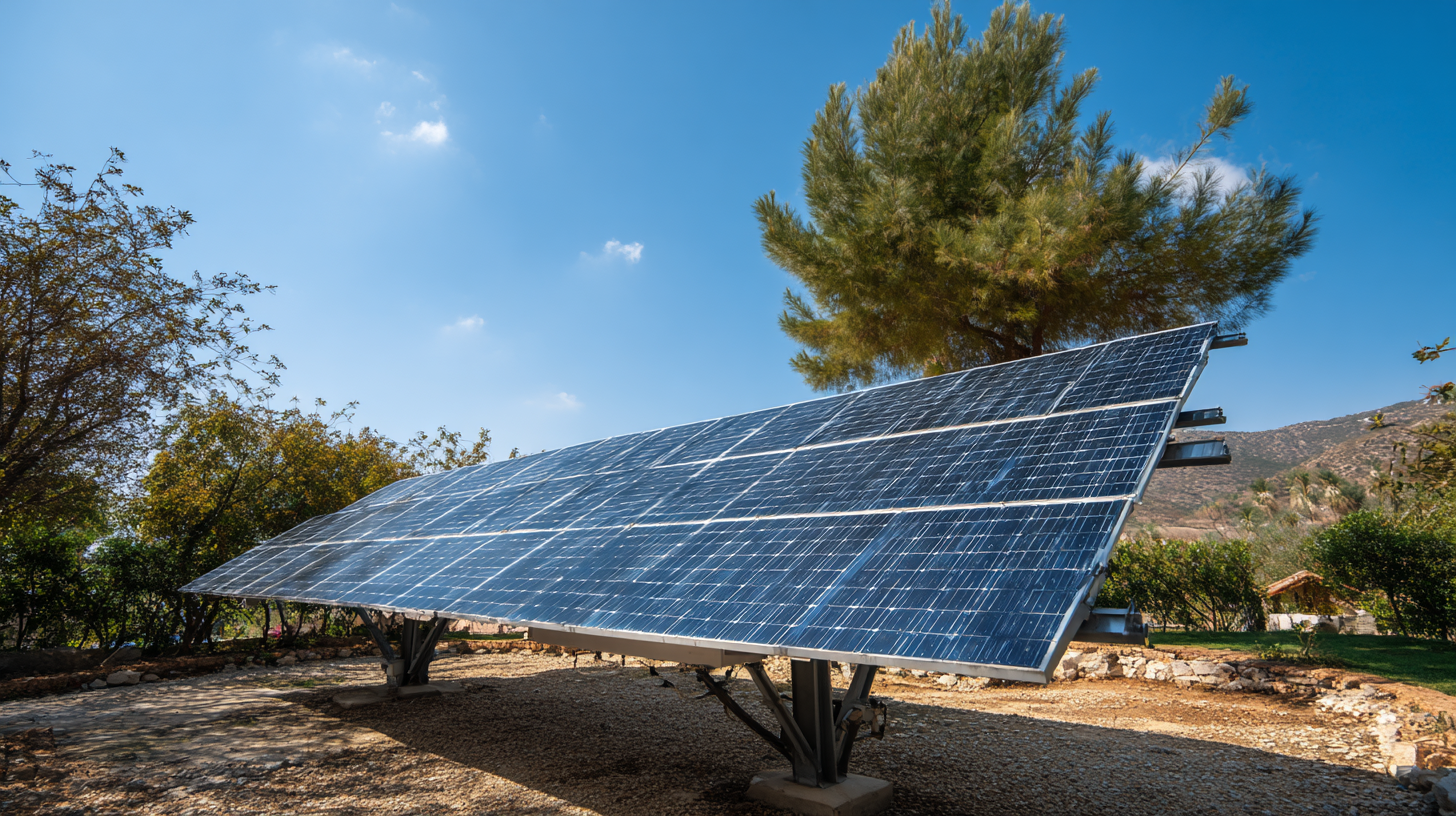
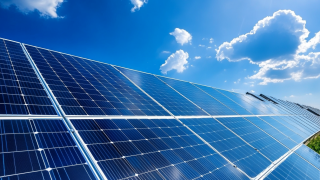
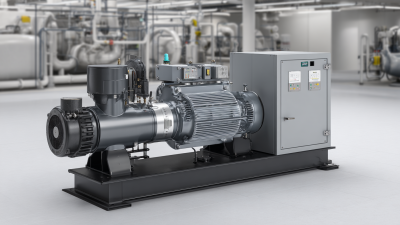
The adoption of solar energy for water pumping is a game-changer in the quest for sustainability. DC conventional surface solar water pumps exemplify this shift, directly contributing to sustainable development goals by promoting clean energy usage and water conservation. According to a report from the International Renewable Energy Agency (IRENA), solar water pumping can reduce greenhouse gas emissions by over 80% compared to traditional diesel pumps, making it an environmentally friendly alternative.
These solar water pumps offer a myriad of benefits, particularly in regions with high solar insolation. By harnessing the abundant sunlight, these systems can efficiently pump water for agriculture, drinking, and sanitation needs, particularly in rural areas where electricity access is limited. A study published in the journal Solar Energy states that solar water pumping can increase water availability by up to 90%, which is crucial for improving the livelihoods of smallholder farmers and enhancing food security.
Furthermore, the cost-effectiveness of solar water pumps is noteworthy. The World Bank has reported that the life cycle cost of solar installations for water pumping is significantly lower than that of traditional fuel-powered systems. With decreasing costs of solar technology and increasing efficiency, these pumps are not only transforming water management practices but also ensuring that water resources are used sustainably, paving the way for a greener future.
: Advanced solar controllers can increase energy capture by up to 30% compared to traditional systems, thanks to enhanced tracking capabilities and adaptive algorithms that adjust to varying solar conditions.
MPPT technology maximizes energy output by continuously adjusting to the optimum voltage and current levels, improving energy yield by an average of 20% over simple on/off controller systems.
Many advanced controllers provide remote monitoring capabilities, allowing users to track system performance in real-time and make data-driven adjustments for improved efficiency.
Traditional systems operate on fixed configurations, while advanced solar controllers utilize smart algorithms to adaptively manage power flow, maximizing energy capture and reducing waste.
Regularly assess energy consumption patterns and adjust solar controller settings accordingly, which can lead to improved efficiency over time.
Consider essential features like MPPT technology, built-in monitoring systems, compatibility with different battery types, ease of installation, user-friendly interfaces, and warranty services.
Proper usage of advanced features can help users fully leverage their solar system's capabilities, ultimately leading to significant energy savings.
Predictive maintenance alerts enhance system reliability and convenience, helping to maximize solar energy output and prevent potential issues.
Yes, many advanced solar controllers offer integration with smart home systems, making it easier to manage energy usage and improve overall convenience.
Researching customer reviews and expert opinions can help identify reliable brands and models that best meet your specific solar energy needs and requirements.
Back in 2024, making the most out of solar energy really depends on having the right Solar Controllers. These aren’t your basic devices — they’re pretty advanced and help manage energy smarter by adjusting to different environmental conditions. That means your solar systems don’t just run on auto-pilot; they perform way better, all thanks to these tech-savvy controllers. Features like better monitoring, easy-to-use interfaces, and compatibility with smart home tech really make a difference when it comes to getting the most juice out of your solar setup.
Switching to these advanced Solar Controllers is a no-brainer compared to older systems. They boost energy output, cut down waste, and actually help extend the lifespan of your equipment. Companies like Zhejiang Rambo Intelligent Technology Co., Ltd. are leading the charge by using cutting-edge manufacturing and innovative designs — making these controllers affordable without skimping on quality. As solar tech keeps evolving, investing in these modern controllers isn’t just smart — it’s pretty much essential if you want to maximize efficiency and do your part for the environment.





 Mr Youkee Kong