Since 1998
Solar Pump

Inquiry
Form loading...
Solar Pump
You know, in the last few years, we've really seen a big jump in the demand for sustainable and efficient water pumping solutions. Think about it—by 2027, the global mini solar water pump market is expected to hit a whopping USD 1.2 billion, growing at a steady rate of 12.5% per year! Why's that happening? Well, more folks are realizing the importance of renewable energy and solid water management, especially in areas like agriculture, gardening, and even at home. Here at Zhejiang Rambo Intelligent Technology Co., Ltd., we’re super proud of the mini solar water pumps we offer. They’re not just high-quality but also designed to meet a bunch of different needs without breaking the bank. Our production facilities are top-notch, and our designs? Pretty innovative! This way, we ensure our pumps stack up well against big-name competitors. By putting a strong emphasis on quality and ethics—and always keeping our customers in mind—we’re here to help you find the perfect mini solar water pump that fits your needs. Choosing the right one shouldn’t just be a decision thrown together; it should feel like a smart and trustworthy choice you can stand by.
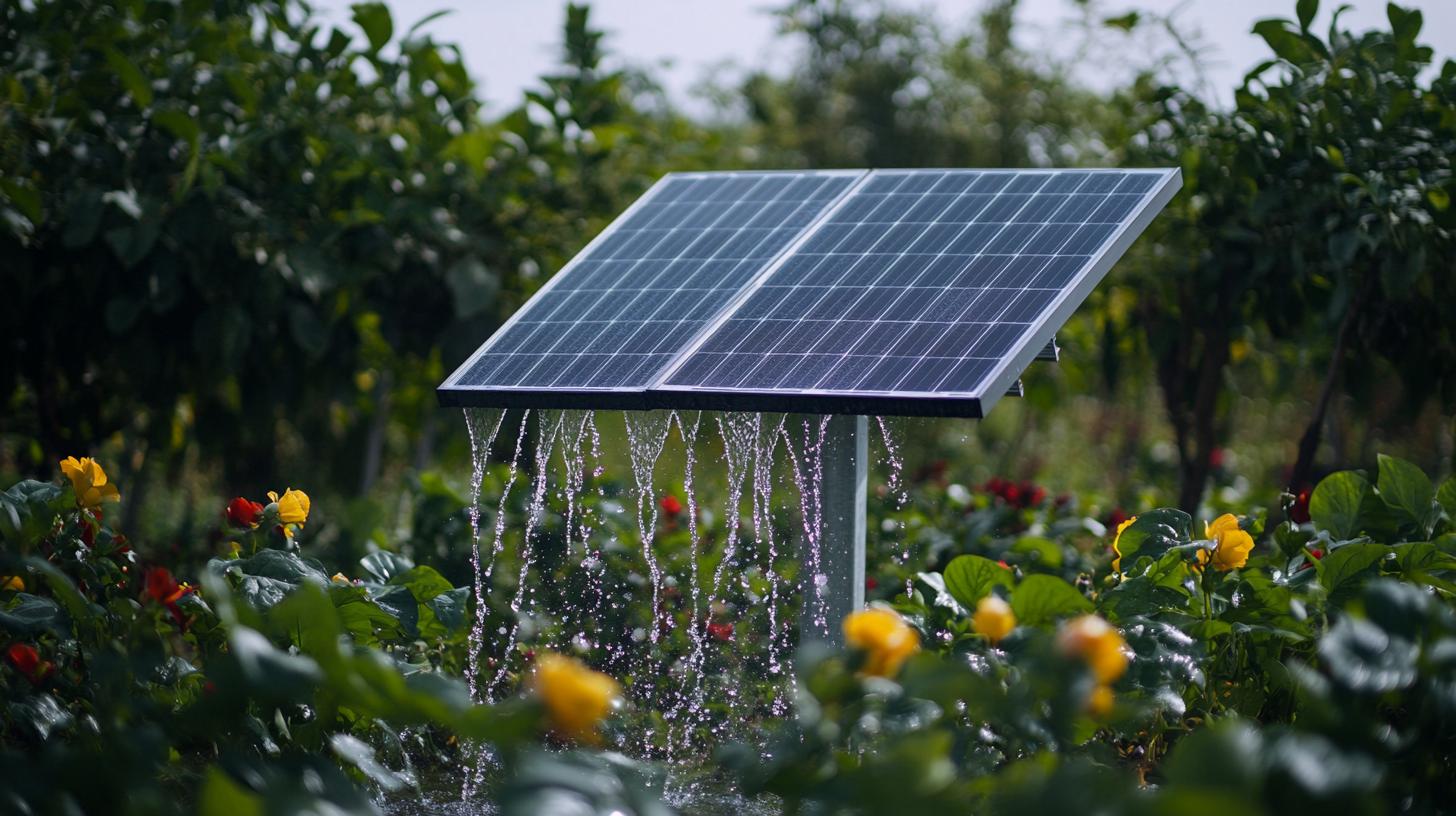
So, when you're picking out a mini solar water pump, there are a few key things you really need to think about to make sure it suits your specific needs. First off, take a good look at the flow rate and the head height you’ll need for what you're planning to do. Different pumps handle different flow rates, which is basically how much water they can pump in a set amount of time. If you’re using it for something like irrigation, it’s a no-brainer that you’ll want a pump with a higher flow rate. But if it’s just for a little garden fountain or a small pond, a lower flow rate should do the trick just fine. And don’t forget about the head height; that’s all about how high the pump needs to lift the water. You’ll want to pick a pump that can easily manage the height you need without breaking a sweat.
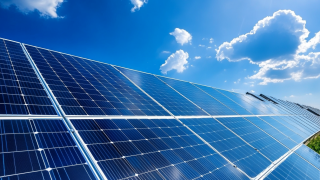
Then there’s the size of the solar panel and how energy-efficient that pump is overall. A bigger solar panel usually means more power, which can really boost the pump's performance, especially when sunlight is a bit scarce. Plus, it’s a good idea to look for pumps that come with built-in batteries. This way, you can use the pump even when it’s cloudy or nighttime.
Finally, think about how sturdy the pump is and what materials it’s made from, especially if it’s going to be outside. Weather-resistant materials can really make a difference in terms of how long the pump lasts and how well it performs over time. Trust me, investing in a good solar water circulation system will pay off in the long run!
Choosing the right mini solar water pump can feel a bit overwhelming at first, but it’s really important to know the different types out there. So, there are basically two main categories: submersible pumps and surface pumps. Submersible pumps are those that get submerged in the water—they’re great for things like ponds, fountains, or even wells. They do a fantastic job at moving water from deeper sources, which is pretty neat! Now, on the flip side, surface pumps sit above the water. These are fantastic for when you need to transfer water from one spot to another—perfect for irrigation systems or any water feature where the water level is pretty high all the time.
Another thing to keep in mind is the flow rate and head height of the pumps. You might need a pump with a really high flow rate if you're looking to make a splash with a garden fountain. On the other hand, if you need to lift water up to a certain height, then go for something with a higher head height. And let’s not forget about the size of the solar panels! The energy output from those guys can really change how efficiently your pump runs and how long it’ll operate.
In the end, picking out the right mini solar water pump comes down to knowing what you specifically need. This way, you can manage your water supply in a way that really works for your situation—sustainable and all that good stuff!
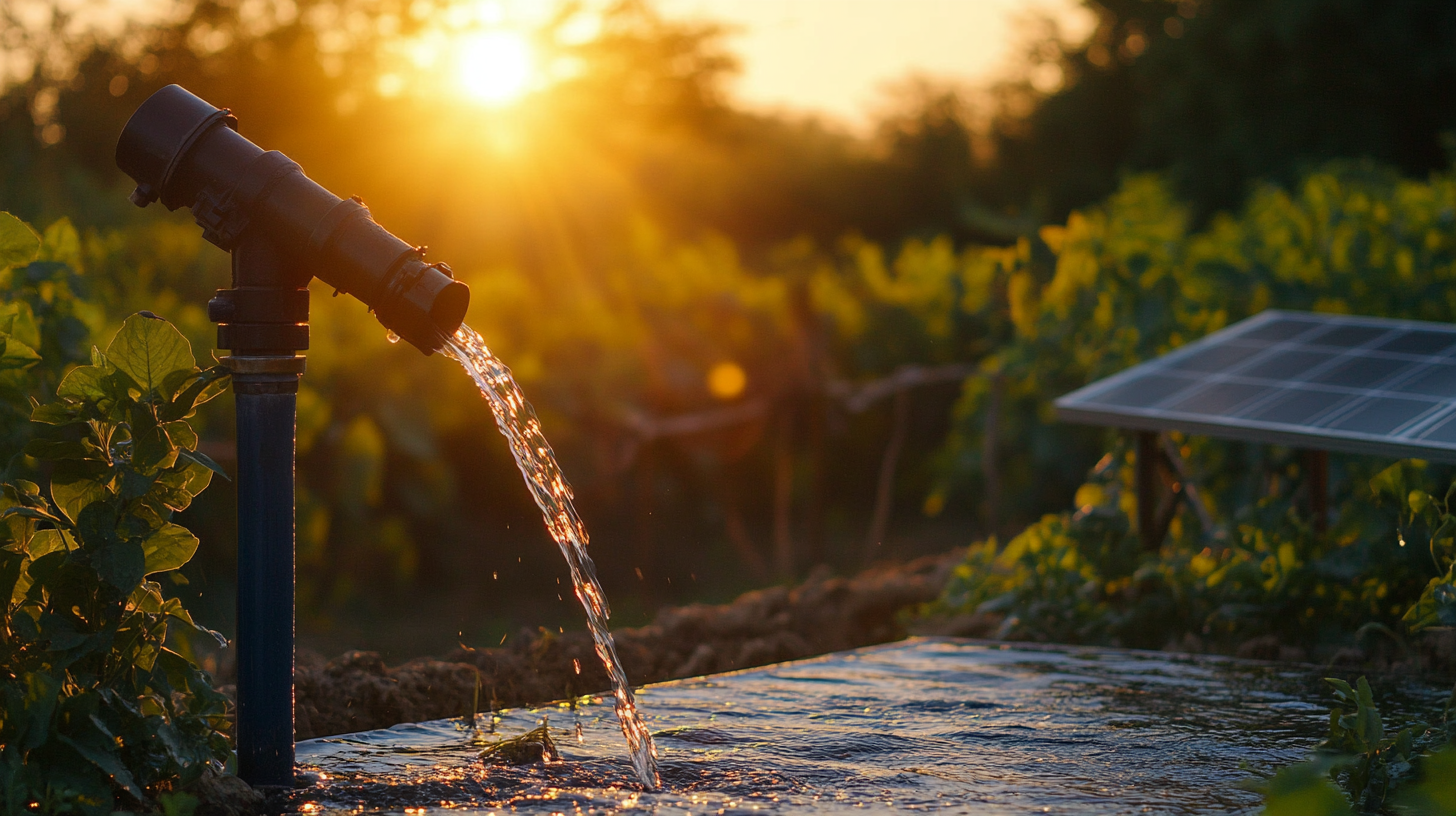
So, when you're on the hunt for a mini solar water pump, it’s super important to really get a handle on its performance traits, especially things like flow rate and lift height. Flow rate basically tells you how much water the pump can shift in a certain amount of time, and guess what? That can change depending on stuff like water temperature. Recent studies have pointed out that when the water gets warmer, it can seriously affect how much the pump can move and how efficiently it operates. That’s something you definitely want to keep in mind since your working conditions can totally differ based on the environment you’re in.
Now, let’s talk about lift height, which is another biggie. It’s all about how high the pump can push the water up. Research has shown that both air pressure and flow rates play a role in how well lift pumps perform. If you’re looking at higher delivery heads, you might actually find that the efficiency goes down. So, it’s key to not just focus on the perfect specs but also think about how the pump holds up under different operating situations. By weighing these factors, you’ll be better equipped to choose a mini solar water pump that fits what you need—whether that’s for your home garden, watering your livestock, or tackling a small irrigation project.
When considering a mini solar water pump system, proper installation is crucial to ensure optimal performance and longevity. Selecting the right location is the first step; it should be a site with adequate sunlight exposure throughout the day. According to recent studies, solar-powered irrigation systems are gaining traction globally, especially in low- and middle-income countries, where the swift adoption of solar technology has been linked to improved agricultural productivity. For successful implementation, the recommended orientation of solar panels is critical, often pointing them south in the northern hemisphere to maximize energy absorption.
After site selection, sizing the pump accurately based on water needs is essential. Research shows that mismatched pump capacity can lead to inefficiencies and inadequate water supply. For instance, a study indicated that optimizing the configuration of a solar photovoltaic (PV) water pumping system could enhance performance by up to 30% compared to conventional setups. Installation should also consider the type of water resources available and the specific requirements of the end-users, whether for irrigation, livestock watering, or domestic use. Following these best practices can significantly elevate the effectiveness of your solar water pump system.
This pie chart illustrates the distribution of various applications for mini solar water pumps. Understanding these applications can help you choose the right pump for your specific needs.
If you're thinking about investing in a mini solar water pump, you definitely want to keep up with some maintenance practices. Trust me, taking care of it can really stretch out its lifespan and boost how well it works. One of the biggest things you can do is regular cleaning. I mean, studies show that just a bit of dirt or algae on those solar panels can cut energy output by a whopping 30%! So, keeping them squeaky clean is key—this way, your pump can do its thing effectively all day long.
But cleaning isn’t all you need to worry about. You should also take the time to check the pump’s components regularly. It’s a good way to catch any wear and tear before it becomes a big issue. In fact, reports from the Solar Energy Industries Association suggest that just routine checks on seals, hoses, and the pump motor can save you from some pretty pricey repairs and downtime. If you spot any worn-out parts, don’t wait too long to replace them; it’ll keep everything running smoothly.
Oh, and keep an eye on those water levels, too. Making sure the pump isn't running dry is super important because operating without water can really heat things up and lead to damage.
Lastly, don’t forget about seasonal maintenance! If you live in a colder area, you’ll want to watch out for frost damage. And in hotter places, giving those solar panels a bit of shade can really help with the overheating. By following these simple maintenance tips, you can keep your mini solar water pump in great shape and make sure you’ve got a steady water supply when you need it.
So, when you're on the hunt for a mini solar water pump, you've really got to keep an eye on your budget. It’s super important if you want to get the most bang for your buck. A recent report from the Solar Energy Industries Association (SEIA) says that these pumps usually go for anywhere between $100 and $500, and yeah, it all depends on how powerful they are and what features they come with. If you go for a model that’s more energy-efficient, you might just find yourself saving quite a bit over time. Some folks have even noticed their energy bills drop by 20% to 30% compared to those older electric pumps. Pretty cool, right?
And hey, don’t forget about maintenance costs when you’re picking one out. The National Renewable Energy Laboratory (NREL) did some research and found that while the initial price for a top-notch solar water pump can be a bit on the pricey side, they often don’t need as much upkeep. We're talking an average of about $50 a year for maintenance, versus around $100 for those not-so-great pumps. It just goes to show you shouldn’t focus only on the sticker price. Taking a good look at how much you’ll spend in the long run is key to finding the right pump for your needs. Really, if you do a little cost-benefit analysis, you'll make a smart purchase that saves you money both now and down the road.
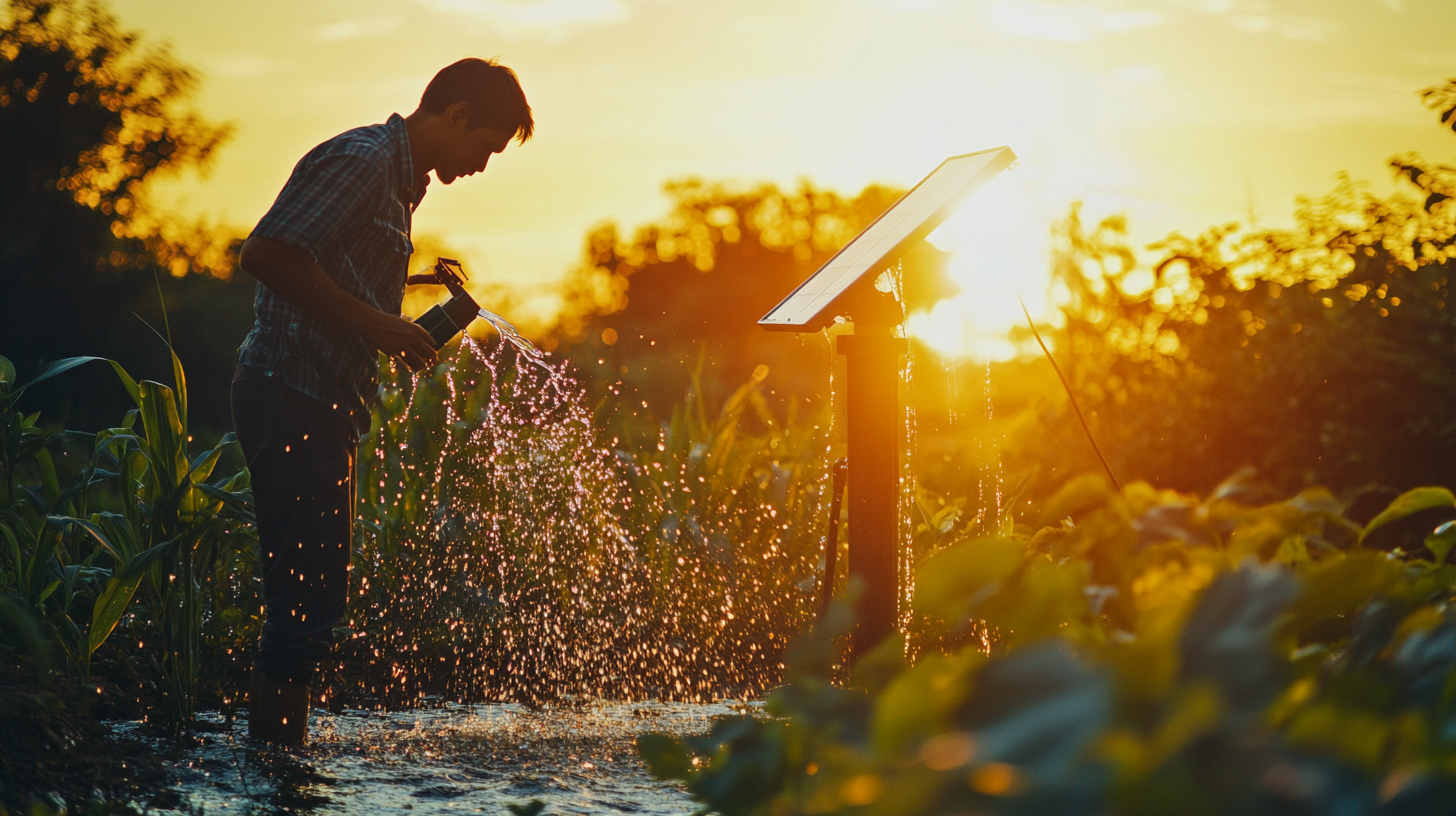
: Consider the flow rate and head height required for your application, the size of the solar panel, energy efficiency, and the durability of the materials used in the pump.
Flow rate is the volume of water the pump can move in a given time, which can vary based on factors such as water temperature and environmental conditions.
Lift height refers to the vertical distance the pump can elevate water. It's essential to choose a pump that can meet the lift height needed for your specific application.
A larger solar panel can generate more power, enhancing the pump's performance, especially in low-light conditions.
Built-in battery systems allow the pump to operate during times when sunlight is not available, improving its overall functionality.
The average cost ranges from $100 to $500, depending on the pump's capacity and features.
Energy-efficient models can lead to significant savings on energy costs, with some users experiencing a reduction of 20% to 30% compared to traditional electric pumps.
Higher-quality solar water pumps may have average maintenance costs around $50 annually, while lower-quality models can average approximately $100 per year.
Perform a cost-benefit analysis that considers both the initial purchase price and overall lifetime expenses, including maintenance and energy costs, to ensure you make a well-informed investment.



 Mr Youkee Kong