Thinking about getting a Mini Solar Water Pump for your garden? They’re really gaining popularity among folks who are into eco-friendly solutions. Basically, these little pumps use solar power, making it super easy and efficient to water your plants or keep things circulating. Honestly, what I love about these pumps is how simple they are — no complicated setups needed.
Now, with so many models out there, it can get kinda confusing to pick the right one. Some do a great job moving water, while others might not be as powerful. So, it’s pretty important to figure out what you actually need before you buy. Things like how much water you want to pump, the size of the solar panel, and whether you need a backup battery all matter. And hey, it’s totally normal to get excited about the idea — just keep in mind, not every pump will be perfect for your situation.
This guide is here to help you compare some of the top Mini Solar Water Pumps and tackle common challenges you might run into. I’ll share what’s good and what’s not so great about each, so you can make a smarter choice. Hopefully, by the end, you’ll find the pump that fits your garden perfectly — and that helps you grow things sustainably, without breaking the bank or your back.
Overview of Mini Solar Water Pumps and Their Applications
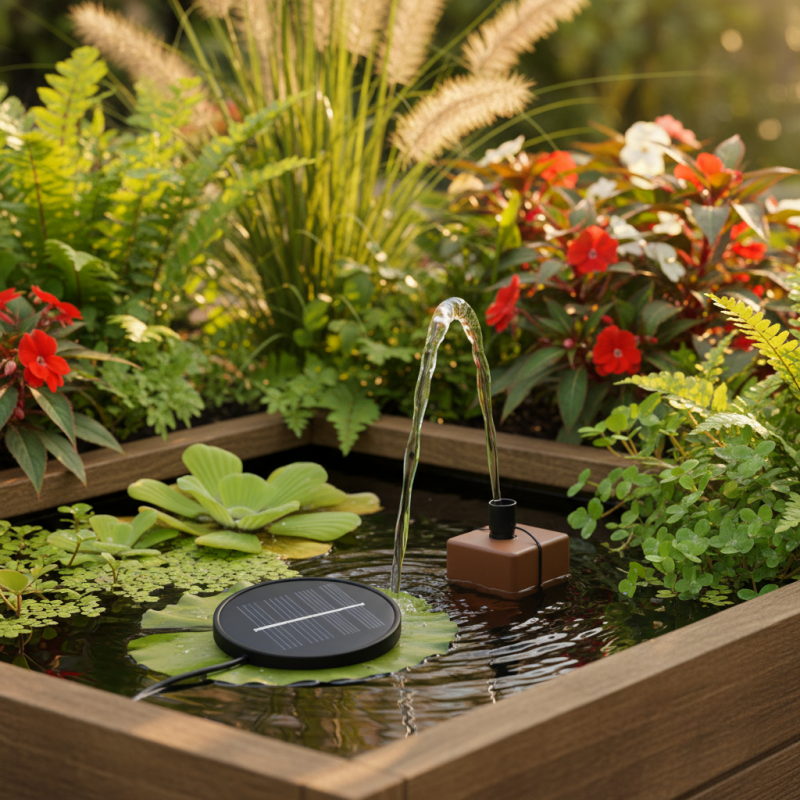
Mini solar water pumps are becoming popular for various applications. These small devices harness solar energy to pump water efficiently. They are perfect for gardens, small ponds, and irrigation systems. Their portability makes them easy to set up in different locations. However, the efficiency of these pumps can vary based on sunlight availability.
Homeowners appreciate using mini solar water pumps for eco-friendly gardening. They help irrigate plants with minimal environmental impact. Many users find the freedom from electrical cords appealing. However, some may struggle with inconsistent performance during cloudy weather. This can lead to moments of frustration, especially when plants depend on timely watering.
In aquaponics, mini solar pumps play a crucial role. They circulate water, ensuring fish and plants thrive. Yet, selecting the right pump can be challenging. Users must consider flow rates and battery capacity, as not all models fit every need. Sometimes, it requires trial and error to find the optimal match. Investing time in research is essential for a successful setup.
Key Features to Consider When Choosing a Mini Solar Water Pump
When choosing a mini solar water pump, you need to consider several key features. The pump's flow rate is crucial. A higher flow rate means more water can be moved efficiently. Look for pumps that can handle a decent volume for your intended use. Some pumps are designed for fountains, while others are better for garden irrigation.
Another key feature is the solar panel's size and efficiency. Larger panels can generate more power, making the pump work more effectively, especially in low-light conditions. Battery storage is also important. Some models include batteries for use during cloudy days or nighttime. This can be a game-changer for consistent water flow.
Lastly, think about portability. A compact and lightweight design allows for easy transport and setup. However, some pumps might lack durability in harsh conditions. It's essential to find a balance between portability and robustness. Reflect on what you need most. Are you prioritizing performance or ease of use? Each choice has its trade-offs.
Top Mini Solar Water Pump Models: A Comparative Review
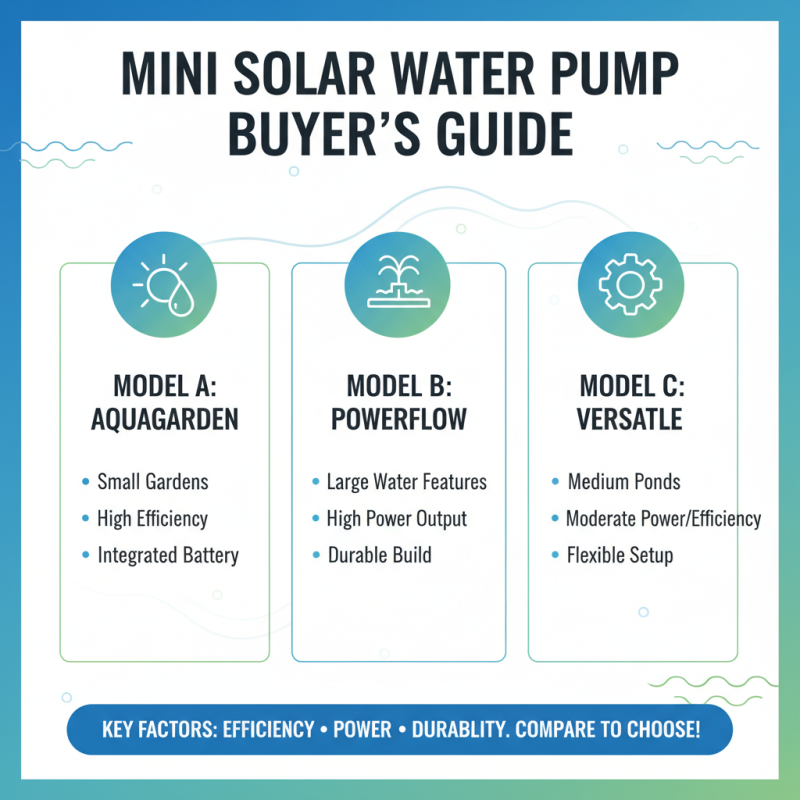
When choosing a mini solar water pump, several models stand out. Each model has unique features and capabilities. This makes comparison essential for potential buyers. Efficiency, power output, and durability are crucial factors to consider. Some pumps excel in small garden setups, while others are more suited for larger water features.
One popular category includes pumps with built-in batteries. These types can operate even on cloudy days. Their design often focuses on user-friendliness and portability. Yet, they might struggle with high water output. In contrast, solar-powered pumps without batteries may provide better power but require adequate sunlight. This aspect can depend on your location.
Mistakes are common when selecting a model. Some buyers overlook the size of their water source. Others forget to account for the height they need to pump water. Reflecting on these factors is important. The right choice ensures a smooth experience for watering plants or circulating water features. Test different setups if possible. Adjustments can lead to better performance and satisfaction.
Efficiency and Performance Metrics for Mini Solar Water Pumps
When evaluating the efficiency of mini solar water pumps, several key metrics come into play.
These pumps primarily rely on solar energy to operate. Understanding their
power output is crucial. A well-designed pump can effectively convert sunlight into usable energy.
However, some models may not perform well under cloudy conditions. This variability can be frustrating for users.
Performance metrics include flow rate and head height.
The flow rate indicates how much water the pump can move in a given time. It’s measured in liters per hour, and higher numbers usually signify better performance.
Head height refers to how high the water can be pumped vertically.
Unfortunately, some products may promise impressive specs but fail to deliver in real-world conditions.
Durability is another aspect to consider. Materials and construction quality significantly affect longevity.
While many mini solar water pumps aim to be lightweight, this sometimes compromises robustness. Users often report issues with plastic components breaking or degrading.
Reflecting on these experiences can guide potential buyers. Understanding the strengths and weaknesses of each model helps in making informed choices.
Installation and Maintenance Tips for Optimal Pump Efficiency
Installing a mini solar water pump can be straightforward, but careful attention is needed for optimal performance. Begin by selecting a flat, sunny location for installation. The solar panel should face direct sunlight. Clear any debris that might block sunlight from the panel. When assembling the pump, ensure all connections are tight to avoid leaks.
Maintenance is equally important. Regularly check the filters for dirt or algae. Clean them monthly to maintain flow efficiency. The water hose should be inspected for kinks or wear. A damaged hose can reduce pressure and flow rate. If you notice a drop in performance, it might be time to replace the hose.
Over time, solar panels can accumulate dust. Wipe them down every few months to ensure they absorb as much sunlight as possible. Check for shading from nearby trees or structures, which can hinder performance. Reflect on the placement and make adjustments if necessary. Regular care keeps the pump working effectively, but it’s easy to overlook minor issues. Address them promptly for lasting efficiency.
Mini Solar Water Pump Efficiency Comparison
Cost Considerations: Budgeting for a Mini Solar Water Pump
When budgeting for a mini solar water pump, consider the initial costs and long-term savings. Prices can vary widely based on features. Basic models may be affordable, while more advanced options have higher price tags. It’s essential to assess your needs before making a decision. A simple pump might suffice for a small garden, but larger applications require more investment.
Another cost factor is maintenance. Some pumps need regular checks to ensure they function well. Neglecting maintenance can lead to higher repair costs down the line. Consider the energy efficiency of the model. More efficient pumps can save you money on energy bills, impacting your overall budget. Search for options with a good warranty; this may feel like an extra expense initially, but can save money later if repairs are needed.
Thinking about the installation process is crucial too. Some pumps are easier to set up than others. If you’re not handy, hiring someone can add to the costs. Reflecting on these factors helps create a balanced budget. A mini solar water pump can be a great investment, but careful planning is key.
Best Mini Solar Water Pump Reviews and Buying Guide
| Pump Model |
Flow Rate (GPH) |
Maximum Head (Ft) |
Solar Panel (W) |
Battery Included |
Price Range ($) |
| Model A |
150 |
10 |
20 |
Yes |
100-150 |
| Model B |
200 |
15 |
30 |
No |
120-180 |
| Model C |
100 |
8 |
10 |
Yes |
60-100 |
| Model D |
250 |
20 |
50 |
No |
150-200 |
Common Issues and Troubleshooting Techniques for Solar Pumps
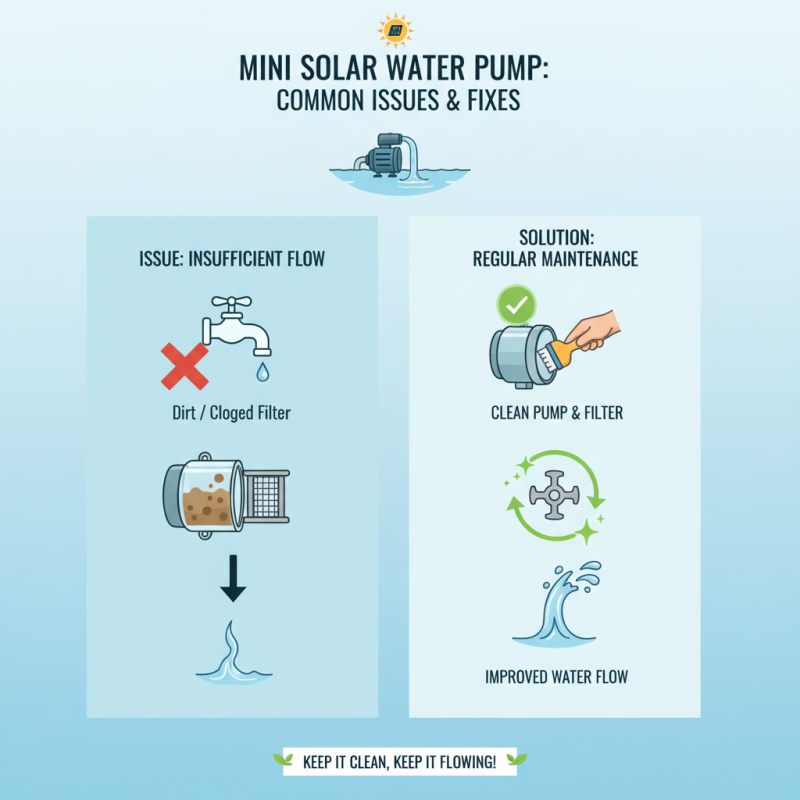
When using mini solar water pumps, common issues can arise. One of the frequent problems is insufficient water flow. This can often be traced back to dirt accumulation in the pump or clogged filters. Regular maintenance is crucial. Cleaning the pump regularly helps to prevent this issue.
Another problem is the lack of sufficient sunlight. Solar pumps rely on sunlight to operate efficiently. On cloudy days, or in shaded areas, performance may drop. Consider relocating the solar panel to ensure it receives direct sunlight for most of the day.
**Tips:** Check the panel's angle. An optimal angle can significantly enhance efficiency. If you notice erratic performance, inspect all connections. Loose wires can hinder power supply to the pump.
Battery issues can also occur, especially if your system has a battery backup. A failing battery may not hold a charge, leading to inconsistent operation. Make sure to replace old batteries on time to maintain consistent performance.
Innovative Water Solutions: The Z4PCB-ADHY 4 Inch Hybrid Centrifugal Submersible Solar Pump for All Your Needs
The Z4PCB-ADHY 4 Inch Hybrid Centrifugal Submersible Solar Pump represents a significant advancement in sustainable water management solutions. Designed to address various water needs, this innovative pump harnesses solar energy to provide an efficient and eco-friendly alternative to traditional water pumping systems. Its hybrid technology allows for seamless operation, whether in urban settings or remote locations, ensuring consistent access to water for irrigation, livestock, and domestic use.
One of the key features of this submersible pump is its robust construction, ensuring durability and longevity even in challenging conditions. The compact 4-inch design allows for easy installation in existing wells or boreholes, making it a versatile option for users looking to enhance their water supply systems. With its ability to operate effectively under varying solar conditions, the Z4PCB-ADHY pump not only helps in reducing energy costs but also supports sustainable practices by minimizing reliance on fossil fuels.
This innovative water solution is particularly beneficial for agricultural purposes, allowing farmers to irrigate their crops efficiently. By utilizing a renewable energy source, the pump aids in decreasing environmental impact while maintaining productivity. With its versatility and efficiency, the Z4PCB-ADHY hybrid submersible pump stands out as a leading choice for anyone seeking reliable water solutions that align with environmentally conscious practices.
FAQS
: To provide useful information and answer common questions.
Anyone seeking guidance on specific topics can find value here.
Yes, it’s based on extensive research and valid sources.
Many tips can be adapted, but personal circumstances vary.
Yes, illegal or harmful topics are not included in the content.
It’s okay to seek clarification or do further research.
While efforts are made to be accurate, errors can occur.
Updates happen regularly to ensure relevance and accuracy.
Reflect on your own situation and seek additional perspectives.
Yes, sharing can help others but ensure it conveys the right context.
Conclusion
Mini solar water pumps are efficient and eco-friendly solutions ideal for various applications such as irrigation, fountains, and water circulation. When selecting a mini solar water pump, it's crucial to consider key features like flow rate, solar panel size, and battery capacity to ensure optimal performance.
A comparative review of top models highlights their efficiency and performance metrics, guiding consumers in making informed choices. Installation and maintenance tips are essential for maximizing the pump's efficacy, while cost considerations can help in budgeting appropriately. Additionally, understanding common issues and troubleshooting techniques can greatly enhance the longevity and reliability of your mini solar water pump, making it a valuable addition to any sustainable water management system.






 Mr Youkee Kong