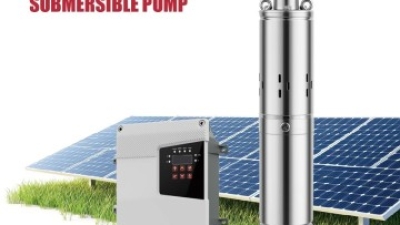
You know, with how quickly the renewable energy scene is changing these days, fine-tuning your solar systems really becomes a big deal if you want to get the most out of them. One of the key pieces in making that happen is the DC Charge Controller. It’s basically the traffic cop for the power—making sure the solar panels send energy smoothly to the batteries. I read somewhere that, according to IRENA, the global solar market is booming — they’re expecting installations to hit over 2,800 gigawatts by 2025. No surprise then that companies like Zhejiang Rambo Intelligent Technology are pushing really hard to produce top-notch, yet affordable DC Charge Controllers. They’ve got huge, state-of-the-art factories and some pretty innovative designs that not only boost your solar system’s performance but also reflect their commitment to quality, ethics, and really listening to what customers need. By rocking the latest in DC Charge Controller tech, they’re helping folks like us really tap into all the awesome benefits solar energy has to offer.
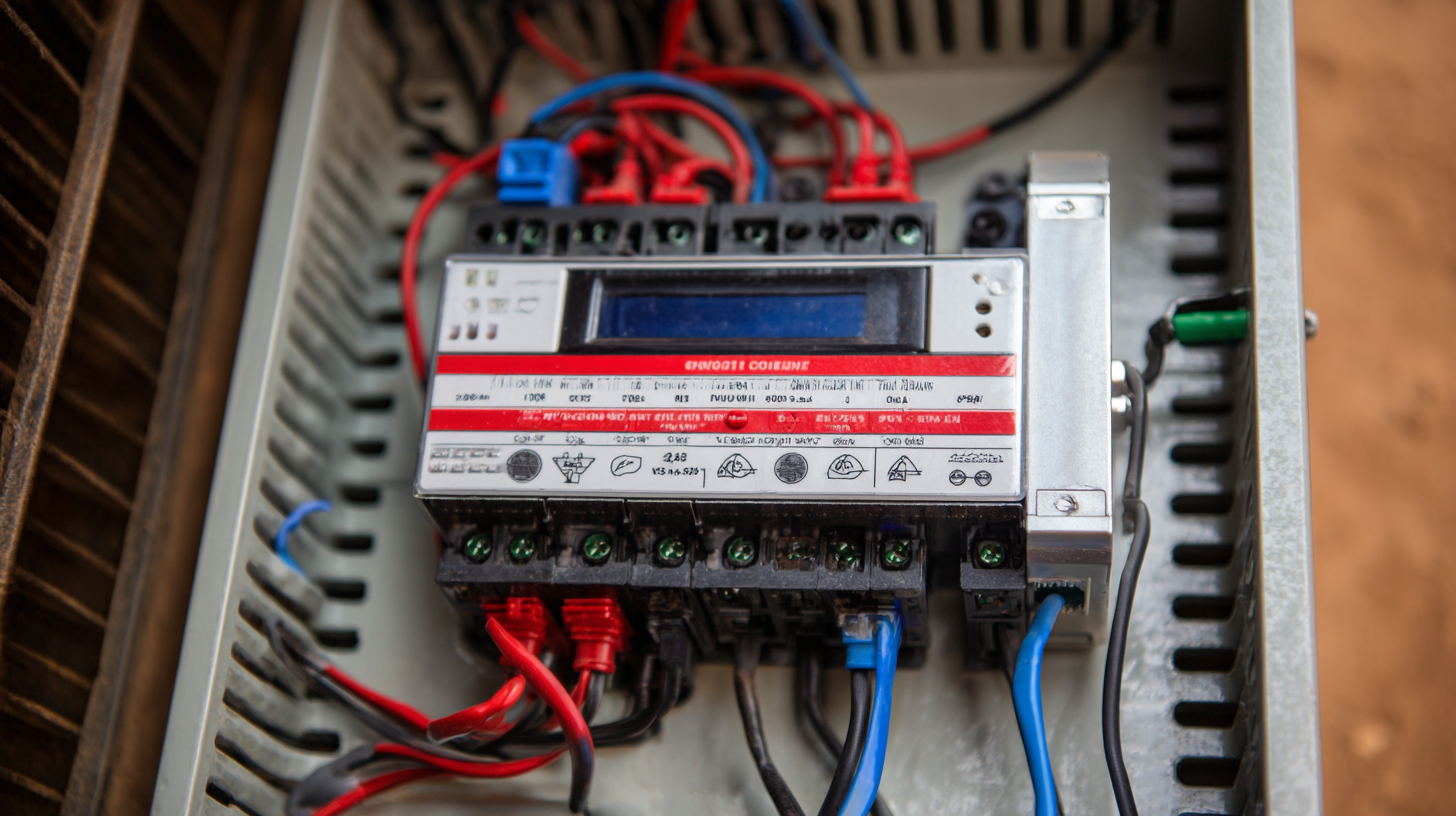
Understanding the Basics of DC Charge Controllers in Solar Systems
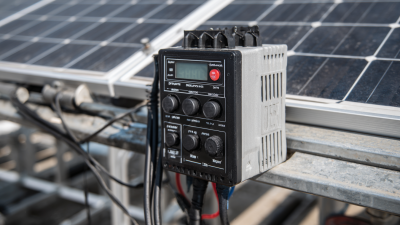
When you’re setting up or optimizing your solar system, it’s really important to understand how a DC charge controller works. Basically, it’s the device that manages the voltage and current coming from your solar panels to your batteries, making sure they get charged efficiently without overdoing it. This little guy plays a big role in helping your batteries last longer and perform better — which, let’s face it, is key in any solar setup.
Here are some tips to keep in mind: First off, pick a charge controller that matches your panel’s output and the type of batteries you're using. If you have a smaller system, a PWM (Pulse Width Modulation) controller will usually do the trick. But if you're dealing with a larger setup, an MPPT (Maximum Power Point Tracking) controller is the way to go because it converts energy more efficiently. Also, think about where you mount the controller — it should be in a cool, dry spot so it doesn’t overheat or get damaged easily. And don’t forget to keep an eye on how your system is doing — either through the display on the controller itself or via a mobile app if your setup supports remote monitoring. Staying on top of things helps keep your system running smoothly and efficiently.
At Zhejiang Rambo Intelligent Technology Co., Ltd., we’re all about providing top-quality DC charge controllers at competitive prices. Using the latest manufacturing techniques and innovative designs, we aim to give you products that maximize your solar investment. Our goal? To make sure your energy solutions are not only effective but also budget-friendly, all while keeping customer satisfaction front and center.
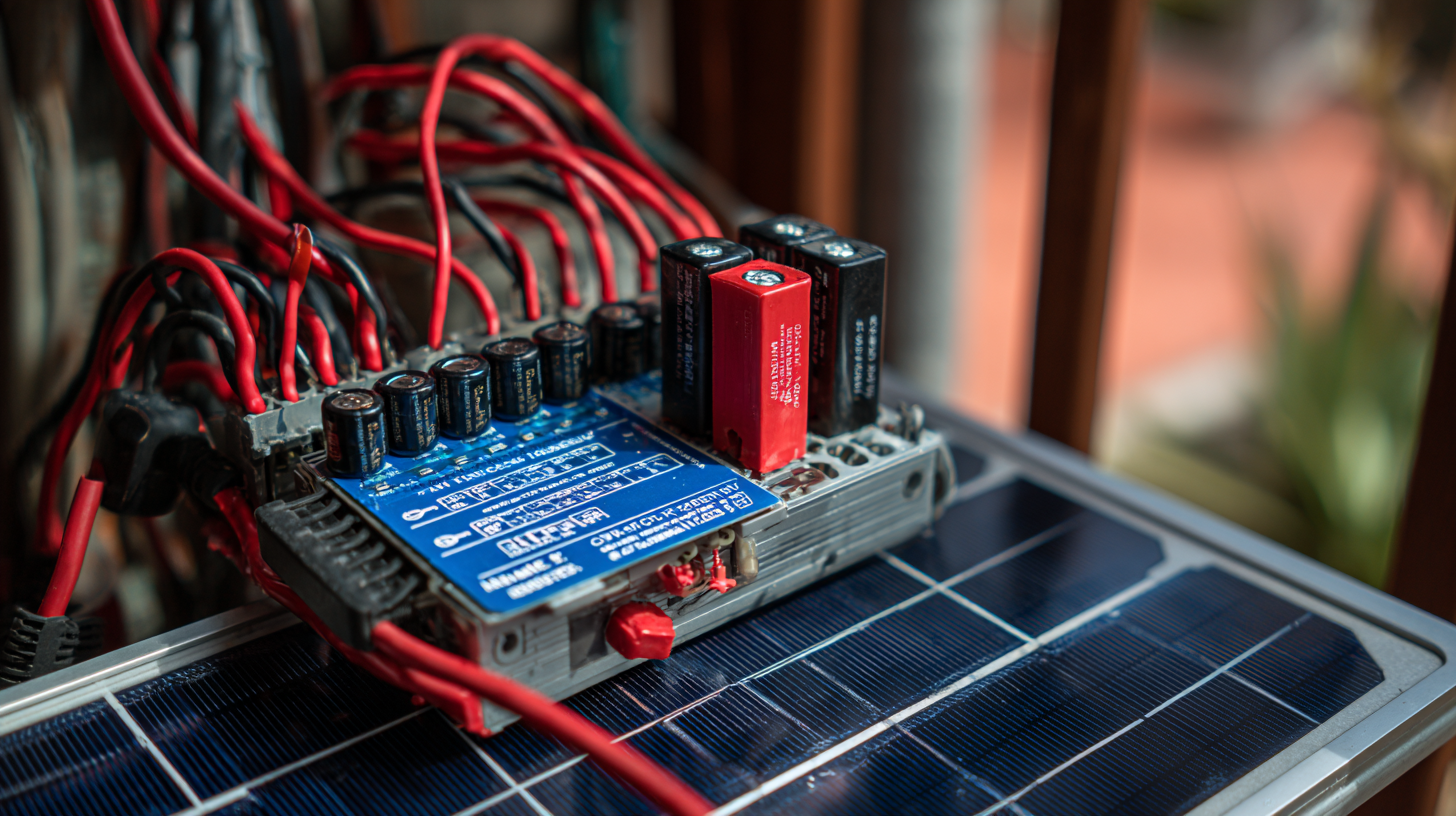
Key Benefits of Integrating a DC Charge Controller with Your Solar Setup
Adding a DC charge controller to your solar setup is actually a pretty smart move — it can really boost both efficiency and the lifespan of your system. One of the best things about it is how it carefully manages the flow of energy. Basically, it’s like having a traffic cop for your solar power: it controls the voltage and current from your panels to your batteries, making sure they get charged just right without overdoing it. That way, you’re not only squeezing the most juice out of your panels, but you're also keeping your batteries healthy so they'll last longer.
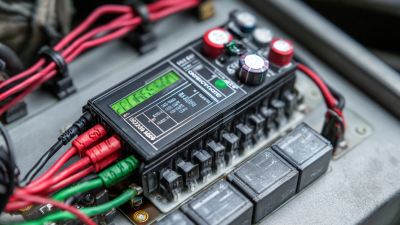
Plus, a DC charge controller isn’t just about charging; it also helps the overall system run smoother. It often comes with features like load control, which stops your batteries from getting drained too fast by managing power to your appliances. And the monitoring features? They’re handy because they let you see exactly how much energy you’re generating and using. That way, you can make smarter decisions about your energy consumption. All in all, a DC charge controller really becomes a must-have if you want your solar system to work efficiently, stay reliable, and keep running well over time.
Benefits of Integrating a DC Charge Controller with Your Solar System
Step-by-Step Guide to Selecting the Right DC Charge Controller
When you're trying to get the most out of your solar system, picking the right DC charge controller really matters. It’s basically the device that manages the voltage and current from your panels to your batteries, making sure they charge properly without overdoing it or letting them drain too much.
So, the first thing you wanna do is figure out what type of controller suits your setup best. There are two main options: PWM (Pulse Width Modulation) and MPPT (Maximum Power Point Tracking). PWM controllers are usually cheaper and work pretty well if you've got a smaller system. On the other hand, MPPT controllers are more efficient and are a better pick if you’re running a bigger setup.
Once you’ve nailed down the type, it’s important to check your system’s voltage and current needs. Basically, you’ll want to add up the total voltage from your solar panels and see what capacity your batteries are at — this will help you pick the right controller. Don’t forget to also look at the maximum input voltage that the controller can handle, just to be safe and avoid any damage.
And yeah, features matter too—look for built-in protections against overcharging, short circuits, and maybe even temperature adjustments. Picking a controller with these features will really boost your system’s performance and help your batteries last longer.
Best Practices for Installing and Configuring Your DC Charge Controller
So, if you're installing a DC charge controller for your solar setup, it's really worth paying attention to some
best practices. Trust me, it can make a big difference in how well it works and how long it lasts.
I read from the folks over at NREL that tweaking the way you set up your charge controller can actually boost your energy efficiency by around
20%.
First off, pick the right controller for your system—if it’s a smaller system, PWM (that’s
PWM) controllers are usually fine. But for larger systems,
MPPT (Maximum Power Point Tracking) controllers are the way to go because they can squeeze out up to
30% more energy, especially when conditions change.
When installing, make sure to mount it somewhere shaded and well-ventilated—overheating ain’t your friend here.
SEIA says heat can cut your controller’s performance by nearly
15%. Oh, and don’t forget to use the right wire sizes
and connectors—using way too small wires can cause energy loss because of resistance, which nobody wants.
Also, it’s a good idea to keep an eye on everything—check your connections regularly and give the unit a good cleaning now and then.
Doing these things not only helps your system run more efficiently but also makes it last longer.
Trust me, a little extra care goes a long way in keeping your solar setup happy and healthy!
Monitoring and Maintaining Your DC Charge Controller for Optimal Performance
Keeping an eye on your DC charge controller is a pretty smart move if you want your solar setup to run smoothly and efficiently. Just popping in now and then to check out the display can really give you a good sense of how much energy your system is generating and what you're actually using. Pay attention to the voltage, current, and charge level readings — they tell a story! This info can help you make small tweaks here and there, making sure everything’s working safely and at its best.
Here's a little tip: try to do a quick check-in weekly and jot down your readings. It might seem like a hassle at first, but logging this stuff can really help you spot patterns over time. Plus, you might catch any weird activity early on, so you can address it before it turns into a bigger problem.
And don’t forget about the basics — keeping your controller clean and making sure all the wires are snug and secure. Dust and dirt can mess with its efficiency, so a soft brush or cloth every now and then does the trick. Also, take a moment to inspect the wiring — look out for any frays, corrosion, or signs of wear and tear. If you catch these issues early, you’re saving yourself headaches down the line.
Another good habit? Do a visual sweep of your whole system about once a month. Check for loose wires or anything that looks off — like overheating spots or damaged components. Being proactive like this can really extend the life of your solar setup and keep it running like a champ.
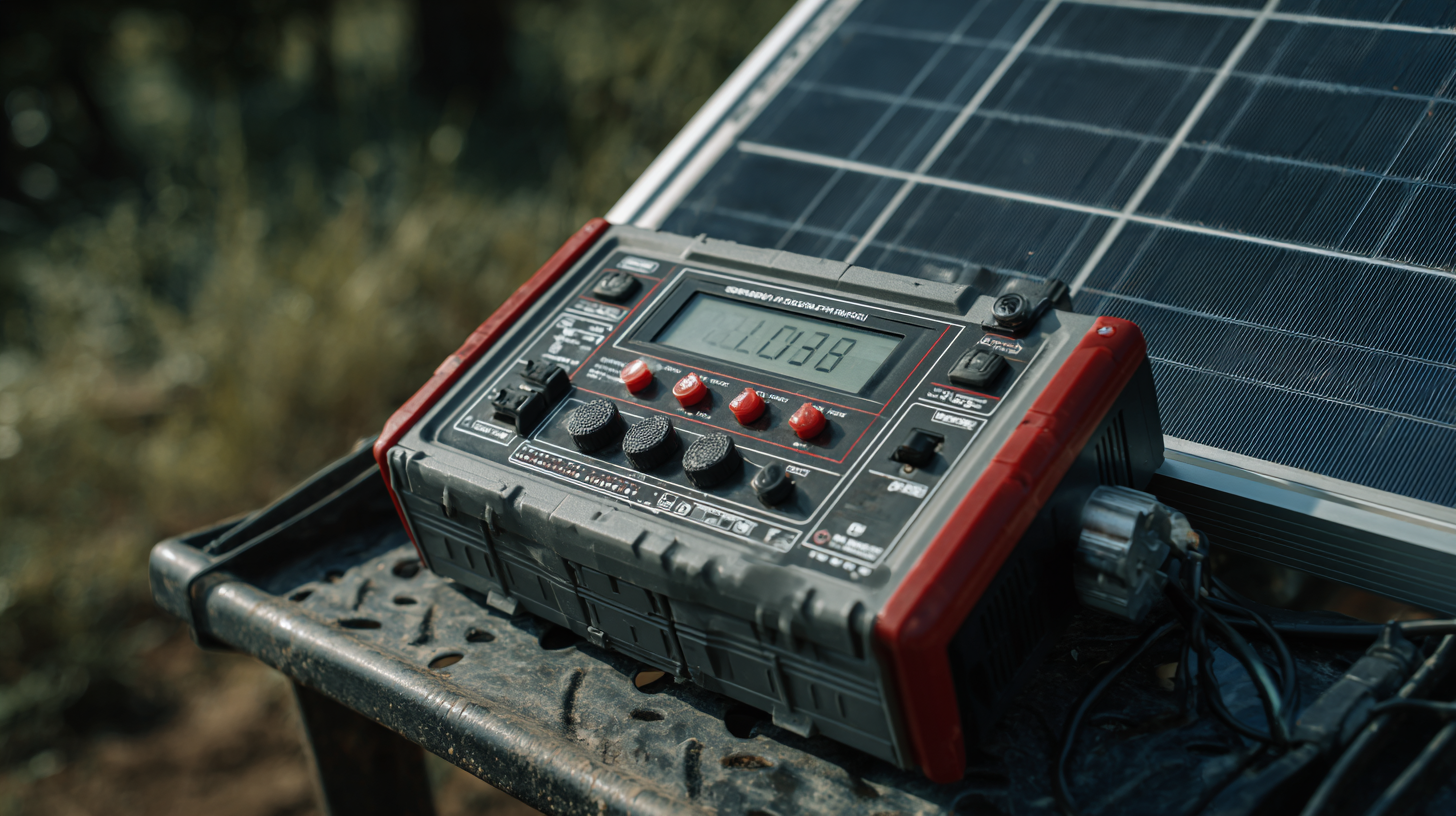
Troubleshooting Common Issues with DC Charge Controllers in Solar Systems
If you're serious about getting the most out of your solar setup, understanding what a DC charge controller does is pretty important. Basically, it’s the part that keeps an eye on the voltage and current from your solar panels, making sure your batteries charge efficiently without any hiccups. That said, lots of folks run into common issues like battery not charging properly, system glitches, or even damage to the batteries. These problems often pop up because of wiring issues or wrong settings. To fix or avoid these headaches, it’s a good idea to regularly check all your connections, make sure the controller you’re using is a good match for your battery type, and give your system a quick test with a multimeter now and then.
At Zhejiang Rambo Intelligent Technology Co., Ltd., we really focus on quality and innovation. Our lineup includes some pretty advanced DC charge controllers that meet international standards. Not only do they help you get the most out of your solar energy, but they also come with smart features to battle common system troubles. Thanks to our cutting-edge manufacturing facilities and approach to design, we’re able to offer reliable, budget-friendly options that help you maximize your solar system’s efficiency. Plus, we’re committed to maintaining high ethical standards and providing top-notch customer service every step of the way.
How to Optimize Your Solar System with a DC Charge Controller - Troubleshooting Common Issues with DC Charge Controllers in Solar Systems
| Issue |
Cause |
Solution |
Prevention Tips |
| Undercharging |
Insufficient sunlight or faulty wiring |
Check connections and ensure sufficient sunlight |
Regularly inspect wiring and location of solar panels |
| Overcharging |
Faulty charge controller or incorrect settings |
Adjust settings or replace the charge controller |
Monitor charging settings regularly |
| Battery not charging |
Defective battery or disconnected terminals |
Test battery and reconnect terminals |
Ensure batteries are in good condition and connections are tight |
| Converter issues |
Incompatible converter or overload |
Check compatibility and adjust load |
Use converters that match the system specifications |
| Temperature fluctuations |
Extreme weather conditions |
Use temperature-resistant components |
Install components in appropriate locations |
Harnessing Renewable Energy: The Impact of 3-inch Solar-Powered Helical Rotor Submersible Pumps on Irrigation Efficiency and Cost Reduction
The integration of renewable energy sources into agricultural practices is transforming the efficiency and sustainability of irrigation systems. One standout innovation in this area is the 3-inch solar-powered helical rotor submersible pump. These pumps harness solar energy to operate, significantly reducing reliance on conventional power sources and lowering operational costs for farmers. With their advanced design, these pumps not only enhance irrigation efficiency but also ensure consistent water supply, which is crucial for crop health.
The helical rotor technology used in these submersible pumps allows for higher flow rates and better pressure management compared to traditional pumps. They are particularly effective in drawing water from significant depths, making them ideal for various agricultural settings. By utilizing these solar-powered pumps, farmers can achieve more precise water application, thus improving crop yield while conserving precious water resources. The reduction in energy costs can lead to significant financial savings over time, making this a vital investment for modern agriculture.
As agriculture continues to face challenges such as climate change and increased demand for food, adopting innovative technologies like the 3-inch solar-powered helical rotor submersible pump is essential. These pumps exemplify how renewable energy can be effectively harnessed, driving not just operational efficiencies but also sustainable practices that protect our environment for future generations.
FAQS
: A DC charge controller regulates the voltage and current from solar panels to batteries, ensuring they are charged properly without overcharging or discharging.
The two main types are PWM (Pulse Width Modulation) and MPPT (Maximum Power Point Tracking). PWM controllers are more affordable and suitable for smaller systems, while MPPT controllers are more efficient and ideal for larger setups.
You should assess the size of your solar system. Generally, PWM controllers are good for smaller systems, while MPPT controllers are better suited for larger setups.
You need to calculate the total voltage of your solar panel array and the capacity of your batteries, while also ensuring the charge controller's maximum input voltage specifications align with your system to avoid damage.
Look for built-in protection features against overcharging, short circuits, and temperature compensation, as these can enhance performance and extend battery lifespan.
It is recommended to check the charge controller readings weekly and maintain a log to help track energy production trends and identify any irregularities.
Regular maintenance includes keeping the device clean, ensuring secure connections, and performing visual inspections for loose or frayed wires and signs of overheating.
A visual inspection should be conducted at least once a month to check for issues such as loose wires and overheating components.
Conclusion
In today's solar energy world, making sure your system runs smoothly and efficiently really matters. That's where a DC Charge Controller comes into play—it’s pretty much the heartbeat of optimizing how your solar panels perform. If you’re trying to get the most out of your setup, it’s worth understanding the basics of these controllers and why they’re so important. Whether you're picking the right one or figuring out how to install and set it up, this guide will walk you through everything you need to know, making it simpler to add a DC Charge Controller to your system.
At Zhejiang Rambo Intelligent Technology Co., Ltd., we take pride in offering top-notch DC Charge Controllers that meet international standards. Our cutting-edge manufacturing process and innovative designs mean you get a product that’s both affordable and high quality. Plus, keeping an eye on your controller and doing regular maintenance helps catch any issues early—so your solar system keeps performing at its best for the long haul.





 Mr Youkee Kong