Picking out the right submersible water pump for your specific needs can honestly feel pretty overwhelming with so many options out there. I mean, the market is flooded with choices! According to industry reports, the global demand for these pumps is expected to grow quite a bit—something like a 5.3% compound annual growth rate over the next five years—mainly because sectors like farming, construction, and wastewater management are really stepping up their game. At Zhejiang Rambo Intelligent Technology Co., Ltd., we totally get this rising demand, and we’re proud to stand out by focusing on top-notch quality and innovative solutions.
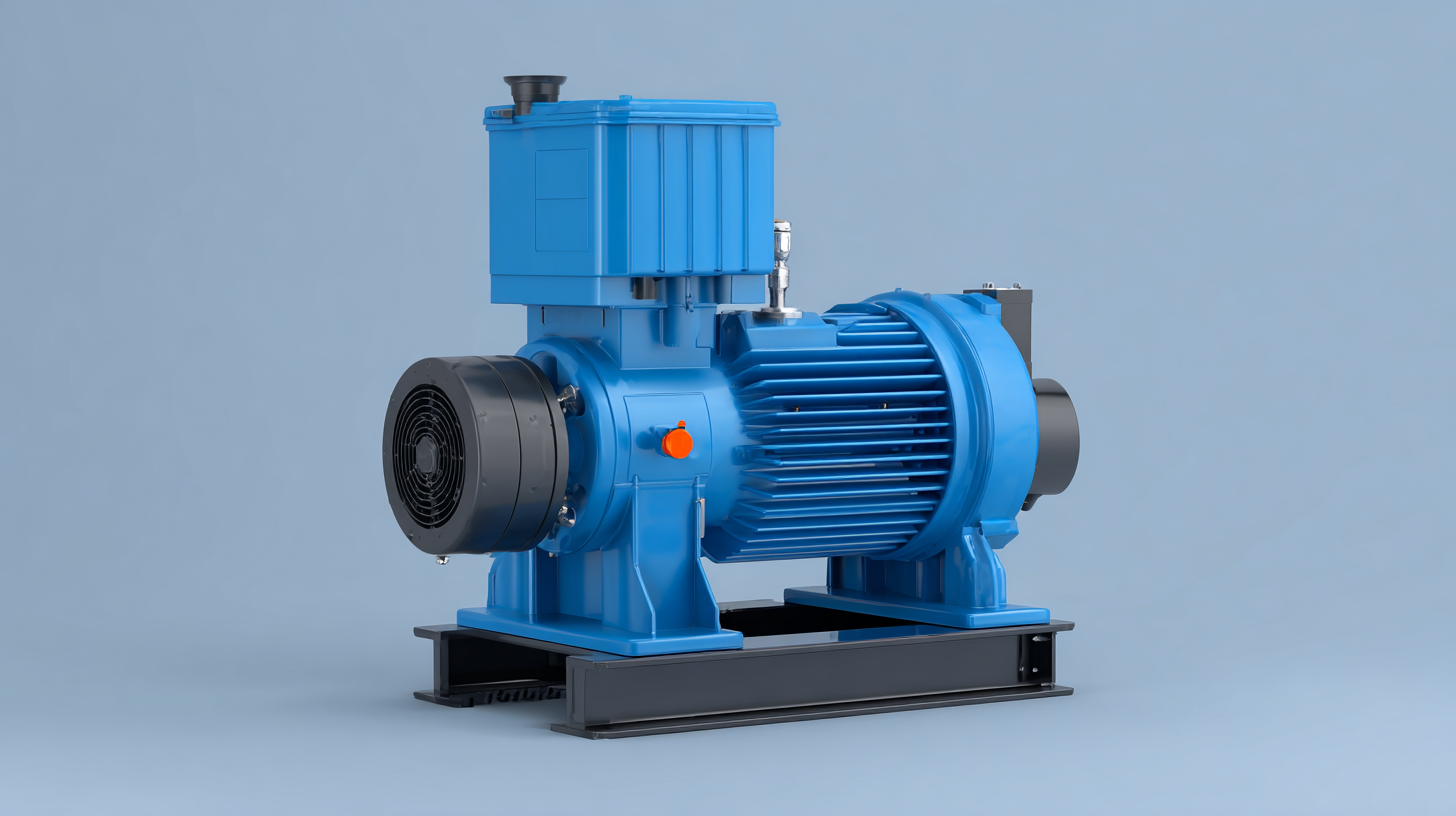
Thanks to our state-of-the-art facilities and cutting-edge processes, we're able to produce submersible pumps that not only meet international standards but often go beyond them—all without breaking the bank. This blog is here to help you sort through what really matters when choosing a water pump, so you can make a smart, confident decision that suits your specific needs and situation.
Understanding the Basics: What is a Submersible Water Pump?
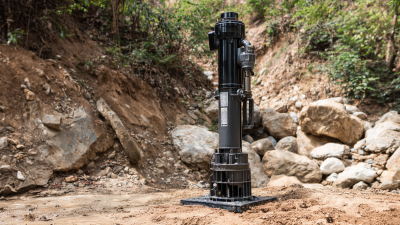
Submersible water pumps might not be something you run into every day, but trust me, they’re pretty much the unsung heroes in a bunch of different setups – whether you're into aquaponics or just need reliable water in your home. These pumps work underwater, so they can push water up to the surface like a champ. If you’re trying to get the hang of these things, it’s good to know how they're built and how they do their job. Usually, they’re sealed tight to keep water out, which makes them last longer and work reliably, no matter where you’re using them – deep in wells or in those aquaponic systems where fish and plants need good water flow to thrive.
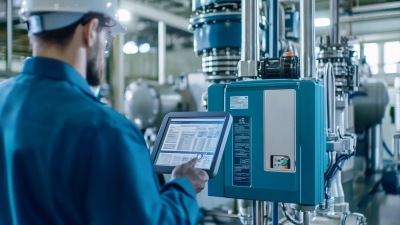
Lately, there’s been some pretty exciting tech coming into play – like artificial intelligence – really helping out with pump maintenance, especially for older systems. Some reports say that AI helps companies keep better tabs on how their pumps are doing and even predict when they might need fixing. That’s a big deal because it can extend how long these pumps last and cut down on costs. With water shortages becoming more of a concern in some areas, choosing the right submersible pump isn't just a good idea – it’s kind of essential. The right pump can make all the difference when it comes to tackling water scarcity, especially in remote places where access to clean water isn’t a given.
All in all, these little guys are more important than they seem, especially as we face more water-related challenges worldwide.
Submersible Water Pump Types and Their Applications
Key Factors to Consider When Choosing a Submersible Water Pump
Looking to pick out a submersible water pump? Well, there are a few important things you should keep in mind to make sure you get one that really fits your needs.
First off, take a look at the pump's power and flow rate — these are key to figuring out how well it’ll handle the amount of water you need to move. If you’re dealing with larger tasks, a pump with more horsepower and a higher flow capacity is probably the way to go. On the other hand, for something like your home garden or small projects, a smaller pump might be totally enough.
Another thing to think about is what material the pump’s made of. If you’re planning to use it in pretty harsh or corrosive conditions, you want something sturdy—think stainless steel or special plastics—to give the pump a longer life and save you money on repairs down the line. Also, don’t forget to check the size and design — you’ll want it to fit easily in the space you've got, and to be accessible enough for maintenance when needed.
A couple of quick tips:
1. Make sure you match the pump type to your specific application. Submersible pumps are great for things like deep wells or drainage, but surface pumps tend to work better for shallower setups.
2. And don’t overlook energy efficiency. It might mean paying a bit more upfront, but a more efficient pump can actually save you a bunch on electricity costs over time.
Types of Submersible Water Pumps: Which One is Right for You?
So, when you're trying to pick the right submersible water pump, it’s pretty important to get a good handle on the different types out there. Honestly, the global market for these pumps is booming — it jumped from around $11.2 billion in 2020 and is expected to hit about $15.5 billion by 2025. That’s a clear sign that people are really looking for reliable and efficient pumping solutions. And the reasons? Well, they range from farming and irrigating fields to handling wastewater, so pumps need to be tailored for specific environments and jobs.
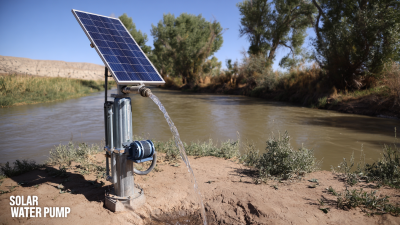
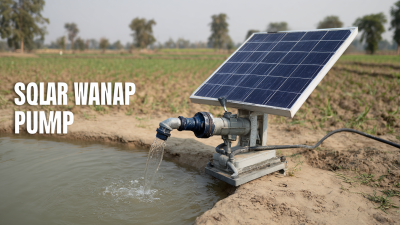
Now, if you ask me, electric submersible pumps—or ESPs—really stand out because they’re super versatile. You can use them in all kinds of situations—whether it's dealing with high temperatures or offshore projects, they’ve got you covered. Plus, with the recent boost in solar-powered water systems, these pumps are even more appealing. They’re being used more for sustainable farming and water management, which is pretty cool. As farming and other sectors evolve, it’s really important to think about things like flow rates, durability, and how much upkeep a pump needs. So, knowing the ins and outs of different pump types and what they’re best for is essential for making sure everything runs smoothly and efficiently.
Assessing Power and Capacity: Matching the Pump to Your Needs
 When you're picking out a submersible water pump, it’s super important to think about both power and capacity to make sure it’s gonna do the job right. Usually, the power is measured in horsepower (HP) or watts—so basically, how strong the pump is. Figuring out if a pump has enough juice means understanding something called the total dynamic head (TDH). That's just a fancy way of saying: how high does the water need to be lifted, plus the friction along the pipes. If you’re dealing with things like draining a flooded basement or emptying out a pond, you want a pump with enough power so it can handle the job without overheating or burning out mid-way.
Then, of course, there’s capacity—basically, how much water it can move in a given amount of time, usually measured in gallons per minute (GPM) or liters per minute (LPM). It’s key to match the pump’s capacity with what you actually need to pump out. If you’ve got a big job, like clearing a lot of water quickly, go for a pump with a higher GPM. But if it’s just a small task, a lower capacity pump could be plenty and save you some energy. By really thinking about what kind of power and capacity you need, you’ll end up with a water pump that works smoothly and keeps on running when you need it most.
Maintenance Tips for Long-Lasting Submersible Water Pumps
When you're investing in a submersible water pump, it's really important to keep up with regular maintenance if you want it to last and work its best. Doing routine check-ups can actually boost the lifespan quite a bit—that is, proper maintenance might add anywhere from 5 to even 15 years of service compared to neglecting it. A good tip is to frequently take a peek at the power cord and connections, just to make sure there’s no wear and tear creeping in. The Hydraulic Institute mentioned that over 20% of pump failures are due to electrical problems, so catching any electrical issues early on is definitely worth it.
Another thing you'd want to stay on top of is cleaning the pump and making sure it’s free from debris, since clogging is a common reason why these pumps break down. The American Pump Manufacturers Association recommends giving your pump a good cleaning at least every three months—especially if you’re in an environment with a lot of sediment. It's also smart to check the impeller and the volute every now and then for any signs of damage or wear, because these parts are super important for the pump to run smoothly and efficiently. If you stick to these simple maintenance tips, you’ll get way more out of your pump, and it should serve you reliably for many years to come.
Common Misconceptions About Submersible Water Pumps Explained
When you're picking out a submersible water pump, it’s pretty common to get misled by some popular myths floating around. One big misconception is that bigger horsepower always means better performance — but that’s not quite how it works. Honestly, the best pump for your needs depends on things like how much water you need to move and the height you need to lift it. Industry studies even show that about a quarter of folks overlook the importance of choosing the right size for the pump, which can lead to inefficiency and higher energy bills.
To really get the most out of your pump, it’s a smart move to check out the specs from the manufacturer and not just guess based on assumptions. For example, if you're dealing with different water types—like clean water versus water with a lot of dirt or sediments—picking a pump designed specifically for those conditions can make a huge difference in how well it works and how long it lasts.
Here’s a quick tip: always double-check the materials and design of the pump to make sure it can handle corrosive environments, especially if you're pumping wastewater or water with heavy sediment in it.
At Zhejiang Rambo Intelligent Technology Co., Ltd., we’re all about providing high-quality submersible water pumps that are not only competitively priced but also meet top global standards. Thanks to our advanced manufacturing tech and innovative designs, our products don’t just do the job—they often go above and beyond expectations, offering reliability and efficiency for all kinds of applications.
FAQS
: A submersible water pump is a device that operates underwater to efficiently push water to the surface, commonly used in applications such as aquaponics and residential water supply.
Submersible water pumps are sealed to prevent water intrusion and are designed to operate underwater, unlike other pumps that may work above the water level and require different installation and operational methods.
Key features include their durable sealed design to prevent water intrusion, their capability to work in various environments like deep wells or aquaponic systems, and their efficiency in facilitating water circulation.
AI can monitor pump performance and predict maintenance needs, which helps extend the life of pumps and reduce operational costs by addressing issues before they lead to failures.
Regular maintenance tips include checking electrical connections for wear, cleaning the pump every three months, and inspecting the impeller and volute for damage to prevent clogging and ensure efficiency.
It is advisable to clean a submersible water pump at least every three months, especially in environments with high sediment exposure.
Regular maintenance can significantly increase the lifespan of submersible water pumps, with studies showing that they can last 5 to 15 years longer when properly cared for.
Over 20% of pump failures are attributed to electrical issues, highlighting the importance of monitoring power cords and connections for any signs of wear.
Choosing the right submersible pump is essential in addressing water shortages, especially in off-grid and remote areas where access to clean water is vital.
Submersible water pumps are vital for water circulation in aquaponics systems, which rely on the efficient movement of water for the growth of both fish and plants.
Conclusion
Choosing the right submersible water pump for your needs isn’t just about picking any model—it’s about understanding some key things like how much water it can handle, how powerful it is, and what kind of upkeep it requires. Since these pumps work submerged underwater, they’re perfect for things like draining water, watering crops, or managing wastewater. It’s really important to check out the pump’s specs to make sure it’s up to the task for whatever project you’re tackling.
When you’re shopping around for a submersible pump, take a look at the different types out there and think about what suits your specific needs best. Plus, don’t forget—regular maintenance is a big deal if you want your pump to last. Also, being aware of some common myths or misconceptions can actually help you make smarter choices. Here at Zhejiang Rambo Intelligent Technology Co., Ltd., we pride ourselves on offering high-quality, innovative pumps that don’t just meet international standards but also deliver real value and reliable performance. We get it—picking the right pump can be tricky, but we’re here to make that process easier for you.





 Mr Youkee Kong
