Since 1998
Solar Pump

Inquiry
Form loading...
Solar Pump
You know, over the last few years, we've really seen a huge uptick in the need for smart and efficient solutions when it comes to sustainable energy—especially with Solar Water Pump technology. As we approach 2025, it's clear that we're on the brink of some pretty exciting changes in how we manage water for farming, landscaping, and even for our homes. At Zhejiang Rambo Intelligent Technology Co., Ltd., we’re super proud of the quality of our products and the fact that we keep things affordable. Our goal is to set the bar high in this innovative field. Thanks to our state-of-the-art production facilities and cutting-edge tech, we’re able to whip up Solar Water Pumps that not only meet but often blow away our customers' expectations. We’re all about sticking to our values—quality, ethics, and putting our customers first. Our mission? To lead the way in providing solar solutions that are good for the planet and easy on the budget, so everyone can tap into the sun's power sustainably and efficiently.
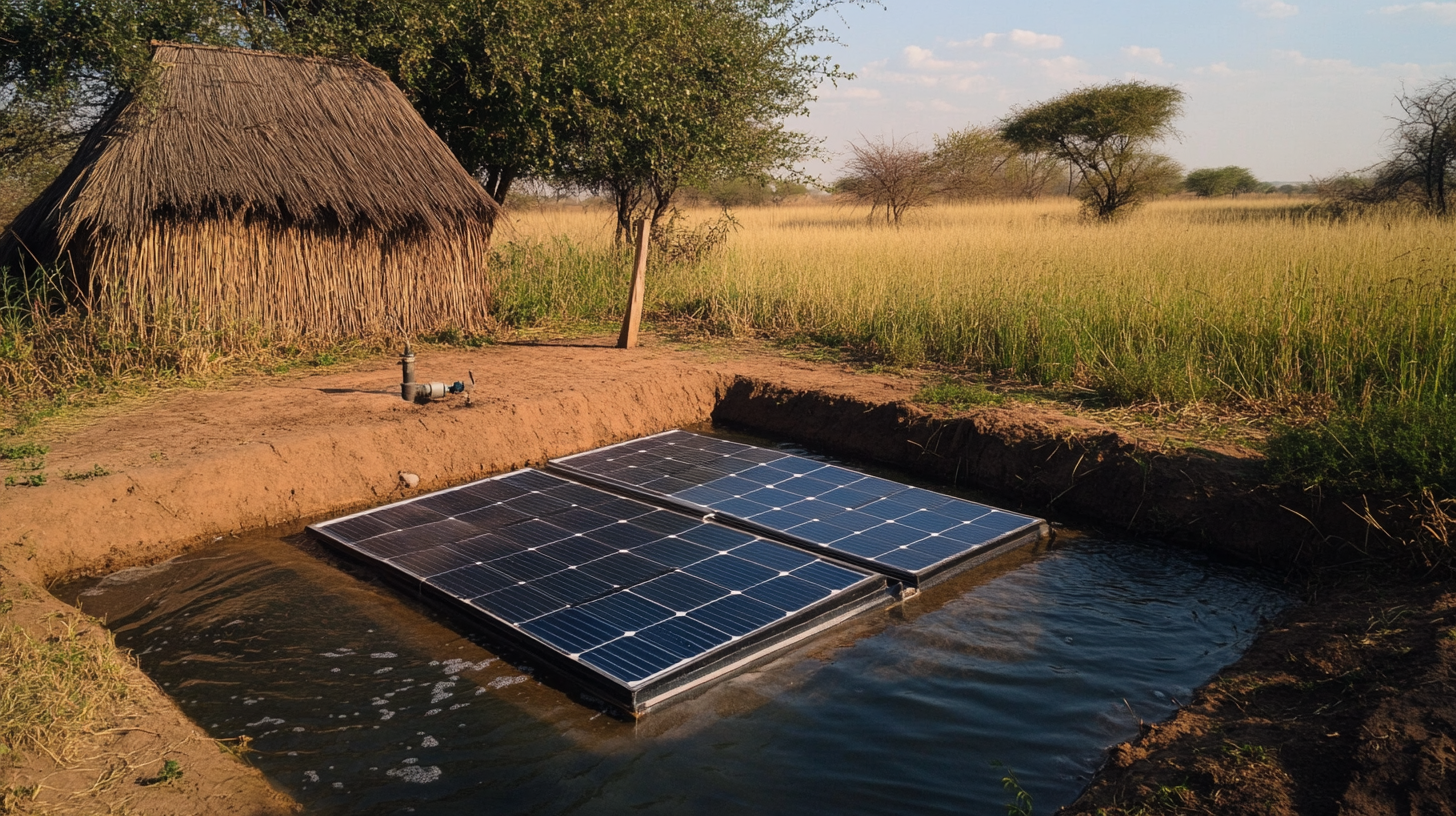
The solar water pump industry is on the brink of a technological renaissance, driven by innovative solutions that promise to enhance efficiency and accessibility. By 2025, we can expect significant advancements in photovoltaic technology, including the integration of bifacial solar panels. These panels, capable of capturing sunlight from both sides, will revolutionize how solar energy is harnessed, maximizing output and minimizing land use. This enhancement will make solar water pumps more efficient, particularly in remote areas where access to traditional power sources remains a challenge.
Furthermore, the development of smart water pumping systems, equipped with IoT capabilities, is set to transform the landscape of solar water pumps. These intelligent systems will enable real-time monitoring and management of water resources, allowing users to optimize performance based on weather conditions and water demand. Additionally, advancements in battery storage technology will provide a reliable backup for cloudy days and nighttime use, ensuring that water supply is consistent and uninterrupted. As these emerging technologies come to the forefront, the solar water pump sector is poised for a revolutionary shift, making sustainable water solutions more accessible than ever before.
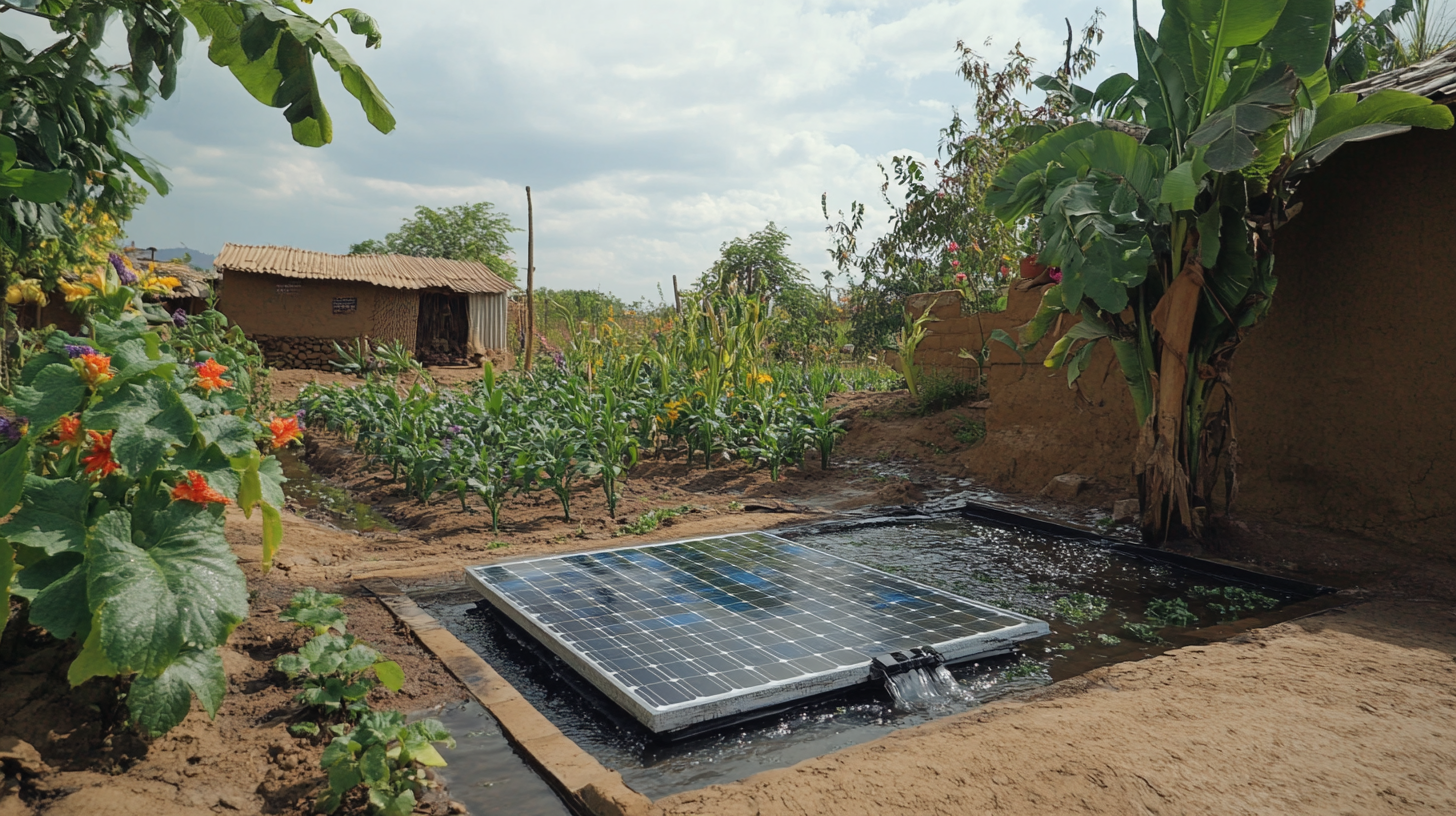
You know, next-generation solar water pump systems are really gearing up to change the game when it comes to managing water in agriculture, especially in areas where water is hard to come by. These innovative systems seriously tap into photovoltaic (PV) technology, turning sunlight right into electricity, and they come with some pretty impressive perks in terms of being efficient and eco-friendly. With more and more designs focusing on electrification, blending solar water pumps with energy-efficient heat pump technologies seems like a smart move for both irrigation and household water needs.
One thing that really stands out about these modern solar water pumps is how well they can pair up with battery storage systems. This combo means you can store up energy during those sunny stretches and then use that stored electricity when the sun isn’t shining. This kind of setup really helps keep things running smoothly, so farmers don’t have to worry about interruptions in productivity. Plus, the way agri-solar systems are designed really boosts energy and environmental efficiency. It's great because farmers can not only water their crops but also use their land to generate solar energy at the same time! Looking ahead towards 2025, it’s clear that the evolution of solar water pump tech is gearing up to make a big difference in sustainable water management all over the world.
These days, as we all start to embrace renewable energy more and more, solar water pump technology is really leading the charge in sustainable innovation. It’s pretty amazing how these systems can tap into sunlight to power pumps for irrigation, drinking water, and even industrial uses. This is such an important step toward being eco-friendly! With all the cool advancements in solar panel efficiency and energy storage, we're likely on the brink of some breakthroughs that could make solar water pumps even more effective and accessible. This means they'll be a great fit for different environments and communities all around.
Oh, and there’s also the exciting integration of smart technologies into these pumps! Picture this: with IoT gadgets, we can get real-time info about water levels, weather changes, and how the system is functioning. This kind of data means we can use our resources wisely and cut down on waste. Plus, it really backs agricultural practices that are in line with those green goals we all care about. On top of that, the push for tougher materials and better designs means these systems will be able to handle even the harshest conditions. That’s a game changer for remote and underserved areas, paving the way for a more sustainable future.
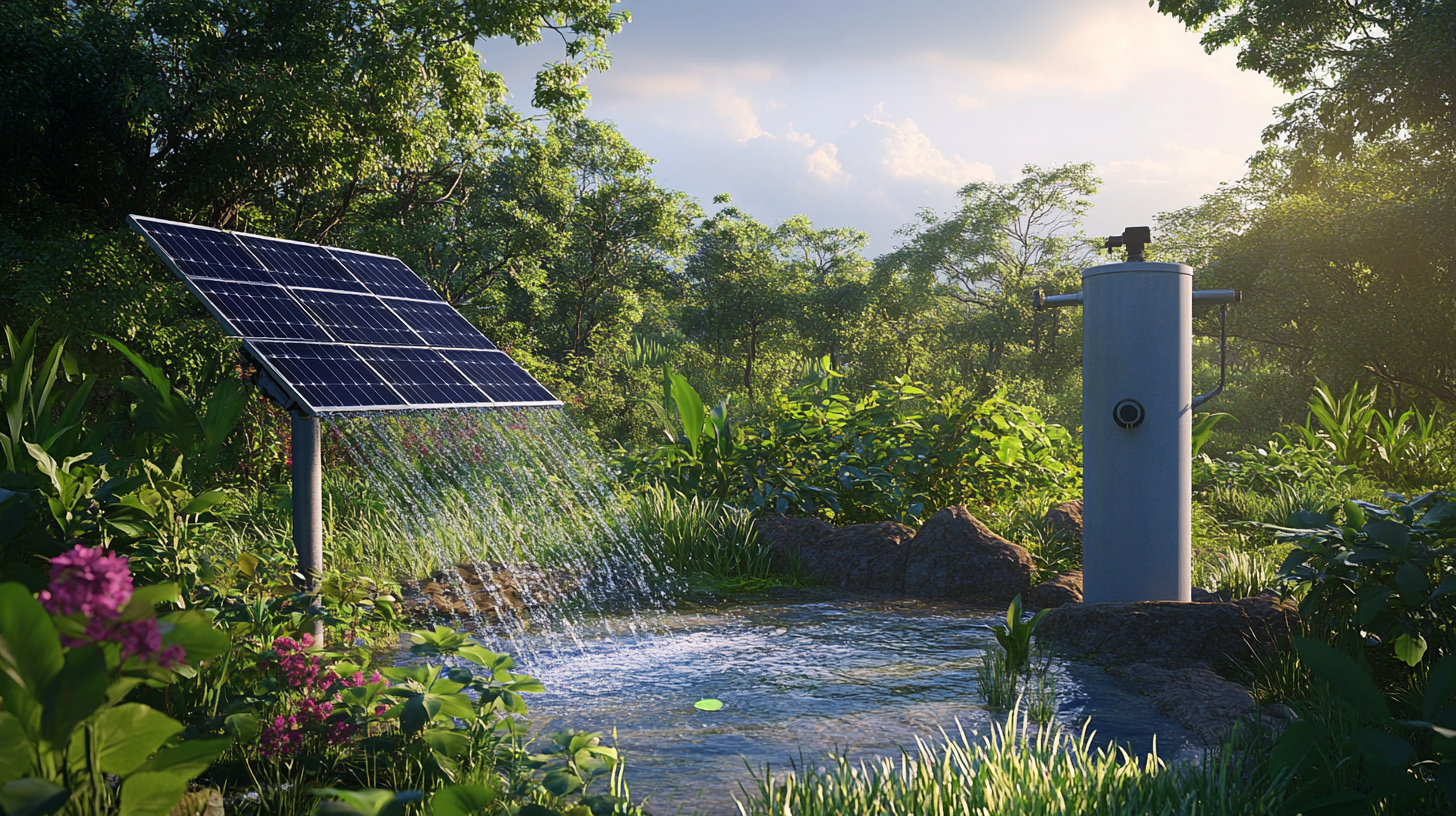
You know, the way advanced solar water pumps are impacting the economy is really starting to grab people's attention—especially when it comes to sustainable farming. Recent reports from the industry show that these solar-powered irrigation systems can help cut down operational costs a lot. For example, one study pointed out that farms using solar pumps could save as much as 60% on energy bills compared to those relying on traditional diesel pumps. That’s not just good news for the farmers' wallets but also a big win for managing water more sustainably!
And let me tell you, the tech behind these solar water pumps has come a long way! They're getting more efficient and reliable, which is great news for smaller farmers who really need this kind of support. The International Renewable Energy Agency mentioned that even though the initial cost of solar water pumps might seem high, farmers can actually make back their investment in just three to five years through savings on fuel and maintenance. Looking ahead to 2025, it's exciting to think about how the integration of IoT and smart technologies in solar pumping systems will be able to make water usage even smarter and boost crop yields. This means not only are the economic benefits for farmers likely to grow, but it’ll also keep pushing us toward a more eco-friendly way of farming.
You know, solar water pump technology is really picking up pace lately! There are so many real-world examples showing just how effective and sustainable it can be. Take rural India, for instance. Farmers there are using these solar water pumps to tap into those deep underground water sources for irrigation. It’s a game changer because it lessens their dependence on those noisy, fuel-guzzling pumps. Plus, it’s a step towards farming that’s a lot more sustainable. They’re actually able to grow more crops while keeping our natural resources safe. Pretty cool, right?
And it’s not just agriculture that’s getting a boost from these pumps; the aquaculture scene is also seeing some nifty changes. Over in Thailand and Vietnam, for example, solar-powered systems are helping with fish farming by making sure there’s a reliable water supply for the ponds. These systems are super cost-effective and you won’t believe how much they cut down on greenhouse gas emissions compared to the old-school methods. There are even some case studies showcasing how farmers and aquaculture operators are reaping great returns on their investments! It really shows how solar water pumps can change the game in water management across so many different fields.
As we look toward 2025, the solar water pump technology landscape is poised for significant advancements that could transform agricultural practices and water management systems. One of the most promising trends is the integration of smart technologies. With the increasing adoption of IoT, future solar water pumps are expected to feature real-time monitoring and data analytics capabilities. This will not only optimize water usage but also help farmers make informed decisions based on weather patterns, soil moisture levels, and other critical factors. Enhanced connectivity will ensure that these systems are not just autonomous but also responsive to dynamic environmental changes.
Additionally, the efficiency of solar water pumps is set to improve significantly through advancements in solar panel technology and battery storage solutions. Next-generation solar panels will likely have higher conversion rates and extended longevity, allowing pumps to operate more efficiently even under variable sunlight conditions. Furthermore, innovations in energy storage will ensure that water pumping can continue during low sunlight hours, enabling 24/7 operations. Such developments promise to make solar water pumps more reliable and cost-effective, ultimately expanding their adoption in remote and underserved regions where access to conventional power sources is limited.
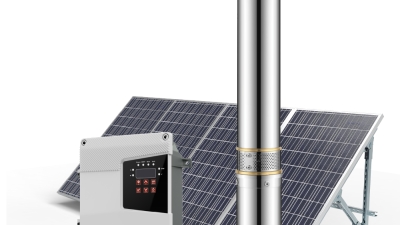
Harnessing solar energy has become a transformative solution for many communities, particularly in remote areas where electricity access is limited. The efficient 3-inch DC plastic impeller deep well copper pump represents a significant advancement in solar water pumping technology. By utilizing solar power, this pump ensures a steady and reliable water source for agriculture, livestock, and essential community needs, enabling sustainable practices that protect the environment.
These solar water pumps are designed with durability and efficiency in mind, making them ideal for diverse applications. They can effectively draw water from deep underground, providing consistent access even in challenging conditions. As farmers and communities strive for self-sufficiency, integrating solar-powered pumps into their systems offers a practical solution to combat water scarcity and promote sustainable agricultural practices.
Moreover, the use of a plastic impeller ensures that the pump is lightweight and resistant to corrosion, extending its lifespan and reducing maintenance costs. The transition to solar energy not only contributes to environmental sustainability but also offers economic benefits by lowering operational expenses. Together, these features underscore the importance of solar water pumps as a vital resource for communities striving to meet their water needs sustainably and efficiently.
: Solar water pumps are utilized for various applications including irrigation, providing drinking water, and supporting industrial processes.
By harnessing solar energy, solar water pumps reduce reliance on fossil fuels, promote eco-friendliness, and support sustainable agricultural practices.
Future solar water pumps are anticipated to incorporate smart technologies, including IoT devices for real-time monitoring and data analytics, optimizing water usage and operational efficiency.
Advancements in solar panel technology are expected to increase conversion rates and longevity, allowing solar water pumps to operate more efficiently even in varying sunlight conditions.
Innovations in energy storage will enable solar water pumps to operate continuously, even during low sunlight hours, ensuring 24/7 functionality.
Yes, solar water pumps are particularly beneficial in remote and underserved regions where conventional power sources are limited, offering a reliable and sustainable solution for water needs.
Smart technologies enhance operational efficiency by providing real-time data on water levels and weather patterns, which helps minimize resource waste and supports informed decision-making in agriculture.
The development of durable materials and designs ensures that solar water pump systems can withstand harsh environmental conditions, increasing their usability across diverse settings.
Integrating IoT devices allows for improved connectivity and responsiveness to environmental changes, optimizing the system's performance and resource management.
By providing reliable irrigation solutions that utilize renewable energy, solar water pumps enable sustainable farming methods, contributing to overall agricultural efficiency and environmental conservation.





 Mr Youkee Kong