When you're choosing the right AC pump controller, it's really important to get a good handle on the options out there. Knowing what's available can make a big difference when it comes to boosting efficiency and keeping things running smoothly. Like John Smith, who’s an expert in HVAC and works as a consultant, always says, “Picking the right AC pump controller can really save you energy and improve system reliability.” As homeowners and businesses are, naturally, looking for ways to upgrade their HVAC setups, having a solid controller is more important than ever.
With tech constantly changing, it can feel pretty overwhelming trying to sift through all the options on the market. An AC pump controller does more than just turn the pump on and off; it’s also key to balancing how much energy you use and how well the system performs. Getting that balance right is the secret to cost-effective heating and cooling. Plus, with all the modern smart features, many controllers now let you monitor and tweak your system from anywhere—adding a real boost to convenience and efficiency.
In this guide, I’ll walk you through some key tips to help you pick the best AC pump controller for your particular needs. Whether you’re upgrading your current setup or installing a new one, knowing the essential features and what to look out for will help you make a confident, informed decision that’s perfect for you.
Understanding the Basics of AC Pump Controllers and Their Functionality
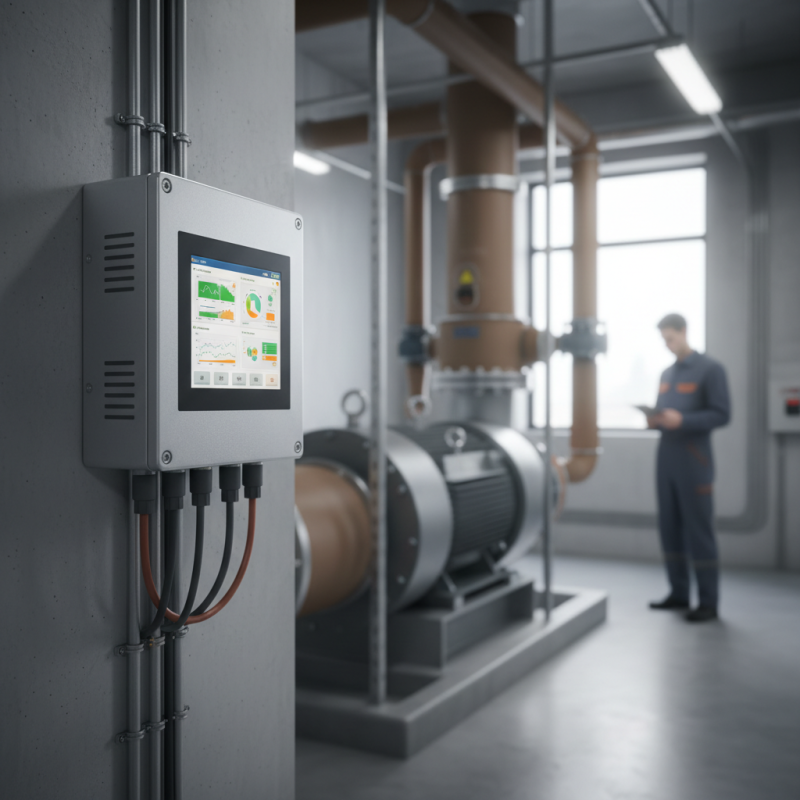
AC pump controllers play a pivotal role in optimizing the performance and efficiency of air conditioning systems. At their core, these controllers manage the operation of the pump by regulating its speed and flow based on the demands of the system. This functionality is crucial, particularly in commercial settings where energy consumption can significantly impact operational costs. According to a report by the Department of Energy, improving pump control can lead to a reduction in electricity use by as much as 30%.
Understanding the basic functionalities of AC pump controllers includes recognizing features like variable speed control, safety alarms, and user-friendly interfaces. Variable speed technology allows the pump to adjust its performance based on real-time requirements, leading to enhanced energy savings and outdoor system responsiveness. Additionally, reliable safety features help protect the HVAC system from potential failures due to overheating or electrical surges. The National Renewable Energy Laboratory highlights that systems equipped with advanced controllers not only provide cost savings but also improve longevity by reducing wear and tear on mechanical components. Thus, investing in a suitable AC pump controller can substantially enhance both efficiency and reliability in air conditioning operations.
Essential Tips for Choosing the Best AC Pump Controller for Your Needs
| Feature |
Description |
Importance |
| Compatibility |
Ensure the controller works with your specific AC pump. |
High - Incorrect compatibility can lead to failures. |
| Control Features |
Look for features like speed control, timers, and sensors. |
Medium - Enhances usability and efficiency. |
| Energy Efficiency |
Check if it has energy-saving modes or certifications. |
High - Reduces operational costs. |
| Installation Ease |
Look for products that are easy to install or come with clear manuals. |
Medium - Affects setup time and hassle. |
| Durability |
Select controllers made from long-lasting materials. |
High - Ensures long-term performance and reliability. |
| User Reviews |
Read user feedback to gauge real-world performance. |
High - Provides insights on reliability and user experiences. |
| Price |
Consider your budget and compare similar products. |
Medium - Ensure you're getting good value for your investment. |
Key Features to Look for in an Efficient AC Pump Controller
When selecting an AC pump controller, key features can significantly impact the efficiency and efficacy of your pump operations.
Firstly, look for a controller with advanced monitoring capabilities that provide real-time data on performance metrics such as flow rate, pressure, and energy consumption.
This data not only helps in diagnosing potential issues early but also allows for optimization of pump performance, enhancing overall system efficiency.
Another important feature to consider is the adapt ability of the controller to various operating conditions.
A versatile controller that can handle different types of pumps and configurations allows for greater flexibility in system design and modifications.
Additionally, consider the ease of installation and user-friendly interface, which can save time and resources during setup and operation.
A robust controller that integrates well with existing systems will ensure a seamless user experience and reliable performance.
Evaluating Compatibility: Ensuring Your Controller Works with Your Pump
When selecting an AC pump controller, compatibility with your existing pump is paramount. To ensure efficient operation, it is essential to verify that the controller is designed to work with the specific type of pump you have. Start by checking the specifications of both the pump and the controller, including voltage ratings, amperage, and signal compatibility. If the controller cannot match the pump’s requirements, it can lead to operational issues, reduced performance, or even damage to the equipment.
Another important factor to consider is the communication protocol between the pump and the controller. Some systems utilize analog signals, while others may rely on digital communication. Understanding these details will help you choose a controller that not only fits your pump’s requirements but also integrates seamlessly into your overall system setup. It may also be beneficial to consult the manufacturer's documentation or seek expert advice if you're uncertain about compatibility. Ensuring these elements are aligned will allow for optimal performance and longevity of your pump controller system.
Assessing Energy Efficiency Ratings for Cost-Effective Operation
When it comes to selecting the right AC pump controller, energy efficiency should be at the forefront of your decision-making process. According to the U.S. Department of Energy, heating and cooling systems account for nearly 50% of the energy consumption in a typical American home. This makes assessing energy efficiency ratings, such as SEER (Seasonal Energy Efficiency Ratio) or EER (Energy Efficiency Ratio), crucial for ensuring a cost-effective operation. An efficient controller can significantly reduce energy consumption and lower utility bills, making it a worthy investment for homeowners and businesses alike.
Tip: Check for controllers that offer variable speed operation. These models adjust the pump’s speed based on demand, ensuring the system runs efficiently without being overworked. Reports indicate that variable speed systems can enhance energy savings by up to 30%, compared to traditional single-speed options.
Additionally, consider systems that use advanced technology to monitor and optimize the energy usage. Smart controllers with built-in sensors can provide real-time data and adjustments, leading to more efficient operation. The International Energy Agency highlights that integrating smart technology with HVAC systems can lead to reductions in energy use of up to 10-30%.
Tip: Look for Energy Star certified products, as they meet strict efficiency guidelines set by the EPA. Investing in these products ensures a significant performance boost while promoting environmental sustainability.
The Importance of User Interface and Control Options in Pump Controllers
When selecting an AC pump controller, the user interface and control options play a pivotal role in maximizing efficiency and ensuring ease of use. A well-designed user interface allows for quick adjustments and real-time monitoring, which is crucial for maintaining optimal performance in HVAC systems. According to a recent industry report from the International Society of Automation, systems that feature intuitive interfaces reduce troubleshooting times by up to 30%, allowing operators to focus on more critical tasks.
Tips for choosing the right AC pump controller include evaluating the accessibility of control options. Look for controllers that offer both manual and automated settings. This flexibility allows users to tailor operations according to specific needs, such as seasonal changes or varying load conditions. Additionally, controllers equipped with advanced features like data logging and remote monitoring capabilities can significantly enhance operational efficiency. A study conducted by the American Society of Heating, Refrigerating and Air-Conditioning Engineers indicates that the ability to remotely access and control systems can lead to energy savings of 15% or more annually.
Furthermore, consider the compatibility of the pump controller with existing systems. A diverse range of protocol options can ensure seamless integration, making it easier to implement without major overhauls. As the market for smart building technologies continues to grow, prioritizing user-friendly interfaces and versatile control options will be essential for optimizing functionality in modern HVAC setups.
Analyzing Market Trends: Cost vs. Performance in AC Pump Controllers
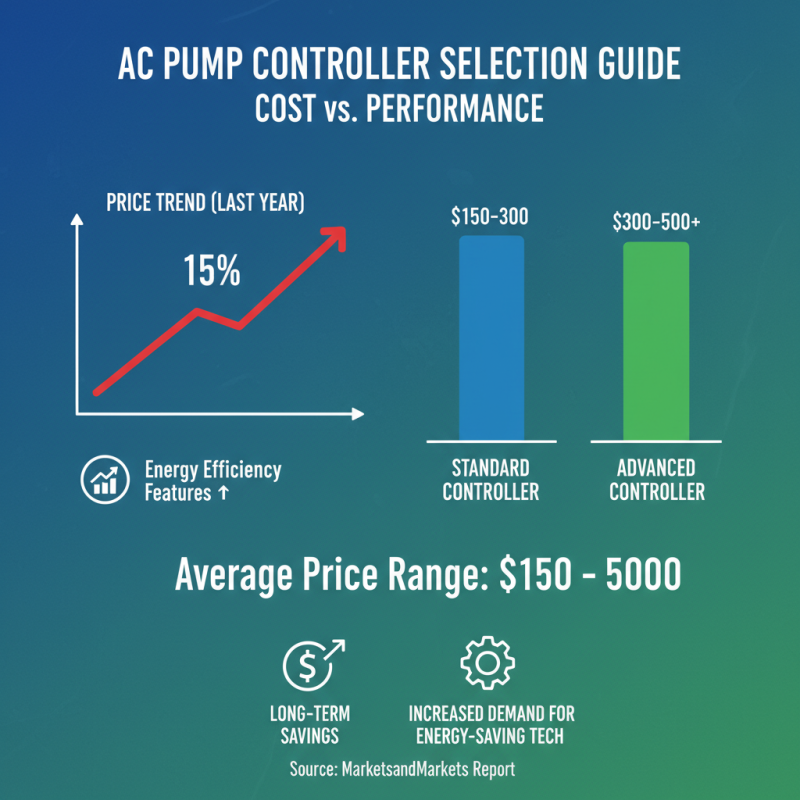
When selecting an AC pump controller, understanding the balance between cost and performance is crucial. Recent market analysis indicates that the average price range for quality AC pump controllers is between $150 to $500, depending on features and capabilities. A report by MarketsandMarkets highlights a growing trend where performance-oriented controllers, particularly those with advanced energy efficiency features, have seen a price increase of about 15% over the past year. This uptick can be attributed to rising demand for energy-saving technologies amidst increasing energy costs, as businesses seek long-term savings on electricity bills.
Additionally, performance metrics such as energy efficiency ratios (EER) and total harmonic distortion (THD) are becoming key differentiators in the market. According to a study published by the International Energy Agency, investing in high-performance AC pump controllers can lead to energy savings of 20-40%, reinforcing the notion that higher upfront costs can result in significant long-term benefits. Furthermore, the report emphasizes the importance of durable materials and advanced control algorithms, which not only enhance performance but also extend the lifespan of the equipment. As users weigh their options, they must carefully consider these factors to ensure they are making a well-informed investment tailored to their specific needs.
Expert Recommendations on Leading Brands and Models for AC Controllers
When selecting an AC pump controller, it is essential to consider both reliability and functionality. Leading brands in the market have established reputations for producing high-quality equipment that meets diverse requirements. Look for models that offer advanced features such as programmable timers, variable speed control, and smart technology compatibility. These features can enhance energy efficiency and prolong the lifespan of your components, ultimately saving you money in the long run.
Additionally, it's wise to pay attention to user reviews and expert opinions on various models. Some controllers are lauded for their ease of installation and intuitive interfaces, making them ideal for both DIY enthusiasts and professional installers. Furthermore, consider the customer support services offered by manufacturers; a responsive support team can be invaluable when troubleshooting issues or seeking guidance on maintenance practices. By focusing on user-friendly designs and dependable customer service, you can ensure that your chosen AC pump controller will meet your needs effectively.
FAQS
Compatibility is crucial because the controller must work with your specific type of pump to ensure efficient operation and avoid issues like reduced performance or equipment damage.
Check the specifications of both the pump and the controller, including voltage ratings, amperage, and signal compatibility, and ensure they match. Understanding the communication protocol used in your system is also vital.
Yes, features such as programmable timers, variable speed control, and smart technology compatibility can significantly enhance energy efficiency and prolong the lifespan of your components.
User reviews provide insights into the ease of installation, functionality, and reliability of various models, helping you choose the right controller for your needs.
Good customer support is essential as it can assist with troubleshooting issues and offer guidance on maintenance practices, ensuring the longevity and efficiency of your pump controller.
A robust controller integrates well with existing systems, ensures reliable performance, and offers greater flexibility in system design and modifications.
Advanced monitoring allows for early diagnosis of potential issues and enables optimization of pump performance, enhancing overall system efficiency.
The ease of installation and a user-friendly interface can save time and resources during setup and operation.
Focus on models that offer reliability, advanced functionality, and features that cater to your specific operational needs for optimal performance.
Conclusion
When choosing an AC Pump Controller, it's essential to understand its basic functionalities, which include regulating the operation of the pump to ensure optimal performance. Key features to look for in an effective AC Pump Controller are compatibility with your existing pump, energy efficiency ratings for cost-effective operation, and a user-friendly interface that allows for easy control options.
As market trends indicate a balancing act between cost and performance, evaluating these parameters will help in selecting a controller that meets both your operational needs and budget constraints. Additionally, focusing on expert recommendations can provide valuable insights into the leading options available in the market, guiding you toward making an informed decision that enhances your pumping system's efficiency and reliability.









 Mr Youkee Kong