Picking out the right small solar water pump can actually be more tricky than you might think. With so many options out there, it’s totally normal to feel a bit overwhelmed. I mean, you’ve gotta think about stuff like how efficient it is, how much it costs, and how durable it’s gonna be in the long run. Every pump has its own little tricks and features, so finding the one that clicks with your needs takes a bit of pondering.
Honestly, the best small solar powered water pump for you really depends on what you’re using it for. Are you watering your garden, maintaining a pond, or maybe supplying water for farm animals? Figuring out what you actually need can really help cut down your options. Keep an eye on things like flow rate and how big the solar panel is—that stuff makes a big difference in how well it performs.
Taking some time to do a bit of research upfront is definitely worth it. It can save you from making costly mistakes later on. If you end up with a pump that doesn’t quite fit your situation, you’ll just end up frustrated. Don't be afraid to ask for advice, and really think through your options. When you do that, you’re much more likely to find a small solar water pump that actually works well for you and meets your needs without any hassle.
Understanding the Basics of Small Solar Water Pumps
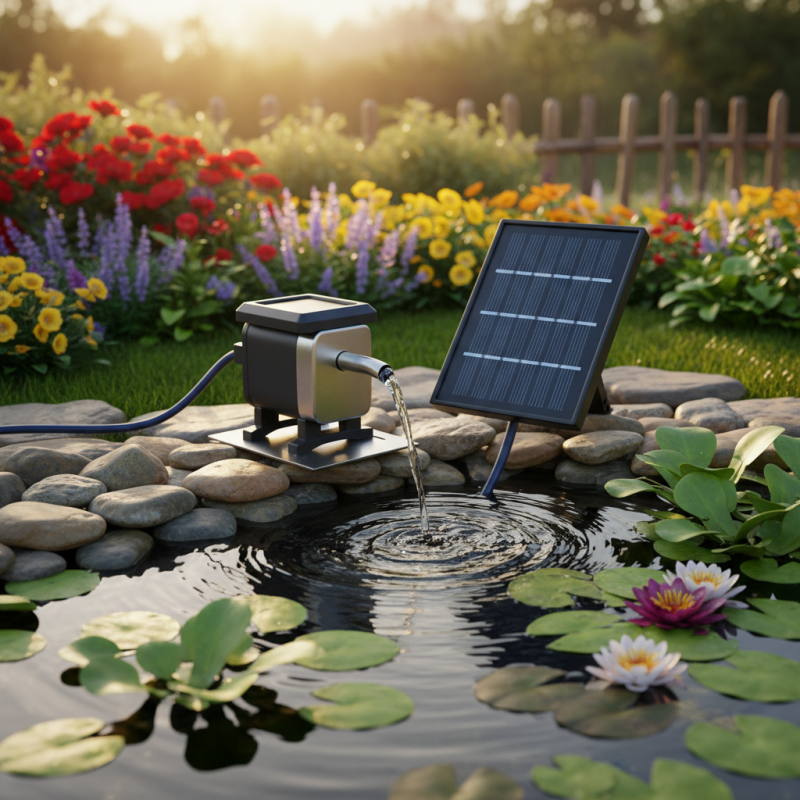
Understanding the basics of small solar water pumps can be enlightening. These pumps are designed to operate using solar power. They are eco-friendly and can be used for a variety of applications. For instance, they are great for garden irrigation, ponds, and even livestock watering.
When selecting a solar water pump, consider the flow rate. This determines how much water the pump can move. Matching the flow rate to your needs is crucial. If it’s too low, your garden may not thrive. If it’s too high, it wastes energy.
Additionally, think about the pump's solar panel size. A larger panel generates more energy. However, fitting it in your space can be challenging. Battery storage is another aspect to ponder. This allows for water pumping even on cloudy days. Understanding these details helps ensure you make the right choice. Many people overlook these aspects, leading to frustration later on.
Evaluating Your Water Needs and Pump Specifications
When evaluating your water needs, it's vital to consider both the volume and flow rate. Think about how much water your garden or water feature requires daily. Studies show that average garden fountains need about 300 to 500 gallons per week. However, your unique setup could require more or less. A Small Solar Pump For Water Feature applications must meet these specific demands efficiently.
Next, focus on pump specifications. Check the power output and efficiency rating. Many small solar pumps operate at about 10 to 50 watts, providing a range of flow rates. A report from Renewable Energy World suggests that efficiency varies widely among different models. Look for options that offer adjustable flow settings. This versatility allows you to adapt as your garden grows or changes.
Remember to reflect on your local environment. Seasonal changes can influence water availability and pump performance. A pump that works well in summer may struggle in winter months. Also, consider solar panel size and orientation for optimal energy absorption. Not every setup will perform flawlessly in different conditions, so continuous evaluation is essential for long-term satisfaction.
Assessing Solar Power Requirements for Pump Efficiency
When assessing solar power requirements for a small solar water pump, it’s vital to focus on efficiency. Each pump operates differently based on its design and intended use. A precise understanding of the system's energy needs is essential. Consider factors like total lift, flow rate, and the pump's operating hours.
The solar panel's output must match the pump's requirements. This means knowing how much sunlight is available in your location. Inconsistent sunlight can affect the pump’s performance. Ideally, select a solar water feature pump that can function well even in low-light conditions for better reliability.
Energy losses can occur if the system isn’t sized correctly. If the pump runs for shorter periods, it might not provide enough water pressure. Analyze your needs carefully before making a purchase. A mismatch between the panel output and pump consumption requires reflection. Choose wisely, and don't rush the selection process. Proper planning pays off in the long run.
Choosing the Right Type of Solar Water Pump for Your Application
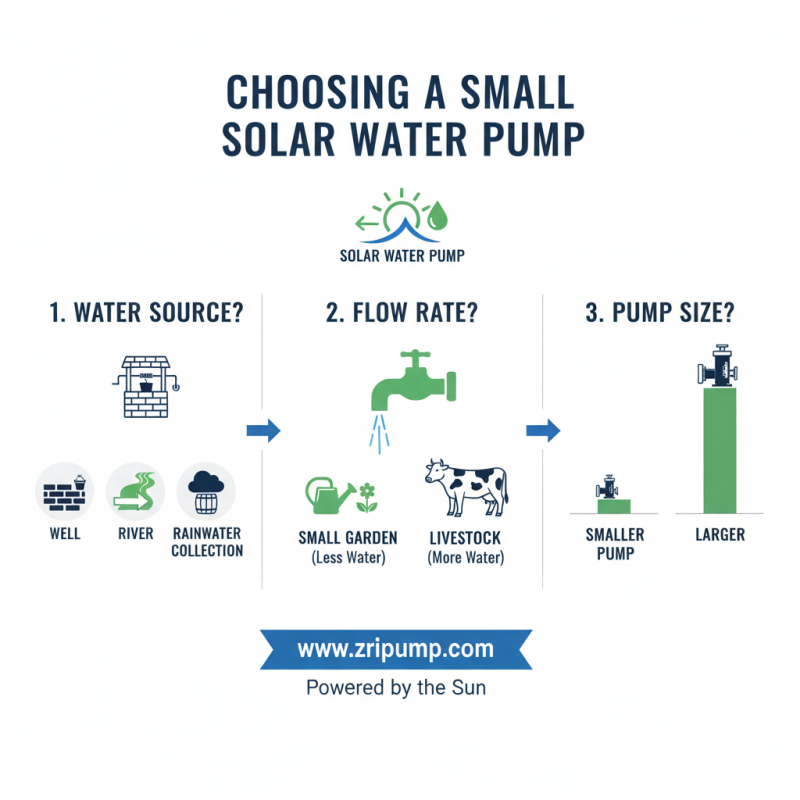
When choosing a Small Solar Water Pump, it's critical to consider your specific application. Determine the water source you will be using. Will you draw water from a well, river, or rainwater collection system? Understanding your water source helps you select the right pump size. Pumps vary in flow rates, so estimate how much water you need daily. A small garden may require less than a livestock operation.
The efficiency of the solar panel is another essential factor. Look for solar panels that match your pump’s requirements. Higher efficiency panels may cost more, but they provide better performance. Battery storage is also worth considering. If your pump needs to operate during cloudy days, a backup system is beneficial. Balance cost and functionality when making decisions. Sometimes, overspending on extra features can lead to regret later.
Lastly, consider the installation process. Some pumps are user-friendly, while others require professional assistance. Assess your skill level to avoid frustration. Research how often maintenance is needed for the Small Solar Water Pump you choose. A pump that requires frequent care might not be ideal. Take your time to reflect on these points before making a selection.
Exploring Different Pump Materials and Durability Factors
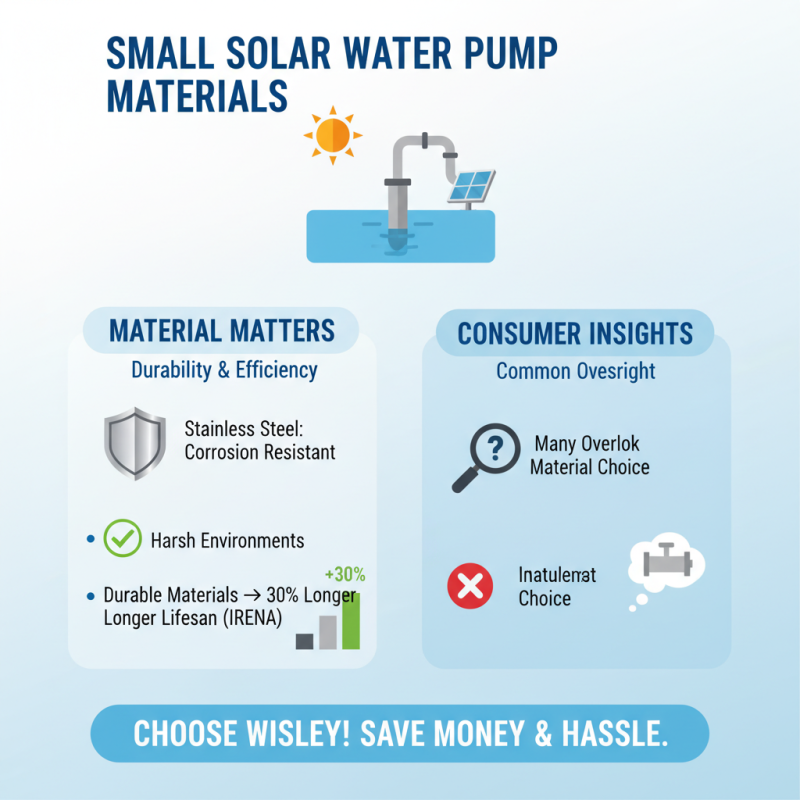
When considering a small solar water pump, the materials used in its construction are crucial. The choice of materials affects durability, efficiency, and cost. For instance, pumps made from stainless steel tend to offer greater resistance to corrosion. This can be especially important in harsh environments. According to a report by the International Renewable Energy Agency (IRENA), durable materials can extend pump lifespan by nearly 30%. However, many consumers overlook this detail.
Plastic materials are common but come with trade-offs. While they are lightweight and less expensive, they may not withstand extreme temperatures or UV exposure as well as metal alternatives. A study published in the Journal of Cleaner Production emphasizes the importance of selecting components designed for long-term exposure to sunlight. The report indicates that around 40% of solar pumps fail due to material degradation over time. This could mean increased maintenance and replacement costs for users.
Moreover, the type of seals used in the pump can affect its overall durability. Rubber seals may deteriorate faster than silicone or other synthetic options. The durability of these materials is not often highlighted in product descriptions. Users often regret not exploring these factors further. Therefore, deeper research into pump components could save money in the long run.
Considering Budget Constraints and Long-Term Costs
When choosing a small solar water pump for your fountain, budget is crucial. Initial costs can be low, but hidden expenses often arise. Consider installation fees, maintenance, and potential repairs. A cheap pump might save you money upfront but could lead to more expenses later. Always calculate the total cost of ownership before making a decision.
Long-term efficiency is another factor. A pump with higher energy output can reduce energy use and costs. Look for systems that offer good warranties. They often indicate reliability. Think about the water source too. Some pumps may not work well in low-water conditions, leading to increased costs over time.
When evaluating options, also consider performance ratings. They are not always accurate. Read reviews and seek user experiences. Reflect on your specific needs. A Small Solar Water Pump For Fountains might require different features than one for irrigation. Make sure you choose wisely to avoid regret later.
Researching Brand Reputation and Customer Reviews for Reliability
When choosing a small solar water pump, brand reputation and customer reviews play crucial roles. A strong brand usually signifies reliability. But, don’t trust every claim. Investigate further. Look for customer feedback on performance and durability. Reviews can reveal potential issues. They often highlight problems not mentioned in promotional materials.
Seek out real user experiences. Some may report short operational lifespans or inadequate power output. These insights are invaluable. Pay attention to both positive and negative reviews. They give perspective on what to expect. You might find a good product that requires tweaks to function best.
Another useful tip is to consult online forums. Community discussions can shed light on hidden gems or known pitfalls. People often share installation tips. Some might recommend tweaks for better efficiency. Engaging with these communities may lead to a better purchasing decision. There is always more to learn. Expand your perspective before making a commitment.
Harnessing Sunlight: The Benefits of the 6SC Solar Powered Water Well Pump for Sustainable Agricultural Irrigation
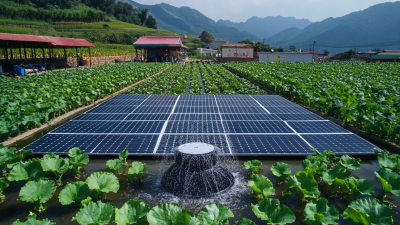
In the quest for sustainable agriculture, the integration of renewable energy sources has proven to be transformative. One of the standout innovations in this domain is the solar-powered water well pump, particularly the 6SC model. By harnessing sunlight, this technology offers a reliable and eco-friendly solution for irrigation, making it especially advantageous for farmers looking to optimize their resources while minimizing environmental impact.
Solar-powered pumps operate efficiently by converting solar energy into mechanical energy, thereby providing a constant supply of water for crops, even in remote or off-grid locations. The benefits of such a system extend beyond just energy savings; they also significantly reduce water wastage. By utilizing solar energy, farmers can maintain consistent irrigation schedules that are crucial for crop health, ensuring that plants receive adequate hydration without the drawbacks of traditional fuel consumption or electricity costs.
Furthermore, the 6SC solar-powered well pump contributes to a sustainable agricultural ecosystem by promoting independence from fossil fuels. This shift not only lowers operational costs but also supports environmental stewardship. As sustainable practices become increasingly vital in agriculture, the adoption of solar-powered solutions is a promising step towards a future where farming is both productive and environmentally friendly.
Conclusion
When choosing a Small Solar Water Pump, it's essential to start with a solid understanding of how these systems work. Begin by evaluating your specific water needs, as this will guide your selection of pump specifications such as flow rate and head height. Assessing the solar power requirements is crucial for ensuring that your pump operates efficiently in various conditions.
Next, consider the different types of solar water pumps available and choose one that aligns with your intended application, whether it's for irrigation, livestock, or general water supply. Material durability is another factor; opting for pumps made from high-quality materials can prolong their lifespan. Don't forget to factor in your budget and potential long-term costs, as well as researching brand reputations and customer reviews to make a reliable choice. By following these guidelines, you can confidently select the right Small Solar Water Pump for your needs.






 Mr Youkee Kong