Picking out the perfect solar water pump can honestly feel a bit overwhelming. I mean, with so many options out there, it’s really important to find one that actually fits your needs. A solar water pump is such a cool, eco-friendly solution—whether you’re looking to water your garden, fill a pool, or handle other water tasks. Brands like Sunny Pump and EcoFlow offer a range of models, from basic solar-powered pumps to more advanced DC screw-type bore pumps.
When you’re looking into a solar bore pump, one thing to keep in mind is how much it’s gonna cost—those prices can vary a lot depending on the features and how efficient the pump is. Brushless DC solar water pumps are often more dependable and tend to run quietly, which is a huge plus if you’re worried about noise. But here’s the thing—no pump works perfectly in every situation, so it’s good to be cautious.
Even though a solar-powered DC submersible pump might seem like a no-brainer in terms of efficiency, don’t forget that installation and maintenance can get a bit tricky. Sometimes you need to think it through a little more—like, how much sunlight does your location actually get? Adjusting your expectations based on that is pretty important. In the end, finding the right solar water pump isn’t just about picking the fanciest one; it takes a little research and some thoughtful consideration.
Understanding Solar Water Pumps and Their Benefits
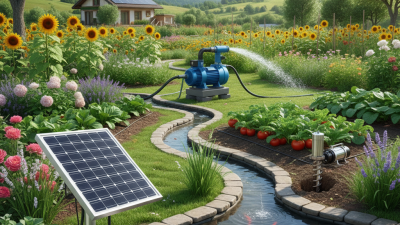
Solar water pumps are a smart solution for many irrigation needs. These pumps harness solar energy, making them environmentally friendly. They can work in remote areas without electricity. A well-designed solar system can efficiently pump water for gardens and livestock.
One key benefit of solar water pumps is their low operating cost. Once installed, they require minimal maintenance. Owners often notice savings on energy bills. However, the initial setup can be a challenge. Selecting the right Solar Dc Surface Water Pump requires research and consideration. Not every pump suits every application. Factors like water source, pressure, and volume should be evaluated closely.
While a solar water pump offers numerous advantages, users might face obstacles. The variability of sunlight can affect performance. During cloudy days, water flow may be reduced. It's essential to plan for these fluctuations. Assessing local weather patterns will help in making informed decisions. This ensures the pump will meet your water needs adequately. Always remember, choosing a solar pump involves careful thought and planning.
Key Factors to Consider When Selecting a Solar Water Pump
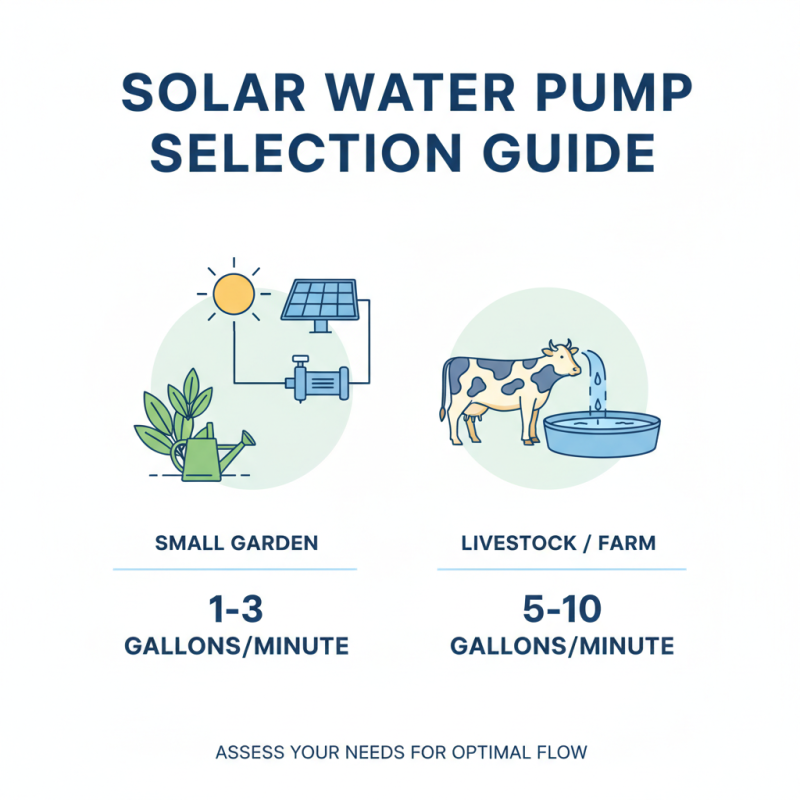
When selecting a solar water pump, several key factors come into play. The pump's flow rate is crucial. According to a recent industry report, a solar water pump should ideally meet your specific water supply needs. For example, if you need to irrigate a small garden, a flow rate of around 1-3 gallons per minute might suffice. However, larger applications, like livestock watering, may require 5-10 gallons per minute. It's important to assess your requirements carefully.
Another factor to consider is the pump's solar panel size. The effective panel capacity determines how much energy the pump generates. A study showed that a panel size of at least 100 watts is advisable for moderate to heavy use. However, many users don't fully consider sunlight availability. Seasonal changes can affect performance. If you live in a cloudy area, this may lead to inconsistent water delivery.
Finally, the durability and maintenance of the pump matter significantly in the long run. Many pumps encounter issues due to poor material quality. Reports suggest that while initial costs may be lower for cheaper models, they can require frequent repairs. This can lead to frustration and unexpected expenses. Balancing cost with quality is essential, but not everyone fully understands this. Choosing wisely ensures better reliability and longevity for your solar water pumping system.
Evaluating the Power Requirements for Your Water Pump
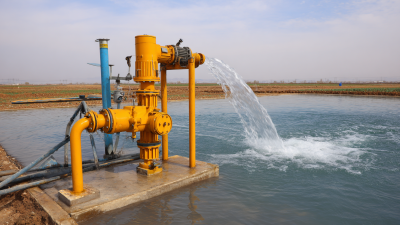
Choosing the right solar water pump requires careful evaluation of power needs. The power requirement directly affects the efficiency of your system. Understanding your specific water needs is essential. Calculate the volume of water you need to pump daily. A higher volume requires more power. This leads to considering the possible options for the Surface Solar Water Pump.
Tip: Always check the wattage of the pump. This determines how well it performs under different conditions. An underpowered pump may struggle, especially in low sunlight. Ensure that the solar panels can generate enough energy for your pump, even on cloudy days.
Another important factor is the depth of your water source. Deeper sources need pumps with higher power ratings. If you overlook this, you may face unsatisfactory results. Examine both the lift needed and the distance the water will be transported. Misjudgment can lead to wasted effort and resources.
In conclusion, evaluating power requirements is crucial in selecting the right pump. It impacts efficiency, performance, and overall satisfaction. A well-informed choice ensures that your Surface Solar Water Pump serves you well.
Assessing Pump Performance and Flow Rate Specifications
When choosing a solar water pump, assessing pump performance and flow rate specifications is crucial. Flow rate indicates how much water a pump can move in a given time. This information is usually expressed in liters per minute (LPM) or gallons per hour (GPH). A report by the International Renewable Energy Agency notes that the expected flow rate can vary significantly among models, often ranging from 2 to 50 LPM. This variability can impact your water supply needs drastically.
Moreover, consider the pump's total dynamic head (TDH), which refers to the height the pump can lift water. TDH affects the system's efficiency. Data indicates that pumps with a higher TDH often come with lower flow rates. This means you have to balance the two based on your requirements. It can be challenging to find the right fit. Too often, potential buyers invest in a pump that either underperforms or fails to meet their specific needs.
The efficiency rating is another area that deserves attention. Many users overlook this factor. A pump might have a good flow rate but could be inefficient in energy use. According to industry studies, highly efficient pumps can save up to 30% more energy than their less efficient counterparts. A detailed review of specifications is essential to ensure that the pump aligns with both financial and operational expectations. Without this careful assessment, users risk disappointment and financial losses.
Top 5 Tips for Choosing the Best Solar Water Pump
This chart illustrates the average flow rate (in liters per minute) of various solar water pumps based on performance specifications, helping users make informed decisions when selecting a suitable pump.
Choosing the Right Solar Panel Size and Type
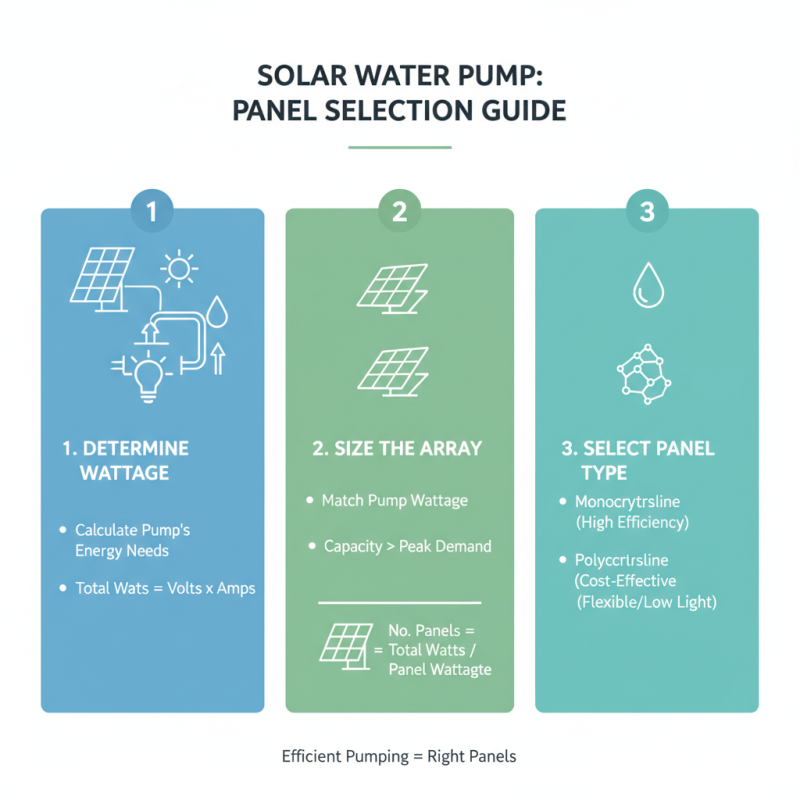
Choosing the right solar panel size and type is crucial for an efficient solar water pump system. When selecting solar panels, start by considering the energy requirements of your water pump. Calculate the total wattage needed. This will help you determine how many solar panels are necessary. It’s essential to have enough capacity to power your pump during peak demand hours.
Next, think about the type of solar panels. Monocrystalline and polycrystalline panels are popular options. Monocrystalline panels are more efficient but often pricier. Polycrystalline panels provide a more budget-friendly option, yet they are slightly less efficient. Reflecting on these choices can be tricky. It's easy to overlook how local climate conditions affect performance. Some panels perform better in low-light conditions.
Don't forget to consider the physical space available for installation. Larger panels may not fit in tight areas. Additionally, ensure the angle and direction maximize sunlight exposure throughout the day. This can significantly impact overall efficiency. In the wrong placement, even the best panels may yield disappointing results. Finding the perfect balance between size, type, and installation can take time and experimentation.
Exploring Installation and Maintenance Options
Installing a Solar Water Pump can be straightforward, but attention to detail matters. Choose a location that maximizes sunlight exposure. Shade from trees or structures can reduce efficiency. Optimize the angle of the solar panels for better performance. Failing to do so can lead to less energy production.
Maintenance is another crucial aspect. Clean the solar panels regularly to keep them dirt-free. Dust and debris can significantly hinder performance. Check the pump for any signs of wear or blockages. Remember, neglecting minor issues can lead to larger problems later on.
Consider seasonal changes in your maintenance routine. Winter might bring snow that can cover panels. In contrast, summer could require more frequent cleaning due to increased dust. Always be prepared to adjust your care approach. Balancing installation with thoughtful maintenance ensures your Solar Water Pump operates efficiently.
Budgeting for Your Solar Water Pump System
When budgeting for your solar water pump system, several factors come into play. Start by identifying your water needs. Consider how much water you'll require daily. Think about usage patterns and the needs of your garden or home. This will help you avoid overspending on unnecessary capacity. It's easy to underestimate these factors, leading to expensive adjustments later.
Next, look at your local solar resources. The sun’s intensity varies based on location and season. A deeper understanding of your environment can save you money. You might need more panels if your area has limited sunlight. For example, a Deep Submersible Solar Water Pump might require additional solar panels to function efficiently in cloudy regions.
Don’t forget installation costs. Many people overlook this significant factor. Whether you hire professionals or do it yourself, understand the expenses involved. Financing options can also affect your budget. Make sure to explore them. Keep in mind that ongoing maintenance will add to costs over time. An initial low price can turn sour if upkeep is expensive or complicated. Balancing these elements ensures you stay within your budget while securing a functional system.
Choosing the Right 3 Inch DC Deep Well Screw Solar Water Pump for Sustainable Water Solutions
When it comes to sustainable water solutions, selecting the right 3-inch DC deep well screw solar water pump is crucial. These pumps harness the power of sunlight to efficiently draw water from deep underground, making them an ideal choice for areas without access to traditional energy sources. By utilizing solar energy, these pumps significantly reduce carbon footprints while providing reliable water supply for agricultural, residential, or industrial uses.
A 3-inch DC deep well screw solar water pump is designed specifically to withstand the challenges of deep well applications. With their robust construction and efficient motor systems, they can operate effectively even in the harshest conditions. The integration of solar technology not only minimizes operational costs but also ensures a sustainable water supply year-round. This innovative approach helps to conserve water resources and empowers communities to take control of their water systems with resilience against climate fluctuations.
By choosing the appropriate solar water pump, users can address their specific needs while contributing to a more sustainable future. Investing in such technology not only supports eco-friendly practices but also fosters independence from traditional power grids, promoting a more self-sufficient approach to water management.
FAQS
: Calculate the volume of water you need daily. Higher volumes require more power.
Wattage indicates performance under various conditions. An underpowered pump struggles in low sunlight.
Deeper sources need pumps with higher power ratings. Overlooking this can result in poor performance.
Choosing a sunny location is critical. Shade can significantly reduce efficiency.
Clean the solar panels regularly. Dust and debris can hinder performance and efficiency.
Winter snow may cover panels, requiring adjustments. Summer dust may need more frequent cleaning.
Identify daily water needs and local sunlight intensity. Avoid overspending on unnecessary pump capacity.
Many forget to account for professional help or DIY expenses. Understand these costs before committing.
Initial low prices can become expensive with complex upkeep. Factor in maintenance when budgeting.
Underestimating water needs or ignoring installation angles can lead to wasted effort and resources.
Conclusion
When choosing the best Solar Water Pump, it's crucial to understand their benefits, including energy efficiency and environmental advantages. Key factors to consider include the power requirements specific to your needs, as well as the pump's performance and flow rate specifications. Evaluating these aspects ensures that the chosen pump will meet your water supply demands effectively.
Additionally, selecting the right solar panel size and type is essential for optimizing the pump’s performance. Consideration of installation and maintenance options will help in maintaining the system's efficiency over time. Lastly, budgeting for your Solar Water Pump system will determine the feasibility of your investment, ensuring you get the most value from your purchase while contributing to sustainable energy use.





 Mr Youkee Kong