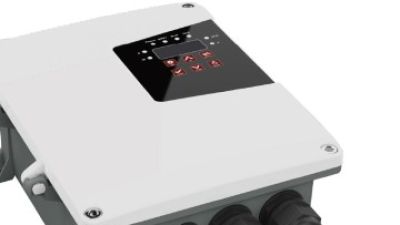
These days, with everyone being so conscious about energy use, the AC Pump Controller really plays a crucial part in keeping things running smoothly. When you pick a good, efficient controller, it can cut down your energy bills quite a bit, all while keeping the system working like a well-oiled machine. But, honestly, choosing the right one isn’t just about picking the fanciest model; it’s about understanding what your particular setup needs and how your system operates.
A lot of folks run into issues with their AC Pump Controllers not performing as they should. And honestly, a common mistake is ignoring proper maintenance or skipping over installation details. It’s super important to keep in mind how different system parts can influence overall performance. For example, using mismatched components can really drag things down in terms of efficiency. The right, reliable controller helps make sure that your water distribution setup runs smoothly and doesn’t chew up more energy than necessary.
Also, tossing in newer tech like the Solar Pump Controller can seriously help cut energy consumption. But, sad to say, a lot of installations don’t take full advantage of these smarter options. So, think about it — are you really making the most out of your system? Paying attention to these details can mean better performance, lower costs, and a step towards more sustainable practices overall.
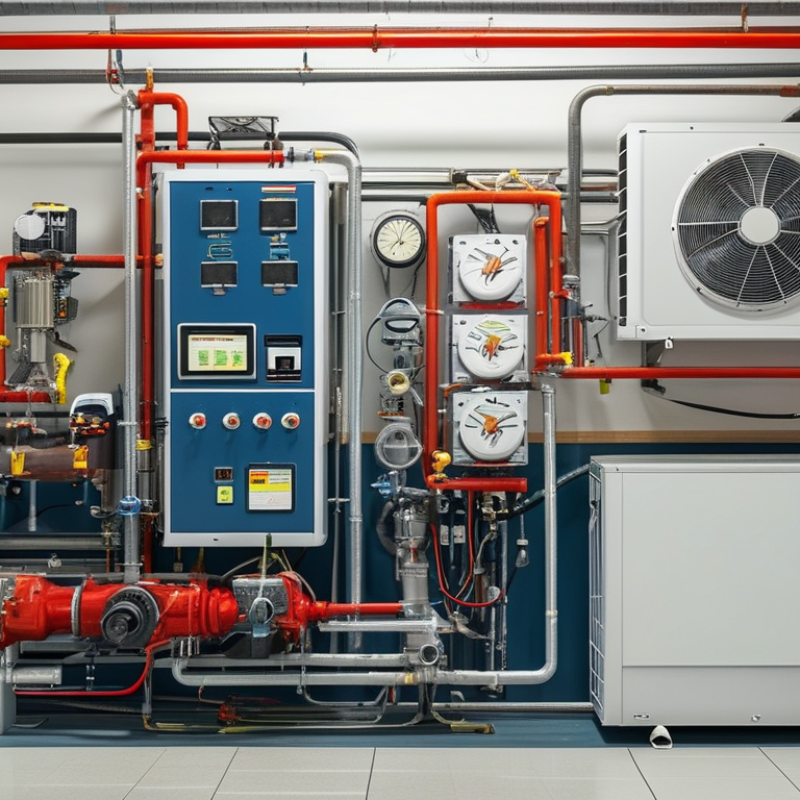
Understanding AC Pump Controllers and Their Importance
Understanding AC pump controllers is vital for efficient system operation. These devices manage the energy supply to the pumps, ensuring optimal performance. A recent study indicates that well-functioning controllers can enhance pump efficiency by 15% or more. This efficiency reduces energy costs significantly and extends the lifespan of equipment.
In assessing AC pump controllers, certain elements stand out. These include their ability to regulate voltage and current. Proper regulation prevents overheating and potential failures. Many installations overlook the importance of regular maintenance, which can lead to decreased performance. A study revealed that up to 30% of pumps operate below their optimal efficiency due to inadequate controller performance.
Considering the growing trend in renewable energy sources, integrating a Solar Water Pump Controller can further enhance system efficiency. With rising energy prices, efficient pump operation becomes crucial. Ultimately, understanding and properly utilizing AC pump controllers can lead to significant gains in both performance and reliability.
Key Features of Efficient AC Pump Controllers
When evaluating AC pump controllers, several features contribute significantly to their efficiency. One key aspect is the ability to modulate speed based on demand. The U.S. Department of Energy reports that variable frequency drives (VFDs) can enhance efficiency by up to 50%, especially in systems where load fluctuates. Controllers equipped with this technology adapt to changing conditions, minimizing energy waste.
Another crucial feature is the integration of advanced monitoring capabilities. Systems that offer real-time data analytics can identify performance issues early. According to a recent energy efficiency report, timely interventions facilitated by these controllers can lead to a 25% reduction in maintenance costs. Users often overlook this potential, which can be critical for optimizing overall system performance.
Lastly, the design must facilitate user-friendly interfaces for ease of operation. Many systems fall short here, leading to underutilization of potential benefits. Complex controls may deter regular adjustments, resulting in inefficiencies. Ensuring straightforward accessibility can significantly enhance performance outcomes. By focusing on these fundamental aspects, AC pump controllers can achieve superior efficiency and reliability.
Tips for Selecting the Right AC Pump Controller
When selecting the right Ac Pump Controller, it’s essential to consider several factors. Ensure that the controller matches your specific application needs. Different systems require different control features. A well-matched AC pump controller can lead to significant energy savings. Efficiency is often a primary concern for many users. Look at how the controller manages variable speeds for optimal performance.
Compatibility is another critical aspect. Verify whether the controller suits your pump type. This reduces the risk of equipment failure. Additionally, pay attention to the installation process. An easy setup can save time and prevent headaches later. However, not all controllers are user-friendly. Some may require advanced technical skills to install correctly.
Reliability is vital for long-term use. Choose controllers from reputable sources. Review user feedback and expert opinions. What works for one system may not fit another. Keep in mind that operational flaws can happen. Reflect on your long-term requirements. An AC pump controller that fits today’s needs may not work as well in the future. Adaptability is key in the ever-changing technology landscape.
Best Practices for Maintaining AC Pump Controller Performance
Maintaining an AC pump controller's performance is crucial for optimal efficiency and longevity. Regular inspections are necessary to identify any wear or damage. Look for signs such as unusual noises or vibrations. These may indicate issues that need immediate attention. Clean any dust or debris around the controller. A clean environment helps prevent overheating and ensures proper airflow.
Calibration is another essential component of good maintenance practices. Make sure the controller settings are aligned with your specific pumping requirements. Accurate settings lead to energy savings and better performance. If you notice frequent adjustments, revisit the calibration process. It’s worth noting that not all controllers are built the same. Monitoring feedback from Solar Water Pump Controller Manufacturers can be valuable in this process.
Lastly, consult with professionals for in-depth diagnostics. While DIY measures can be effective, experienced technicians bring insights that may not be evident to the untrained eye. Learning from these professionals can significantly enhance your understanding of your AC pump system. Over time, you may find that your knowledge and maintenance practices evolve, improving the overall reliability of your pump controller.
Top AC Pump Controller Tips for Efficient Performance
| Tip |
Description |
Frequency |
Potential Benefits |
| Regular Maintenance |
Schedule routine inspections and maintenance of the AC pump controller. |
Quarterly |
Improved efficiency and prolonged lifespan of the controller. |
| Calibration |
Ensure that the controller is calibrated to match the system's specifications. |
Annually |
Enhanced performance and energy savings. |
| Monitoring Software |
Utilize modern monitoring software to track performance metrics. |
Continuous |
Real-time insights and quick troubleshooting. |
| Filter Changes |
Regularly replace air filters to ensure optimal airflow. |
Monthly |
Reduced energy consumption and improved air quality. |
| Emergency Shutdown Protocols |
Implement clear procedures for emergency shutdowns of the pump. |
As Needed |
Safety improvements and reduced potential for damage. |
Troubleshooting Common AC Pump Controller Issues
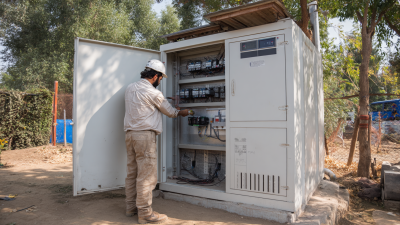
Troubleshooting AC pump controllers can often feel daunting. However, identifying common issues is essential for maintaining optimal performance. Start by checking electrical connections. Loose wires can disrupt functionality, leading to poor water flow. Ensure all connectors are secure and insulated from moisture.
Regular maintenance is key. Clean filters and check for clogs. Dust buildup can cause the system to work harder, leading to malfunctions. Routine upkeep helps prolong the life of your AC pump controller and ensures efficient operation. Remember, a well-maintained system saves time and money.
Investing in a High-Quality Solar Water Pump Controller can also reduce recurring issues. These controllers often include advanced features to enhance efficiency. They can adjust pump operation based on solar availability, leading to better performance overall.
When problems arise, consult the manufacturer’s manual for troubleshooting steps. Sometimes, the solution is simpler than it appears. Don’t hesitate to seek professional advice if needed.
Energy Efficiency Strategies for AC Pump Controllers
When it comes to optimizing AC pump controllers, energy efficiency is crucial. According to a recent report by the American Society of Heating, Refrigerating and Air-Conditioning Engineers (ASHRAE), improving efficiency can lead to a 30% reduction in energy costs. Investing in high-efficiency components can provide significant returns in the long run.
One of the essential tips is to regularly monitor energy consumption. Keeping an eye on energy usage can help identify inefficiencies. Implementing real-time monitoring systems can pinpoint issues before they escalate. Additionally, ensuring regular maintenance checks for your pump controllers can extend their lifespan and improve performance.
Another effective strategy is to utilize variable speed drives (VSDs). These drives allow the pump to operate only at the necessary capacity, reducing energy consumption. The U.S. Department of Energy states that using VSDs can enhance efficiency by up to 50% in certain applications. However, it's vital to assess whether the investment in VSDs fits your specific needs and usage. Choosing the right control strategy plays a significant role in achieving optimal performance.
Top AC Pump Controller Tips for Efficient Performance
Future Trends in AC Pump Controller Technology
Emerging trends in AC pump controller technology are revolutionizing the HVAC industry. Increased efficiency is a key focus. Smart controllers integrate IoT for real-time monitoring and advanced analytics. They can optimize performance based on usage patterns. This adaptability leads to energy savings and prolonged equipment lifespan.
Here are some helpful tips to enhance AC pump controller performance. Ensure regular maintenance checks. Clean filters and verify fluid levels to avoid inefficiencies. Additionally, invest in programmable thermostats. They adjust settings based on occupancy, which can reduce unnecessary energy consumption. Utilize analytics features where available, as they provide insights into system performance.
Future developments might include AI-driven controllers. These systems will learn user preferences and environmental conditions. This approach could lead to even more streamlined energy usage. However, as technology advances, users must remain vigilant. Understanding your system is crucial to maximize benefits while avoiding potential pitfalls. Regular training on new features will be essential for operators.
Exploring the Benefits and Applications of the 3 Inch Solar-Powered Helical Rotor Submersible Borehole Pump with MPPT Controller
The 3 Inch Solar-Powered Helical Rotor Submersible Borehole Pump with MPPT Controller represents a significant advancement in water pumping technology, particularly for remote and off-grid applications. By harnessing solar energy, this pump provides an eco-friendly and sustainable solution for accessing groundwater. The helical rotor design facilitates efficient water movement, enabling the pump to operate effectively in various well conditions and depths. This makes it an ideal choice for agricultural irrigation, livestock watering, and even supplying water to small communities in remote areas.
A key feature of this pump is the Maximum Power Point Tracking (MPPT) controller, which optimizes the energy output from solar panels. This technology allows the pump to adapt to changing sunlight conditions, ensuring maximum efficiency and reliable operation throughout the day. As a result, users can benefit from consistent water supply, regardless of weather fluctuations or seasonal changes. This efficiency not only enhances productivity in agricultural settings but also reduces operational costs over time, making it a valuable investment for those seeking to improve their water management practices sustainably.
By integrating renewable energy solutions with advanced pumping technology, the 3 Inch Solar-Powered Helical Rotor Submersible Borehole Pump offers a practical and innovative approach to water challenges faced in rural and remote environments. Its applications extend beyond just irrigation, providing critical support for various water needs while promoting sustainability and reducing reliance on traditional power sources.
FAQS
Regular monitoring can help identify inefficiencies. Consider using real-time monitoring systems for better insights.
VSDs allow pumps to operate at necessary capacity, cutting down energy use. They can enhance efficiency by up to 50% in some cases.
Assess if the cost aligns with your specific needs. Investment decisions should consider usage patterns.
Clean filters regularly and check fluid levels. This can prevent inefficiencies and prolong system life.
They adjust settings based on occupancy, helping to reduce unnecessary energy consumption.
They provide insights into system performance, allowing for informed adjustments and efficiency improvements.
These systems learn user preferences to optimize energy usage. This can lead to more streamlined operations over time.
Staying updated on new features can maximize benefits while avoiding potential pitfalls in system performance.
As technology evolves, complexity can increase. Users must fully understand their systems to avoid mistakes.
Conclusion
The article "Top AC Pump Controller Tips for Efficient Performance" explores the essential aspects of AC pump controllers, emphasizing their significance in optimizing HVAC systems. It outlines key features to consider when selecting an efficient AC pump controller, such as compatibility with existing systems and control options. The article also discusses best practices for maintaining peak controller performance, including regular inspections and updates.
Furthermore, it provides practical troubleshooting tips for common issues that may arise with AC pump controllers. Energy efficiency strategies are highlighted, showcasing how smarter controls can lead to reduced operational costs. Lastly, the article touches on future trends in AC pump controller technology, emphasizing advancements that promise enhanced functionality and energy savings. This comprehensive guide aims to equip users with the knowledge needed to maximize the efficiency and effectiveness of their AC pump controllers.

 DC SOLAR SUBMERSIBLE PUMP
 AC/DC Solar submersible Pump
 DC Solar Surface Pump
 AC/DC solar surface Pump
 Solar swimming Pool Pump
 Built-in Controller Solar Pump
 Solar Pump inverter
 Pump Accessories





 Mr Youkee Kong