Since 1998
Solar Pump

Inquiry
Form loading...
Solar Pump
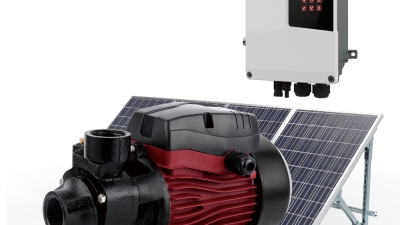
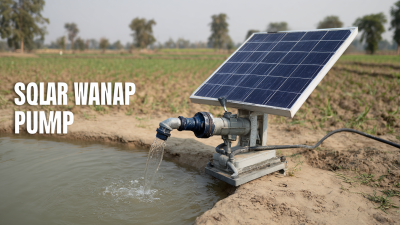
You know, as more people are really starting to ask for sustainable farming methods, things like DC Solar Water Pumps are actually changing the game for farmers everywhere. Recent reports say that the global market for solar water pumps is expected to grow by more than 20% each year until 2025—that’s pretty impressive! This surge is mainly because farmers are looking for cheaper, eco-friendly ways to irrigate their crops.
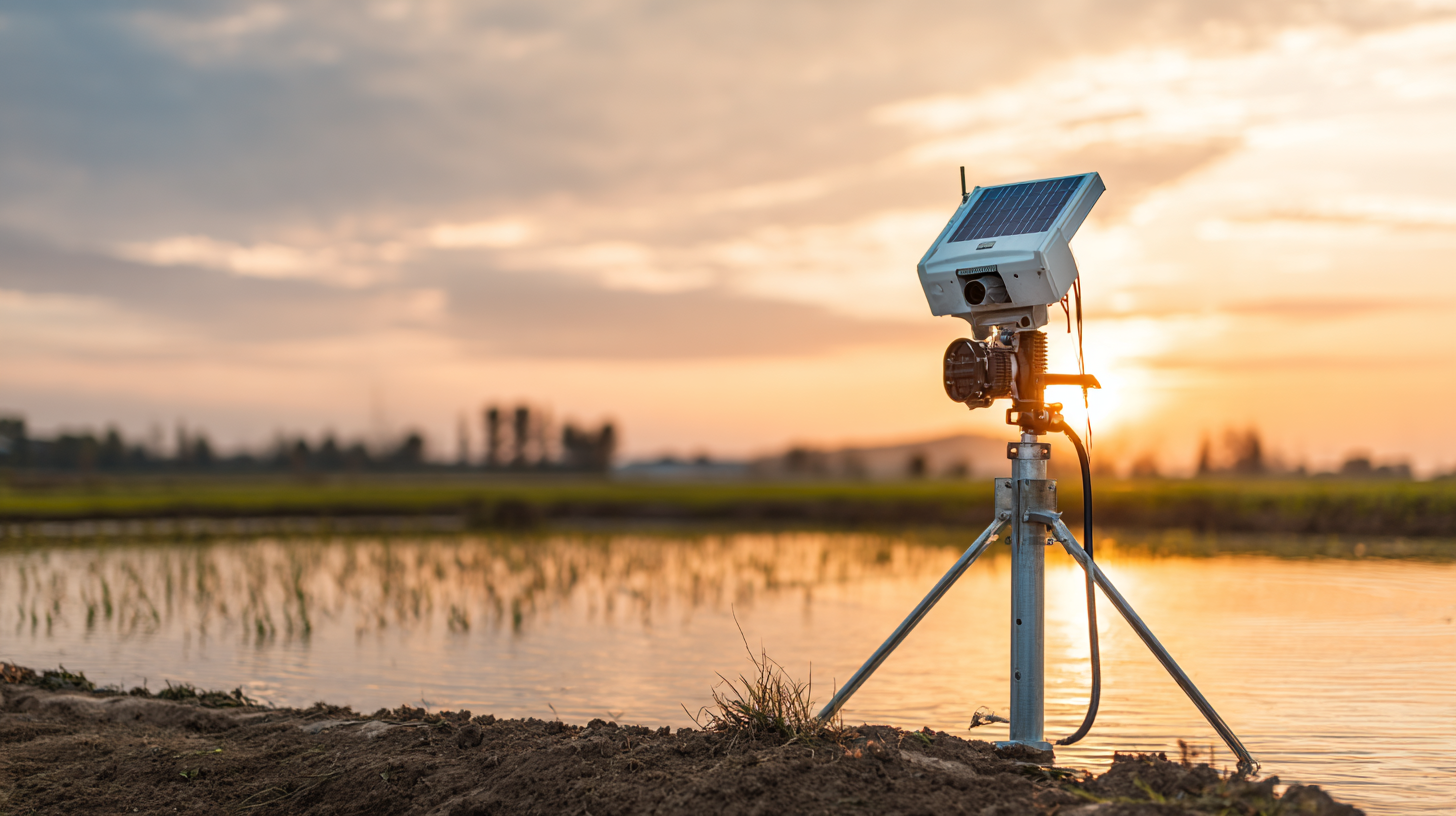
Here at Zhejiang Rambo Intelligent Technology Co., Ltd., we’re really proud of what we do. We craft top-notch DC Solar Water Pumps that not only meet international standards but are also affordable enough for farmers all around the world. Thanks to our high-tech production methods, we’re able to compete with some of the biggest players globally. Our goal is to help revolutionize farming, making it more efficient and sustainable at the same time.
We’re really committed to quality, doing business the right way, and putting our customers first. Honestly, we’re excited about leading the charge in the solar water pump industry and doing our part to create a greener, better future for agriculture.
By 2025, DC solar water pumps are really changing the game for farmers everywhere. These pumps harness the power of the sun, which means no more worries about running out of fuel or dealing with expensive energy sources. It’s a huge win for folks who want to cut costs and go green. One of the coolest things? They don’t even need to be connected to the grid, so they’re perfect for those super remote or off-grid farms where electricity can be a real pain to get. This is especially huge for farmers in dry areas—now they can access the water they need to grow their crops, no matter how tough the environment gets.
Plus, these pumps are pretty efficient and low-maintenance. They work best during the bright sunlight hours, which means they deliver just the right amount of water without breaking down or wearing out quickly. The latest solar tech means these systems aren’t just tough—they keep delivering water steadily, which is essential for keeping crops healthy. And with everyone talking about sustainability these days, using solar-powered irrigation totally makes sense for eco-conscious farmers who want to farm smarter and greener. As 2025 rolls on, these innovative pumps are definitely set to shake up agriculture worldwide—that's pretty exciting stuff!
As the agricultural sector continues to embrace innovative technologies, the adoption of solar water pumps is gaining significant momentum globally. A recent industry report highlights that the market for solar water pumps is expected to grow at a compound annual growth rate (CAGR) of over 20% from 2023 to 2030. This surge is largely driven by their efficiency in irrigation and drinking water supply, particularly in regions where access to electricity is limited.
One of the most promising advancements in this field is the ZRI Brushless Solar Water Pump. Unlike traditional pumps, these brushless motors offer higher efficiency and reliability with lower maintenance requirements. According to a study by the International Renewable Energy Agency (IRENA), solar-powered water pumps can reduce operational costs by up to 60% compared to diesel-powered systems, making them an attractive option for farmers looking to enhance their productivity while minimizing expenses.
Moreover, industry reports indicate that the integration of solar water pumps into irrigation systems not only conserves water but also boosts crop yield. Research from the Food and Agriculture Organization (FAO) suggests that effective irrigation management facilitated by solar pumps can increase crop production by 20-30%. This innovation is reshaping the future of agriculture, paving the way for more sustainable practices and improved resource management, ultimately contributing to food security in various regions worldwide.
: DC solar water pumps provide sustainable irrigation, reduce operating costs by eliminating the need for traditional fuel, offer independence from the grid, and enhance crop production by providing consistent water flow.
Solar water pumps harness solar energy to function independently of the grid, making them ideal for remote or off-grid locations where traditional electricity supply is unreliable or non-existent.
Solar water pumps can achieve efficiencies of over 80%, significantly reduce operational costs by up to 50%, and are less affected by fuel price fluctuations and environmental regulations compared to diesel pumps.
DC solar water pumps have low maintenance requirements due to their robust design, which minimizes wear and tear, especially as they operate essentially during peak sunlight hours.
Yes, solar water pumps can access groundwater easily, helping farmers irrigate crops in previously drought-prone areas and promoting food security.
In California, farmers reduced operational costs and improved irrigation efficiency, while in Kenya, a smallholder farmer transformed their land into a flourishing garden, demonstrating the pumps’ positive impacts on profitability and sustainability.
Innovations such as artificial neural networks for direct torque control are enhancing the efficiency of solar water pumping systems, allowing for real-time optimization and increased agricultural outputs.
The high efficiency of solar pumps, coupled with advancements in technology, can significantly boost agricultural productivity, making them a more appealing choice compared to traditional systems constrained by fuel costs and grid reliability.




 Mr Youkee Kong

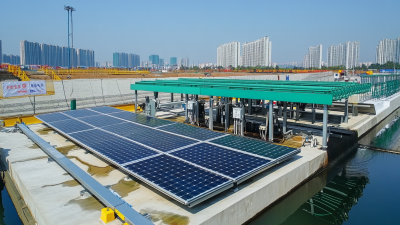
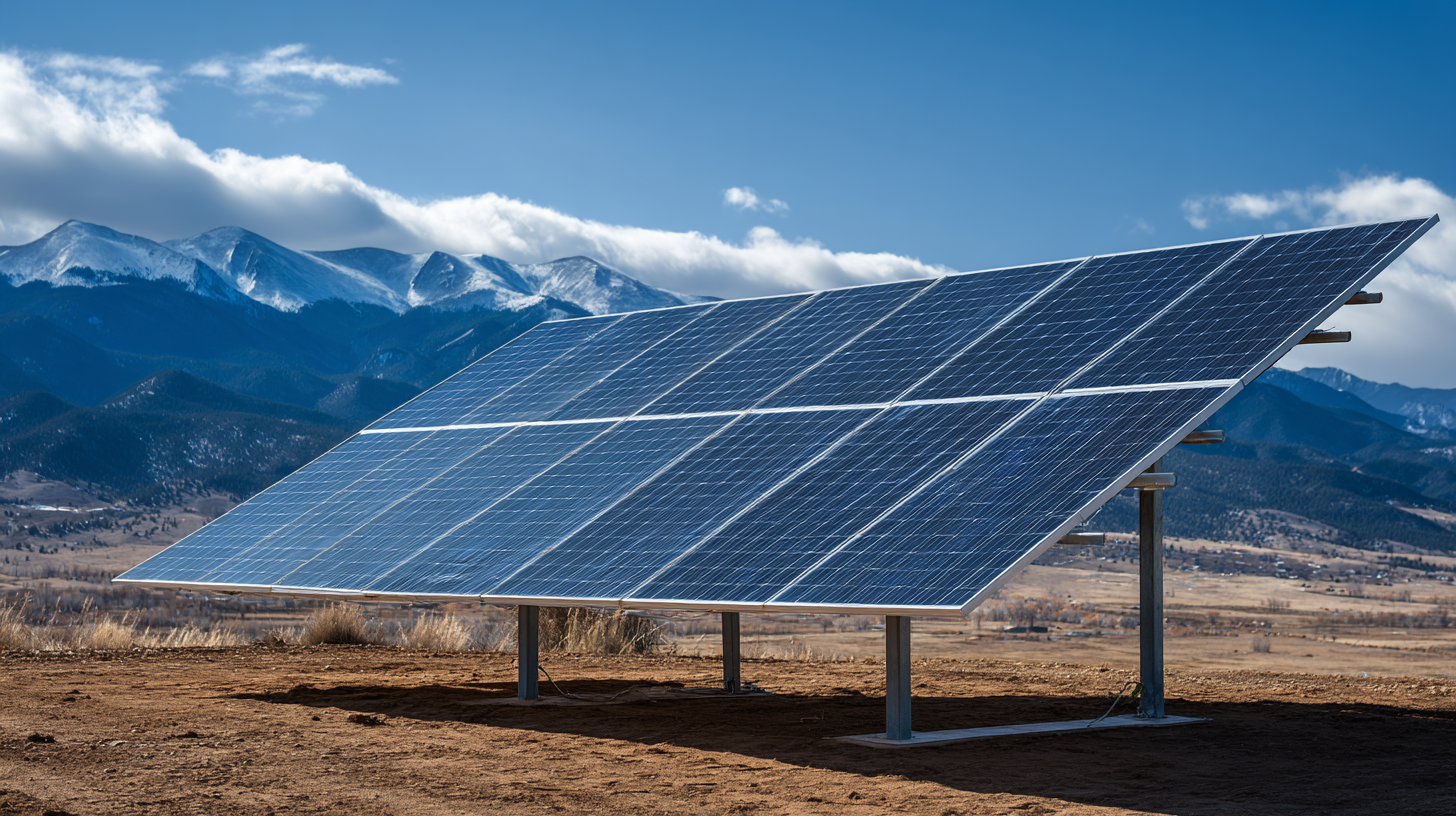 Switching to solar water pumps has really been a game-changer for many farming communities out there. Take California, for example—there's a vineyard owner who set up a solar pump system, and honestly, it made a huge difference. Not only did it cut down on their energy costs big time, but it also made watering the vineyard way more efficient. By tapping into solar power, they basically got rid of their reliance on traditional electricity, which meant serious savings on their utility bills. Plus, it wasn’t just about saving money — this move also helped the environment by reducing carbon emissions. Pretty impressive, right?