Inquiry
Form loading...
0%

These days, when sustainability and going green are such big deals, it’s pretty clear—integrating new tech into water management is more important than ever. Take AC/DC solar pumps, for example—these clever devices tap into renewable energy to give us reliable and efficient water solutions. As the demand for eco-friendly water sources grows across farms, homes, and industries, more folks are turning to these advanced pumps. By harnessing the sun’s power, they cut down on reliance on fossil fuels, which not only saves money but also helps the environment.

But honestly, the perks go way beyond just saving cash. These pumps are super versatile—they can handle everything from irrigating remote farms to supplying water in areas that lack proper infrastructure. They’re pretty tough, work well in different conditions, and don’t need a ton of maintenance. That makes them a favorite for a bunch of users. When you look at all the benefits of using AC/DC solar pumps for sustainable water solutions, it’s obvious—they’re a smart investment and a step toward a greener, cleaner future.
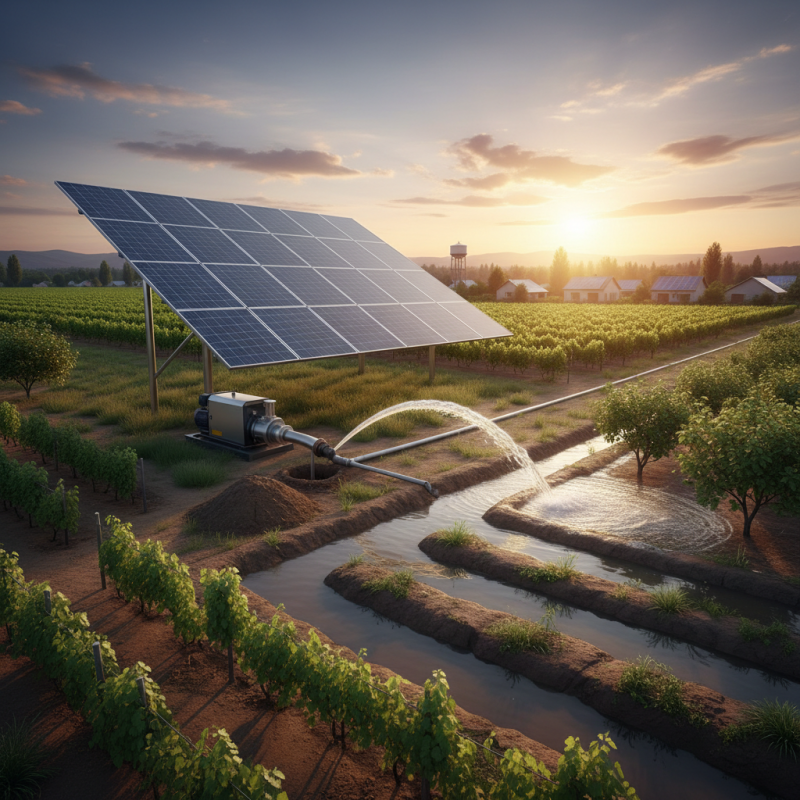
2025 Top Benefits of Using AC DC Solar Pump for Sustainable Water Solutions

What is an AC DC Solar Pump and How Does It Work?

An AC DC solar pump is a type of water pump that utilizes both alternating current (AC) and direct current (DC) electricity generated by solar panels. The unique feature of this technology lies in its ability to efficiently convert solar energy into mechanical energy for water pumping. AC DC solar pumps can operate directly on solar power during sunny days, but they are also capable of functioning with grid power or batteries when solar energy is insufficient. This dual capability enhances their versatility, making them suitable for various applications in agriculture, irrigation, and residential water supply.

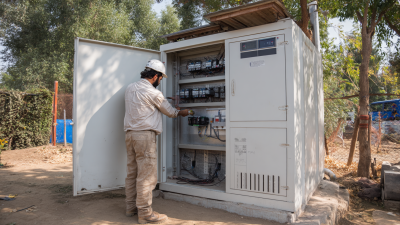
The operation of an AC DC solar pump begins with solar panels converting sunlight into electricity, which is then directed to the pump controller. The controller regulates the electricity to ensure optimal performance, allowing the pump to adjust its operation based on the available energy output. This adaptability not only maximizes efficiency but also extends the life of the pump by reducing wear and tear. Moreover, the ability to switch between solar and grid power provides a reliable source of water delivery, essential in areas facing water scarcity or inconsistent energy supply. As a result, AC DC solar pumps present a sustainable and flexible solution for meeting diverse water needs.

Key Advantages of Using AC DC Solar Pumps for Water Supply

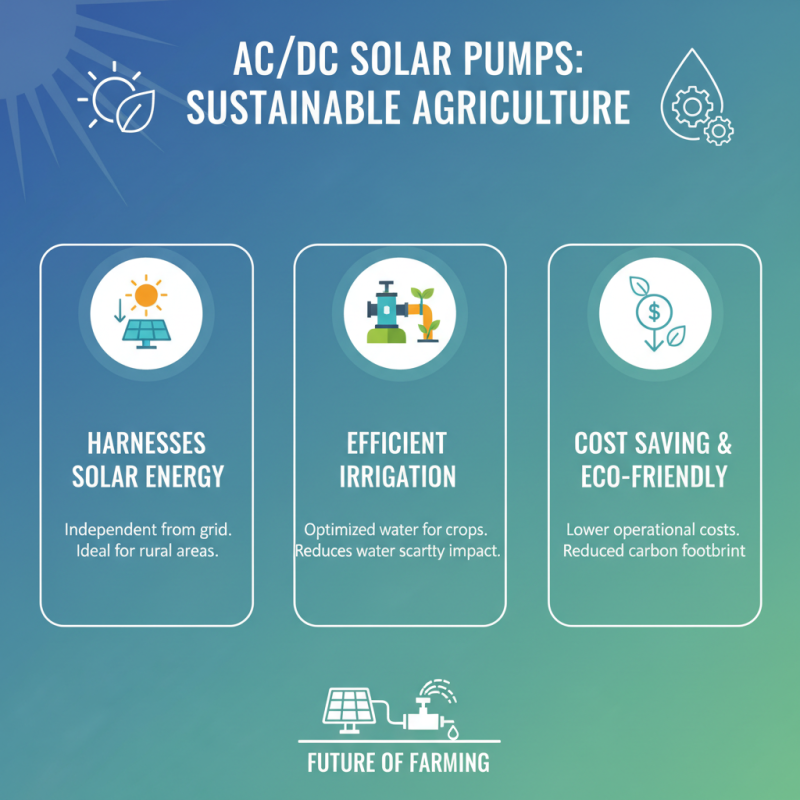
AC DC solar pumps offer a revolutionary approach to addressing water supply needs sustainably. One of the key advantages of these pumps is their energy efficiency. By harnessing solar energy, these pumps minimize reliance on traditional power sources, significantly reducing operational costs. This makes them particularly beneficial in remote areas where electricity is scarce or unreliable. The dual capability of operating on both alternating current and direct current also allows for versatile applications, providing uninterrupted service regardless of fluctuating energy availability.

Another notable benefit is the resilience against environmental challenges. AC DC solar pumps are designed to be robust and can operate under varying weather conditions, ensuring a consistent water supply. This feature is crucial for agricultural practices, where reliable irrigation is essential for crop yields. Furthermore, their low maintenance requirements not only enhance their longevity but also reduce the need for frequent repairs, leading to less downtime and greater overall efficiency. By integrating AC DC solar pumps into water management systems, communities can achieve sustainable water solutions while promoting environmental stewardship.

Environmental Impact of Solar-Powered Water Solutions

The use of solar-powered water solutions, particularly AC DC solar pumps, offers significant environmental benefits that are crucial for sustainable development. By harnessing energy from the sun, these pumps reduce reliance on fossil fuels, leading to decreased greenhouse gas emissions. This transition not only mitigates climate change impacts but also conserves natural resources, making water sourcing more environmentally friendly. The ability to operate in remote areas without electrical infrastructure provides communities with reliable access to water, further contributing to ecosystem preservation as it minimizes habitat disruption compared to traditional pumping methods.

Tip: When considering the installation of solar pumps, evaluate the site’s solar potential. Locations with maximum sunlight exposure ensure that the pumps operate efficiently, maximizing water output while minimizing carbon footprints.

Furthermore, solar pumps improve water management by promoting the use of renewable energy in agricultural practices. Farmers can utilize water sustainably, reducing soil erosion and preventing over-extraction from local aquifers. As these systems enable precision irrigation, they help ensure crops receive adequate water without waste, promoting biodiversity and soil health.

Tip: Regular maintenance of solar panels and pumps is essential. Clean panels enhance energy absorption, ensuring optimal performance and extending the lifespan of the system.

2025 Top Benefits of Using AC DC Solar Pump for Sustainable Water Solutions

Benefit Description Environmental Impact Cost Savings (Estimated)
Sustainable Energy Source Utilizes renewable solar energy to power water pumps, reducing reliance on fossil fuels. Reduces carbon emissions and fossil fuel consumption. Up to 80% reduction in operational costs
Low Maintenance Minimal mechanical components lead to less maintenance required. Longer lifespan and less electronic waste. Saves on repair and replacement costs
Accessibility Can be deployed in remote areas where grid access is limited or absent. Promotes sustainable development in underserved communities. Eliminates costs associated with grid connection
Water Conservation Efficient solar pumps can enhance irrigation systems that promote responsible water use. Helps maintain local ecosystems by reducing over-extraction from water sources. Improves crop yield with less water

Cost-Effectiveness of AC DC Solar Pumps Compared to Traditional Methods

The rising demand for sustainable water solutions has led to the increasing adoption of AC DC solar pumps, which offer significant cost advantages over traditional pumping methods. According to a report by the International Renewable Energy Agency (IRENA), the operational cost of solar pumps is significantly lower, with potential savings of up to 50% compared to diesel-powered pumps. This is largely due to reduced fuel expenses and lower maintenance costs associated with solar technology, which operates with minimal moving parts and thus requires less frequent servicing.

Moreover, a study published by the Clean Energy Council found that the initial investment for AC DC solar pumps can be recouped within three to five years through savings on energy costs. As energy prices continue to rise, reliance on traditional grid power becomes increasingly expensive, emphasizing the financial viability of solar solutions. The long-term efficiency and decreasing prices of solar technology, bolstered by innovations in photovoltaic cells, also contribute to the cost-effectiveness of these systems. As of 2023, the report highlighted that the cost of solar panels has dropped by nearly 89% since 2010, making AC DC solar pumps a smart investment for both agricultural and municipal water needs in a landscape increasingly focused on sustainability.

Applications of AC DC Solar Pumps in Agriculture and Water Management

2025 Top Benefits of Using AC DC Solar Pump for Sustainable Water Solutions

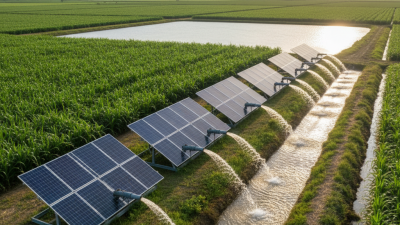
AC DC solar pumps are revolutionizing agriculture and water management, providing sustainable solutions that significantly reduce reliance on traditional energy sources. These pumps harness solar energy, making them ideal for areas with limited access to electricity. In agriculture, they are utilized for irrigation, ensuring that crops receive the optimal amount of water necessary for growth, particularly in regions facing water scarcity. By using AC DC solar pumps, farmers can operate their irrigation systems efficiently, reducing operational costs while simultaneously promoting environmentally friendly practices.

In terms of water management, AC DC solar pumps enhance the efficiency of water distribution systems. They are essential for supplying water to remote communities and livestock, where conventional power sources may not be feasible. The versatility of these systems allows for easy integration into existing water infrastructures, facilitating the movement of water for various purposes, from drinking supply to recreational uses. Furthermore, as these pumps can be configured to use both AC and DC power, they provide flexibility in energy use, catering to diverse environmental conditions and demands. Overall, their applications in agriculture and water management underscore the significant potential of AC DC solar pumps in achieving sustainable water solutions.

Future Trends in Solar Pump Technology and Sustainable Water Solutions

The evolution of solar pump technology plays a crucial role in addressing global water challenges sustainably. As the need for efficient water management grows, projections indicate that the solar pump market will reach a valuation exceeding $2 billion by 2025, driven by increased agricultural demands and a shift towards renewable energy solutions. The integration of AC and DC solar pumps offers versatile applications, capable of meeting varying pressure and flow requirements in irrigation and domestic water supply systems. According to a report by MarketsandMarkets, the adoption of solar pumping systems can potentially reduce water pumping costs by up to 80%, making it an economically attractive solution for both small-scale farmers and large agricultural enterprises.

Looking ahead, the advancement of solar pump technology will likely focus on improving efficiency and enhancing the integration of smart technologies. Innovations such as IoT-enabled solar pumps are anticipated to become mainstream, offering real-time monitoring and automated control that optimize performance based on weather conditions and water demand. By 2026, it is estimated that smart irrigation systems will account for approximately 20% of the global agricultural water management market, highlighting a significant shift toward data-driven water solutions. These trends reflect a broader movement toward sustainable agricultural practices and emphasize the critical role that solar pumps will play in ensuring water security in the coming years.

Case Studies of Successful AC DC Solar Pump Implementations

The implementation of AC DC solar pumps has proven to be a viable solution for various water supply challenges in numerous case studies. For instance, in rural agricultural communities, these pumps have facilitated irrigation processes, allowing farmers to access water from distant sources without relying on traditional electricity or diesel. The transition to solar-powered systems has not only reduced operational costs but has also increased water availability during critical growing periods, leading to enhanced crop yields and economic benefits for the farmers involved.

In another compelling case, a remote village faced challenges in accessing clean drinking water. By adopting AC DC solar pumps, the community established a sustainable system that directly harnessed renewable energy. This implementation not only decreased reliance on fuel-based generators but also improved the overall health of the residents by ensuring a consistent supply of safe water. These real-world applications highlight how solar pumps contribute significantly to sustainable water management and empower communities to reduce their environmental footprint.

**Tips:** When considering the installation of an AC DC solar pump, assessing local sunlight availability and water needs is crucial. Additionally, engaging with local communities during the planning process can enhance the system's effectiveness and ensure it meets specific needs. Finally, regular maintenance can optimize performance and longevity, ensuring that these systems continue to provide reliable water solutions for years to come.

2025 Top Benefits of Using AC DC Solar Pump for Sustainable Water Solutions

FAQS

: What are

C DC solar pumps and how do they function in agriculture?

How do AC DC solar pumps contribute to water management?

These pumps enhance water distribution systems, enabling water supply to remote areas, livestock, and various recreational uses. They integrate easily into existing infrastructures and operate on both AC and DC power, offering flexibility in energy usage.

What are the economic benefits of using AC DC solar pumps for farmers?

Farmers who implement AC DC solar pumps can significantly reduce operational costs, access water more reliably during crucial growing periods, and potentially increase crop yields, leading to overall economic benefits.

Can you provide examples of successful implementations of AC DC solar pumps?

Yes, case studies show rural agricultural communities using these pumps for irrigation, which helped them access water without traditional energy sources. Another example includes a remote village that improved its drinking water supply through the use of AC DC solar pumps.

What impact do AC DC solar pumps have on community health?

By ensuring a consistent and safe water supply, AC DC solar pumps can improve residents' health, as seen in a remote village that reduced its reliance on fuel-based generators for clean drinking water.

What should be considered before installing an AC DC solar pump?

It's crucial to assess local sunlight availability and specific water needs, engage with local communities during the planning process, and plan for regular maintenance to optimize the pump's performance and longevity.

Conclusion

The article "2025 Top Benefits of Using AC DC Solar Pump for Sustainable Water Solutions" explores the functionality and advantages of AC DC Solar Pumps in providing efficient water supply systems. It begins by explaining the mechanics of these pumps, highlighting their ability to harness solar energy for both AC and DC applications. Key advantages include their environmental benefits, such as reducing carbon emissions, and their cost-effectiveness compared to traditional water pumping methods. The article also discusses various applications, particularly in agriculture and water management, as well as future trends in solar pump technology aimed at enhancing sustainability.

Furthermore, case studies illustrate successful implementations of AC DC Solar Pumps, demonstrating their practical benefits in real-world settings. Overall, the article emphasizes the significant role of AC DC Solar Pumps in advancing sustainable water solutions, showcasing their potential to meet growing water demands while minimizing environmental impact.


Isabelle

Isabelle

Isabelle is a dedicated marketing professional at Zhejiang Lanbo Intelligent Technology Co., Ltd., where her expertise in the field shines through her work. With a deep understanding of the company's innovative products, she plays a pivotal role in conveying the brand's message and values to a......
Previous Global Insights on the Future of Dc Pump Solar Technologies in 2025