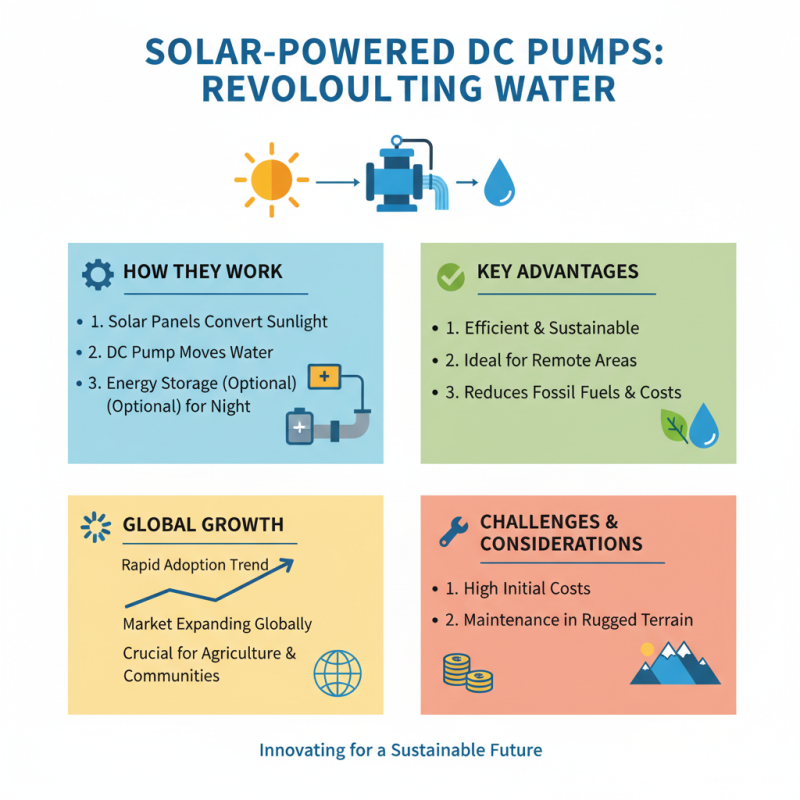
Lately, you've probably noticed that integrating renewable energy solutions has become a big deal. One cool innovation that's really been making waves is the Dc Pump Solar system. Basically, it uses sunlight to run water pumps—a game-changer for tons of sectors. What’s awesome about this tech? It’s not just about saving money; it’s also about being more sustainable and efficient all around.
One of the biggest perks? Gaining energy independence. For farmers out in remote areas, having access to water without relying on lots of old-school electricity is a total win. It can cut down on energy bills and even boost crop yields. Plus, these Dc Pump Solar systems are super user-friendly—designed so just about anyone can handle them, even if you’re not an expert.
Of course, it’s not all smooth sailing. Getting everything set up can be pricey at first, which might be a bit of a hurdle. And then there’s routine maintenance—checking up on things every now and then to keep everything running smoothly. Talking through these points gives a real, balanced picture of this promising tech—highlighting both its potential and the areas where things still could improve.
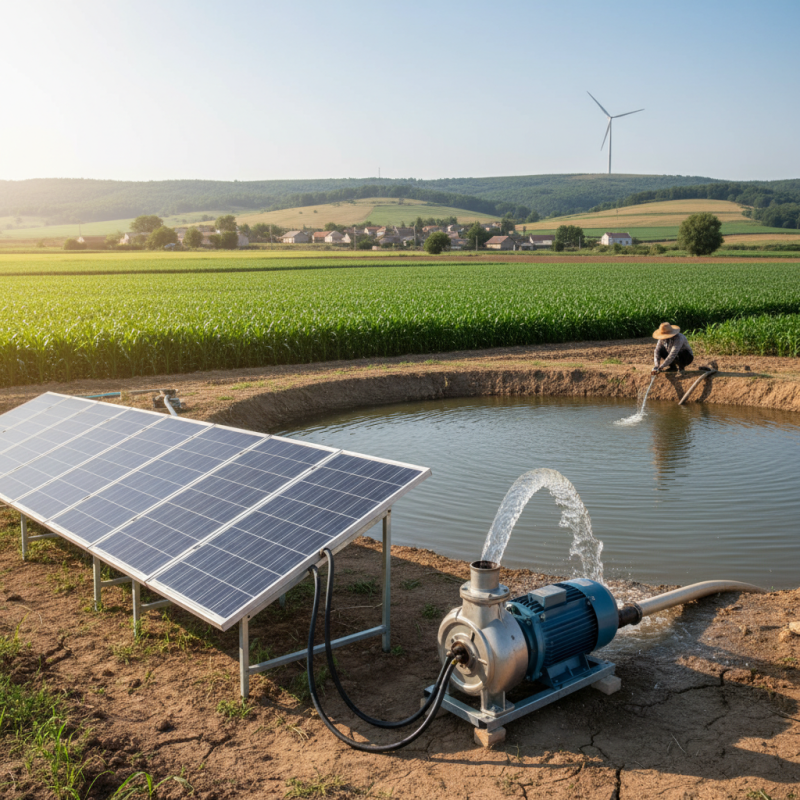
Benefits of DC Pump Solar in Renewable Energy Solutions
DC pump solar systems present numerous benefits for renewable energy solutions. One significant advantage is
energy efficiency. These pumps can operate directly from solar panels, minimizing energy loss. They often require less maintenance
compared to conventional pumps. This can save both time and costs in the long run.
Flexibility is another critical factor. DC pump solar systems can be used in various applications.
From irrigation in agriculture to supplying water in remote areas, these pumps adapt well to different settings. Additionally, they are eco-friendly.
Harnessing solar energy reduces reliance on fossil fuels, contributing to a more sustainable future.
Tip: When installing a DC pump solar system, ensure that the solar panels are positioned for maximum sunlight exposure.
This can enhance efficiency significantly.
Despite the benefits, there can be challenges. Initial setup costs may be higher than traditional options. Users should also consider the weather impact on solar efficiency.
It's essential to evaluate the specific needs before making a decision.
Tip: Regularly inspect your system for wear and tear. Small issues can lead to significant problems if not addressed timely.
Efficiency of Solar-Powered DC Pumps Compared to Traditional Systems
The efficiency of solar-powered DC pumps is becoming a game-changer in renewable energy solutions. Studies show these pumps can achieve over 90% energy efficiency. This is significantly higher than traditional AC systems, which often range from 70% to 85%. Thus, solar-powered DC pumps offer a more sustainable option.
In rural areas, where grid access is limited, solar DC pumps are crucial. They can operate in remote regions, reducing the need for diesel or other fossil fuels. The International Renewable Energy Agency reports that using solar pumps can save up to 50% in overall operational costs. However, initial setup costs may still deter some users.
Efficiency isn't just about numbers. Solar DC pumps can adapt to varied weather conditions and are low-maintenance. Yet, the technology is not without challenges. Users often report issues related to battery storage and system integration. Reliable data on longevity and performance varies, creating uncertainty for new users. The promise of solar-powered solutions is bright, but there’s room for improvement and further exploration.
Environmental Impact Reduction through Solar DC Pump Usage
Solar DC pumps present significant opportunities for environmental impact reduction. Utilizing solar energy for pumping water minimizes reliance on fossil fuels. This shift helps lower carbon emissions. Moreover, solar DC pumps operate quietly, reducing noise pollution in rural areas.
Implementing solar DC pumps supports local ecosystems. They offer a sustainable solution for irrigation, reducing soil erosion and water depletion. This method not only conserves water but also enhances biodiversity. The adoption of these pumps can lead to healthier landscapes, benefiting farmers and wildlife alike.
Tips: Ensure that your solar DC system is well-maintained. Regular inspection of solar panels and pump components can improve performance. Consider local climate conditions, as they affect efficiency. Always evaluate water needs to optimize usage and conserve resources.
Cost Savings and Economic Advantages of Solar DC Pumps
Solar DC pumps are becoming popular for many reasons. They offer significant cost savings for users, especially in remote areas. These pumps harness energy from sunlight, reducing reliance on traditional power sources. This transition can lower electricity bills and maintenance costs.
The initial investment is often a concern. Many hesitate before purchasing solar DC pumps. However, the long-term savings can be substantial. Over time, the lower operating costs outshine initial expenditures. Additionally, these pumps require less frequent repairs compared to traditional pumps. Fewer repairs lead to further savings in time and money.
Solar energy usage reduces environmental impact, another financial advantage. It decreases the carbon footprint and aligns with green initiatives. However, challenges such as weather dependency remain. Inconsistent sunlight can affect performance. Yet, with the right planning, these drawbacks can be managed effectively. Solar DC pumps, while not without issues, present an attractive option for sustainable energy solutions.
Top 10 Benefits of DC Pump Solar for Renewable Energy Solutions
Versatility of DC Pumps in Various Renewable Energy Applications
DC pumps have significant versatility in renewable energy applications. They can efficiently operate in solar-powered systems, wind farms, and even hydroelectric setups. These pumps can transport fluids across various terrains, adapting to different energy sources. Their ability to function seamlessly with solar panels allows for effective water management in irrigation and wildlife conservation.
In remote areas, DC pumps thrive. They provide water supply solutions where access is limited. Using solar energy, these pumps help farmers irrigate their fields. This method reduces dependency on traditional energy, promoting sustainability. However, installation may require careful planning. Pipe networks must be designed effectively to minimize energy loss during transportation.
Challenges do exist. The efficiency of DC pumps can vary based on environmental conditions. High temperatures might affect their performance. Regular maintenance is essential yet often overlooked. Users should reflect on their setup, ensuring they can adapt to fluctuations in energy supply. When thoughtfully integrated, DC pumps enhance the benefits of renewable resources, but diligence is key.
Ease of Installation and Maintenance for Solar DC Pump Systems
Solar DC pump systems are increasingly popular for various renewable energy solutions. One major advantage is their straightforward installation. Unlike traditional pump systems, solar DC pumps require minimal components. This reduces installation time and labor costs significantly. According to the International Renewable Energy Agency, solar DC pumps can be set up in a matter of hours, not days. This quick turnaround is attractive to users and installers alike.
Maintenance also plays a crucial role in their appeal. Solar DC pumps are designed with fewer moving parts. This design results in lower maintenance needs. Industry reports indicate that maintenance costs can drop by up to 40% over the lifetime of the system compared to conventional pumps. Users appreciate the hassle-free operation and reduced downtime. Regular checks are crucial, but overall, the systems are resilient and efficient.
Tips: Always inspect solar panels for debris. This keeps them functioning at peak efficiency. Also, monitor battery health regularly to avoid unexpected failures. Remember, while these systems are robust, neglecting small issues can lead to bigger problems. Taking proactive steps can save you time and resources in the future.
Future Trends and Innovations in Solar-Powered DC Pump Technology
Solar-powered DC pumps are revolutionizing water management. These systems are efficient and ideal for remote areas. They use the sun’s energy, reducing reliance on fossil fuels. This technology is growing rapidly, but challenges remain. For example, initial costs can be high. Maintenance can also be tricky in rugged terrains.
Future trends show promising innovations. Battery storage is evolving, making energy use more flexible. Smart sensors are now integrated into systems. These sensors optimize performance in real time. As technology advances, pumps will become more user-friendly. The introduction of IoT could allow for remote monitoring. This can lead to better decision-making on water usage and conservation.
Sustainability is at the forefront of developments. There’s a shift towards using recyclable materials in pump design. However, the industry must address scalability issues. Solar pump systems need to be more accessible for small farmers. Expected innovations should focus on affordability. There’s a lot of potential, but adjustments are needed to maximize impact.
Conclusion
Dc Pump Solar systems offer a range of benefits for renewable energy solutions, making them an attractive option for various applications. Their efficiency surpasses that of traditional systems, which leads to significant energy savings. Additionally, the use of DC solar-powered pumps contributes to a reduction in environmental impact, aligning with global sustainability goals. The economic advantages are notable as well, with lower operational costs and the potential for long-term savings.
Moreover, the versatility of DC pumps allows them to be integrated into various renewable energy applications, while the simplicity of installation and maintenance makes them accessible for a wider audience. As the technology continues to evolve, future trends promise innovations that will further enhance the performance and applicability of Dc Pump Solar systems, strengthening their role in the renewable energy landscape.








 Mr Youkee Kong