Having reliable access to clean water is a huge deal for many communities out there. You know, Borehole Pumps really play a critical role in making sure homes and farms get fresh water. These pumps are pretty amazing—they’re designed to pull water from deep underground, which is super handy if you’re somewhere with very limited surface water. When they work well, they can totally change the game, boosting farming yields and making daily life a lot easier.
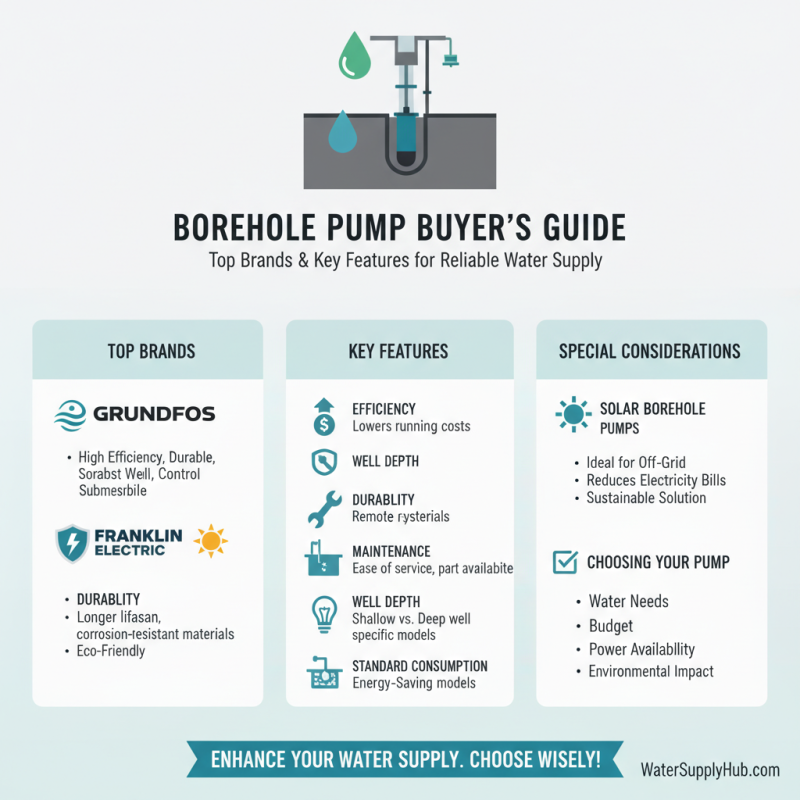
Choosing the right borehole pump isn’t always straightforward, though. You’ve got to have a good grasp of things like how deep your well is, how much water you need, and what kind of energy source you’re using. There are different types of pumps for different situations, so it’s important to pick the right one. Companies like Grundfos and Franklin Electric have built solid reputations for reliable, efficient pumps, but honestly, it pays to read reviews and really think about what fits your specific needs before jumping in.
Let’s be real—no pump is perfect, and installation and upkeep can be kinda tricky sometimes. Picking the wrong one might lead to headaches, failures, and higher costs. Tapping into user experiences and doing a bit of homework can save you from a lot of trouble. Basically, having the right knowledge and doing your research can really help you pick a pump that’s not just good now but also sustainable long-term.
Overview of Borehole Pumps and Their Applications
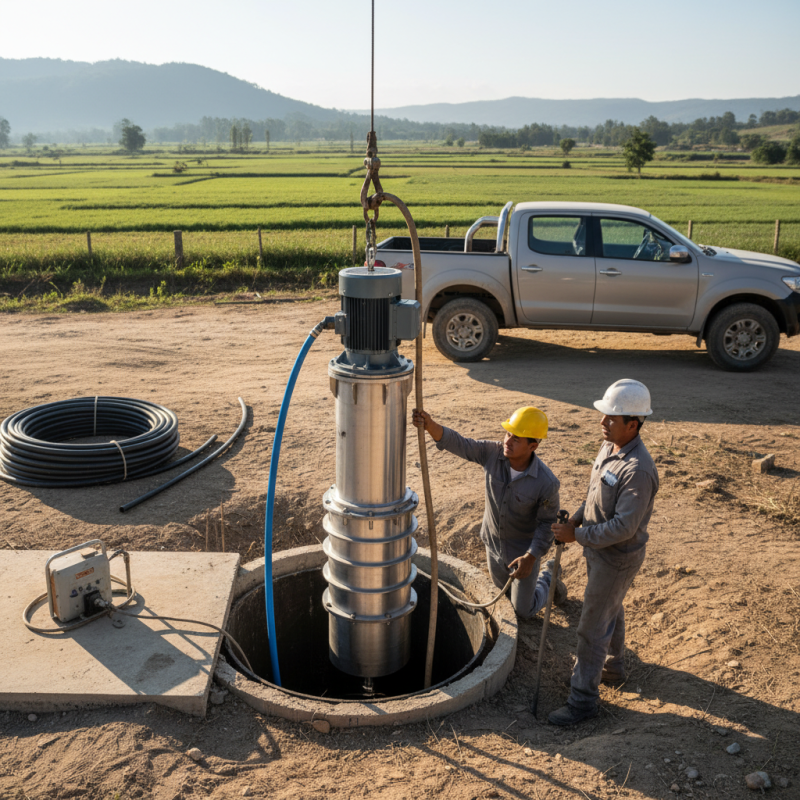
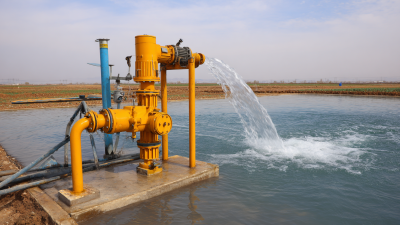
Borehole pumps serve as vital components in water supply systems, especially in rural and developing areas. These pumps are designed to extract groundwater from aquifers and deliver it for various uses, including irrigation, drinking water supply, and industrial applications. According to a report by the International Water Association, approximately 70% of the world's freshwater is used for agricultural purposes, making reliable water extraction essential.
In terms of efficiency, submersible borehole pumps are favored for their ability to operate underwater. They can lift water from deep wells, often reaching depths of over 300 meters. However, improper installation or maintenance can lead to significant operational issues. Studies show that nearly 20% of borehole pumps fail within their first five years of use due to lack of proper care. This statistic raises concerns about reliability and emphasizes the need for skilled professionals in installation and maintenance.
Additionally, the energy consumption of these pumps is a growing concern. Many borehole pumps utilize electric motors, which can lead to high operational costs, especially in regions with unstable electricity supply. Some reports suggest that optimizing pump systems could reduce energy consumption by up to 40%. Implementing efficient monitoring systems may help users identify inefficiencies promptly, enhancing the overall reliability of water supply systems.
Types of Borehole Pumps: Submersible vs. Jet Pumps
Borehole pumps are essential for efficient water supply. When choosing one, understanding the types is crucial. There are two main categories: submersible pumps and jet pumps. Each has its pros and cons.
Submersible pumps operate underwater. They push water to the surface efficiently. This type is often quieter and requires less maintenance. However, installation can be challenging. They need proper casing and positioning. Without proper setup, performance might suffer.
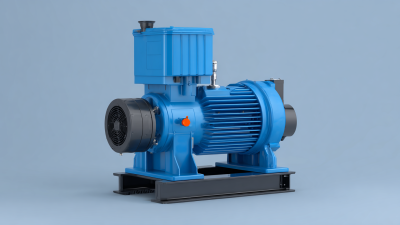
Jet pumps, on the other hand, work above ground. They draw water from a borehole using suction. Jet pumps are easier to install and troubleshoot. However, they can be less efficient in deeper wells. They also consume more energy. Choosing the right pump depends on specific needs and conditions. Understanding these differences is key for ensuring a reliable water supply.
Top Borehole Pumps for Efficient Water Supply Solutions
This bar chart compares the efficiency ratings of different types of borehole pumps, showcasing the effectiveness of submersible, jet, hand, and solar pumps in providing an efficient water supply for various applications.
Factors to Consider When Choosing a Borehole Pump
Choosing the right borehole pump is crucial for effective water supply. Many factors come into play when making this decision. Depth of the borehole is key. A deeper borehole may require a more powerful pump. Assessing the water flow rate is equally important. Different pumps offer various flow rates to match your needs.
Energy efficiency can’t be overlooked. Solar Borehole Pumps are an eco-friendly option. They can reduce electricity costs significantly. Think about the maintenance requirements as well. Some pumps have complex systems that can be hard to maintain. A reliable pump will require less frequent servicing.
Another factor is the water quality. Pumps should be compatible with the specific water type. Contaminants can damage pumps and affect longevity. Cost is always a consideration too. Often, budget constraints can limit options. Balancing cost and quality is essential. Reflecting on these points can lead to a better choice in borehole pumps.
Top Borehole Pump Brands and Their Features
Choosing the right borehole pump can greatly enhance water supply solutions. Many are available, each with unique features that cater to different needs. When considering options, look at efficiency, durability, and maintenance requirements. Some models are designed for deeper wells, while others excel in energy consumption. Energy-efficient choices are increasingly important. Solar borehole pumps offer a compelling solution, especially in remote areas.
Top manufacturers focus on reliability and performance. A reliable pump should provide consistent water flow without frequent breaks. Some brands emphasize corrosion-resistant materials that prolong pump life. The ease of installation is also crucial. Complex systems can deter users from maintaining them properly. Simplicity often leads to better performance and user satisfaction.
In the search for ideal borehole pumps, consider the after-sales service offered by manufacturers. Efficient customer support can make a significant difference. Users may need assistance with troubleshooting or installation. Decisions shouldn’t be rushed. Reflect on specific requirements before making a choice. Researching various models can reveal valuable insights. Solving potential problems before they arise is key to efficient water supply.
Maintenance Tips for Longevity of Borehole Pumps
Regular maintenance is crucial for the longevity of borehole pumps. Using High-Quality Solar Borehole Pumps offers efficiency and durability. Inadequate care can lead to costly repairs or replacements. According to industry reports, over 30% of borehole pumps fail due to lack of maintenance. This statistic underlines the importance of routine inspections and timely servicing.
Operators should check the pump's electrical connections and mechanical components regularly. Corrosion can be a silent enemy. It impacts not just performance but also safety. Monitoring flow rates helps detect issues early. Sudden drops in flow can indicate blockages or wear. Proper lubrication of moving parts is essential. Without it, friction builds up, leading to parts failure.
Keeping the surrounding area clean is also vital. Debris can clog intake screens, reducing efficiency. A minimal investment in maintenance can save thousands in potential pump replacements. Adopting a proactive approach prolongs the service life of borehole pumps. High-quality solar borehole pumps excel when maintained properly, ensuring efficient water supply solutions for years to come.
Environmental Impact of Borehole Water Extraction
Borehole water extraction is a critical aspect of water supply management. However, it raises concerns about environmental sustainability. Over-extraction can lead to depletion of aquifers, affecting local ecosystems. This situation demands a careful approach to managing water resources.
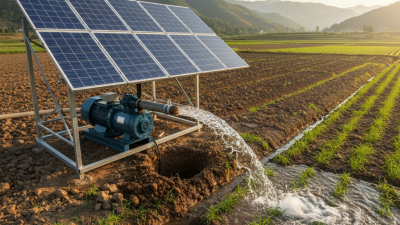
One solution lies in the use of solar borehole pumps. These pumps offer a cleaner alternative to traditional methods. They harness solar energy, reducing reliance on fossil fuels. This shift not only cuts emissions but also promotes energy independence. Yet, challenges remain. The initial costs and maintenance can be a hurdle for many communities.
Communities must weigh the benefits against these challenges. A sustainable approach to borehole extraction includes regular monitoring of water levels and recharge rates. Collaboration with experts from a reputable Solar Borehole Pumps Manufacturer can provide valuable insights. Striking a balance is essential for future water supply solutions.
Top Borehole Pumps for Efficient Water Supply Solutions
| Pump Type |
Flow Rate (L/min) |
Max Head (m) |
Power Requirement (kW) |
Material |
Environmental Impact |
| Submersible Pump |
50 |
80 |
2.5 |
Stainless Steel |
Low impact, sustainable |
| Deep Well Turbine Pump |
100 |
150 |
5 |
Cast Iron |
Medium impact, efficiency varies |
| Jet Pump |
30 |
60 |
1.5 |
Plastic & Aluminum |
Low impact, best for shallow wells |
| Solar-powered Pump |
40 |
50 |
1 |
Aluminum |
Very low impact, renewable energy |
Future Trends in Borehole Pump Technology and Efficiency
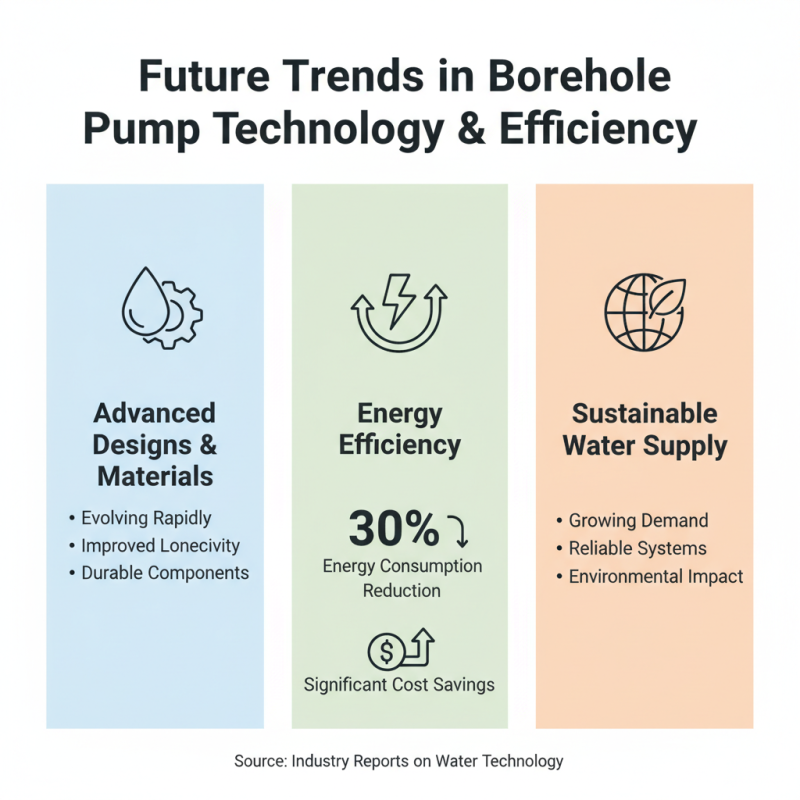
As the demand for efficient water supply systems grows, borehole pump technology is evolving rapidly. Advanced designs and materials contribute to improved efficiency and longevity. Reports indicate that energy-efficient pumps can reduce energy consumption by up to 30%. This reduction translates into significant cost savings over time.
Emerging trends include smart technology integration. Sensors in borehole pumps allow for real-time monitoring and data collection. This leads to predictive maintenance, potentially extending the pump's life span. Experts predict that the global market for smart pumps will reach $20 billion by 2027, reflecting the increasing importance of technology in the water supply sector.
However, challenges remain. Not all regions have access to the latest technologies. Installation and maintenance costs can be barriers in developing areas. Furthermore, the environmental impact of extracting groundwater must be considered. Sustainable practices are essential to balance efficiency with ecological responsibility.
Conclusion
Borehole pumps are essential devices used for extracting groundwater efficiently, catering to various applications such as agriculture, domestic water supply, and industrial use. This article delves into different types of borehole pumps, primarily focusing on submersible and jet pumps, highlighting essential factors to consider when selecting a pump, including flow rate, depth of the borehole, and energy efficiency.
Moreover, it emphasizes the importance of regular maintenance for prolonging the life of borehole pumps and discusses the environmental implications of borehole water extraction. Finally, the article anticipates future trends in borehole pump technology, emphasizing advancements aimed at improving efficiency and sustainability. Understanding these aspects can empower users to make informed decisions and optimize their water supply solutions.

 DC SOLAR SUBMERSIBLE PUMP
 AC/DC Solar submersible Pump
 DC Solar Surface Pump
 AC/DC solar surface Pump
 Solar swimming Pool Pump
 Built-in Controller Solar Pump
 Solar Pump inverter
 Pump Accessories





 Mr Youkee Kong