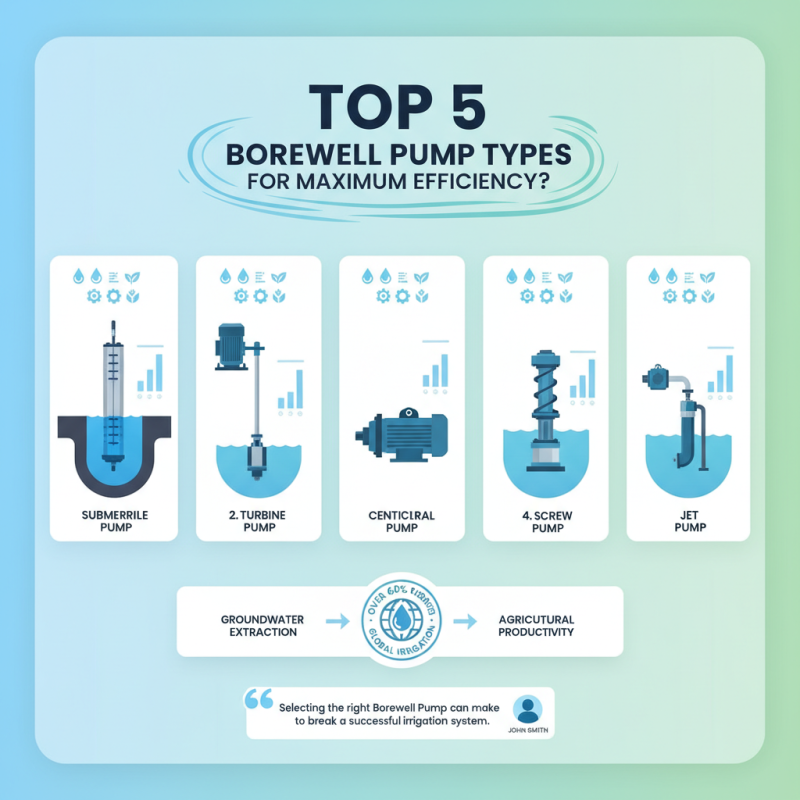
When you think about agriculture and managing water, Borewell Pumps really are a big deal. They’re basically the workhorse for pulling groundwater up, which is super important for irrigation—especially in dry seasons. I read somewhere that, according to the latest report from the International Water Management Institute, more than 60% of the world's irrigation depends on borewell tech. That really shows just how critical it is to pick the right pump for the job so everything runs smoothly.
Experts like John Smith, who works at AquaTech Solutions, really get the struggles farmers are dealing with these days. I remember him saying, ‘Choosing the right borewell pump can make or break your entire irrigation setup,’ which honestly hits the nail on the head. You see, there are different types of pumps out there, and understanding which one fits your needs can make a huge difference. Take the 2 Inch Borewell Submersible Pump, for instance—it’s pretty efficient for moderate depths. But, not all pumps are created equal, and some might just leave you disappointed.
Unfortunately, some folks buy pumps that aren’t well-made, and then they end up wasting time and resources because those pumps don’t perform as promised. It’s so important to be aware of the top five borewell pump types; this knowledge not only helps you get better efficiency but also promotes smarter, more sustainable water use overall.
Understanding Borewell Pumps: An Overview of Their Functions
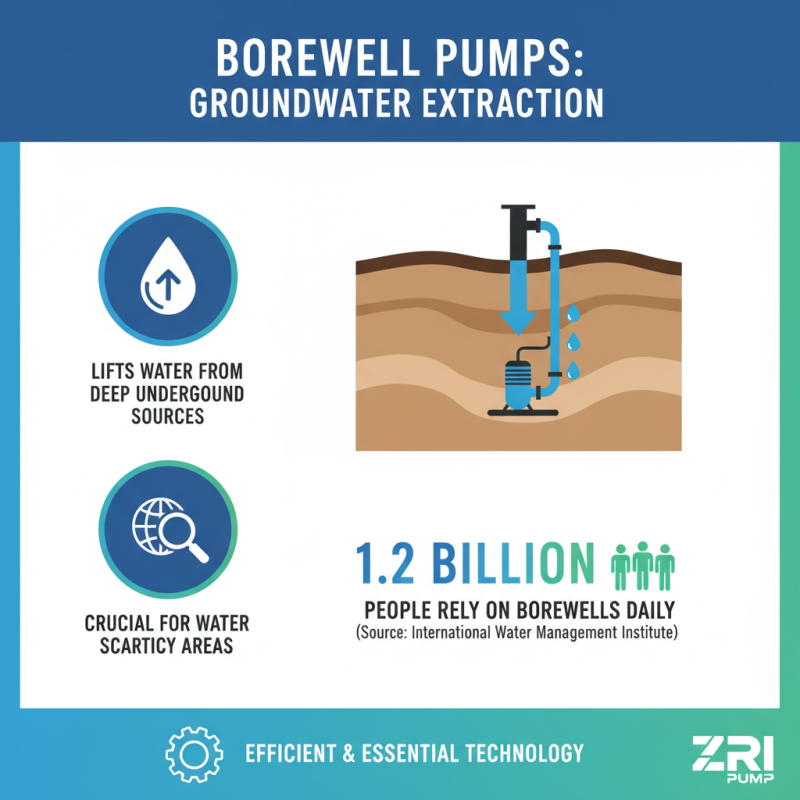
Borewell Pumps are essential for extracting groundwater efficiently. Their primary function is to lift water from deep underground sources. This capability is crucial, especially in areas facing water scarcity. According to a report by the International Water Management Institute, over 1.2 billion people rely on borewell technology for their daily water needs.
These pumps come in various types, including submersible, jet, and monoblock variants. Each type has unique benefits and limitations. Submersible borewell pumps often maximize efficiency in deeper wells. However, they can be more challenging to maintain. Jet pumps, on the other hand, are easier to manage but may struggle in deeper applications. A study by the World Bank indicates that improper selection of pump types leads to energy inefficiency, often wasting up to 30% of electricity.
Understanding how borewell pumps work is vital. Pump efficiency often diminishes due to wear and tear, especially in sandy or gravelly water sources. Regular maintenance is necessary to ensure optimal performance. Yet, many users overlook this, leading to costly repairs or replacements. A proactive approach can save both water and energy in the long run.
Factors Influencing Borewell Pump Efficiency and Performance
Borewell pump efficiency is influenced by several critical factors. First, the type of pump used can significantly impact performance. Submersible pumps generally offer higher efficiency than surface pumps. Reports suggest that a well-selected pump can enhance efficiency by up to 30%.
Another major factor is the well depth. Deeper wells require more power to pump water. Experts recommend calculating the total dynamic head (TDH) to ensure the right pump selection. Ignoring this can waste energy and decrease performance.
Tips: Regular maintenance is vital. Clean filters and check for wear and tear regularly. This keeps pumps running smoothly and maintains their efficiency over time.
Motor efficiency also plays a role. Utilizing a high-efficiency motor can save energy costs and improve overall performance. It’s estimated that upgrading to premium motors can reduce energy consumption by about 5% to 10%. However, this upgrade may require higher initial investment and careful planning.
The quality of water is often overlooked. High sediment levels can clog pumps and reduce efficiency. Testing groundwater for impurities before installation is critical. This may be time-consuming, but it saves hassle later on.
Type 1: Submersible Pumps and Their Benefits for Deep Water Access
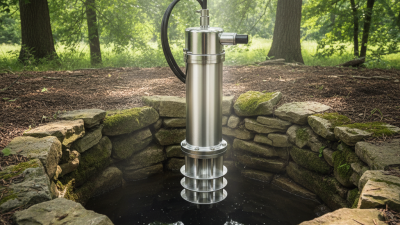
Submersible pumps are crucial for accessing deep groundwater sources. These pumps are designed to function underwater, making them highly effective for borewell applications. According to industry reports, submersible pumps can operate efficiently at depths exceeding 300 feet. This capability makes them a preferred choice in many agricultural and industrial setups.
These pumps can provide significant advantages over traditional pumps. For instance, they are more energy-efficient, with some models boasting efficiencies as high as 85%. This efficiency not only reduces electricity costs but also extends the pump's lifespan. However, their installation process can be complex, requiring skilled labor. Improper installation can lead to operational issues, which can be frustrating for users.
One must also consider the maintenance aspects. While Borewell Submersible Pumps require routine checks, neglecting maintenance can lead to unexpected breakdowns. A proactive approach is necessary for ensuring optimal performance. Regular monitoring of pump functionality can prevent costly repairs. Balancing efficiency with maintenance is essential for maximizing the benefits of submersible pumps.
Top 5 Borewell Pump Types for Maximum Efficiency
This chart illustrates the efficiency ratings of different types of borewell pumps based on their applications and depths:
Type 2: Jet Pumps: How They Operate and Their Applications
Jet pumps are a popular type of borewell pump. They are known for their efficiency and versatility. These pumps work by creating a vacuum that draws water from deep underground. The process is simple yet effective. Jet pumps can lift water from depths of up to 100 feet. This makes them suitable for various applications.
In residential settings, jet pumps are often used for irrigation and household water supply. They perform well in areas where water is not readily available. The installation process is relatively straightforward, but it can be challenging at times. Choosing the right jet pump requires careful consideration of flow rates and well depth. Many users find themselves confused by these variables.
Despite their advantages, jet pumps do have limitations. They can be inefficient at greater depths and may require frequent maintenance. Users often overlook this aspect, leading to unexpected issues. It's crucial to regularly check for air leaks and clogs. Ignoring these problems can decrease pump efficiency and longevity. Understanding how jet pumps operate is key to maximizing their performance.
Type 3: Centrifugal Pumps: Efficiency in Water Lifting
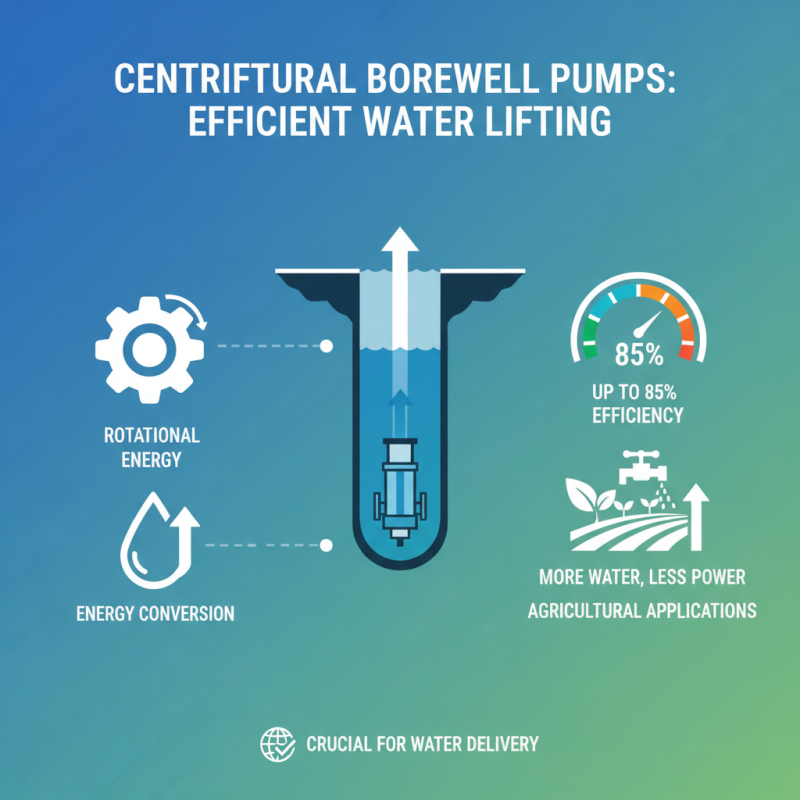
Centrifugal pumps are crucial in the Borewell Water Pump category. They operate by converting rotational energy into hydraulic energy. This process ensures efficient water lifting, especially in agricultural applications. According to industry reports, these pumps can achieve efficiency levels of up to 85%. This means more water makes it to the surface with less power consumption.
However, not all centrifugal pumps are created equal. Some may fail to deliver expected performance due to improper sizing or installation. A study estimated that nearly 30% of installed pumps operate below optimal efficiency. Such inefficiencies can lead to wasted energy and higher operational costs.
Remember, regular maintenance is essential for these pumps. Neglect can lead to issues like cavitation, reducing pump efficiency significantly. It's also crucial to consider specific site conditions when selecting a Borewell Water Pump. The height of water to be lifted and the volume required must align with the pump's specifications for maximum functionality. Every detail matters when aiming for the best performance.
Type 4: Solar Borewell Pumps: Harnessing Renewable Energy for Usage
Solar Borewell Pump
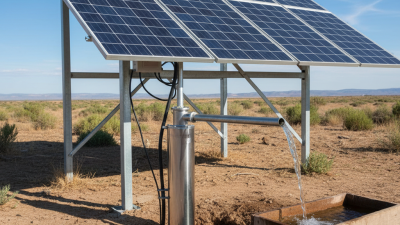
s represent a significant innovation in water extraction. These pumps utilize solar energy, making them both eco-friendly and cost-effective. They are particularly beneficial in remote areas where electricity is scarce. By tapping into the sun’s power, these pumps can operate efficiently and reliably.
However, the implementation of Solar Borewell Pumps does come with challenges. Initial installation costs can be high. Additionally, the effectiveness of these pumps depends on sunlight availability.
In regions with long rainy seasons, their performance may decline. This unpredictability raises concerns for users who depend solely on solar energy for their water supply.
Maintenance is also crucial. While they are low-maintenance systems, issues can still arise. Users should monitor the solar panels, ensuring they remain clean and unobstructed. Regular inspections can help prolong the system's life.
Embracing a Solar Borewell Pump may require adjustments and a commitment to sustainability. The journey is worth reflecting on, as it intertwines technology with ecological responsibility.
Type 5: Hand Pumps: Manual Solutions for Rural Water Needs
Hand pumps remain a vital resource for rural areas. They provide an efficient solution for communities lacking access to electricity. Data indicates that nearly 2.2 billion people globally rely on non-electric water sources. Hand pumps offer a simple, yet effective, way to address this need.
Manual operation means lower maintenance costs compared to electric systems. Users can draw water easily, even in remote locations. However, hand pumps can be labor-intensive. A large family may find daily use challenging. It’s essential to consider the strength of users. Robust models can yield about 5 to 10 liters per minute, depending on design and installation.
Tips: Regular maintenance is crucial. Check seals and bearings consistently to avoid leaks. Educate users on optimal techniques to maintain efficiency.
In some regions, hand pumps face problems like wear and tear. Limited access to spare parts can pose significant challenges. Therefore, choosing a durable design is critical. While manual pumps have benefits, evaluating local needs is important.
Revolutionizing Water Access: The I4SS Solar-Powered Submersible Borehole Pump with Integrated MPPT Controller
Access to clean water is a fundamental necessity for communities across the globe, particularly in remote areas where traditional water sources may be scarce. The introduction of solar-powered solutions represents a significant advancement in addressing this vital need. The innovative I4SS solar-powered submersible borehole pump stands out as a game-changer in water accessibility. Its integration of a Maximum Power Point Tracking (MPPT) controller allows for optimal performance by adjusting the pump's operation to maximize energy efficiency, even under varying solar conditions.
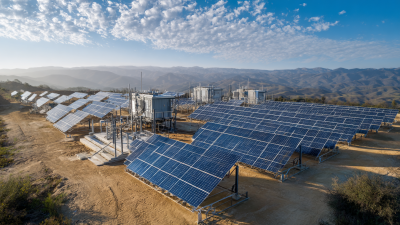
Harnessing solar energy not only reduces operational costs but also minimizes environmental impact, making it an ideal solution for sustainable water management. The submersible design of the pump enables it to function efficiently in deep boreholes, ensuring that water can be drawn from significant depths where conventional pumps might struggle. This technology is particularly beneficial for agricultural applications, providing farmers with a reliable water supply that enhances productivity and food security.
Additionally, the use of renewable energy empowers communities to achieve long-term water independence. By utilizing solar power, these communities can operate their water systems without being reliant on diesel or electric grid systems, which can be both costly and unreliable. The I4SS solar-powered submersible borehole pump exemplifies a forward-thinking solution, revolutionizing the way water is accessed and managed, paving the way for a more sustainable and equitable future.
FAQS
: Borewell pumps extract groundwater efficiently from deep underground sources, crucial for water-scarce areas.
Over 1.2 billion people depend on borewell technology for their daily water needs worldwide.
Borewell pumps include submersible, jet, and monoblock variants, each with unique benefits and limitations.
Regular maintenance ensures optimal performance and prevents costly repairs or replacements due to wear and tear.
Deeper wells require more power, and miscalculating the total dynamic head can waste energy and reduce performance.
A high-efficiency motor can save 5% to 10% on energy costs, although it may require a higher initial investment.
High sediment levels can clog pumps, reducing efficiency; testing water for impurities is critical before installation.
High initial installation costs and dependence on sunlight availability can affect their performance, especially in rainy regions.
Regular inspections of solar panels for cleanliness and unobstruction are essential to prolong the system's life and efficiency.
The decision requires commitment to sustainability and may involve adjustments to fully embrace the technology's benefits.
Conclusion
Borewell pumps play a crucial role in accessing groundwater for various applications, ranging from agricultural irrigation to domestic water supply. Understanding the different types of borewell pumps is essential for selecting the most efficient option for specific needs. Factors influencing their efficiency include depth of water source, required flow rate, and energy consumption.
Among the top types of borewell pumps, submersible pumps are particularly effective for deep water access due to their design, which allows them to operate submerged in water. Jet pumps, on the other hand, utilize suction to draw water from shallow depths, making them suitable for certain environments. Centrifugal pumps are recognized for their high efficiency in lifting water, while solar borewell pumps offer a sustainable solution by harnessing solar energy. Lastly, hand pumps serve as a manual and reliable choice for rural areas lacking electricity. Overall, selecting the right borewell pump type is essential for maximizing efficiency and meeting water demand.






 Mr Youkee Kong