Lately, you've probably noticed that the demand for Solar Submersible Pumps has really taken off. With the world's increasing focus on sustainable energy, more folks are looking for eco-friendly water solutions. Over the past ten years, the market for solar pumps has been growing at more than 20% annually—that’s pretty impressive! A lot of this boom comes from the pressing need to manage water more efficiently, especially in farming and in remote areas where traditional power isn’t always available. Brands like Grundfos and Lorentz are definitely leading the charge, offering high-quality solar-powered water pumps that actually meet strict standards.
Of course, it's not all smooth sailing. Some potential buyers still get overwhelmed by the upfront costs. For example, the price of a solar bore pump can really vary depending on things like the size and technology involved. While brushless DC solar water pumps promise they’ll last longer, it’s super important to know which options are best for your specific needs. Picking the right solar DC submersible pump is key to making sure it’s reliable and worth the investment.
Industry reports suggest that not all pumps are made equal. The right solar DC pump can lead to big savings on energy bills, but you’ve gotta do your homework first. It’s important to look at both how well the pump performs and whether it will work seamlessly with what you already have. Comparing different brands and models from various manufacturers can really help you make smarter choices—especially in a market that’s constantly changing and growing.
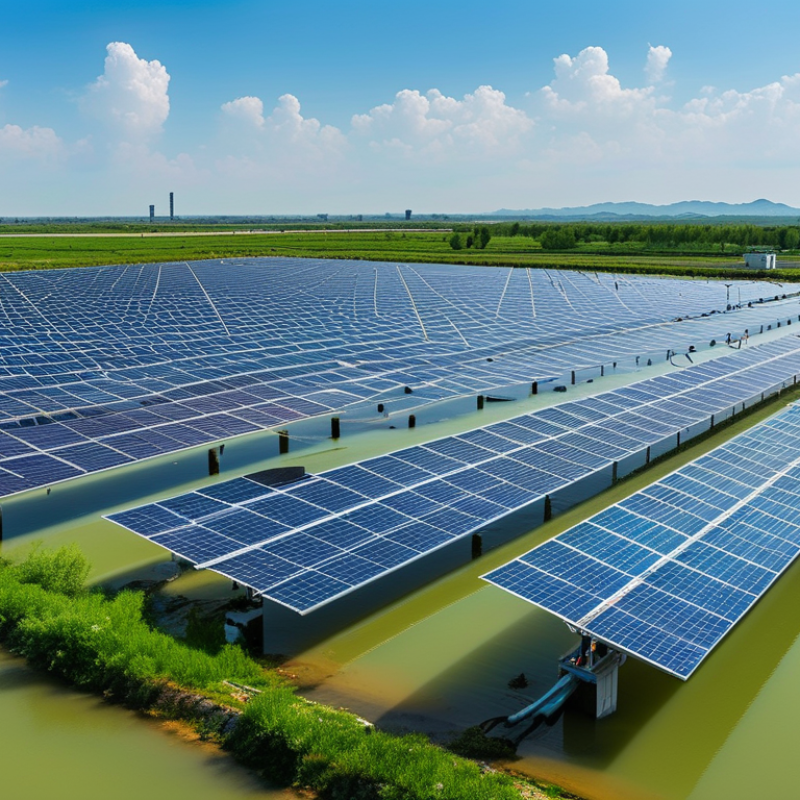
Top Solar Submersible Pumps: Market Overview and Trends
The solar submersible pump market is evolving rapidly. Increasing demand for sustainable solutions drives innovation worldwide. More buyers are looking for efficient options, such as a
Deep Submersible Solar Water Pump. This technology harnesses solar energy to provide reliable water supply.
Recent trends show a shift towards durability and efficiency in pump design. Manufacturers are focusing on materials that withstand harsh weather and prolonged use. However, there are challenges. Some units may not perform well in low sunlight conditions. Potential buyers should evaluate these factors carefully.
Furthermore, the growing interest in renewable energy sources highlights the need for education and awareness. Many consumers remain unaware of how these pumps work. Proper guidance is crucial for long-term satisfaction. As the industry grows, providing reliable information will help shape the future of solar submersible pumps.
Key Features of China's Leading Solar Submersible Pumps
China has emerged as a global leader in solar submersible pump technology. These pumps are notable for their efficiency and reliability. They utilize solar energy, reducing dependence on traditional power sources. According to the International Renewable Energy Agency, the market for solar pumps is projected to grow by 25% annually. This trend reflects a shift toward sustainable and eco-friendly solutions.
Key features of these pumps include high energy conversion rates. Many solar submersible pumps achieve over 70% efficiency in converting solar energy to mechanical energy. This is crucial for areas with inconsistent power supply. Additionally, the robust design withstands harsh environmental conditions. The corrosion-resistant materials ensure durability, reducing replacement costs over time.
However, market penetration presents challenges. Not all regions can fully harness solar energy. Knowledge gaps among potential users can hinder adoption. For instance, a lack of understanding about an Acdc Solar Submersible Water Pump’s installation and maintenance needs can cause inefficiencies. The shift to renewable solutions requires ongoing education and support for users. Ensuring that buyers know how to maximize the benefits of solar technology is essential for long-term success.
Comparative Analysis: Efficiency Ratings of Major Brands
When evaluating solar submersible pumps, efficiency is paramount. Efficiency ratings can significantly impact operational costs and energy use. Buyers should look for models that maximize output while minimizing energy consumption. Some pumps boast high efficiency, but actual performance can vary in real-world conditions. It’s essential to consider these nuances during your selection process.
A critical tip for buyers is to review independent testing results. Validated performance data helps establish a clear benchmark. Be cautious of overly optimistic claims from manufacturers. Not every high-rated pump will perform the same in every environment. Therefore, cross-referencing multiple sources can provide a more accurate picture of a pump's capabilities.
Understanding the technology behind these pumps is also crucial. Many incorporate advanced features like variable speed drives for improved efficiency. Yet, simpler models might still offer good performance at a lower price point. Assessing suitability based on your specific needs is essential. Different applications often require different types of pumps.
Cost-Effectiveness of Chinese Solar Submersible Pumps vs. Competitors
When evaluating the cost-effectiveness of solar submersible pumps, Chinese manufacturers often stand out. Their products combine efficiency with affordability. Installations can be less expensive due to competitive pricing. This appeals to global buyers seeking reliable solutions.
Many Chinese pumps offer good performance in various conditions. They are designed to withstand harsh environments. However, some buyers may question their long-term durability. Quality can vary among manufacturers, making it essential to research options thoroughly. Acdc Solar Submersible Water Pump Manufacturers are among those providing decent warranties. Such assurances can help instill confidence in potential buyers.
It's important to analyze local availability and support. Some regions may lack service centers. This can lead to frustration for users needing repairs. While price is a critical factor, consider additional costs associated with maintenance and parts. Each buyer’s situation is unique. Selecting the right pump requires careful thought and consideration of these factors.
Sustainability Impact: Solar Pumping Solutions for Water Supply
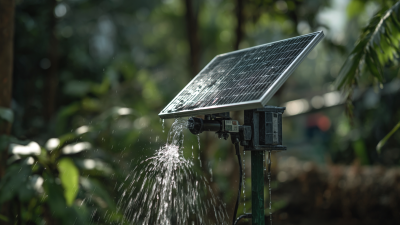
As the global demand for sustainable water supply solutions grows, solar submersible pumps have emerged as a viable option. These pumps harness solar energy to provide efficient water extraction, making them ideal for remote areas. According to a recent report from the International Renewable Energy Agency (IRENA), the adoption of solar-powered technologies can reduce carbon emissions by up to 70% in water supply systems. This highlights the significant potential of solar pumps in fighting climate change.
Solar submersible pumps are not without challenges. While they can operate independently of the grid, their effectiveness depends on adequate sunlight. Some regions experience prolonged cloudy periods or seasonal variations that can limit solar efficiency. The reliance on solar energy may also lead to higher initial costs for installation and maintenance. However, the long-term savings on energy expenses can make them still more appealing. The World Bank indicates that water pumping systems can attain payback periods of just 3-5 years when powered by solar energy.
Incorporating solar submersible pumps can transform water supply strategies, especially in developing nations. These systems can significantly improve access to clean water. Yet, stakeholders must remain aware of the potential limitations and carefully assess local geographic and climatic conditions. Continued investment in technology and education is necessary to maximize their impact.
Global Demand for Solar Submersible Pumps: Regional Insights
The global demand for solar submersible pumps is growing. This shift reflects a broader interest in renewable energy. According to a recent market report, the solar pump market is expected to reach $2.35 billion by 2026. This growth indicates a significant transition toward sustainable water solutions.
Regions like Asia and Africa show remarkable demand. Countries in these areas face unique challenges, such as water scarcity and high electricity costs. Studies reveal that over 40% of rural areas rely on solar pumps for irrigation. However, not all systems are efficient or reliable. Many users report issues such as frequent breakdowns and insufficient water output.
The role of Deep Submersible Solar Water Pump Manufacturers is crucial in addressing these challenges. They need to focus on producing robust, efficient systems. Additionally, better customer support and service could enhance user trust. Various reports highlight the importance of ongoing innovation to overcome existing limitations. The potential for improvement remains significant.
Future Innovations in Solar Submersible Pump Technology
As solar energy technology evolves, solar submersible pumps are becoming increasingly efficient. Recent reports indicate that the global solar pumping market is expected to grow by over 20% annually. This surge is driven by the need for sustainable water solutions in agriculture and remote areas.
Innovations in solar submersible pump design focus on enhancing efficiency and durability. New materials, such as lightweight composites, are being tested to improve performance. Enhanced photovoltaic cells are now converting solar energy with greater accuracy. However, many systems still face challenges in harsh weather conditions, raising questions about long-term reliability.
Future designs integrate smart technology. IoT systems can monitor pumps in real-time, alerting users to performance issues. Data from industry experts shows that predictive maintenance can reduce downtime by 30%. While these advancements hold promise, scalability and accessibility remain critical concerns. Without proper infrastructure, benefits may not reach underserved communities.
FAQS
: Solar submersible pumps use solar energy to move water. They are efficient and reduce dependence on electricity.
Many pumps achieve over 70% efficiency. This means they convert solar energy to mechanical energy effectively.
They provide a sustainable solution for water needs. They are especially useful in areas with unreliable electricity.
Users report issues like breakdowns and low water output. Education on installation and maintenance is often lacking.
Yes, the market is projected to grow significantly. Regions like Asia and Africa are seeing notable increases.
By focusing on durability and efficiency. Better customer support is also essential for building trust.
Some systems are not reliable. Users often experience frequent breakdowns that hinder their effectiveness.
A lack of knowledge can lead to inefficiencies. Ongoing education is essential for maximizing benefits.
Corrosion-resistant materials enhance durability. This helps reduce long-term replacement costs.
Innovation is key for overcoming current challenges. The potential for improvement in technology remains significant.
Conclusion
The article titled "Top China Best Solar Submersible Pump for Global Buyers" explores the burgeoning market for Solar Submersible Pumps, highlighting emerging trends and key features of China's leading products in this category. With a growing global demand for sustainable water supply solutions, the article emphasizes the efficiency ratings of various brands, showcasing how Chinese solar pumps offer remarkable cost-effectiveness compared to their competitors. Furthermore, it delves into the sustainability impact of solar pumping technologies, underscoring their potential to address water shortages while promoting eco-friendly practices.
The analysis also provides regional insights into the global market, charting the increasing adoption of Solar Submersible Pumps across various landscapes. Looking ahead, the article discusses future innovations that may enhance the efficiency and functionality of these pumps, reinforcing their crucial role in sustainable water management strategies worldwide. Overall, the growing prominence of Solar Submersible Pumps reflects a significant shift towards renewable energy solutions in the water supply sector.

 DC SOLAR SUBMERSIBLE PUMP
 AC/DC Solar submersible Pump
 DC Solar Surface Pump
 AC/DC solar surface Pump
 Solar swimming Pool Pump
 Built-in Controller Solar Pump
 Solar Pump inverter
 Pump Accessories



 Mr Youkee Kong
