So, picking the right DC charge controller? It’s not just about comparing prices or scrolling through product rankings. If you’re buying globally, you’ve got to look at conversion efficiency, battery compatibility, thermal management, protection features, and after-sales support. A dependable controller should keep performing steadily—whether it’s sitting in a hot warehouse, running a remote solar site, or dealing with a shaky grid. Honestly, the small stuff matters. Something like cable terminals can make or break installation quality.
This guide looks at some well-established manufacturers, including Victron Energy, Morningstar, Renogy, OutBack Power, Schneider Electric, and EPEVER. Each one tends to serve different project needs, from small residential systems to commercial renewable-energy installations. A 20 Amp Charge Controller might be just right for a small cabin, a monitoring station, or a backup battery setup. Bigger arrays, though, need higher current ratings, flexible charging profiles, and stronger communication options. Buyers should really confirm those specs before placing international orders.
Real-world evaluation also comes down to documentation, warranty terms, certifications, firmware support, and whether distributors are actually available. Product pages can look great. Field performance? That can tell a very different story. In my experience, installation manuals often reveal more than promotional claims—especially when they explain temperature compensation, fault recovery, and maximum photovoltaic input. Still, no manufacturer is perfect, and quality can vary even within the same product range. That’s worth pausing on. Import duties, local voltage practices, and technician skills can all affect the final call. The strongest choice usually balances tested performance, transparent specs, long-term service, and realistic project requirements.
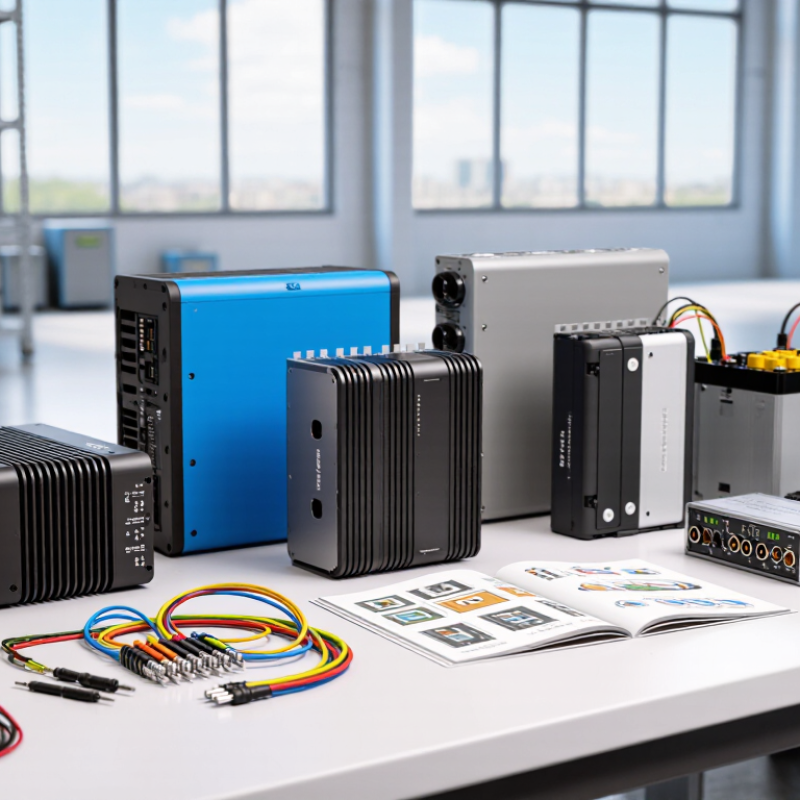
DC charge controllers regulate energy between solar panels, batteries, and connected DC loads. They prevent overcharging, excessive discharge, and unstable voltage conditions. In practical installations, the controller acts like a traffic officer inside a small electrical cabinet. It measures panel output, battery voltage, temperature, and load demand. Reliable models also disconnect circuits when abnormal readings threaten battery life or equipment safety.
The two common types are PWM and MPPT. PWM controllers connect the panel voltage closely to the battery voltage, making them simple and affordable. They perform best when panel and battery voltages match. MPPT controllers continuously adjust the electrical operating point, allowing higher panel voltage to convert into useful charging current. 40 Amp Mppt Solar Charge Controller can suit medium-sized systems, but its value depends on panel power, battery voltage, cooling, and installation conditions. Bigger ratings do not automatically mean better performance.
Core operation depends on controlled switching, voltage conversion, and charging stages. Bulk charging supplies strong current, absorption charging reduces current near full capacity, and float charging maintains the battery gently. Temperature compensation can improve accuracy in changing climates. Buyers should check rated current, maximum PV voltage, standby consumption, protection functions, and monitoring access. Field experience shows that undersized cables and poor ventilation often reduce performance more than the controller itself. I still question simple sizing charts. Real sunlight, dust, heat, and battery age can change the result.
When evaluating a Dc Charge Controller manufacturer, look beyond the product label. Study operating voltage, rated current, conversion efficiency, and thermal limits. These figures should match your panel array, battery chemistry, and installation climate. Ask for test records, not attractive claims. Small details matter. Reliable manufacturers explain protection against reverse polarity, overcurrent, overheating, and unstable input conditions. Clear wiring diagrams and readable manuals reduce mistakes during field installation. That practical clarity often reveals engineering maturity.
A serious supplier should provide traceable component information, production inspection records, and consistent quality-control procedures. Check whether each unit receives load testing before shipment. Ask how firmware updates, spare parts, and warranty claims are handled across different regions. Manufacturers with experienced technical teams can discuss cold starts, dust exposure, cable loss, and communication compatibility without vague answers. Independent certifications also help, but certificates should match the exact model and production site.
Field experience deserves attention. Request installation references from climates resembling your project, such as humid coastal areas or hot inland sites. Examine service response times and replacement procedures. A low purchase price can become expensive when support is slow. I have learned that even well-designed controllers may fail when instructions are unclear or settings are poorly matched. No supplier gets every detail right. Ask how problems are investigated, documented, and corrected. Their response may reveal more than a polished sales presentation.
This reference chart highlights the main technical and supply-chain criteria global buyers commonly review when comparing DC charge controller manufacturers. The scores represent evaluation priority rather than company or brand performance.
Buyers should verify MPPT performance, conversion efficiency, electrical safety compliance, enclosure protection, customization capability, production consistency, warranty coverage, and after-sales support before selecting a supplier.
Global buyers need more than a low purchase price when selecting DC charge controller manufacturers. IRENA reported 473 GW of renewable capacity added worldwide in 2023, including approximately 346 GW of solar power. This expansion increases demand for controllers that manage unstable weather, different battery chemistries, and varied grid conditions.
Experienced manufacturers normally provide clear voltage ranges, charging curves, thermal protection, and multilingual installation documents. MPPT efficiency matters, but field performance depends on cable length, enclosure temperature, and commissioning quality. During project inspections, loose terminals and poor ventilation often create greater losses than the advertised efficiency gap. Small details matter.
International buyers should request test evidence aligned with IEC 62109 safety requirements and IEC 62509 performance principles. Independent laboratory reports are more useful than unsupported marketing claims. Warranty terms should identify response times, replacement procedures, and regional service capacity. The IEA’s Renewables 2024 report expects renewable capacity to expand strongly through 2030, but forecasts can change with policy and supply conditions. A controller selected only from a catalogue may fail in dusty, humid, or high-altitude locations. That risk deserves honest review. Manufacturers serving global markets should offer configurable firmware, traceable production records, and realistic derating data. Specifications are not field experience.
For global buyers, controller selection starts with system behavior, not catalog price. PWM units remain practical for small, stable battery banks. They work well when panel voltage closely matches battery voltage. MPPT designs harvest more energy during cold mornings and weak sunlight. That advantage matters in cabins, boats, and remote work sites. An Rv Solar Charge Controller may face vibration, shade, and frequent load changes. The technology must fit the real installation.
Check nominal voltage before comparing charging current. A 12V battery system cannot accept every “12V” panel arrangement safely. Review maximum PV voltage, short-circuit current, and continuous load capacity. Leave thermal headroom. A 20A controller operating near its limit may throttle on a hot enclosure wall. Look for temperature compensation, battery-type settings, and readable fault codes. Lithium systems require accurate charging profiles, while lead-acid batteries need different absorption behavior. Compatibility also includes wiring, fuses, communication ports, and enclosure protection.
In field checks, installation manuals often reveal more than product tables. I compare cable sizes, grounding instructions, and restart behavior after low-voltage shutdowns. Independent test reports and recognized safety certifications strengthen supplier credibility. Still, paperwork can hide practical gaps. One controller may advertise broad compatibility yet lack a useful remote display. Another may provide excellent efficiency but confusing settings. Buyers should record local temperature, array size, battery chemistry, and expected loads before ordering. That small worksheet prevents expensive mismatches.
Global buyers should evaluate DC charge controller manufacturers beyond catalog price. Ask for test reports matching operating voltage, current, temperature, and enclosure rating. IEC standards can guide safety and performance checks, while regional marks may support market entry. Certification scope matters; a certificate for one model does not cover every variant. Request the original declaration, laboratory details, and validity date. Keep copies with purchase records. Small paperwork gaps can delay customs clearance.
Sizing Solar Charge Controller begins with array current, battery chemistry, nominal voltage, and local climate. A controller rated at the exact limit may struggle during cold, bright conditions. Leave practical headroom, but confirm the manufacturer’s derating curve. Check protection against reverse polarity, overtemperature, short circuits, and surge events. Ask whether firmware updates are controlled and documented. Remote monitoring is useful, yet it should not replace local alarms. Field experience often reveals these differences.
Supply chain reliability needs evidence, not confident promises. Review component origins, approved alternates, production capacity, and final inspection records. Request sample serial-number tracking from factory to shipment. Lead times should include testing, export documents, sea or air transit, and buffer stock. One overlooked connector can stop installation. I have seen schedules fail because a minor accessory was unavailable. That risk is easy to underestimate. Audit communication quality too, especially when specifications change after approval.
Selecting the right DC charge controller begins with the system, not the product catalogue. Define the battery voltage, charging current, solar input range, and daily energy demand. A controller rated for 12 volts may fail in a 24-volt installation. Check compatibility with lithium, lead-acid, or other approved battery chemistries. Charging profiles must match the battery manufacturer’s requirements.
Practical inspection matters. Review the controller’s maximum photovoltaic voltage, continuous current rating, standby consumption, and thermal derating data. In hot enclosures, performance can drop earlier than expected. Verify protection against reverse polarity, overcurrent, short circuits, and excessive temperature. For international projects, request test reports, installation instructions, warranty terms, and documentation suitable for local certification review. Buying only on price is tempting. It can become expensive after replacement, shipping, and downtime.
Tips: Ask for a sample before placing a large order. Test it with your actual battery and panel configuration. Check terminal size, cable clearance, display visibility, and communication options. Confirm whether remote monitoring works in your target region. Keep a written record of supplier responses. Small omissions often matter. I have seen technically strong controllers chosen with unsuitable connectors or weak ventilation. That mistake was avoidable. A dependable purchase combines electrical fit, verified documentation, realistic service support, and a clear replacement process.
The 3-inch solar-powered helical rotor borehole pump is designed to provide a practical water solution for locations beyond reliable grid infrastructure. Powered directly by solar energy, it can draw groundwater for household supply, livestock watering, irrigation, and remote utility points without depending on fuel or continuous electrical access. Its compact borehole format is suitable for narrow wells, while the helical rotor mechanism supports steady water movement and efficient operation under changing sunlight conditions.
Built for off-grid environments, this pump can be paired with appropriately sized solar panels and optional water storage to maintain a dependable supply throughout the day. The system operates quietly and produces no direct exhaust during use, helping reduce routine operating costs and environmental impact. With a straightforward installation concept and limited moving components, it can serve farms, rural communities, emergency water stations, and isolated facilities where dependable groundwater access is essential. Proper borehole assessment, solar sizing, and regular inspection can help maintain stable performance over time.
Compare operating voltage, rated current, conversion efficiency, and thermal limits. Match them with your panels, battery, and climate.
PWM suits small, stable systems with closely matched panel and battery voltages. MPPT can collect more energy during cold mornings or weak sunlight.
Record array current, battery chemistry, nominal voltage, expected loads, and local temperatures. Leave thermal headroom instead of using the exact rating.
Look for reverse-polarity, overcurrent, overheating, short-circuit, and unstable-input protection. Clear fault codes are especially useful during field repairs.
Request model-specific test reports, certification details, inspection records, wiring diagrams, and derating curves. Keep copies with your purchase records.
Ask about firmware updates, spare parts, warranty handling, and replacement timing. Strong technicians can explain cold starts, dust, cable loss, and communication compatibility.
A coastal site faces humidity, while an inland site may face intense heat and dust. Similar references reveal practical weaknesses earlier.
Review component origins, approved alternatives, production capacity, serial-number tracking, and final inspection procedures. One missing connector can delay installation.
No. A certificate may cover only one model or production site. Compare its scope, laboratory, validity date, and actual test conditions.
Clear specifications can still hide confusing settings or slow support. No supplier gets every detail right, so ask how failures are documented and corrected.
A Dc Charge Controller regulates the flow of electricity from a power source to a battery or connected DC load, helping prevent overcharging, excessive discharge, overheating, and unstable operation. This article explains common controller types, including PWM and MPPT, along with their operating principles, voltage and current ratings, efficiency, protection functions, monitoring options, and compatibility with different battery chemistries and system designs.
It also outlines how international buyers can evaluate manufacturers by examining product quality, customization capability, testing procedures, certifications, technical support, production capacity, delivery reliability, and after-sales service. Attention is given to global standards, documentation, packaging, lead times, and supply chain risks. By comparing technologies, electrical specifications, environmental performance, and total ownership costs, buyers can identify a suitable Dc Charge Controller and build a dependable purchasing plan for residential, commercial, industrial, and off-grid applications.