Electric submersible pumps, or ESPs, have really become a go-to solution across a bunch of industries—think oil and gas, farming, and even municipal water systems. If you look at the numbers from MarketsandMarkets, it's pretty impressive: they say the market for these pumps could hit around $24.6 billion by 2025, growing at roughly 6.5% every year since 2020. That kind of growth just goes to show how important ESPs are in managing fluids and extracting resources efficiently in all sorts of applications.
Dr. John Williams, who’s an expert in pump tech, puts it simply: “The efficiency and reliability of Electric Submersible Pumps have totally changed how industries handle fluid transport.” His point really emphasizes that ESPs are not only making operations smoother and more efficient but are also helping cut down environmental impacts—pretty important these days, right? As more companies start realizing the huge benefits these pumps offer, it’s worth understanding what makes them so valuable. Knowing the advantages can really help decision-makers boost productivity and do their part for sustainability.
In this article, we’re going to dive into the top ten benefits of Electric Submersible Pumps. Whether you’re in industry or just curious, these insights could really show you how adopting these advanced pumping solutions can lead to better productivity, save some cash, and promote more eco-friendly practices when it comes to handling fluids.
Key Features of Electric Submersible Pumps
Electric submersible pumps (ESPs) are essential tools widely used in various applications, from agriculture to industrial processes. One of the key features of ESPs is their ability to operate submerged in fluids, allowing for efficient fluid transfer and reducing the need for surface-mounted systems. Their design typically includes a multi-stage centrifugal pump, which contributes to enhanced performance by allowing for high flow rates and lifting capabilities over substantial distances. This makes them ideal for situations where traditional pumps might struggle, such as deep wells or flooded sites.
Another significant feature of electric submersible pumps is their energy efficiency. ESPs are designed to minimize energy consumption while maximizing output, thus reducing operational costs over time. Many modern units come equipped with variable frequency drives (VFDs), enabling users to adjust the flow and pressure according to specific needs, further enhancing efficiency. Additionally, their durable construction and resistant materials ensure longevity and reduce maintenance requirements, making them a smart investment for both commercial and residential uses.
Tips: When considering electric submersible pumps for your needs, ensure you select a model that matches your specific fluid type and environmental conditions. Regular maintenance checks can help prolong the life of your pump and prevent unexpected failures. Lastly, investing in a unit with smart technology features can provide real-time data monitoring, significantly improving the management of your pumping systems.
Advantages of Electric Submersible Pumps in Various Industries
Electric Submersible Pumps (ESPs) have become essential tools across various industries due to their efficiency and versatility. One significant advantage of ESPs is their ability to operate in challenging environments. According to a report by Global Market Insights, the global electric submersible pump market is projected to exceed $22 billion by 2025, driven by their increasing adoption in sectors like oil and gas, water management, and wastewater treatment. These pumps can efficiently handle both clean and contaminated fluids, making them ideal for applications ranging from deep well drilling to sewage treatment.
In the oil and gas industry, ESPs are particularly valued for their high reliability and performance in high-temperature and high-pressure conditions. A study published in the Journal of Petroleum Technology highlights that ESPs can significantly increase production rates in mature fields, enhancing recovery rates by up to 20% when compared to traditional pumping methods. This is critical for operators looking to maximize output without the need for costly new drilling operations. Furthermore, their energy efficiency contributes to reduced operational costs, aligning with the industry's growing focus on sustainability and minimizing environmental impact.
Energy Efficiency of Electric Submersible Pumps
Electric submersible pumps (ESPs) are recognized for their significant energy efficiency, a critical attribute in today’s environmentally-conscious world. Unlike traditional pumps that might waste energy through mechanical losses or require excessive power to operate, ESPs are designed to operate submerged in the fluid they are pumping, which enhances their performance and reduces energy consumption. By using electric motors that are directly housed within the pump assembly, they optimize the conversion of electricity into mechanical energy, leading to lower operating costs and a reduced carbon footprint.
Moreover, the energy efficiency of electric submersible pumps is further augmented by their ability to operate at various depths and handle different flow rates effectively. This flexibility allows for tailored solutions to meet specific operational needs without overloading the system, ensuring that energy is used judiciously. As industries look to minimize operational costs and comply with sustainability practices, the implementation of ESPs serves as a practical approach to enhancing energy efficiency while delivering reliable performance in demanding environments.
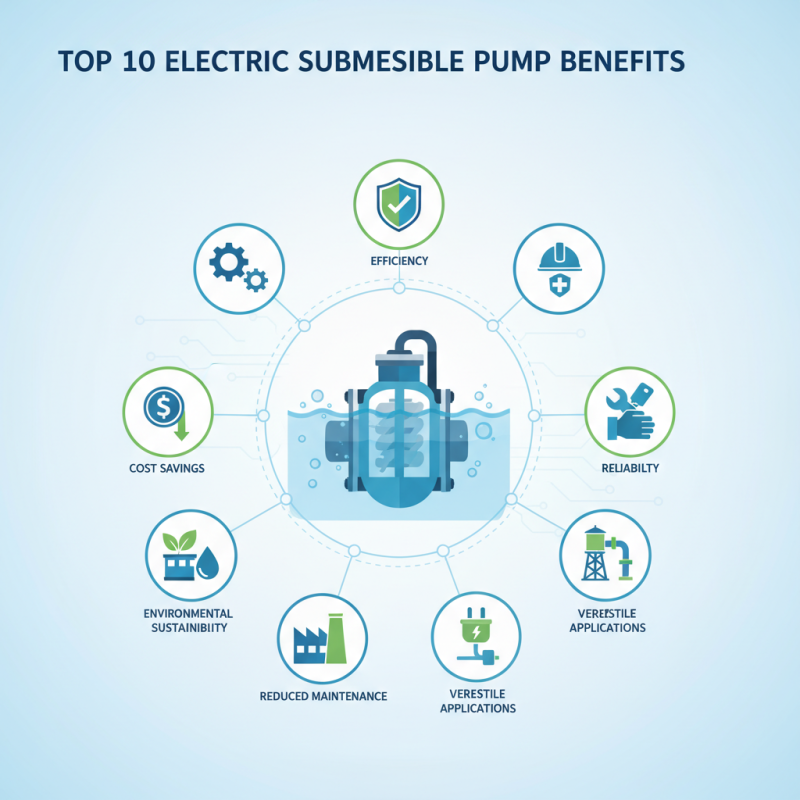
Top 10 Benefits of Electric Submersible Pumps
Maintenance and Longevity of Electric Submersible Pumps
Maintaining the longevity of electric submersible pumps is crucial for ensuring their efficient operation and minimizing downtime. Regular maintenance practices can significantly enhance their durability and performance.
One key aspect of upkeep involves routine inspections to check for wear and tear on components such as seals, bearings, and impellers. Early detection of any potential issues can prevent costly repairs and extend the operational life of the pump. Additionally, keeping the pump clean and free from debris is vital to prevent blockages that could impair its function.
Another important factor in the maintenance of electric submersible pumps is proper lubrication. Ensuring that moving parts are adequately lubricated reduces friction, which can lead to overheating and premature failure. Operators should also be mindful of the pump's working environment; exposure to corrosive materials or extreme temperatures can adversely affect performance. By implementing a consistent maintenance schedule and monitoring environmental conditions, users can significantly enhance the reliability and efficiency of their electric submersible pumps, ultimately resulting in lower operational costs and extended service life.
Applications of Electric Submersible Pumps in Water Management
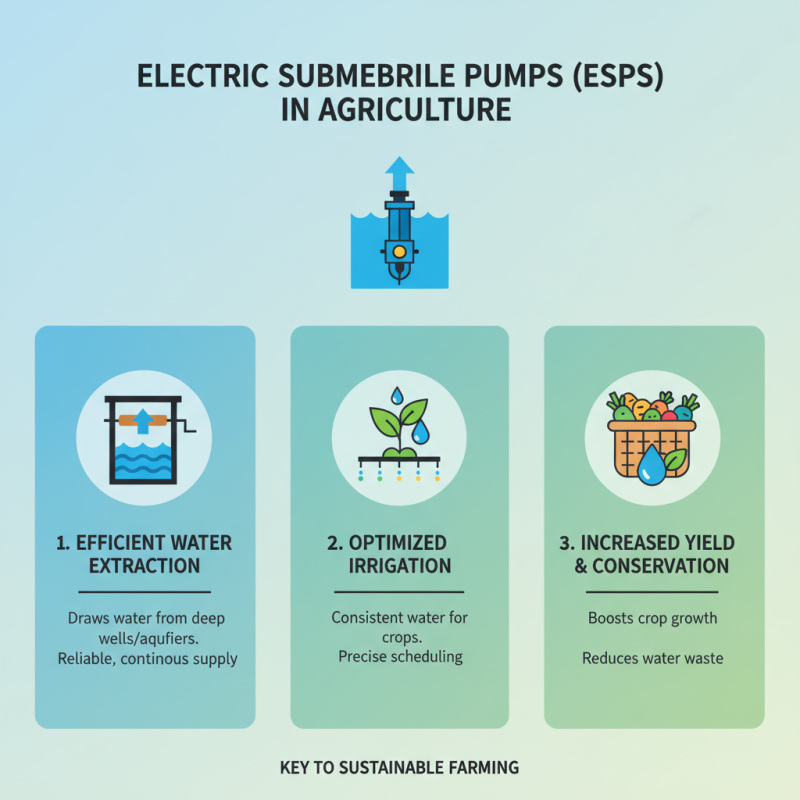
Electric submersible pumps (ESPs) play a crucial role in water management across various applications due to their efficiency and reliability. In agricultural settings, these pumps are essential for irrigation, providing a consistent water supply to crops while helping to conserve water resources. By efficiently extracting water from deep wells or aquifers, ESPs enable farmers to optimize their irrigation schedules, significantly improving yield and reducing water waste.
In urban environments, electric submersible pumps are vital for managing stormwater and wastewater systems. They facilitate the removal of excess water during heavy rainfall, preventing flooding and maintaining drainage systems' functionality. Additionally, ESPs are employed in water treatment plants to transport water, ensuring that clean and safe drinking water reaches communities. Their ability to operate at various depths makes them ideal for both residential and municipal water management, adapting to different requirements and contributing significantly to sustainable water resource management strategies.
Cost-Effectiveness of Electric Submersible Pumps Over Time
Electric submersible pumps (ESPs) are increasingly recognized for their long-term cost-effectiveness when compared to conventional pumping systems. One of the primary advantages of ESPs lies in their energy efficiency. Operating submerged in the fluid they are pumping, these pumps minimize energy losses, benefiting users with lower operational costs over time. As energy prices continue to fluctuate, the efficiency of ESPs ensures that they remain a viable option, making them an excellent investment for both residential and industrial applications.
In addition to energy savings, electric submersible pumps require minimal maintenance, contributing to their cost-effectiveness. Traditional pumps often need frequent servicing, which can lead to significant downtime and increased labor costs. In contrast, ESPs are designed for durability and reliability, allowing for longer intervals between maintenance checks. This not only saves money but also reduces the potential disruption caused by pump failures.
Over the lifespan of the equipment, these factors combine to enhance the overall economic benefits of using electric submersible pumps, establishing them as a smart choice for those seeking efficient and sustainable pumping solutions.
Environmental Impact of Using Electric Submersible Pumps
The environmental impact of using electric submersible pumps (ESPs) is increasingly becoming a focal point in discussions surrounding sustainable practices in various industries. ESPs are designed to minimize energy consumption while effectively handling a range of liquid types, making them a favorable choice for environmentally conscious operations. According to a report by the International Renewable Energy Agency, utilizing electric submersible pumps can reduce greenhouse gas emissions by up to 30% compared to traditional pumps that rely on fossil fuels. This transition not only contributes to a cleaner environment but also helps companies meet regulatory standards aimed at reducing their carbon footprint.
Furthermore, electric submersible pumps often incorporate advanced materials and designs to improve efficiency and longevity, which translates into lower consumption of resources over their operational lifetime. Research indicates that ESPs can operate efficiently at a lower power input—often requiring 20-50% less energy than their mechanical counterparts. This leads to a reduction in energy waste and ultimately less environmental degradation due to reduced resource extraction.
Tips: To maximize the environmental benefits of electric submersible pumps, it’s essential to perform regular maintenance and ensure that they’re tailored to the specific conditions of the application. Proper size selection and optimal operating conditions not only increase efficiency but also extend the lifespan of the pumps, further minimizing their environmental impact.
Top 10 Electric Submersible Pump Benefits That You Need to Know - Environmental Impact of Using Electric Submersible Pumps
| Benefit |
Description |
Environmental Impact |
| Energy Efficiency |
Electric submersible pumps are designed for optimal energy use, reducing power consumption compared to other pump types. |
Lower energy use leads to decreased greenhouse gas emissions. |
| Reduced Noise Pollution |
Quieter operation compared to diesel pumps, resulting in less disturbance to surrounding wildlife and communities. |
Minimized impact on local ecosystems. |
| Lower Carbon Footprint |
By utilizing electric energy, these pumps significantly reduce carbon emissions. |
Promotes cleaner air quality. |
| Durability and Longevity |
Electric submersible pumps are built to withstand harsh conditions, leading to longer service life. |
Less frequent replacements reduce waste and resource consumption. |
| Versatility |
Can handle various liquids, including clean water and waste, making them suitable for multiple applications. |
Effective in environmental remediation efforts. |
| Low Maintenance Requirements |
Electric pumps require less maintenance compared to mechanical pumps, saving time and resources. |
Reduced need for repairs lessens environmental degradation. |
| Automatic Operation |
Many models come with automated systems, improving efficiency and operational control. |
Less human intervention lowers the risk of accidents. |
| Submersible Design |
Installation below water surface minimizes surface disruption and protects surrounding habitats. |
Preserves local vegetation and animal life. |
| Cost-Effectiveness |
Over time, electric submersible pumps can lead to overall cost savings due to efficiency and low operating costs. |
Financially viable solutions contribute to sustainable practices. |
Harnessing Renewable Energy: The Benefits of AC/DC Hybrid Solar-Powered Pumps in Sustainable Water Management Solutions
The integration of AC/DC hybrid solar-powered pumps represents a significant advancement in sustainable water management solutions, especially in areas where access to clean water is a challenge. By harnessing renewable energy, these pumps utilize both alternating current (AC) and direct current (DC), enabling them to operate efficiently across various environments. This adaptability not only makes them ideal for off-grid locations but also enhances their performance during fluctuating power conditions, ensuring dependable water supply even in remote areas.
Using solar energy as the primary power source allows for a considerable reduction in operational costs and mitigates the reliance on fossil fuels. This is particularly beneficial in agricultural settings where water irrigation is essential for crop yields. Furthermore, the hybrid system ensures that water pumping can continue during cloudy days or low sunlight periods, significantly increasing the system's reliability. The combination of durability and efficiency in these pumps supports sustainable practices, encouraging more communities to adopt renewable energy solutions as part of their water management strategies, contributing to environmental conservation and resource sustainability.
FAQS
: Electric Submersible Pumps (ESPs) are pumps designed to operate submerged in fluid, making them efficient tools for various applications, including oil and gas, water management, and wastewater treatment.
ESPs are capable of handling both clean and contaminated fluids, making them suitable for diverse applications, including deep well drilling and sewage treatment. Their reliability in high-temperature and high-pressure conditions is particularly valued in the oil and gas industry.
ESPs can significantly enhance production rates in mature oil fields, with studies showing an increase in recovery rates by up to 20% compared to traditional pumps, helping operators maximize output without incurring the costs of new drilling operations.
ESPs are recognized for their energy efficiency, which leads to lower operational costs. They operate submerged in liquid, minimizing energy losses, making them a viable investment for both residential and industrial applications.
ESPs require minimal maintenance and have longer intervals between maintenance checks compared to conventional pumps, which often need frequent servicing. This reduces labor costs and downtime.
By being energy-efficient and reducing operational costs, ESPs align with the growing focus on sustainability, helping minimize environmental impacts in sectors like oil and gas.
Yes, ESPs are versatile and can be used in various applications, including residential water management and industrial pumping solutions.
The global electric submersible pump market is projected to exceed $22 billion by 2025, driven by their increasing adoption across different sectors.
Their durability and reliability allow for fewer maintenance needs and reduced potential for pump failures, thereby minimizing disruptions in operations.
The industry's focus is on maximizing output, reducing costs, and enhancing sustainability without incurring the expenses associated with new drilling or extensive maintenance.
Conclusion
Electric Submersible Pumps (ESPs) are essential tools across various industries, offering numerous benefits that enhance operational efficiency. Key features of ESPs include their compact design and ability to operate in submerged conditions, making them ideal for a range of applications, especially in water management. The advantages of ESPs extend to their energy efficiency, which results in lower operational costs and reduced environmental impact.
Moreover, ESPs are noted for their maintenance and longevity, often resulting in cost-effectiveness over time. The versatility of these pumps allows them to be utilized in sectors such as agriculture, wastewater treatment, and oil extraction. Overall, the Electric Submersible Pump stands out as a reliable and sustainable solution, meeting the demands of modern-day applications while promoting resource conservation.





 Mr Youkee Kong