Solar Pump

You know, as the Pump Inverter industry keeps evolving, it’s really important to stay on top of the latest trends. Someone like John Smith from TechFlow Conveyors puts it perfectly when he says, “The future of Pump Inverters is all about efficiency and innovation.” And honestly, as we head into 2026, there are a bunch of new shifts shaping how things are going to look.
Pump Inverters are getting smarter, with better control systems that actually improve performance. We're also seeing more applications popping up in sectors like farming and manufacturing. Plus, with IoT technologies making their way in, it’s opening up a lot of exciting opportunities—but let’s be real, it also brings some challenges. Not everyone is ready for these changes, which means businesses need to adapt pretty quickly.
Some companies are still dragging their feet when it comes to adopting *inverter solar pump* technology. Ignoring such advancements can really put you at a disadvantage. The future looks promising, but only if businesses are willing to innovate and embrace change. If you don’t keep up, you risk falling behind. Sure, the road ahead might have its hurdles, but those willing to adapt will probably come out on top.

As we approach 2026, the landscape of pump inverter technology is rapidly evolving. Emerging technologies are reshaping design and functionality. For instance, wide bandgap semiconductors like silicon carbide (SiC) are gaining traction. These materials enable higher efficiency and thermal performance, offering significant advantages over traditional silicon. Reports indicate that the global market for SiC in power electronics is expected to reach $2.81 billion by 2026.
Another trend involves the integration of advanced control algorithms. These algorithms improve the responsiveness and efficiency of pump systems. Data shows that intelligent predictive maintenance can reduce downtime by up to 25%. However, these systems often rely heavily on data analytics, which poses challenges in terms of data quality and cybersecurity. Companies struggle with integrating these technologies into existing infrastructure.
Furthermore, wireless communication technologies are on the rise in pump inverter designs. They allow for real-time monitoring, enhancing operational flexibility. Yet, this innovation comes with potential risks. Network vulnerabilities may expose critical systems to cyber threats. As the industry progresses, addressing these challenges will be key to maximizing the benefits of new technologies.
Energy efficiency is becoming crucial in Pump Inverters as industries focus on reducing operational costs. In 2026, more systems will utilize advanced algorithms to optimize energy use. These innovations can significantly decrease energy consumption, but they also require careful calibration.
One notable trend involves integrating IoT technology with pump inverters. This allows for real-time monitoring and adjustments. With smart sensors, operators can gather data and improve efficiency. However, the complexity of such systems can lead to misconfigurations. Ensuring accuracy is vital for maximizing benefits.
Another emerging area is sustainable materials in the construction of pump inverters. Eco-friendly designs can lower the carbon footprint significantly. Yet, these materials may not always meet performance expectations. Balancing sustainability with effectiveness is a challenge for many manufacturers. Energy efficiency is essential, but not at the cost of reliability.
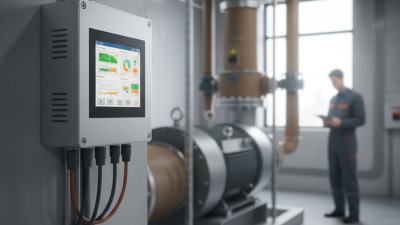
In recent years, smart pump inverters have transformed the industry. Their integration with the Internet of Things (IoT) and automation is a game changer. These devices collect real-time data, enabling more efficient operation. Users can monitor performance remotely. This reduces downtime and maintenance costs.
However, adopting this technology isn't without challenges. Many systems remain incompatible. Users need to evaluate existing equipment before upgrading. Investing in proper training is crucial. Knowledge gaps can lead to ineffective use of these systems.
Tips: Engage with available training programs. Research Inverter Solar Pump Manufacturers for compatibility. Explore case studies for real-world insights. Smart systems deliver benefits, but careful integration matters. Balancing innovation with practical application is key for success.
The pump inverter market is evolving rapidly. Key players are introducing innovative technologies that shape future trends. Industry reports suggest that the global pump inverter market is expected to reach $3.2 billion by 2026, growing at a CAGR of over 5%. This growth stems from rising energy efficiency demands.
Several notable companies are leading in this domain. Their focus on sustainability plays a crucial role. A recent survey indicated that about 70% of end-users prefer High-Quality Inverter Solar Pumps for their operations. This preference highlights a shift toward eco-friendly solutions and energy-efficient technologies.
However, challenges remain. Some companies struggle to meet the increasing demand. Additionally, integrating advanced digital technologies into existing systems can complicate operations. This complexity requires careful evaluation and adaptation. Overall, understanding market dynamics is essential for stakeholders in the pump inverter industry.
The pump inverter market is evolving rapidly, driven by various application areas. Water management remains a key sector. According to recent reports, about 40% of energy consumption in this sector can be optimized using inverter technology. Smart pumping systems are gaining traction, with IoT integration at their core. These systems can reduce operational costs by up to 30%.
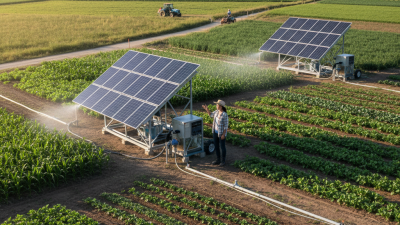
Agriculture is another major area. Precision irrigation relies heavily on pump inverters. These systems ensure that water is delivered efficiently. A study shows that using advanced inverter solutions can increase crop yield by more than 15%. Farmers are often hesitant to invest, citing high initial costs. However, long-term savings can outweigh these concerns.
Industries also benefit significantly from inverters. Energy efficiency improves with better pump control. Data shows that factories can cut energy usage by nearly 25% through optimal inverter settings. However, many companies underutilize existing technology. Understanding this discrepancy is vital for future growth. As an Inverter Solar Pump Manufacturer, embracing these trends can lead to substantial improvements in efficiency and sustainability.
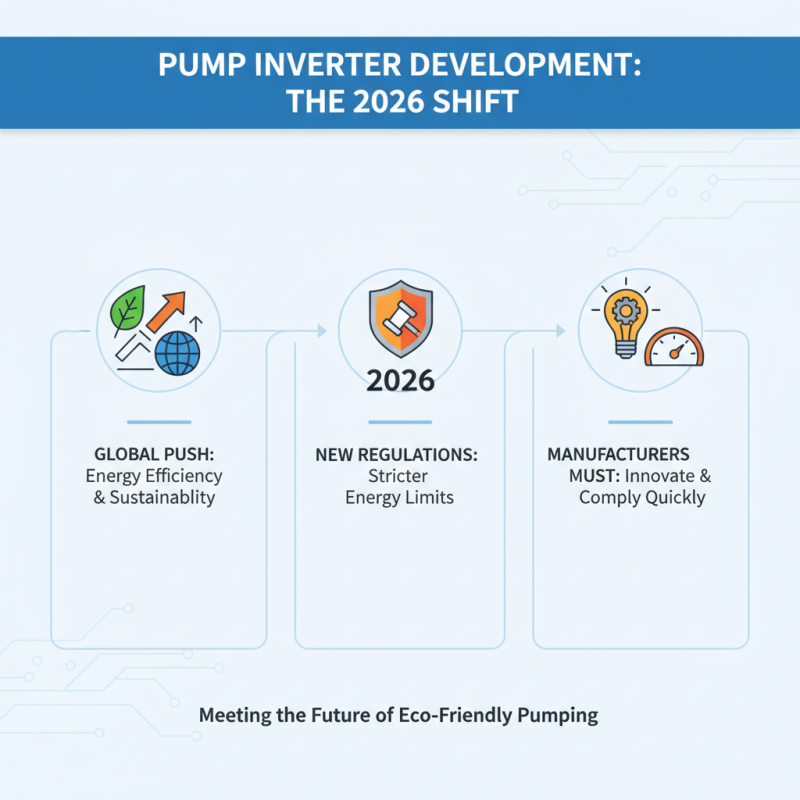
The landscape of pump inverter development is shifting in response to regulatory changes expected in 2026. Governments worldwide are emphasizing energy efficiency and sustainable practices. New regulations could enforce stricter energy consumption limits. This means manufacturers will need to innovate quickly to comply with these changes.
Environmental standards will also affect the materials used in inverter production. The push for eco-friendly components may raise costs initially. However, in the long run, this shift can lead to more sustainable products. Companies must adapt to these changes, or they risk falling behind competitors. The future is not just about technology but also environmental responsibility.
As the industry evolves, companies should be prepared for potential setbacks. Adjusting to new regulations could prove challenging. They may need to rethink their design processes entirely. Emphasizing flexibility in production will be crucial. After all, navigating regulatory landscapes requires constant vigilance and adaptation.
Sustainability is reshaping industries, including the pump inverter sector. Companies increasingly prioritize energy efficiency and reduced emissions. This shift drives innovation in pump inverter technology. It's no longer only about functionality but also environmental impact. Manufacturers are adopting practices that promote a circular economy. They aim to reduce waste and use renewable materials.
Tips for companies: Focus on energy audits. Understand usage patterns in your operations. This knowledge can help optimize inverter selection. Adjust settings to align with evolving sustainability goals. Consider the total lifecycle impact of products before making purchases.
Emerging trends show a rise in smart technology integration. Remote monitoring provides real-time data for better efficiency. However, there's a risk of over-reliance on technology. Ensure that staff are trained to interpret data effectively. Collaboration between departments can enhance decision-making. This holistic approach is crucial for sustainability initiatives.
As practices evolve, regulatory environments also change. Keeping up with these changes can be challenging. Stay informed through industry publications and forums. Adapting quickly to compliance demands is essential for operational success. Sustainable practices are more than a trend; they represent a vital shift for future growth.
| Trend | Description | Impact on Sustainability | Adoption Rate (%) |
|---|---|---|---|
| Energy Efficiency Improvement | Inverters designed to optimize energy consumption. | Reduces carbon footprint and operational costs. | 75% |
| Smart Technology Integration | Incorporation of IoT and AI for real-time monitoring. | Enhances efficiency and predictive maintenance. | 62% |
| Renewable Energy Compatibility | Inverters designed for integration with solar or wind sources. | Promotes the use of clean energy in pumping systems. | 68% |
| Modular Design | Flexible and scalable inverter systems. | Improves resource efficiency and waste reduction. | 55% |
| Advanced Control Systems | Uses sophisticated algorithms for optimal performance. | Enhances efficiency and minimizes energy waste. | 70% |
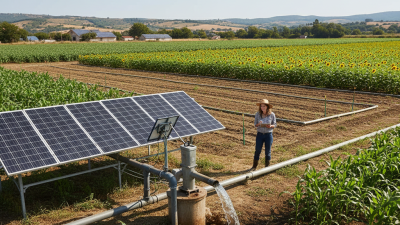
In the quest for sustainable agriculture, enhancing irrigation efficiency is paramount. The SSHF-H solar-powered centrifugal surface pump is a revolutionary solution that harnesses renewable energy to maximize agricultural productivity. Recent studies indicate that over 70% of global freshwater withdrawals are for agricultural purposes, highlighting the necessity for efficient water use. Traditional pumping methods often lead to considerable energy waste and operational costs, making solar-powered alternatives increasingly attractive for modern farms.
The SSHF-H pump operates on the principle of utilizing solar energy, which significantly reduces operational costs associated with diesel or electric pumps. Research has shown that solar-powered pumps can lead to a reduction in irrigation costs by up to 80%, translating to substantial savings for farmers. Additionally, these systems allow for the expansion of irrigation to remote areas that lack access to traditional electricity grids, thereby increasing arable land and crop yields.
Moreover, the environmental benefits cannot be overstated. As global agricultural practices come under scrutiny for their environmental impact, transitioning to solar-powered systems presents an opportunity to lower carbon footprints. Data from the International Energy Agency indicates that solar technologies can help reduce greenhouse gas emissions by an estimated 2.5 gigatons per year by 2030. By adopting the SSHF-H solar-powered centrifugal surface pump, farmers not only optimize their irrigation processes but also contribute to a more sustainable future for agriculture.
: You can hike, bike, or camp. Fishing and birdwatching are popular as well. Enjoying nature is essential.
Bring suitable footwear and weather-appropriate clothing. Don't forget snacks, water, and a first-aid kit. Be vigilant.
Communication is key. Discuss everyone's preferences. Respect personal space and make decisions together. It can be tricky.
Yes, but check specific regulations. Ensure your pet is comfortable outdoors. Some pets might disturb wildlife or others.
Familiarize yourself with the area. Carry a map or GPS. Stay aware of your surroundings. Accidents can happen easily.
Overpacking is frequent. Not checking weather can lead to discomfort. Ignoring safety guidelines is also a common oversight.
As we approach 2026, the pump inverter industry is set to experience significant advancements driven by emerging technologies and sustainability initiatives. Innovations in pump inverter design are focusing on enhanced energy efficiency, leading to smarter systems that integrate seamlessly with IoT and automation. These smart pump inverters are expected to optimize performance and reduce operational costs across various applications, making them crucial for industries reliant on precise fluid control.
Key market players are actively shaping the future of pump inverters, responding to changing regulatory landscapes that prioritize energy-efficient solutions. With application areas expanding and new sustainability initiatives impacting development strategies, the pump inverter market is poised for innovative breakthroughs. This evolution ensures that pump inverters will play an essential role in meeting the challenges of modern industry while also contributing to environmental goals.