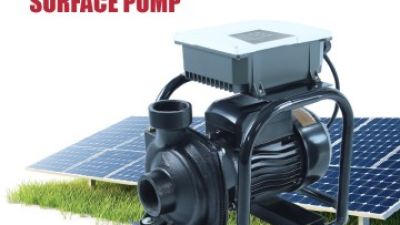
Lately, there's been a huge uptick in demand for DC submersible water pumps around the world. As more folks become concerned about the environment, these pumps are really catching on because they're a solid, dependable way to manage water. Experts are saying we're seeing some serious technological leaps, especially with solar-powered options. I remember hearing Dr. Emily Carter, a top expert in pump engineering, mention that "the real value of DC pumps isn’t just how well they work, but also how sustainable they are."
These pumps are pretty versatile—they serve pretty much everything from farming to aquaculture, which is pretty cool. They’re adaptable enough for a lot of different uses. Things like solar-powered water pumps and solar bore pumps are getting more and more popular, and people really like their efficiency and low running costs. It’s no wonder buyers trust these options more. Plus, the prices for DC screw-type solar bore pumps have gotten a lot more competitive lately.
That said, not all DC pumps are created equal. Some brands just don’t stand up in terms of durability or quality. So, it’s really important to do some homework before buying. Look for trustworthy reviews and sources—because at the end of the day, the proof is in how well they perform over time. For peace of mind, investing in a reliable, brushless DC solar water pump is definitely the way to go if you want something that’ll last and meet your expectations.
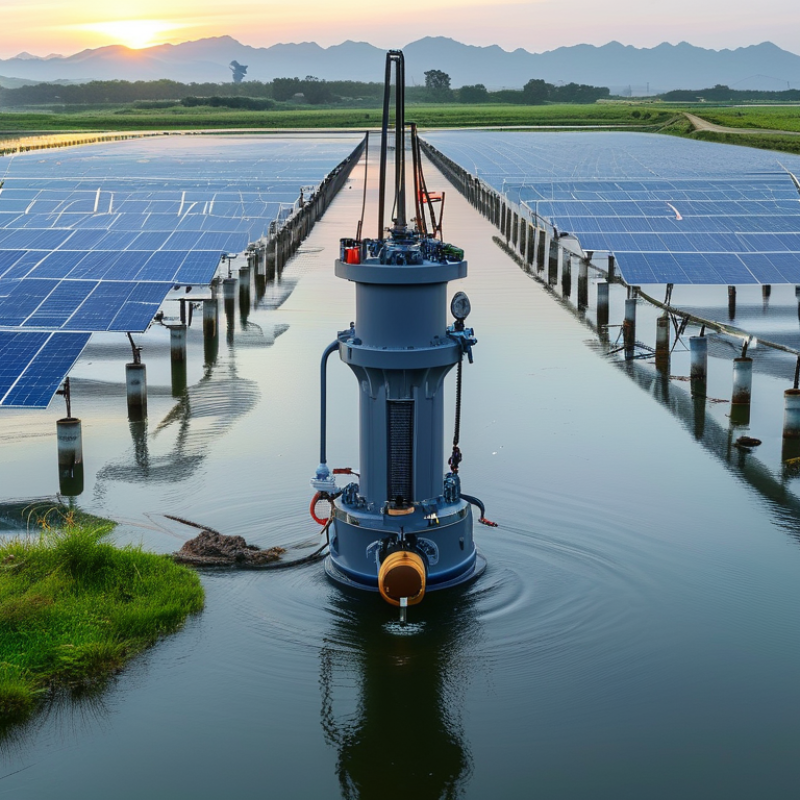
Understanding Submersible Water Pumps: A Comprehensive Overview
Submersible water pumps are crucial for a variety of applications. They are widely used in agriculture, landscaping, and construction. According to a recent industry report, the submersible pump market is projected to grow by 5.3% annually. This growth reflects the rising demand for efficient water management solutions globally.
Understanding the mechanics is key. A Water Pump Submersible operates underwater, ensuring smooth operation. These pumps are sealed to prevent water intrusion, which enhances durability. The efficiency of a submersible pump can significantly influence operational costs. Industry data shows that high-quality models can reduce energy consumption by up to 30%.
However, not all pumps meet every need. Factors like installation and maintenance can impact performance. Users must choose carefully to avoid potential issues. A poorly chosen pump can lead to frequent breakdowns and increased energy usage. Observing user experiences can provide valuable insights but may not capture every scenario. Each installation will have unique challenges.
Key Features of DC Submersible Water Pumps for Buyers
DC submersible water pumps have gained popularity among global buyers for several reasons. They are energy-efficient and versatile, making them suitable for various applications. A key feature of these pumps is their ability to operate under water, ensuring safety and functionality in challenging environments. Their compact design allows for easy installation in limited spaces, while their durability guarantees long-lasting performance.
When evaluating a DC submersible water pump, consider its flow rate and power consumption. A higher flow rate ensures greater efficiency in water delivery. Energy usage is crucial for maintaining cost-effectiveness, especially in remote areas. Buyers should also assess the noise level, as quieter pumps create a more pleasant environment.
Tips: Always check for warranty details before making a purchase. A good warranty can save you money in the long run. Regular maintenance of your water pump is essential to prevent costly repairs. Remember, not all pumps are created equal; each application may require a different specification. The Deep Submersible Solar Water Pump is an example of how modern technology can enhance performance and sustainability. Ensuring your pump meets your specific needs is vital. Don’t rush your decision; take the time to study your options carefully.
Benefits of Using DC Submersible Water Pumps in Various Applications
DC submersible water pumps have gained popularity due to their energy efficiency. These pumps can operate on solar energy, making them an ideal choice for remote locations. For homeowners, they provide an eco-friendly alternative. These systems can reduce electricity costs and minimize the carbon footprint.
In agriculture, they effectively support irrigation systems. Farmers can rely on consistent water supply without high operational costs. The adaptability of DC submersible water pumps makes them suitable for diverse environments. They perform well in deep wells and harsh conditions.
Maintaining the advantages of these pumps does present some challenges. Maintenance may require expertise. Users often overlook regular checks, leading to performance issues. Understanding these pumps is crucial for maximizing their benefits.
Investment in a reliable
Acdc Solar Submersible Water Pump can be a long-term solution, but it requires thoughtful consideration. Education on proper usage could enhance overall efficiency.
Top-Rated Brands of DC Submersible Water Pumps on the Market
When exploring the landscape of DC submersible water pumps, numerous brands stand out for their quality and performance. These pumps cater to various applications, ranging from irrigation to aquariums. Buyers often appreciate the reliability these products offer. However, product reviews and experiences vary significantly across different user profiles.
Many customers report satisfaction with pumps that exhibit energy efficiency. A good DC submersible water pump should maximize output while minimizing energy consumption. However, some might find that not all pumps live up to their advertised specifications. It’s crucial to check performance data and user testimonials thoroughly. The 220v Submersible Water Pump often highlights robust design, yet not every model is built for all environments.
It’s essential to consider specific use cases. Some models excel in residential settings, while others might disappoint in heavier industrial uses. Buyers must weigh their options and reflect on their actual needs. Choosing a pump requires careful thought, balancing cost against anticipated performance. Seeking expert opinions can guide consumers toward smarter decisions.
Top Rated DC Submersible Water Pumps
Factors to Consider When Choosing a DC Submersible Water Pump
When selecting a DC submersible water pump, various factors significantly influence your decision. Flow rate is paramount; it's crucial to choose a pump that matches your specific water delivery needs. Research indicates that units offering 300 to 500 GPH (gallons per hour) often suit residential uses, while industrial applications typically require much higher flows. Inadequate flow can lead to inefficient operations, affecting overall system performance.
Additionally, energy efficiency matters. A study by the U.S. Department of Energy highlights that submersible pumps can use up to 30% less energy than conventional models when properly sized. This can translate to significant savings over time, especially in large-scale operations. However, it is essential to analyze your specific context, as not all energy-efficient models provide the best performance in every environment.
Another important consideration is build quality and materials. Corrosive environments demand pumps made from durable materials to withstand conditions. Stainless steel or high-grade thermoplastics can offer longer lifespans. Pricing also plays a role, as cheaper models may use inferior materials, leading to failures. It's crucial to weigh initial costs against long-term reliability. Choosing the right pump requires thoughtful reflection on these factors to ensure longevity and optimal performance.
Maintenance Tips for Maximizing the Lifespan of Your Pump
When it comes to submersible water pumps, regular maintenance is key to maximizing lifespan. Research shows that properly maintained pumps can last up to 15 years, while neglected ones may fail within five. Simple steps can make a big difference. Regularly check the pump for blockages or debris. Even small clogs can lead to decreased performance.
It's important to clean the impeller and check for wear. An impeller in good condition improves the pump's efficiency significantly. Additionally, monitoring the pump's operating temperature is essential. Excessive heat can shorten its lifespan. Industry reports indicate that over 30% of pump failures are due to overheating, often preventable with proper monitoring.
Finally, consider routine professional inspections. An expert can spot issues early, avoiding costly repairs later. Neglecting this step can lead to missed warnings about potential failures. Each component plays a part in the pump’s performance. A little attention can go a long way in extending the life of your pump.
Comparative Analysis: DC Submersible Water Pumps vs. AC Pumps
DC submersible water pumps have gained popularity for various applications, particularly for their energy efficiency. According to industry reports, these pumps consume 30% less energy than their AC counterparts in similar conditions. This efficiency translates to lower operational costs, making them appealing to global buyers.
Conversely, AC pumps often provide high flow rates and are well-suited for larger operations. However, they generally require more maintenance and have a shorter lifespan. It's critical to weigh these factors when considering the best option for your needs. DC pumps can run quietly, which is beneficial in residential areas.
Tips: Consider the water source depth. DC pumps often excel in shallower applications. Assess your project's size to match the pump's capacity effectively. While DC pumps are efficient, their dependency on battery storage can be a limitation in continuous operations. Understand the trade-offs before making a decision.
Top Rated DC Submersible Water Pumps for Global Buyers - Comparative Analysis
| Feature |
DC Submersible Pumps |
AC Submersible Pumps |
| Power Source |
Direct Current (DC) |
Alternating Current (AC) |
| Efficiency |
Higher efficiency in low voltage |
Generally less efficient in low voltage |
| Noise Level |
Low noise operation |
Higher noise levels |
| Application |
Best for solar systems and remote areas |
Widely used in urban environments |
| Cost |
Typically more affordable |
Often more expensive due to durability |
| Lifespan |
Shorter lifespan under continuous use |
Longer lifespan with proper maintenance |
| Weight |
Generally lighter |
Usually heavier |
Harnessing Solar Energy: The Benefits of SSHF-L Solar-Powered Centrifugal Surface Pump for Efficient Agricultural Irrigation
Harnessing solar energy has become a cornerstone in revolutionizing agricultural practices, particularly through the use of innovative technologies like solar-powered centrifugal surface pumps. One of the primary advantages of these pumps is their ability to provide a sustainable, renewable source of energy for irrigation, drastically reducing dependency on fossil fuels and minimizing operational costs. By converting sunlight into mechanical power, farmers can ensure consistent water supply to their crops, even in remote areas where traditional energy sources may be scarce or economically unfeasible.
The SSHF-L solar-powered centrifugal surface pump exemplifies the efficiency that can be achieved with solar technology in agriculture. These pumps are designed to deliver high performance with minimal energy consumption, making them ideal for large-scale irrigation systems. They not only help in conserving water resources by enabling precise irrigation practices but also promote environmental sustainability by reducing carbon footprints. The incorporation of solar energy into irrigation strategies highlights a significant step forward in achieving efficient and eco-friendly agricultural solutions, paving the way for a more sustainable future in farming.
FAQS
: They are known for their energy efficiency and versatility. They can operate underwater, ensuring safety.
A higher flow rate is crucial for efficient water delivery. It directly influences performance effectiveness.
Yes, some pumps can be noisy. Quieter models create a more pleasant environment for users.
A good warranty can save money in the long run. It provides security against potential defects.
Regular maintenance is crucial. Overlooking checks can lead to performance issues and costly repairs.
Yes, they support irrigation systems effectively. They provide consistent water supply without high costs.
Yes, maintenance may require expertise. Users should educate themselves to maximize benefits.
They are adaptable and perform well in deep wells and harsh environments.
Buyers should study flow rate, power consumption, noise levels, and specific application needs before buying.
Yes, they can reduce electricity costs and carbon footprints, making them eco-friendly options.
Conclusion
The article "Top Rated DC Submersible Water Pumps for Global Buyers" provides an extensive overview of DC submersible water pumps, highlighting their key features and benefits across various applications. It emphasizes the advantages of these pumps, such as energy efficiency and reliability, making them suitable for a wide range of uses from agricultural irrigation to home water supply.
Additionally, the article discusses important factors to consider when selecting a DC submersible water pump, such as power, flow rate, and durability, ensuring that buyers can make informed choices. Maintenance tips are also provided to help maximize the lifespan of these pumps. A comparative analysis of DC submersible water pumps versus AC pumps offers deeper insights, helping readers understand the distinctions and advantages of choosing DC options for their specific needs.

 DC SOLAR SUBMERSIBLE PUMP
 AC/DC Solar submersible Pump
 DC Solar Surface Pump
 AC/DC solar surface Pump
 Solar swimming Pool Pump
 Built-in Controller Solar Pump
 Solar Pump inverter
 Pump Accessories




 Mr Youkee Kong