In today’s world, where renewable energy is becoming more and more of a big deal, managing solar power the right way is super important. That’s where solar controllers come into play — they’re like the traffic cops of your solar setup. Basically, they keep the voltage and current from your panels in check before it hits your batteries. If they don’t do their job well, it can really affect how effective your whole solar system is.
You’ve probably heard of companies like Victron Energy and Morningstar — they make some pretty solid solar controllers for all kinds of setups. These gadgets don’t just help you manage energy better; they also help your batteries last longer, which is a huge win. Their tech makes sure the batteries charge and discharge just right, so they stay healthier for longer. That said, not all controllers are created equal. Some might be missing key features you actually need, and that can make your system run less efficiently.
When you’re checking out different solar controllers, it’s a good idea to think about what really fits your needs. For instance, if you’re into irrigation, a Solar Pump Controller could make a big difference in keeping your water systems running smoothly. But, honestly, picking the right one can be a bit of a challenge. Doing your homework — reading reviews and sharing opinions — can really help you make smarter choices. At the end of the day, it’s all about finding the right match to meet your energy goals and keep things running smoothly.
Understanding Solar Controllers and Their Role in Energy Management
Solar Controller
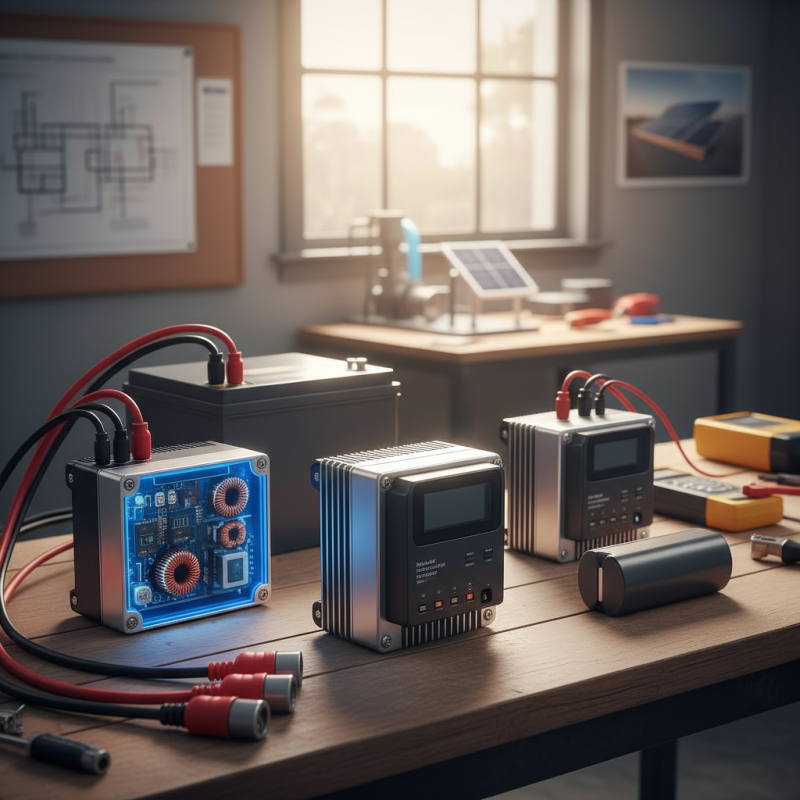
are essential for managing energy from solar systems. They regulate the charging and discharging of batteries. This ensures optimal energy use and prolongs battery life. A good solar controller can significantly improve energy efficiency, which is vital in renewable energy setups.
Understanding how solar controllers function is crucial. They monitor the energy flow from solar panels to batteries and loads. By regulating voltage and current, they prevent overcharging and protect batteries from damage. The right solar controller can adapt to fluctuating energy levels, maintaining system stability.
Many people overlook the importance of proper installation and settings for solar controllers. Misconfigurations can lead to energy losses. It's crucial to customize settings based on specific energy needs. Evaluating system size and energy demand helps in selecting the best solar controller. Real-world performance can vary, making regular assessments necessary for continuous improvement.
Types of Solar Controllers: PWM vs. MPPT and Their Efficiency Metrics
When exploring solar controllers, two main types dominate: Pulse Width Modulation (PWM) and Maximum Power Point Tracking (MPPT). Each boasts unique efficiency metrics that cater to different energy management needs. PWM controllers regulate voltage and current flow by switching at a fast rate. While they are simpler and often cheaper, their efficiency peaks at around 70-80% under ideal conditions.
In contrast, MPPT controllers excel at optimizing energy extraction. They continuously adjust the electrical operating point of the modules. This allows MPPT systems to achieve efficiencies of 90% or even higher. By maximizing energy harvest, they often outperform PWM models, especially when weather conditions fluctuate. According to a recent industry study, MPPT technology can increase energy capture by over 20% in certain circumstances.
However, the selection between PWM and MPPT should consider specific needs. For small-scale systems, a PWM controller might suffice. In contrast, larger setups or those reliant on consistent energy output, such as a Solar Water Pump Controller, benefit from MPPT’s enhanced performance. Evaluating these factors can lead to better energy management decisions and ultimately more sustainable practices.
Key Features to Look for in High-Performance Solar Controllers
When selecting high-performance solar controllers, several key features should be prioritized. Efficiency is critical. Controllers should maximize energy conversion from solar panels to battery storage. Look for MPPT (Maximum Power Point Tracking) technology. This can significantly increase energy harvest, especially in varying light conditions.
Monitoring capabilities are also vital for effective energy management. Many controllers provide real-time data on energy production and consumption. Good controllers have user-friendly displays and apps. This aids in understanding energy flow and making informed decisions. Consider the ease of installation and compatibility with existing systems. Some setups may not be straightforward, requiring a learning curve.
Protection features offer peace of mind. Some controllers include overcharge, over-discharge, and short-circuit protection. These features help prolong battery life and improve system reliability. However, it’s essential to understand the limitations of each controller. Not all features may work seamlessly together. Therefore, thorough research is necessary to ensure optimal performance. A wise choice reflects both current needs and future expansions.
Industry Trends: The Growing Demand for Advanced Solar Management Systems
The rising demand for advanced solar management systems reflects a pivotal shift towards sustainable energy. As technology evolves, users seek efficient solutions to maximize solar energy utilization. High-quality solar controllers are essential for managing power flow, particularly during peak sun hours. With models like the
40 Amp Mppt Solar Charge Controller, energy management reaches new heights.
Current industry trends highlight the importance of integrating smart systems into solar power setups. These systems offer real-time data and analytics. Users can track their energy consumption, ensuring minimal waste. Adjustments can be made according to power needs, improving overall system efficiency. Consider adopting an adaptive approach in your energy management plan. Reflect on your energy patterns and optimize usage accordingly.
Tip: Regular monitoring of solar output can reveal inefficiencies in the system. Make adjustments as needed. Understanding how different seasons affect solar production will help you plan better. Invest in education about emerging technologies. This ongoing knowledge can empower users to make informed choices.
Comparative Analysis of Top Solar Controller Brands and Models
In selecting the ideal solar controller, understanding the different brands and models on the market is crucial. Each controller varies in efficiency, design, and features. For instance, some controllers are designed specifically for off-grid systems, while others excel in grid-tied setups. This makes it important to match your choice with your energy needs.
When analyzing features, pay attention to charge algorithms, which optimize battery health. Many top controllers offer various charging modes like bulk, absorption, and float. However, not all models communicate well with batteries. A mismatch can lead to inefficiencies, draining energy or shortening battery life. Look for user reviews to gauge real-world performance.
Monitoring capabilities also differ significantly among models. Some controllers provide comprehensive data optimization, allowing users to track energy production. But others may lack essential monitoring apps. This variability can impact the overall effectiveness in managing energy resources. It's essential to review specific functions that match your requirements while reflecting on potential trade-offs.
Top Solar Controllers for Efficient Energy Management
| Model |
Voltage Rating |
Max Current |
Efficiency (%) |
Features |
| Model A |
12/24V |
30A |
95 |
LCD Display, USB Port |
| Model B |
12/24V |
40A |
98 |
Built-in Bluetooth, Timer |
| Model C |
12/24/36V |
20A |
92 |
MPPT, High-Temperature Protection |
| Model D |
12/24V |
50A |
97 |
Extended warranty, Remote Monitoring |
Real-World Energy Efficiency Gains from Using Solar Controllers
In the quest for energy efficiency, solar controllers play a critical role. They manage the flow of electricity from solar panels to batteries, ensuring optimal usage. By regulating battery charging, these controllers can prevent overcharging or deep discharging. Real-world applications demonstrate significant energy savings. Homes and businesses report lower energy bills thanks to effective management.
Many users report improvements in battery life and system performance. A well-functioning solar controller leads to more reliable energy systems. People notice that their solar setups are much more efficient with proper regulation. However, not all solar controllers are created equal. Some require frequent updates or adjustments, which can be a hassle.
The Powertech Solar Controller is an example of technology aimed at enhancing performance. Even with advanced features, users must regularly monitor their systems. Experience shows that regular maintenance can enhance efficiency. There’s always room for improvement in energy management. Nonetheless, the benefits of well-chosen solar controllers are usually compelling. Insights from users highlight both the gains and challenges in this technology landscape.
Future Innovations in Solar Controller Technology and Their Impact on Energy Use
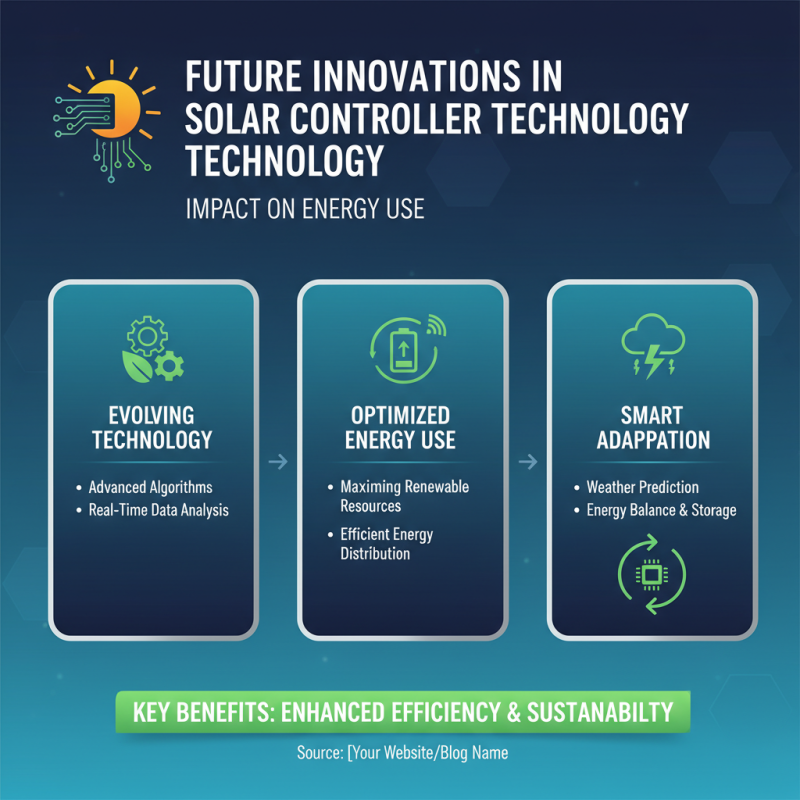
Solar controller technology is rapidly evolving, with innovations focused on energy efficiency. These devices manage solar energy usage, optimizing how we harness renewable resources. Advanced algorithms now analyze real-time data, adjusting energy distribution for maximum efficiency. For example, new controllers can predict weather patterns and adjust settings accordingly, ensuring that energy remains in balance.
One area needing reflection is user interface design. Many controllers still rely on complex functions that can confuse users. A simple, intuitive interface could empower users to make better energy management decisions. Moreover, incorporating machine learning can help identify usage patterns, but this advance raises questions about data privacy and security.
Additionally, smart connectivity features are gaining traction. By integrating with smart home systems, solar controllers can automate energy consumption. However, the reliance on technology also presents risks. Connectivity problems might lead to missed optimizations, resulting in wasted energy. As the industry progresses, finding the right balance between innovation and usability will be critical for maximizing solar energy's potential.
FAQS
: Solar controllers manage energy flow in solar systems. They regulate battery charging and discharging to optimize usage.
They monitor voltage and current. This prevents overcharging, reducing the risk of battery failure and extends battery life.
The two main types are Pulse Width Modulation (PWM) and Maximum Power Point Tracking (MPPT). Each serves different efficiency needs.
PWM controllers can achieve efficiency of 70-80% under ideal conditions. They are simpler but might not be the best for all setups.
MPPT controllers can exceed 90% efficiency. They maximize energy extraction and adapt to changing weather conditions.
Improper installation may lead to energy losses. It’s crucial to customize settings based on specific system needs and demands.
Effective solar controllers can lead to lower energy bills. Many users report significant energy savings from their solar systems.
Some controllers require frequent updates or adjustments. Regular monitoring is necessary to maintain optimal performance and efficiency.
Yes, performance can differ based on system size and energy demands. Evaluating these aspects is essential for better energy management.
Regular maintenance improves efficiency and reliability. Users may need to invest time for optimal energy management results.
Conclusion
Solar controllers play a crucial role in managing energy from solar panels, ensuring optimal performance and efficiency. They come in two main types: Pulse Width Modulation (PWM) and Maximum Power Point Tracking (MPPT), each with distinct efficiency metrics. High-performance solar controllers are characterized by key features such as energy monitoring, system compatibility, and user-friendly interfaces, which are becoming increasingly important as the demand for advanced solar management systems grows.
Recent trends indicate a shift towards more sophisticated solar controller technologies that promise significant energy efficiency gains in real-world applications. The continuous evolution in this field points to future innovations that will enhance energy management, leading to better resource utilization and sustainability. As the adoption of solar energy increases, understanding and selecting the right solar controller will be vital for maximizing the benefits of solar power.

 DC SOLAR SUBMERSIBLE PUMP
 AC/DC Solar submersible Pump
 DC Solar Surface Pump
 AC/DC solar surface Pump
 Solar swimming Pool Pump
 Built-in Controller Solar Pump
 Solar Pump inverter
 Pump Accessories



 Mr Youkee Kong