Hey there! So, in the world of sustainable farming, one thing that’s really catching on is the whole idea of efficient irrigation systems. And honestly, one of the coolest advancements lately has to be these solar pump water systems. They use sunlight to power water pumps, which is pretty awesome because it makes watering crops way more reliable without breaking the bank on energy. Dr. Emily Foster, who’s pretty much a go-to expert in eco-friendly water management, pointed out that these solar pumps aren’t just saving farmers money—they’re also helping promote more environmentally friendly farming practices. Basically, they’re paving the way toward a greener, more sustainable future.
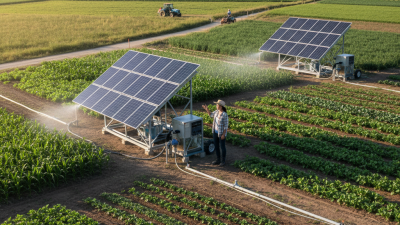
Farmers today are dealing with all sorts of challenges like water shortages and the rising costs of fuel, so these solar-powered water pumps come as a smart, innovative solution. They use solar panels to turn sunlight into electricity, which then powers the pumps that draw water from wells or rivers. By making the switch to these systems, farmers can get better at managing their water and at the same time, cut down on their dependence on fossil fuels.
Switching to solar for irrigation isn’t just a passing trend; it’s actually a significant move towards farming that’s better for our planet. In the next section, we’ll dive into the top 10 solar pump options out there—so you can see which ones might work best for your needs. Staying ahead with these innovations means you’re not only improving your farm but also doing your part for a more sustainable future.
Advantages of Solar Pumps for Irrigation Systems
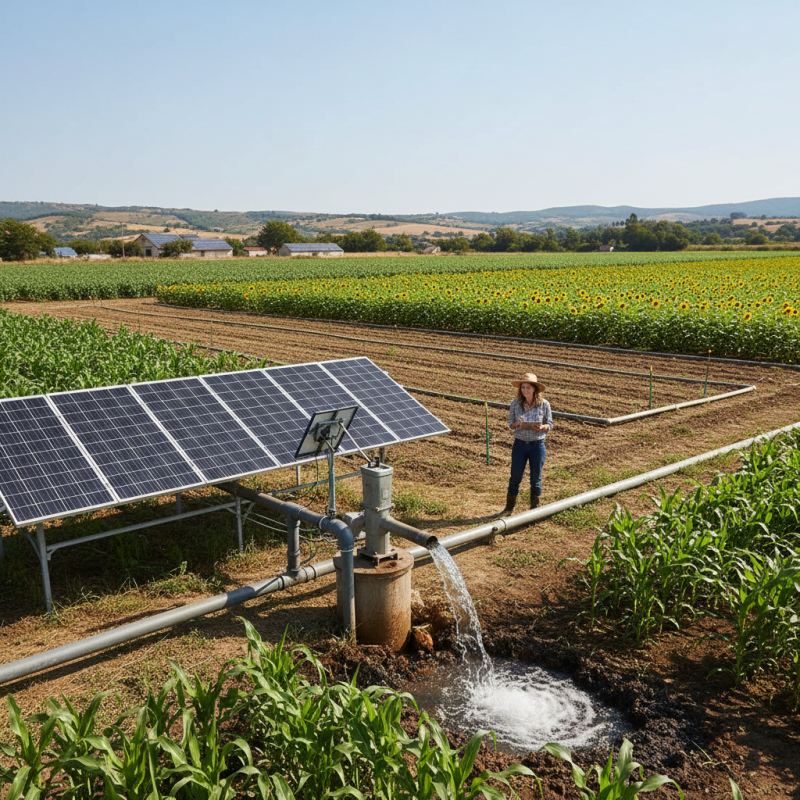
Solar pumps offer a sustainable solution for irrigation systems, providing a host of advantages that make them increasingly popular among farmers and gardeners alike. One of the primary benefits is their independence from traditional energy sources. This not only helps reduce electricity costs but also contributes positively to the environment by minimizing carbon footprints. The use of solar energy harnesses a renewable resource, making it an eco-friendly alternative to gas or diesel-powered pumps.
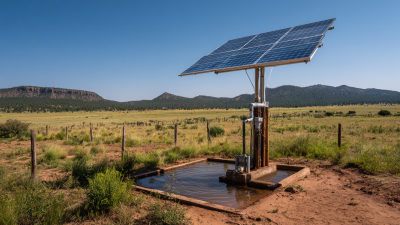
Another significant advantage of solar pumps is their reliability, especially in remote areas where access to electricity can be limited or non-existent. These pumps can operate in various weather conditions, ensuring a consistent water supply for crops. Additionally, solar pumps often require less maintenance than conventional pumps due to fewer moving parts, enhancing their durability and reducing long-term operational costs. This reliability enables farmers to maintain efficient irrigation schedules, ultimately leading to better crop yields and sustainable agricultural practices.
Types of Solar Pumps Suitable for Irrigation
When it comes to choosing the right solar pumps for your irrigation needs, several types stand out due to their efficiency and functionality. One popular option is the solar submersible pump, ideal for deeper wells or boreholes. These pumps are designed to lift water from significant depths while operating entirely on solar power, making them energy-efficient and environmentally friendly.
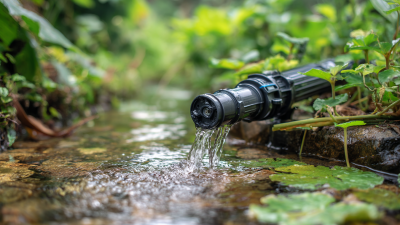
Another option is the surface solar pump, which is suitable for shallow water sources like ponds or streams. These pumps are easier to install and maintain, providing an excellent solution for small-scale irrigation systems.
Tips for choosing the right solar pump include assessing your water needs and the specific characteristics of your irrigation layout. It’s vital to calculate the total dynamic head (TDH) required for your setup to ensure the pump can deliver adequate pressure. Also, consider the solar panel capacity needed, as it directly influences the pump's operational efficiency.
In addition, investing in a solar water pump system with a battery backup can enhance reliability, particularly for areas with variable sunlight.
This feature allows the pump to operate even during cloudy days or at night, ensuring a consistent water supply for your crops. Always prioritize systems that offer durability and warranty for peace of mind in your irrigation investment.
Key Features to Consider When Selecting a Solar Pump
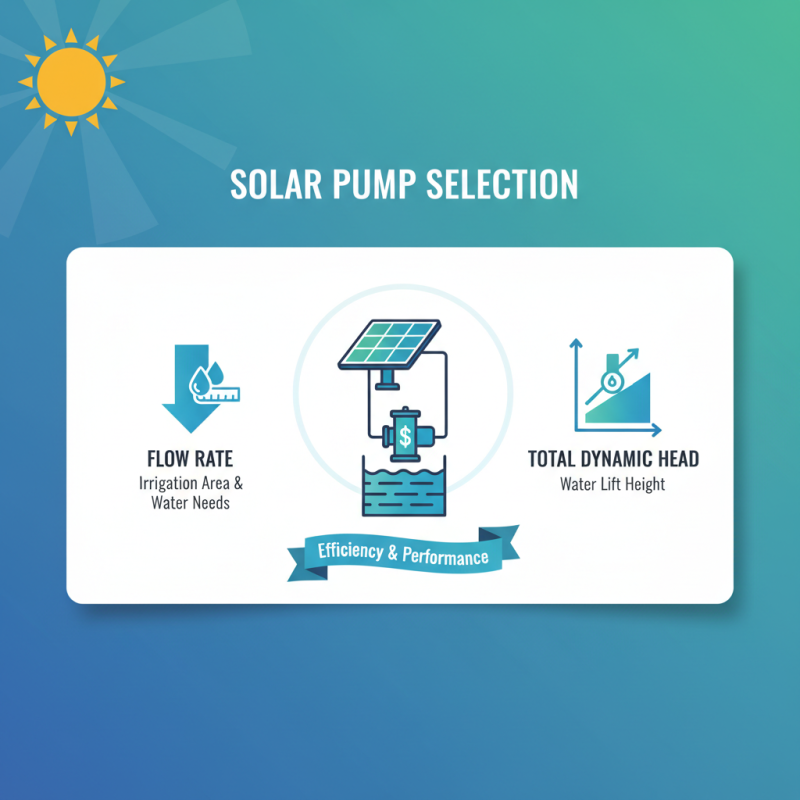
When selecting a solar pump for irrigation needs, there are several key features to consider to ensure optimal efficiency and performance. One of the most crucial aspects is the pump's flow rate, which determines how much water the pump can deliver within a specific timeframe. Assessing your irrigation area’s size and water requirements will help you choose a pump that provides adequate water supply. Additionally, understanding the total dynamic head— the height the water needs to be lifted— is essential, as it influences the pump's selection based on its capability to move water effectively against gravitational forces.
Another important consideration is the type of solar panel used in conjunction with the pump. The efficiency and quality of solar panels can significantly affect the system's overall performance. It's also beneficial to look for solar pumps with built-in controllers that optimize energy consumption and maintain a steady water flow, even during varying sunlight conditions. Furthermore, durability and weather resistance are vital for ensuring longevity, especially in outdoor environments where the pump may be subject to harsh conditions. These features collectively enhance the reliability and efficiency of solar pumps, making them an excellent choice for sustainable irrigation solutions.
Top Solar Pump Brands and Their Unique Solutions
When exploring solar pump solutions for irrigation, it becomes essential to recognize the unique offerings of various brands that tailor their products to meet diverse agricultural needs. These brands often emphasize energy efficiency and versatility, ensuring that their solar pumps can operate effectively in varying environmental conditions. Many incorporate advanced technology, such as smart controllers and inverters, which not only enhance performance but also optimize water usage, enabling farmers to conserve resources while maintaining productivity.
Furthermore, some brands focus on sustainability by integrating recyclable materials into their pump designs and supporting eco-friendly practices in their operations. This approach not only bolsters the longevity of the pumps but also ensures that the environmental impact remains minimal. By offering customizable solutions, these brands empower users to select pumps that best fit their specific requirements, from small-scale gardens to larger agricultural operations.
Each brand provides a unique combination of reliability and innovation, positioning their solar pumps as indispensable tools for modern irrigation systems.
Installation Process for Solar Water Pumps in Irrigation
The installation process for solar water pumps in irrigation is crucial to ensure optimal performance and efficiency. According to a report by the International Renewable Energy Agency (IRENA), solar-powered irrigation can significantly enhance water management, enabling farmers to utilize water resources more effectively. When installing a solar water pump, the first step involves determining the specific water requirements of the crops and assessing the available solar energy resources. This ensures that the pump selected can deliver adequate pressure and flow rate to meet irrigation demands.
Once the requirements are established, the next phase is site preparation. This includes selecting an appropriate location for the solar panels that maximizes sun exposure throughout the day. As highlighted in a study by the Food and Agriculture Organization (FAO), transparent planning can lead to heightened efficiency, potentially increasing crop yield by 30% in sun-reliant environments. Following site preparation, the installation involves mounting the solar panels at an angle to capture the most sunlight and connecting them to the pump system. Ensuring proper connections, along with adequate waterproofing measures, is fundamental to maintain the integrity of the system over time. With a successful installation, farmers can enjoy the benefits of a renewable energy source that reduces operation costs while ensuring sustainable irrigation practices.
Top 10 Solar Pumps Water Pump Solutions for Your Irrigation Needs
| Model |
Pump Type |
Power Output (W) |
Max Flow Rate (L/min) |
Max Head (m) |
Price (USD) |
| Model A |
Submersible |
300W |
25 |
30 |
500 |
| Model B |
Surface |
400W |
30 |
25 |
600 |
| Model C |
Submersible |
250W |
20 |
28 |
450 |
| Model D |
Surface |
500W |
35 |
35 |
750 |
| Model E |
Submersible |
350W |
28 |
32 |
550 |
| Model F |
Surface |
450W |
35 |
30 |
650 |
| Model G |
Submersible |
280W |
22 |
26 |
480 |
| Model H |
Surface |
350W |
30 |
25 |
520 |
| Model I |
Submersible |
600W |
40 |
40 |
800 |
| Model J |
Surface |
500W |
35 |
30 |
700 |
Maintenance Tips for Optimal Performance of Solar Pumps
Solar pumps are becoming increasingly popular for irrigation, thanks to their eco-friendly nature and cost-effective operation. To ensure they function at peak efficiency, regular maintenance is crucial. According to the International Renewable Energy Agency (IRENA), properly maintained solar water pumps can increase efficiency by up to 40%, leading to substantial water and energy savings.
Key maintenance practices include regularly checking the solar panels for dirt and debris, as this can significantly affect their energy absorption. A study by the Solar Energy Industries Association (SEIA) indicates that cleanliness can boost solar panel efficiency by an average of 5-25%. Additionally, inspecting the pump components, including motor and wiring, helps prevent mechanical failures and extends the lifespan of the system.
It's also essential to monitor the system's performance regularly. Keeping track of water output and energy consumption can help identify issues early on. According to the Global Renewable Energy Report, nearly 30% of solar pump failures are related to lack of routine checks. Investing time in these maintenance practices not only ensures optimal performance but also maximizes the return on investment for solar irrigation systems.
Top 10 Solar Pumps Water Pump Solutions for Your Irrigation Needs
This chart represents various metrics related to solar pumps used for irrigation, including efficiency, durability, water flow rate, power consumption, and cost. Understanding these metrics can help in choosing the right solar pump for your needs.
Cost Analysis: Solar Pumps vs. Traditional Water Pumps
When considering irrigation solutions, a cost analysis of solar pumps versus traditional water pumps reveals significant differences that could impact your decision. Solar pumps operate using energy harnessed from the sun, making them an environmentally friendly and often more sustainable option. While the upfront investment for solar pumps may be higher, the long-term savings on electricity bills and maintenance can offset these costs. Moreover, with advancements in solar technology, many farmers find that solar pumps can be more reliable and require less upkeep compared to their traditional counterparts.
Tips: Evaluate your water needs and calculate how much irrigation water you will require throughout the growing season. This will help determine the pump size and capacity necessary for your operation, impacting both the upfront investment and potential savings. Additionally, factor in the availability of sunlight in your area, as this will influence the efficiency and output of solar pumps.
Furthermore, traditional water pumps have their own cost implications, including fuel expenses and regular maintenance. While they can be advantageous in areas with limited sunlight, the ongoing operational costs can add up over time. By assessing both the initial purchase price and the long-term operational expenses, you can make a more informed choice tailored to your specific irrigation needs and budget. By calculating the total cost of ownership for both options, irrigation managers can optimize their resources effectively.
FAQS
: Solar pumps provide independence from traditional energy sources, reduce electricity costs, minimize carbon footprints, and harness renewable energy. They are especially reliable in remote areas and require less maintenance compared to conventional pumps, enhancing durability and supporting sustainable agricultural practices.
By using solar energy, solar pumps significantly reduce reliance on gas or diesel-powered systems, resulting in lower carbon emissions and a smaller environmental impact, thus supporting eco-friendly irrigation practices.
Solar pumps can operate effectively in various weather conditions and are particularly beneficial in remote locations where access to traditional electricity is limited. Their design often includes fewer moving parts, leading to lower chances of breakdowns.
Regular maintenance includes checking solar panels for dirt and debris, inspecting pump components like motors and wiring, and monitoring the system’s performance to prevent mechanical failures and maximize efficiency.
Properly maintained solar pumps can increase efficiency by up to 40%. Keeping solar panels clean and regularly checking pump components are critical to maintaining high performance.
Regularly tracking water output and energy consumption can help identify issues early, preventing failures. Nearly 30% of solar pump failures are linked to a lack of routine maintenance checks.
Clean solar panels can boost efficiency by an average of 5-25%. Ensuring that panels are free of dirt and debris is essential for optimal energy absorption.
Solar irrigation systems reduce operational costs through lower energy expenses and maintenance needs, leading to better crop yields and increased return on investment over time.
Regular checks should be conducted to ensure all components are functioning correctly, and it is advisable to monitor the performance consistently to catch any potential issues early.
Farmers should inspect the solar panels for cleanliness, check pump components for any mechanical failures, and evaluate the overall system performance to identify and resolve the issue promptly.
Conclusion
Solar Pumps Water Pump solutions are becoming increasingly popular for irrigation due to their numerous advantages, including reduced operational costs and environmental sustainability. This article outlines the different types of solar pumps suitable for various irrigation needs, emphasizing their efficiency and reliability. Key features to consider when selecting a solar pump include flow rate, power consumption, and durability.
In addition, the installation process for solar water pumps is straightforward, making them accessible for many users. Proper maintenance is essential for optimal performance, and the article provides valuable tips to ensure longevity and efficiency. Finally, a cost analysis highlights the economic benefits of solar pumps compared to traditional water pumps, underscoring their potential for significant savings in the long run. Overall, solar pumps represent a forward-thinking solution for sustainable irrigation practices.






 Mr Youkee Kong