As the world shifts more and more towards sustainable solutions, it's no surprise that demand for solar water pumps has really taken off. I mean, Amanda Green from EcoFlow Innovations put it perfectly when she says, "Investing in solar-powered water pumps is kinda the way forward for gardening." It just shows how gardeners are becoming more aware of eco-friendly practices these days.
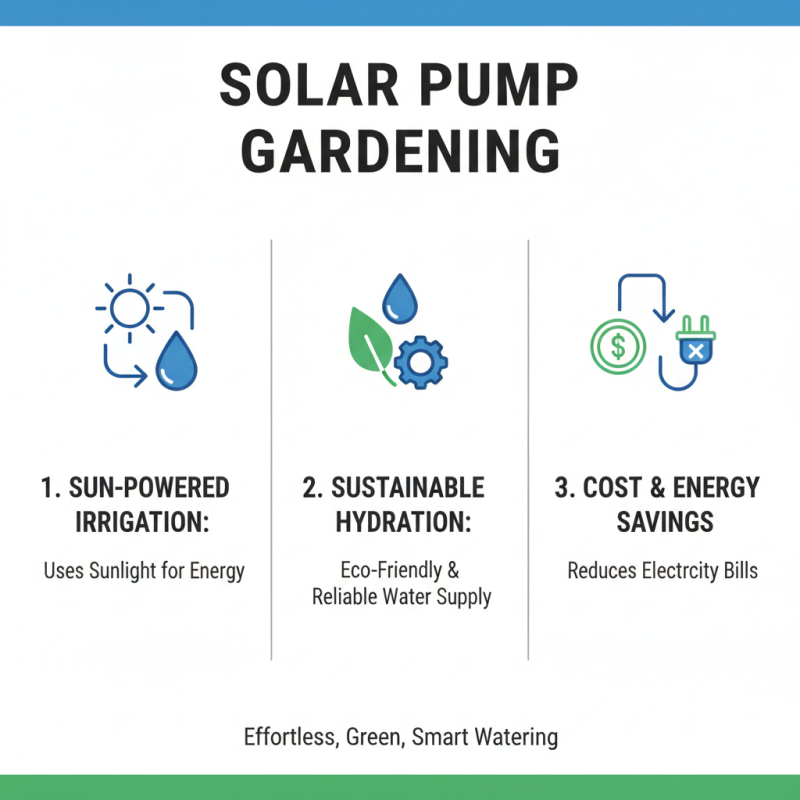
Solar-powered water pumps are honestly changing the game for garden irrigation. They run on sunlight, so you can save a bunch on electricity bills. Plus, they're usually pretty reliable and don’t require a lot of maintenance. If you’re a homeowner looking into this, you’ll find options like solar bore pumps and DC screw-type solar bore pumps. Not only do they help cut down costs, but they also play a part in protecting our planet.
That said, it’s not all smooth sailing. Some folks might find the upfront cost a bit intimidating. Figuring out the solar bore pump price can be tricky sometimes, and where you live can really influence how well a solar DC submersible pump works. So, it’s important to really think about what your specific needs are before making a buy. As we check out the top five options out there, keep in mind that picking the right solar pump can make a big difference for your garden’s health and water efficiency.
Overview of Solar Water Pumps for Garden Use
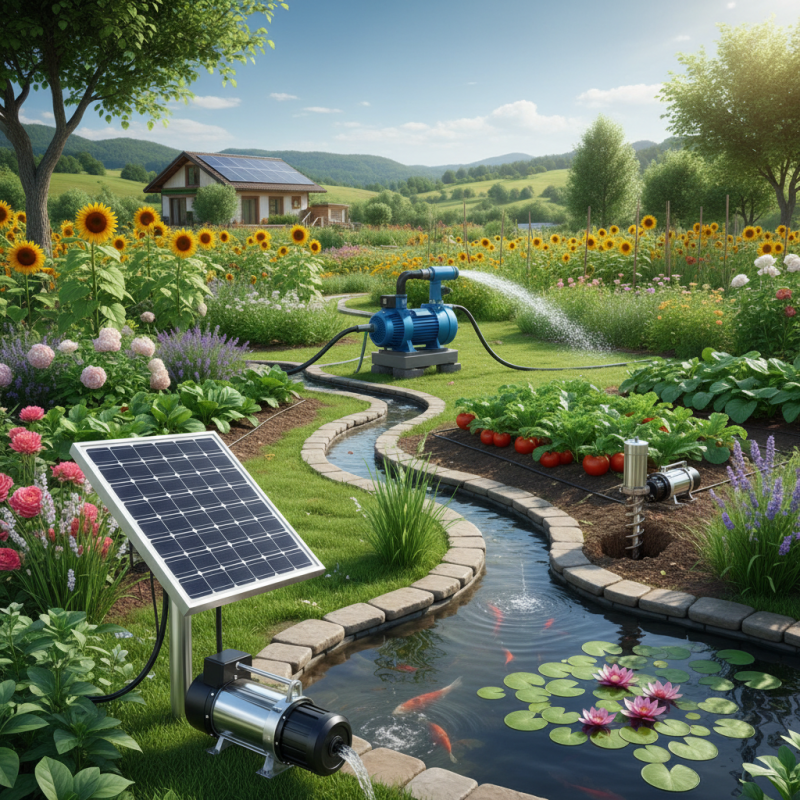
Solar water pumps offer a sustainable solution for garden irrigation. They harness sunlight to power the system, reducing reliance on traditional electricity sources. This can lead to significant savings over time. Ideal for remote areas, solar pumps can function independently without extensive plumbing.
Installation is often straightforward. Many models come with user-friendly features and require minimal maintenance. However, performance can vary based on sunlight availability. On cloudy days or in shaded areas, the pump's efficiency may drop. This variability can be frustrating but also prompts thoughtful planning on garden layout.
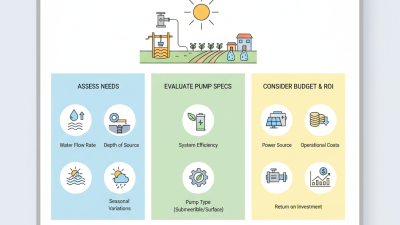
Investing in a solar water pump means considering your garden's needs. Factors like garden size, plant types, and water requirements play a vital role. Each garden is unique, and one solution doesn’t fit all. Reflecting on these aspects is essential to ensure optimal hydration for your plants.
Benefits of Using Solar Pumps in Gardening
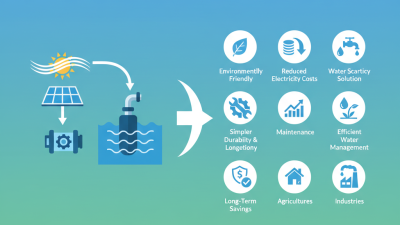
Gardening with solar pumps can change your approach to watering. These pumps use sunlight as energy. They provide a sustainable solution for your garden's hydration needs. By harnessing solar energy, you can save on electricity costs. This makes them an eco-friendly choice for homeowners.
Using solar pumps in your garden reduces your carbon footprint. They operate quietly, minimizing noise pollution. Plus, many solar pumps are portable and easy to install. This flexibility allows you to move them around as needed.
Tip: Regular maintenance is key. Clean the solar panels and filters to ensure efficiency. Watch for any blockages in hoses or pipes. Sometimes, they can experience issues due to wear and tear. Don't overlook the control systems either. Take a moment to check connections and settings. This simple practice can prolong the pump's life.
Key Features to Consider When Choosing a Solar Pump
When choosing a solar pump for your garden, several key features should be considered. Efficiency is paramount; practical models convert sunlight into energy effectively. According to a study by the Solar Energy Industries Association, some systems can achieve an efficiency rate of over 20%. This can drastically reduce energy costs.
Another vital factor is the water flow rate. It varies greatly among models. Selecting one with the right flow rate ensures your garden receives adequate irrigation. Typically, residential solar pumps deliver between 1,000 to 3,000 gallons per day. Too low a flow can lead to inadequate watering, while excessive flow may waste resources.
Durability also matters. Solar pumps are exposed to outdoor elements. A sturdy design resists weather impacts. Look for materials like corrosion-resistant stainless steel. These features enhance lifespan and performance. The initial investment can be significant, but robust models usually yield better long-term savings. Reflect on your specific gardening needs. Assessing these features ensures the right Solar Pumps Water Pump is chosen.
Top 5 Solar Pumps for Garden Irrigation
Gardens thrive with the right irrigation system. Solar pumps are a wonderful choice for sustainable gardening. They don’t just reduce energy costs; they also minimize environmental impact. With proper sunlight, these pumps can efficiently move water from your source to your plants. Imagine a garden that thrives without being dependent on the grid.
One popular option is the submersible solar pump. It works well for deep wells and ponds. Its installation might seem challenging, but the long-term benefits outweigh the initial effort. Another option is the surface solar pump. This type is easier to set up, making it ideal for smaller gardens. It can draw water from shallow sources, such as tanks or rivers. However, be cautious: inadequate sunlight can lead to inconsistent performance.
Using solar pumps from various manufacturers offers diverse choices. Always check their specifications and reviews. Not all are suited for your unique gardening needs. Some might struggle with higher flow rates, affecting irrigation efficiency. It's crucial to consider these factors when selecting a pump. Remember, the right solar pump can transform your irrigation experience.
Comparative Analysis of the Best Solar Pump Options
When choosing the best solar pumps for your garden, a comparative analysis reveals many options. These pumps harness solar energy to supply water efficiently. They are perfect for irrigation, ponds, or fountains. Selecting the right model can enhance your garden's health while saving energy.
Tips: Look for pumps with high energy efficiency. A well-rated Solar Pumps Water Pump Manufacturer ensures reliability. Pay attention to the pump’s flow rate and how much water it can move. That’s crucial for larger gardens. You want to match the pump's capacity with your needs.
Not everything is perfect. Some solar pumps may struggle on cloudy days. Consider your local weather conditions before purchasing. A pump that works well today might not meet future demands. Regular maintenance is essential to keep the pump functioning. Check for clogs or leaks to ensure longevity. A little attention can make a big difference in performance.
Top 5 Solar Pumps Water Pump Options for Every Garden
This chart compares the flow rates of the top 5 solar water pump options suitable for gardens. Each pump has been rated based on its output capacity (in liters per minute), giving you a quick overview of the performance of each model.
Installation and Maintenance Tips for Solar Pumps
When considering solar pumps for gardens, proper installation and maintenance are crucial. Solar pumps draw energy from sunlight, making them environmentally friendly and cost-effective. According to a recent report by the International Renewable Energy Agency, solar-powered devices can reduce energy costs by up to 75%. However, choosing a High-Quality Solar Pumps Water Pump can significantly impact performance and longevity.
Installation requires careful planning. Ensure your solar panels are positioned to maximize sun exposure. The pump should be placed at an appropriate depth to avoid debris. Inconsistent power can lead to pump failure, so consider a backup system. Regular maintenance checks are essential. Clean the solar panels regularly and inspect for any signs of wear. Keep an eye out for leaks in hoses or fittings that could lead to water loss.
Tip: Always check the water source level before running the pump to avoid dry pumping, which could damage the unit. Monitor the pump's performance during use, and consider seasonal adjustments to optimize efficiency. Small adjustments can prevent future problems and ensure your garden thrives.
Cost Considerations and Long-Term Savings of Solar Pumps
Solar pumps can be a game-changer for garden enthusiasts. They harness the sun’s energy to power water movement. This method significantly reduces electricity costs. However, the initial investment in solar technology can be daunting. People often feel hesitant about the upfront costs.
A well-planned solar pump system can yield long-term savings. Once installed, maintenance costs are relatively low. Imagine a garden thriving without depending heavily on the grid. Enjoying free water throughout the summer is appealing. Yet, choosing the right system requires careful consideration. Factors like pump size and solar panel efficiency matter.
Some users might face challenges with installation. It’s crucial to assess your garden’s layout. Understanding sunlight patterns can affect pump efficiency. Not every location is ideal for solar heating. Sometimes, the system may need adjustments for maximum efficiency. Remember, while solar pumps offer savings, they require thoughtful planning.
Top 5 Solar Pumps Water Pump Options for Every Garden
| Pump Type |
Power (W) |
Max Flow Rate (GPH) |
Max Head (ft) |
Cost ($) |
Estimated Yearly Savings ($) |
| Surface Pump |
150 |
600 |
30 |
800 |
150 |
| Submersible Pump |
200 |
800 |
50 |
1000 |
200 |
| Drip Irrigation Pump |
100 |
300 |
20 |
500 |
100 |
| Fountain Pump |
75 |
200 |
15 |
300 |
80 |
| Sump Pump |
120 |
400 |
25 |
600 |
130 |
Exploring the Efficiency and Sustainability of Solar-Powered Borehole Pumps: A Focus on the S4SC 4 Inch Centrifugal Model
The focus on efficiency and sustainability in renewable energy has led to the increasing adoption of solar-powered borehole pumps, particularly in rural areas where access to clean water is crucial. The solar-powered borehole pump system utilizes photovoltaic technology to provide a reliable source of water for agricultural and domestic use, eliminating the dependency on fossil fuels. Among various models available, the 4-inch centrifugal solar pump stands out for its robust design and high efficiency, making it an ideal solution for off-grid locations.
The operation of these solar-powered systems offers a significant reduction in operational costs compared to traditional pumping methods. By harnessing solar energy, these pumps can operate continuously during daylight hours, delivering consistent water flow without incurring fuel expenses. Additionally, the ease of installation and low maintenance requirements further enhance their appeal, allowing communities to invest in sustainable water solutions without heavy upfront costs or specialized skills. This approach not only promotes sustainability but also contributes to energy independence, empowering communities to utilize their natural resources efficiently.
Moreover, the environmental benefits are considerable. By reducing greenhouse gas emissions associated with conventional pumping systems, solar-powered borehole pumps support global efforts toward combating climate change. Their compact and durable design ensures longevity, making them a worthwhile investment that aligns with sustainability goals. As more regions face water scarcity, the implementation of solar-powered solutions like the 4-inch centrifugal pump represents a forward-thinking approach to meet water demands effectively and sustainably.
FAQS
: Solar pumps use sunlight for energy, saving on costs and reducing your carbon footprint. They are also eco-friendly and quiet.
Regular maintenance is important. Clean solar panels and filters. Check hoses for blockages and the control systems for proper connections.
Aim for a pump that converts sunlight effectively. Some models have over 20% efficiency, which can lower energy costs significantly.
Most residential solar pumps deliver between 1,000 to 3,000 gallons per day. Choosing the right flow rate is crucial for your garden's health.
Durability is essential, as pumps face outdoor elements. Look for corrosion-resistant materials for enhanced lifespan and weather resistance.
Some solar pumps may struggle during cloudy weather. Assess your local weather to ensure consistent performance throughout the seasons.
Consider efficiency, flow rate, and durability. Reflect on your specific gardening needs to ensure the right model is chosen.
Watch for any wear and tear. Address issues quickly to prevent larger problems. Regular checks can enhance performance and lifespan.
Conclusion
Solar pumps water pump systems have gained popularity in recent years for their efficiency and sustainability in garden irrigation. This article outlines the advantages of using solar pumps, including reduced energy costs and environmental benefits. Key features to consider when selecting a solar pump include flow rate, power output, and ease of installation.
The top five solar pumps for garden use are analyzed with a focus on their performance and suitability for various garden sizes and types. Additional sections provide insights into installation and maintenance tips to ensure longevity and efficiency of solar pumps. Finally, a cost analysis highlights the long-term savings associated with solar pumps, making them a smart investment for any gardener looking to enhance their irrigation systems sustainably.





 Mr Youkee Kong