You know, in the constantly changing world of farming, managing water efficiently has really become a big deal. I read somewhere that Dr. John Smith, a pretty well-known expert in sustainable agri-tech, mentioned that a solar water pump can seriously change how farmers get water—and that this can lead to a massive boost in productivity. His words really highlight how these solar-powered water pumps are becoming such a crucial part of modern farming.
Lately, more farmers are turning to solar DC submersible water pumps as an eco-friendly and practical solution. Things like solar bore pumps and brushless DC models give farmers a reliable way to irrigate without having to rely on the grid. I know lots of people are curious about how much a solar bore pump costs, trying to find good, budget-friendly options that still do the job right.
That said, it’s also important to keep some realities in mind. Not every solar water pump is going to be perfect for every farm or landscape. Some folks might find the initial costs a bit intimidating, and figuring out which type—like the DC screw type solar bore pump—fits their specific needs can be kinda confusing. As farming continues to evolve, making the right choices is really what can make all the difference.
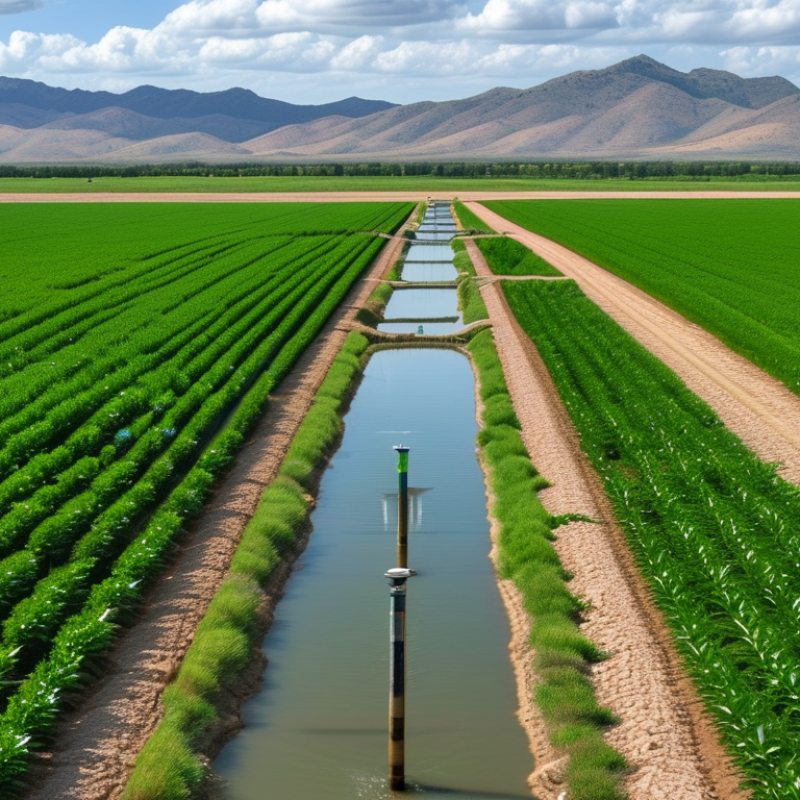
Introduction to Solar Water Pumps in Agriculture
Solar water pumps are gaining traction in agriculture. These systems harness sunlight to operate, making them environmentally friendly. Farmers in remote areas find solar pumps particularly beneficial. They can draw water from wells, rivers, or lakes without relying on electricity. This independence leads to more sustainable farming practices.
The reliability of solar water pumps varies. Factors like sunlight availability and pump technology affect their performance. Some farmers report difficulties during cloudy seasons. It is essential to assess local weather patterns before installation. Additionally, the initial cost can be significant, but long-term savings on energy bills often make it worthwhile.
Farmers must understand their water needs. Some crops require more water than others. It is crucial to evaluate the available resources. Missed water supply can lead to reduced yields. Educating oneself about different pump technologies is a step in the right direction. Exploring local case studies can provide valuable insights, paving the way for better decision-making in agricultural practices.
Benefits of Using Solar Water Pumps for Farming
Solar water pumps offer numerous benefits for farming. They harness the sun's energy to provide reliable water supply for crops and livestock. This sustainability reduces dependence on electric or diesel pumps, which can be costly and unreliable. Farmers save money on fuel and maintenance. Furthermore, these systems provide water even in remote areas.
One crucial tip is to assess your water needs carefully. Different crops require varying amounts of water. Understanding this helps in selecting the appropriate pump size and capacity. Additionally, consider your farm’s layout. Position your solar panels to maximize sunlight exposure throughout the day.
Another point worth noting is the potential for initial costs. While solar pumps can save money long-term, installation may be high. Farmers should weigh these costs against future savings. Explore local incentives or grants that might help reduce the financial burden.
Using solar water pumps may come with challenges. Weather fluctuations can impact performance. Regular maintenance ensures the system runs efficiently. Keep an eye on the solar panel cleanliness, as dust can reduce energy absorption. These insights can enhance your decision-making process for sustainable farming practices.
Types of Solar Water Pumps Available for Agricultural Use
When it comes to agricultural needs, several types of solar water pumps can make a significant difference. A popular option is the Solar Dc Surface Water Pump. These pumps are designed for shallow water sources, making them efficient for farms with easy access to surface water. They harness solar energy directly, which reduces operational costs and provides an eco-friendly solution. Farmers can rely on them for irrigation and livestock watering.
Submersible solar pumps are another type worth considering. They work for deeper water sources and submerge completely underwater. These pumps are effective for various applications, including irrigation and aquaculture. Their efficiency can vary based on depth and solar exposure. While they are reliable, maintenance can be an issue in remote areas. It's essential to consider local conditions and pump specifications before making a choice.
Lastly, solar-powered centrifugal pumps offer high flow rates and are suitable for large farming operations. These systems are more complex and may require a larger investment. Farmers should reflect on their specific needs and budget before committing. Evaluating these options can lead to optimal farming operations, ensuring water availability for crops and livestock.
Factors to Consider When Choosing a Solar Water Pump
When selecting a solar water pump for agricultural needs, several factors come into play. Efficiency is paramount. According to the International Renewable Energy Agency (IRENA), solar pumps can provide energy savings of up to 80% compared to traditional systems. This reduction in energy costs is critical for farm sustainability.
Consider flow rate and head pressure. The ideal pump should meet specific water demands, particularly during peak growing seasons. A Surface Solar Water Pump may work best for shallow water sources, but depth can limit performance.
Regular maintenance is also crucial. Without proper care, efficiency can drop significantly over time. Farmers should evaluate local sunlight availability, as solar efficiency directly depends on weather conditions. Research from the World Bank indicates that areas receiving less than five hours of sunlight may see diminished pump performance. Understanding local conditions aids in making informed decisions that optimize productivity and minimize waste.
Installation and Maintenance of Solar Water Pump Systems
Installing a Solar Water Pump system can transform agricultural practices. These pumps are powered by solar panels, offering an eco-friendly solution for irrigation. Proper installation is crucial. Farmers must consider site selection and sunlight availability for optimal performance. A 2022 report indicates that poorly installed systems can reduce efficiency by 30%.
Maintenance is another key aspect. Regular checks are required to ensure that solar panels remain clean and free from debris. The inverter should also be inspected to ensure it functions correctly. Neglected systems degrade faster and may require costly repairs. Estimates suggest that a lack of maintenance can increase operational costs by up to 20%.
Farmers should remain vigilant about performance metrics. Monitoring water output and solar efficiency can identify potential issues early. However, without proper knowledge, these metrics might seem overwhelming. Thus, seeking expert advice can bridge the knowledge gap. Despite the challenges, investing in solar water pump systems can lead to significant long-term savings.
Cost-Effectiveness of Solar Water Pumps in Agriculture
Solar water pumps are becoming increasingly popular in agriculture. They offer a reliable and sustainable way to access water, which is critical for crop health. The cost-effectiveness of solar water pumps stands out as an essential factor for farmers. With decreasing installation costs and the long-term savings on electricity, many farmers find this technology beneficial.
A Deep Submersible Solar Water Pump is particularly effective for deeper water sources. It extracts water from underground, ensuring a steady supply. Although the initial investment may seem significant, the ongoing savings can outweigh costs. It’s crucial to assess the local sunlight availability and water demand before deciding.
Tip: Consider your agricultural size before installation. A smaller farm may need a less powerful model, while larger farms could benefit from more robust solutions.
Another consideration is maintenance. Solar pumps typically require less upkeep than conventional pumps. However, minor issues can arise, like panel cleaning or electrical connections. Addressing these promptly ensures optimal performance.
Tip: Regular check-ups can extend the lifespan of your system. Invest time in understanding your setup for better productivity.
Future Trends in Solar Water Pump Technology for Farming
The agricultural sector is rapidly embracing solar water pump technology. This shift is driven by the need for sustainable irrigation solutions. Farmers are seeking reliable, eco-friendly options for their water needs. Solar water pumps offer an efficient means of drawing water from various sources.
Future trends point towards increased efficiency in solar panels and water pumps. Innovations in inverter technology will enhance performance, even in low sunlight. Some systems now feature battery storage for night-time use. However, the initial setup costs can be a barrier for some farmers. This issue highlights the need for better financial support and education on long-term savings.
Moreover, ongoing research focuses on smart technologies. Integrating IoT systems could optimize water usage and monitoring. Nevertheless, these advancements require a level of tech-savvy that some farmers may lack. Training programs are essential to bridge this gap. Adapting to new methods isn't always easy, but the potential benefits are significant.
FAQS
: Solar water pumps use sunlight to operate, providing an eco-friendly water solution for agriculture.
They allow farmers to draw water independently from wells or lakes, reducing reliance on electricity.
Sunlight availability and technology impact performance, especially during cloudy weather.
Different crops require varying water levels; insufficient supply can lead to lower yields.
Options include surface pumps for shallow sources, submersible pumps for deeper sources, and centrifugal pumps for large operations.
The initial cost can be high, but long-term energy savings may justify the investment.
Evaluate local weather patterns and specific water requirements for crops.
Yes, especially for submersible pumps in remote areas; regular checks are essential.
They provide insights into effective pump technologies and decision-making strategies.
Not necessarily; farmers need to reflect on their specific needs before choosing a system.
Conclusion
Solar water pumps have emerged as a sustainable solution for agricultural irrigation, offering numerous benefits for farmers seeking efficient water management. These pumps harness solar energy, allowing for reduced reliance on traditional power sources and lower operational costs. There are various types of solar water pumps available, each tailored to meet specific agricultural needs, whether for crop irrigation or livestock watering.
When selecting a solar water pump, it’s essential to consider factors such as the size of the pump, the depth of the water source, and the specific water requirements of the crops. Proper installation and maintenance are crucial to ensure optimal performance and longevity of the system. As technology advances, the future of solar water pumps looks promising, with innovations aimed at improving efficiency and affordability, making them an even more viable choice for farmers looking to enhance productivity while minimizing their environmental impact.

 DC SOLAR SUBMERSIBLE PUMP
 AC/DC Solar submersible Pump
 DC Solar Surface Pump
 AC/DC solar surface Pump
 Solar swimming Pool Pump
 Built-in Controller Solar Pump
 Solar Pump inverter
 Pump Accessories




 Mr Youkee Kong
