Leave Your Message
1.Are you purchasing for personal use or as a reseller?
2.Have you ever imported solar water pumps from China?
3.Does your company have its own sales channels or retail network? (e.g., online platforms, physical stores, distributor network, etc.)
0%

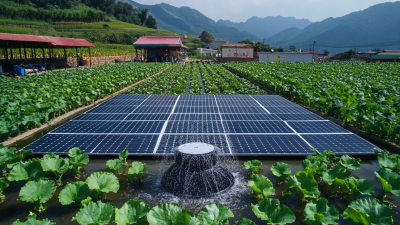
Lately, there's been a really noticeable boost in the interest around sustainable farming solutions, especially when it comes to Agriculture Solar Water Pumps. I mean, according to a report from Grand View Research, the whole global market for solar water pumps could grow to around 1.6 billion dollars by 2027. That’s mainly because more folks in agriculture are turning to renewable energy sources. It’s honestly changing the game when it comes to how farmers handle irrigation.

And you know, Dr. John Greenfield, a pretty well-known expert in ag tech, pointed out that investing in these solar water pumps can really cut down operational costs and boost efficiency. They’re a fantastic alternative, especially for farmers working in remote areas where electricity isn’t always reliable.

Of course, before jumping in, farmers really need to do their homework. Not all solar water pumps are the same, and a lot depends on things like the pump’s efficiency, the size of the solar panels, and how tough they are against the elements. Picking the right one can save a bunch of headaches—and even more money—plus, it can lead to better crop yields. So yeah, it’s super important to weigh all the challenges and think carefully about each decision you make along the way.
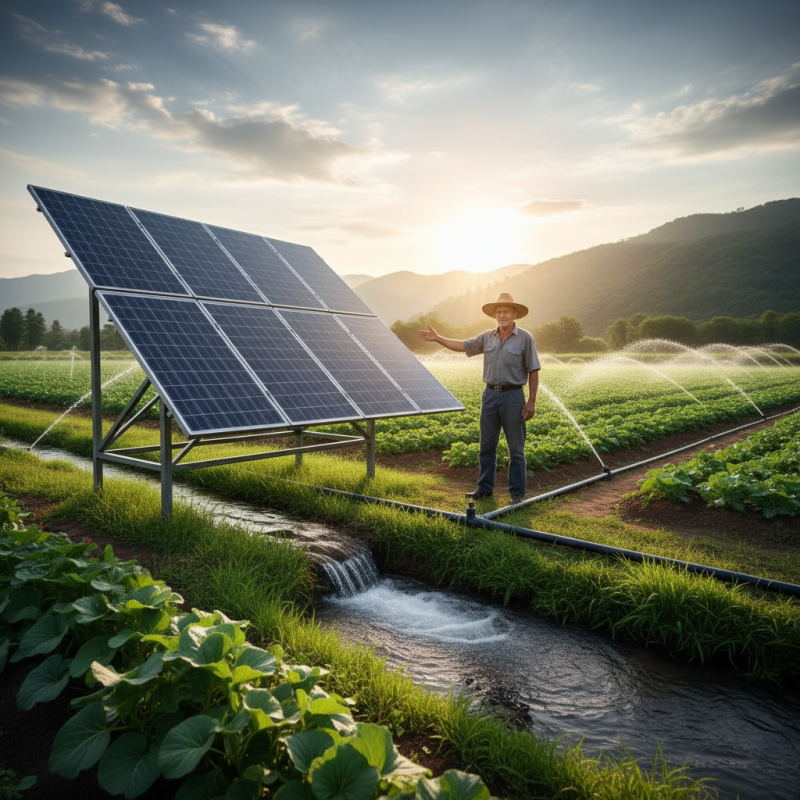
Top 5 Tips for Choosing an Agriculture Solar Water Pump?

What to Consider When Selecting an Agriculture Solar Water Pump System

When selecting an agriculture solar water pump system, efficiency is key. Look for models that offer high water output with minimal energy consumption. Size matters too. Ensure the pump fits your land area and water supply needs. An undersized pump may struggle. An oversized pump can lead to unnecessary costs.

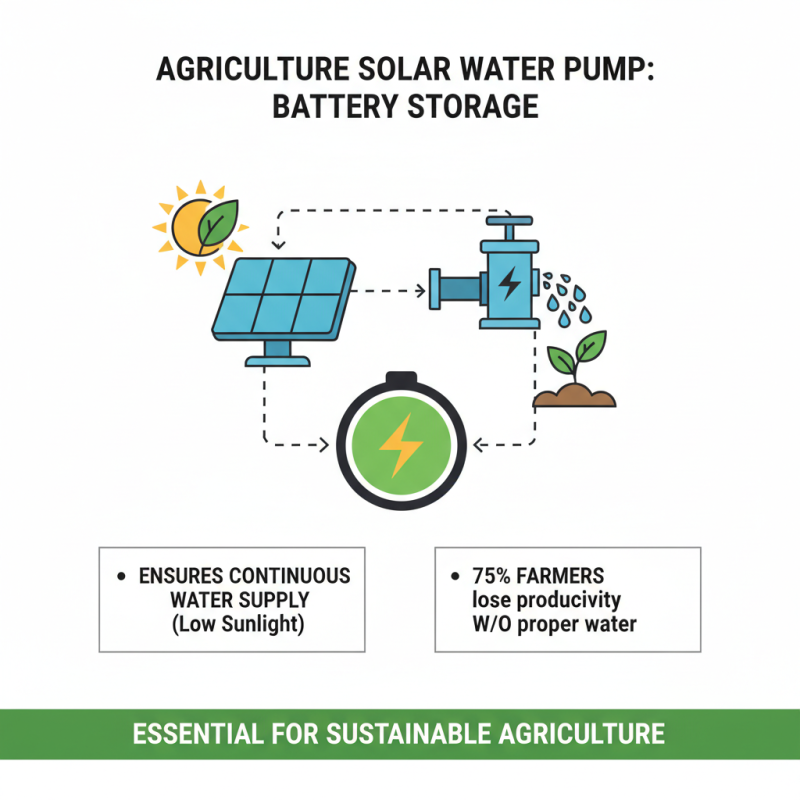
Consider the available sunlight in your area. Some systems perform poorly in low-light conditions. Assess your local climate before making a decision. Battery storage is another factor. A good system should have reliable storage to maintain water supply during cloudy days or at night.

Lastly, think about maintenance. Solar pumps usually require less upkeep. However, regular checks are still needed. Ensure you are prepared for occasional repairs. Some users overlook installation processes. Hiring professional help may incur extra costs but often saves headaches later on. Select wisely to enhance your agricultural productivity.

Assessing Pump Flow Rate and Lift for Optimal Agricultural Use

When choosing an agricultural solar water pump, understanding the pump flow rate and lift is crucial. The flow rate indicates how much water the pump can move in a specific time. For crops, a higher flow rate often means better irrigation. But beware. Overestimating your needs can lead to excess costs. Choosing a pump that exceeds your requirements may waste energy and increase maintenance.

Lift refers to the height to which the pump can elevate water. It's essential to measure the distance from the water source to the highest point of irrigation. If the lift is too low, you risk insufficient water delivery. Farmers often overlook this, only to face challenges during a drought. The pump must handle not just the height but also the pressure needed to deliver water effectively.

In practice, it's important to test different scenarios. Gather data on crop needs and seasonal variations. A solar water pump's performance can fluctuate, so adjustments might be necessary. Ask for feedback from fellow farmers. They can provide insights from their experiences, helping to avoid common shortcomings. Making informed choices will lead to healthier crops and efficient use of resources.

Top 5 Tips for Choosing an Agriculture Solar Water Pump

Understanding Solar Panel Efficiency and Performance in Pump Systems

When choosing an agriculture solar water pump, understanding solar panel efficiency is crucial. Solar panels convert sunlight into energy to power the pump. Efficiency varies based on the type of solar panel used. Monocrystalline panels usually outperform others. However, they can be more expensive.

The performance of a solar water pump system depends on several factors. Weather conditions play a big role. Cloudy days can reduce efficiency dramatically. Soil moisture needs also influence pump performance. A system may struggle if the demand is high but sunlight is low. Do your research to understand these variables.

Selecting the right solar panel requires careful consideration of local conditions. Not every panel is suited for every location. Range and battery storage also impact systems. Think about energy needs during dry seasons. Planning for rain or sun-drenched days is essential. The balance is tricky but vital for sustainable farming.

Evaluating Battery Storage Options for Continuous Water Supply

Top 5 Tips for Choosing an Agriculture Solar Water Pump?

When selecting an agriculture solar water pump, evaluating battery storage options is crucial. A reliable battery system ensures a continuous water supply, especially during low sunlight conditions. Studies show that around 75% of farmers experience reduced productivity without proper water management. This makes the right battery choice essential for sustainable agriculture.

Lithium-ion batteries are often favored for their efficiency. They typically have higher depth-of-discharge (DoD) ratios, allowing up to 80% usable energy. In contrast, traditional lead-acid batteries only safely utilize around 50%. This difference can significantly impact irrigation strategies. For example, a 1 kWh lithium-ion system can store energy for multiple hours compared to lead-acid systems.

However, some challenges remain. Battery storage systems can be costly upfront, which may deter some farmers. Maintenance is another concern. Regularly checking connections and energy outputs is necessary. According to a report by the International Renewable Energy Agency, nearly 30% of solar installations fail to deliver projected performance due to poor maintenance. Thus, weighing the benefits of battery storage against potential pitfalls is vital for effective Irrigation Solar Water Pump Agriculture.

Cost-Benefit Analysis of Solar vs. Traditional Water Pumping Solutions

In recent years, a growing number of agricultural operations are considering the cost-benefit analysis of solar versus traditional water pumping solutions. Reports indicate that solar water pumps can reduce energy costs by up to 80%. This is especially beneficial for farms where electricity can be a significant expense. However, the initial investment for solar systems may appear daunting.

Traditional water pumps often rely on grid electricity or diesel, which incur fluctuating costs. In areas where diesel prices are rising, this can lead to unpredictable expenditure. Studies have shown that a solar-powered water pump can pay for itself in about five years due to lower operational costs. Yet, the upfront costs may require farmers to rethink budgeting strategies.

Numerous factors can affect the efficiency of Agriculture Solar Water Pumps. Local climate conditions play a critical role. For example, some regions may have inconsistent sunlight. This inconsistency could impact the pump's reliability. Farmers should assess their specific situation, as not all solar systems are created equal. It's essential to weigh the pros and cons carefully before making a decision.

Examining Maintenance Requirements and Longevity of Solar Water Pumps

When selecting an irrigation solar water pump, understanding maintenance requirements is crucial. Solar water pumps are generally low maintenance. However, routine checks are vital. Dust accumulation on solar panels can significantly reduce efficiency. Studies suggest that if panels are cleaned regularly, efficiency can improve by up to 20%. Thus, keeping the panels free of debris is essential.


Longevity is another critical factor. A well-maintained solar water pump can last more than 20 years. However, factors like climate and usage impact this lifespan. High temperatures or freezing conditions can lead to mechanical failures. A report by the International Renewable Energy Agency indicates that solar pumps' lifespan can vary greatly among manufacturers. Therefore, choosing reputable Irrigation Solar Water Pump Agriculture Manufacturers is key. They often provide warranties and robust customer support, ensuring longevity and effective maintenance guidance over time.


The installation site also matters significantly. Ideally, install on a sturdy and level base. This approach reduces wear and tear on components. Promoting airflow around the pump minimizes overheating risks. Little details like these can affect the pump’s overall performance and durability. Being mindful of these aspects will enhance the pump’s service life and reliability in agricultural operations.

Regulatory and Incentive Considerations for Solar Water Pump Installations

When considering solar water pump installations for agriculture, understanding regulations is crucial. Every region has its own set of rules governing solar setups. Farmers must familiarize themselves with local laws. For instance, some areas might require permits or safety inspections before installation. This process can delay projects, so plan accordingly.

Incentives can significantly reduce costs. Some governments offer tax credits or rebates for solar installations. These financial incentives encourage more farmers to adopt renewable energy. It's essential to research available programs. However, navigating these options can be complex. Details may change, requiring constant vigilance. Consulting with local agricultural experts can clarify available incentives.

Ultimately, ensuring compliance and taking advantage of incentives can enhance the overall value of your solar water pump system. This approach not only supports sustainability but also empowers farmers to choose a High-Quality Irrigation Solar Water Pump Agriculture system that meets their specific needs. Balancing these factors can lead to success, but it requires diligence and effort.

Top 5 Tips for Choosing an Agriculture Solar Water Pump

Tip Description Regulatory Considerations Incentives Available
1. Assess Water Needs Evaluate the total water requirement for your crops Check local water usage regulations and limits Tax credits for water management systems
2. Choose the Right Pump Size Select a pump that matches your water flow requirements Adhere to standards for pump efficiency Incentives for energy-efficient pumps
3. Evaluate Solar Potential Consider geographic location and sunlight availability Compliance with local solar panel installation codes Grants for renewable energy installations
4. Consider Pump Type Choose between submersible or surface pump types Ensure pump type meets environmental regulations Rebates for specific pump types
5. Plan for Maintenance Factor in costs and procedures for regular maintenance Follow guidelines to maintain compliance with standards Subsidies for maintenance programs

FAQS

: What is the main purpose of this product?

: This product aims to solve common daily problems. It enhances convenience for users.

How should the product be used?

Follow the instructions provided. Adjust settings as needed for optimal results.

Are there any side effects?

Some users may experience minor issues. For instance, discomfort or irritation can occur.

Can anyone use this product?

It is designed for adult users. However, not everyone may benefit equally.

What materials are used in the product?

The product consists of various materials. Each is chosen for durability and safety.

How often should it be used?

Regular use is recommended for best results. But, individual needs may vary.

Is customer support available?

Yes, customer support is accessible. However, response times may lag at peak hours.

Can the product be returned?

Returns are accepted under specific conditions. Ensure to read the return policy carefully.

How do I clean the product?

Cleaning is simple, but specific methods may vary. Users often overlook this step.

Is there any warranty?

A warranty may be included. However, terms can be complex, so review them thoroughly.

Conclusion

When selecting an Agriculture Solar Water Pump system, there are several key factors to consider for optimal performance and efficiency. Firstly, assess the pump flow rate and lift requirements specific to your agricultural needs, ensuring the system can deliver adequate water supply. Understanding solar panel efficiency is crucial, as it directly impacts the overall performance of the pumping system. Additionally, evaluating battery storage options is essential for ensuring a continuous water supply, especially during periods of low sunlight.

A thorough cost-benefit analysis will help compare solar water pumping solutions with traditional methods, taking into account long-term savings and environmental benefits. It's important to examine maintenance requirements to gauge the longevity of the solar water pumps, as well as to be aware of any regulatory considerations and incentives available for solar installations. By carefully evaluating these aspects, you can make an informed decision to enhance your agricultural operations with an effective Agriculture Solar Water Pump system.
Ethan

Ethan

Ethan is a dedicated marketing professional at Zhejiang Lambo Intelligent Technology Co., Ltd., where he leverages his deep expertise in the industry to drive innovative marketing strategies. With a strong focus on enhancing brand visibility, Ethan regularly contributes to the company’s......
Previous Global Insights on the Future of Dc Pump Solar Technologies in 2025