Solar Pump

Picking the right pump inverter really makes a difference when it comes to how efficiently things run and how much energy you end up saving. I mean, according to the International Energy Agency (IEA), using variable speed drives, like Pump Inverters, can cut water pumping energy use by up to 30%. That’s a huge deal, especially for industries that depend so much on pumps for their daily operations.
But honestly, figuring out which Pump Inverter to go for can feel pretty overwhelming. Not all of them are the same, and some might come with features you don’t really need. For example, making sure the inverter matches your motor is super important—otherwise, you might run into issues like overheating, which is a common mistake folks overlook when shopping around.
Plus, there's this new wave of Inverter Solar Pumps popping up. They’re pretty exciting because they can help lower operational costs by integrating solar power. But switching to solar isn’t just a plug-and-play thing—it needs some careful thought. As the market gets busier and more options appear, it’s all about weighing the costs against the benefits like efficiency and reliability. Basically, making an informed choice is more important than ever in today’s complex world of pump technology.
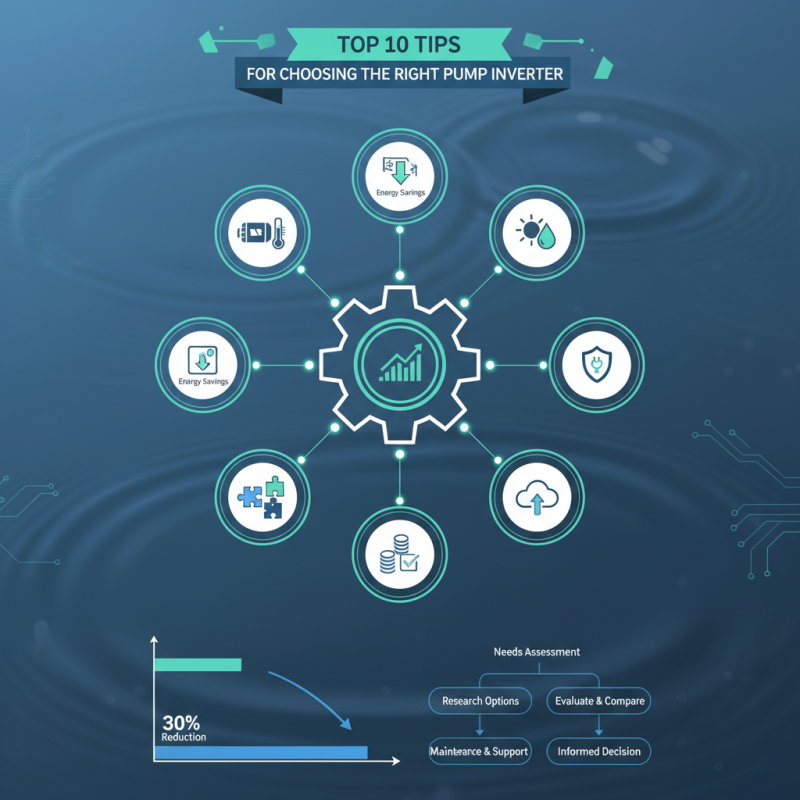
Pump inverters are essential for controlling the speed and torque of pumps. Understanding their basics helps in making informed choices. A pump inverter adjusts the electrical input to match the needs of your pump. This leads to energy savings and improved efficiency.
When selecting a pump inverter, consider the power range. It needs to align with your pump’s specifications. Check the motor type too, as not all inverters support every type. It's crucial to evaluate compatibility issues. Sometimes, users overlook this aspect, leading to poor performance. A suitable inverter should also allow for easy adjustments. This flexibility enables operators to respond to varying demands.
Another important factor is the control interface. Users appreciate intuitive settings. Yet, complexity can deter proper use. A balance between functionality and ease is vital. Finally, think about monitoring features. Real-time data can prevent issues before they escalate. Reflecting on how these elements interact can help you choose wisely.
When evaluating Pump Inverter types, consider the specific application. For instance, centrifugal pumps often require variable speed control. This can enhance efficiency and reduce energy consumption. Submersible pumps may have different needs. They often work in confined spaces, so compact inverters are ideal.
One tip is to assess power requirements. Calculate the total horsepower needed for your system. This ensures you select a pump inverter that meets your demands. Another tip involves understanding the control features. Some inverters offer advanced capabilities like soft start and overload protection. These features can make a big difference in performance.
Take time to consult with experts. They can help navigate the nuances of different types. Additionally, reflect on your setup. Are there energy-saving opportunities? Simple adjustments can lead to significant savings. Look closely at the installation space; it impacts your choice too. Each detail matters in this process.
When choosing a pump inverter, key features can significantly influence efficiency. Efficiency is vital in maximizing performance. Look for inverters that offer a high efficiency rating. This ensures energy savings, which can be critical for operations. Also, consider adjustable speed control. It allows better management of the flow rate and pressure. Flexibility in usage can enhance system performance across different applications.
Durability is crucial but often overlooked. Invest in models that can withstand harsh environments. Weatherproof features can extend the lifespan. Moreover, user-friendly interfaces matter. Complex controls can lead to mistakes. A straightforward setup is essential for easier operation.
Compatibility with existing systems should not be ignored. Ensure the inverter works well with your pump. This can avoid unnecessary costs and installation issues. Keep an eye on feedback from Inverter Solar Pump Manufacturers. Reviews can provide insights into real-world performance and reliability. An informed choice can lead to greater satisfaction in the long run. However, be cautious of overly optimistic claims from sellers. Always do thorough research before making a final decision.
When evaluating pump inverters, energy efficiency is crucial. It affects your operating costs significantly. An efficient inverter can reduce energy consumption. This can lead to substantial savings over time. Look for inverters with high-efficiency ratings. They convert more energy into useful work.
Operating costs extend beyond just energy use. Consider maintenance and repair expenses. Some models may appear cheaper, but they could incur higher maintenance costs. Evaluate the durability of components in the inverter. High-quality materials may come with a higher upfront cost. However, they pay off in the long run.
Reflect on your specific needs. What is the intended application? Does it involve variable loads? Understanding your requirements helps in selecting the right inverter. Don't rush the decision. Analyze the total cost of ownership, not just the initial price. Remember, sometimes the cheapest option is not the best. Aim for a balance between cost and efficiency. This can lead to a more sustainable operation.
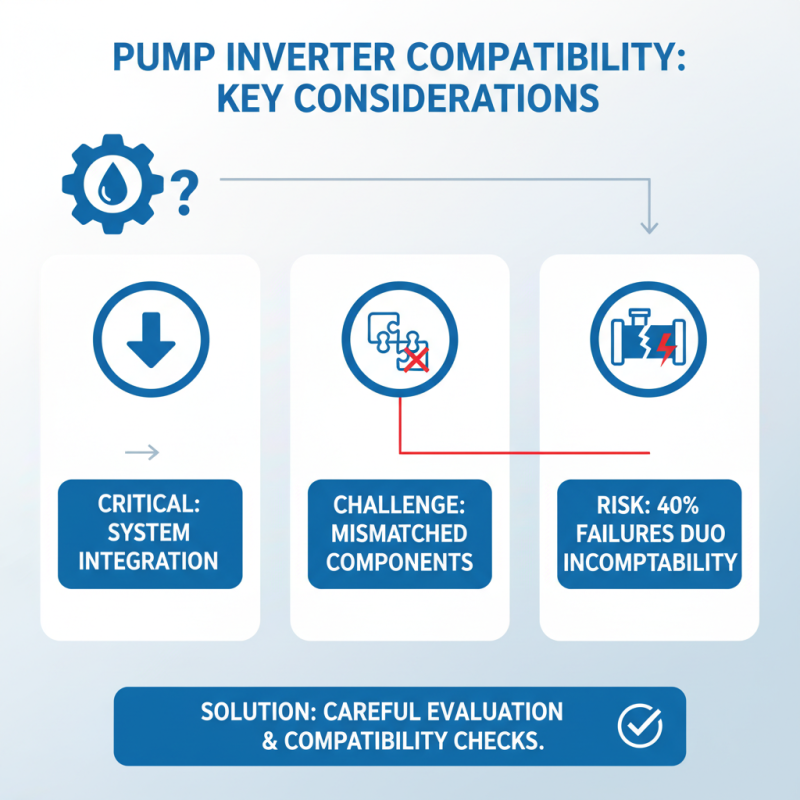
When selecting a pump inverter, compatibility with existing pump systems is critical. Many facilities face challenges with integration. Incorrectly matched components can lead to inefficiencies. A recent industry report noted that 40% of pump system failures relate to inverter incompatibility. This emphasizes the need for careful evaluation.
Check the specifications of your current pump system. Voltage, frequency, and current ratings are essential parameters. Often, users overlook minor discrepancies. A slight mismatch may result in performance issues or equipment damage. It's essential to consider variations in motor types as well. For instance, a High-Quality Inverter Solar Pump might operate differently than traditional models.
Additionally, assess the control requirements of your pump systems. Compatibility issues can arise from different control strategies. Evaluate whether you need a simple start-stop functionality or advanced programming features. This choice impacts operational efficiency. Many professionals fail to weigh these factors adequately. Taking time to understand these elements can save costs long-term.
When selecting a pump inverter, reliability of the manufacturer is crucial. A dependable manufacturer provides not just equipment, but ongoing support. This support is vital. It ensures you have assistance whenever issues arise. A reliable company often has a solid track record. Look for evidence of quality. Check user reviews and case studies. These insights may reveal the truth about their reliability.
Customer service is another aspect to consider. Prompt responses can save you time and trouble. If a company takes ages to respond, rethink your choice. You might face prolonged downtime. Additionally, training and technical support can ease the transition to a new inverter. Some companies may not offer adequate training, leading to operational challenges. Investing in a manufacturer that prioritizes support can alleviate these concerns.
Reading reviews can be invaluable when choosing the right pump inverter. Users often share their experiences, highlighting specific features that worked well. Look for common themes in reviews. Are users satisfied with energy efficiency? Are there recurring complaints? These insights provide a clearer picture. However, not all reviews are equal. Some may be biased or overly positive.
Interacting with professionals can also guide your decision. An expert can offer tailored recommendations based on your unique needs. They might consider factors like system compatibility and future scalability. Yet, remember that their opinions might be influenced by affiliations. It’s wise to question their suggestions. Discussions should also address how an Inverter Solar Pump Manufacturer impacts your choice.
Finally, don't rush your decision. Take time to research and reflect on your findings. Understanding the nuances of each product is essential. Building a solid foundation of knowledge gives you confidence. While you seek the perfect inverter, stay aware of what works for your project and needs.
| Tip No. | Tip | Description | Importance |
|---|---|---|---|
| 1 | Consider Application Needs | Identify the specific needs of your application, including flow rates and pressure requirements. | High |
| 2 | Evaluate Energy Efficiency | Look for models with high efficiency ratings to reduce operational costs. | Medium |
| 3 | Check Compatibility | Ensure the inverter is compatible with your existing pump system. | High |
| 4 | Read Customer Reviews | Analyze feedback from other users to gauge reliability and performance. | Medium |
| 5 | Consult Professionals | Seek advice from industry experts or technicians for recommendations. | High |
| 6 | Assess Features and Controls | Consider ease of use, programming features, and adjustability options. | Medium |
| 7 | Factor in Durability | Choose inverters designed to withstand harsh environments or heavy usage. | High |
| 8 | Evaluate Support and Warranty | Look for strong customer support and reasonable warranty terms. | High |
| 9 | Compare Prices | Get quotes from multiple sources to ensure a fair price. | Medium |
| 10 | Look for Certifications | Choose inverters that meet industry standards and certifications. | High |
The agricultural sector faces significant challenges, particularly in achieving efficient water management for sustainable irrigation. The recent insights from industry reports highlight the promising potential of solar pumping systems, specifically the advancements in solar-driven technologies. Among these innovations, the integration of photovoltaic (PV) systems into irrigation practices presents a transformative approach to ensuring reliable water supply in various farming settings.
One standout solution is the 4SC-PV150 solar pumping system, which has been recognized for its efficiency and adaptability. This system not only harnesses solar energy to power irrigation effectively but also reduces dependence on fossil fuels, thereby contributing to lower operational costs and a reduced carbon footprint. By utilizing renewable energy, farmers can access water even in remote locations without the constraints of traditional power sources.
Moreover, adopting such solar pumping technologies offers long-term sustainability benefits. The reduced energy costs translate into improved profitability for farmers, while the reliable irrigation support ensures consistent crop yields. As the industry continues to innovate, systems like the solar pump exemplify the transition toward more sustainable agricultural practices, ultimately leading to enhanced food security and environmental stewardship.
: The articles aim to inform and educate on various topics. Clarity is key.
Readers can use the insights daily. Practical application can enhance understanding.
The articles cover health, technology, and lifestyle. Each section is detailed and informative.
The content is based on research and expert opinion. However, it's wise to cross-check facts.
Yes, sharing is encouraged. Information exchange helps broaden understanding.
Feel free to revisit the articles. Reflection often clarifies confusing points.
Some experiences are shared. Personal anecdotes offer real-world context.
Keep an open mind. Critical thinking helps in processing various viewpoints.
Yes, questions are welcome. Inquiry leads to deeper exploration of the topics.
Each article offers insights. However, personal interpretation may vary. Reflect on what resonates.
Choosing the right pump inverter is crucial for optimizing system performance and efficiency. Understanding the basics of pump inverters helps users identify the various types and their specific applications. Key features such as control capabilities, durability, and ease of integration are essential considerations. Energy efficiency and operating costs should also be evaluated to ensure long-term savings and sustainability.

Compatibility with existing pump systems is another vital factor, as is the reliability and support from manufacturers. Researching reviews and seeking professional recommendations can provide valuable insights and help in making an informed decision. By following these tips, users can select a pump inverter that meets their operational needs while maximizing performance and efficiency.