When it comes to water management, you really can’t ignore the importance of Single Phase Submersible pumps. I remember expert John Smith from AquaTech once mentioning, “Getting a handle on how these pumps work can totally change the game for your water systems.” It just goes to show how crucial it is to use these pumps wisely.
A lot of folks tend to overlook some of the basics of how these pumps actually operate. They often misuse power ratings, which can end up causing the pump to fail early on. The truth is, if you approach installation and operation the right way, you’ll get a lot more out of your pump — better efficiency, longer lifespan, you name it. When installed and maintained properly, a Single Phase Submersible pump can run smoothly and reliably, making it perfect for homes or farms.
That said, it’s easy to make mistakes. Skimping on maintenance, installing in the wrong spot, or just not paying attention to details can really cut down on how well the pump performs. Every little part counts — even the smallest oversight can lead to bigger problems down the line. So, honestly, knowing how to properly use and care for these “Single Phase Submersible” pumps is key to getting the best results and avoiding headaches later on.
Understanding Single Phase Submersible Pumps and Their Applications
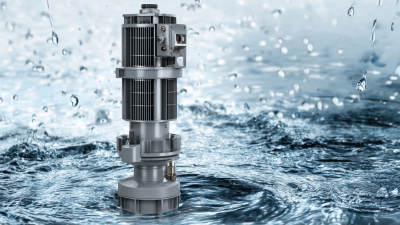
Single Phase Submersible Pump
s are versatile tools used in various applications. They are often submerged in water, making them ideal for tasks like irrigation, wastewater management, and residential water supply. Their compact design makes them easy to install in tight spaces, but their power requirements can create challenges. It's essential to match the pump's capacity with the source's needs.
Understanding the functionality of a single phase submersible pump is crucial. These pumps utilize a motor that operates underwater, minimizing noise and surface disturbance. However, if the pump is overloaded, it may overheat and fail. Proper maintenance is vital, yet many overlook it. Regular checks can prevent breakdowns and ensure longevity.
In residential settings, these pumps are often used to draw water from wells. While effective, they may struggle in sandy or rocky environments. Users sometimes find themselves facing sediment issues, causing clogs. A filter is essential to mitigate this problem, though many forget this step. Being mindful of such details leads to more effective usage and reliable performance over time.
Key Features of Single Phase Submersible Pumps to Consider
When considering single phase submersible pumps, several key features stand out.
The motor’s power rating is crucial for effective operation. It's vital to ensure the pump can handle the required flow and head. A pump with inadequate power might strain under heavy loads. Look for
energy efficiency ratings to ensure you save on electricity.
Another important aspect is the pump’s material. Corrosion-resistant materials prolong the lifespan. This is beneficial if the pump is used in abrasive or salty environments.
Pumps made from stainless steel or thermoplastics are generally more durable. Remember, the installation of your pump matters as well. Poor installation can lead to leaks or reduced efficiency.
Take time to review your setup thoroughly.
Tip: Always check the pump’s dimensions. It must fit the well or tank properly. A mismatched size can lead to operational issues.
Regular maintenance is also essential. Clean and inspect your pump periodically to prevent blockages. Don’t ignore strange noises or vibrations; they could indicate a problem.
Stay attentive to ensure your pump runs smoothly.
Step-by-Step Installation Guide for Single Phase Submersible Pumps
Installing a single phase submersible pump can be straightforward, but attention to detail is essential. Begin by selecting a suitable location for the pump. Make sure it's away from any possible contaminants. A clean, dry area is ideal for installation. You might need to dig a hole, ensuring it's deep enough to accommodate the pump and its housing.
Next, prepare the electrical connections. It's crucial to follow safety protocols during this step. Mis-wiring can lead to malfunctions. If you're unsure, consult a professional. Once the wiring is complete, carefully lower the pump into the hole you prepared. Make sure it sits level and is stable. It's easy to overlook this step, but an uneven installation can cause issues later.
Finally, secure the pump in place and fill in the hole with gravel. This ensures proper drainage and prevents sediment from entering the pump. Test the pump after installation to ensure it's working correctly. If you encounter any issues, don't ignore them. Reflect on the installation process and identify any mistakes. Each step in this guide requires careful attention to detail for a successful setup.
Essential Maintenance Practices for Longevity of Submersible Pumps
When maintaining a single phase submersible pump, routine checks are essential. Regularly inspect the electrical connections for corrosion or wear. Ensure the power supply is stable, as fluctuations can harm the pump's motor. Examine the cables for signs of damage. A small issue now can lead to a larger, costly one later.
The pump's impeller must remain clean. Debris can reduce efficiency and even cause damage. Consider installing a filter screen at the inlet. This simple addition can save you from future headaches. Monitor the pump’s operating conditions. Excessive vibrations or unusual noises might indicate problems. Address these quickly, as ignoring them can lead to failure.
Always check the lubrication. Lack of proper oil can lead to overheating. A well-lubricated pump operates smoothly and lasts longer. Perform these practices diligently, and your pump should serve you well. Ignoring maintenance might seem convenient, yet it can quickly become a major inconvenience.
Common Issues and Troubleshooting Techniques for Submersible Pumps
Submersible pumps are essential tools for moving water. However, they can face common issues. Understanding these problems is vital for effective troubleshooting.
One frequent issue is the pump not starting. Check the power supply first. A tripped circuit breaker often causes this problem. Other times, it may be due to electrical faults. Inspect the wiring and connections carefully. A loose or corroded connection can interrupt the flow. Regularly inspect these components to prevent failures.
Another possible issue is low flow rates. This can stem from a clogged intake screen. Sediment and debris can build up over time. Cleaning the screen can resolve this. If problems persist, the pump itself may need servicing. Some users may overlook the importance of maintenance. If often neglected, it leads to bigger problems down the line. Regular checks by experts, including those from
Single Phase Submersible Pump Manufacturers, can be beneficial.
Choosing the Right Power Supply for Your Submersible Pump
Choosing the right power supply for your submersible pump is crucial. A single phase submersible pump typically requires 230 volts for efficient operation. If your power source is inconsistent, the pump's performance can suffer. Research shows that voltage drops can lead to overheating and premature failure.
Many users overlook the need for proper voltage regulation. A quality inverter may be needed if you use solar energy. A recent study indicated that around 30% of users experienced issues due to poor power supply compatibility. This data signals the importance of careful assessment before installation.
Installation location matters as well. Submersible pumps draw water from various depths. If the distance is significant, ensure the power supply can handle the load. Inspecting wiring for wear can avoid complications during peak demand. Even a reliable Single Phase Submersible Pump Manufacturer highlights the necessity of an adequate setup for longevity. Ignoring these factors can lead to costly repairs and downtime.
Power Supply Types for Single Phase Submersible Pumps
Tips for Optimizing Efficiency and Performance in Water Extraction
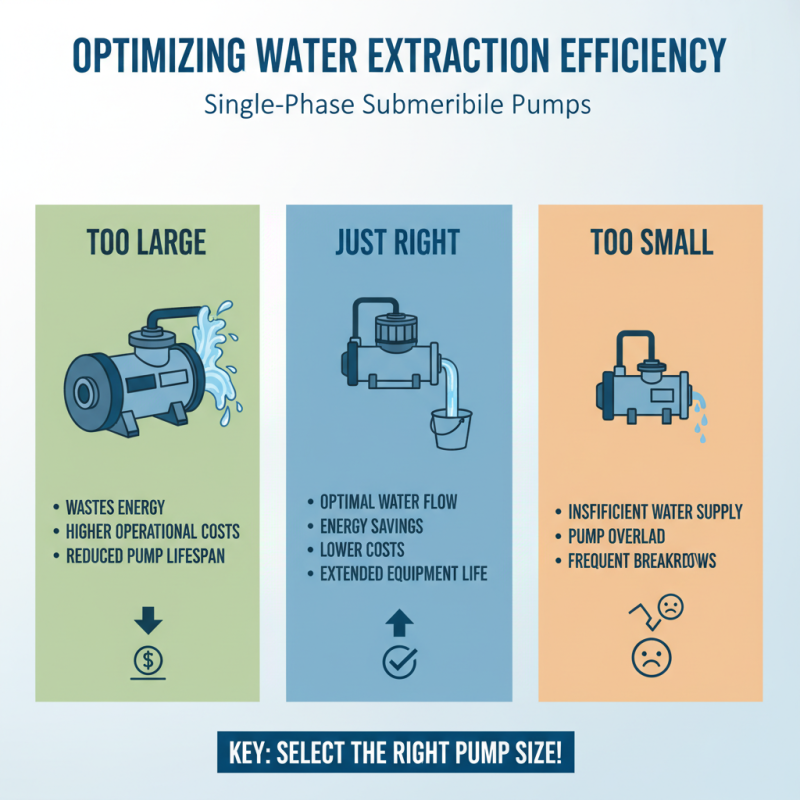
When using a single phase submersible pump, efficiency is crucial. Selecting the right pump size can greatly impact performance. An oversized pump may waste energy. It might also result in higher operational costs. A pump that is too small will struggle to deliver adequate water flow. Finding the right balance is key.
Regular maintenance ensures optimal performance. Check the pump for any signs of wear. Corroded components can lead to breakdowns and inefficient operation. Clean the inlet filter often to avoid clogs. Even small blockages can limit water extraction efficiency. A High-Quality Single Phase Submersible Pump needs proper attention to function effectively.
Pay attention to the installation process. Correct positioning can prevent issues later. Pumps should be submerged to the right depth for optimal flow. Ensure the electrical connections are secure. An unreliable power source can lead to performance drops. Small mistakes in setup can lead to larger problems down the line.
Maximizing Efficiency in Agricultural Water Management: Insights from Recent Reports on Solar-Powered Pumps like the Z3SC-A/D
Water scarcity remains a pressing challenge in agricultural productivity, making efficient water management essential for sustainable farming practices. Recent reports indicate that leveraging solar-powered pumps can significantly enhance water conservation and optimize irrigation strategies. For instance, using solar-powered pumps can reduce operational costs by up to 80% compared to traditional fossil fuel-powered options. This transition not only lessens the economic burden on farmers but also promotes environmentally friendly practices that align with the global push for renewable energy.
The introduction of advanced solar-powered pumping systems, such as those with variable speed drives, enables farmers to adapt their water supply based on crop needs and prevailing weather conditions. Recent studies show that these systems can increase water use efficiency by up to 40%, illustrating their role in maximizing output while minimizing waste. Furthermore, reports suggest that integrating these technologies can lead to a substantial reduction in greenhouse gas emissions associated with agricultural operations.
As agriculture increasingly faces the dual pressures of climate change and resource depletion, the adoption of solar-powered pumps stands out as a viable solution. Data indicates that regions employing these technologies experience not only enhanced productivity but also improved soil health, contributing to long-term sustainability. By embracing innovative water management strategies, farmers can secure their livelihoods while also supporting broader environmental and economic goals.
FAQS
: Routine checks are essential. Regular inspections help catch small issues before they escalate.
Check electrical connections for corrosion. Look for damaged cables and ensure stable power supply.
Clean the impeller and consider using a filter screen at the inlet. Avoiding debris enhances performance.
Ignoring noises may lead to serious failures. Address issues quickly to prevent costly repairs.
Proper lubrication prevents overheating. It ensures smooth operation and extends the pump's lifespan.
Typically, it requires 230 volts. Inconsistent voltage can cause overheating and reduce performance.
Incorrect installation can lead to issues. Ensure proper depth and secure electrical connections for optimal functioning.
Regular inspections can catch these signs. Replace corroded parts to avoid breakdowns.
Yes, oversized pumps waste energy. A pump that is too small won’t provide adequate flow.
Neglecting maintenance may seem easier but often leads to major inconveniences later. Small issues can become expensive.
Conclusion
Single Phase Submersible pumps are essential tools for various applications, particularly in dewatering and irrigation. Understanding their functionality, key features, and installation processes is critical for users aiming to harness their full potential. This guide emphasizes important aspects such as the step-by-step installation of Single Phase Submersible pumps, essential maintenance practices to ensure their longevity, and common troubleshooting techniques for effectively addressing operational issues.
Moreover, choosing the right power supply is crucial for the optimal performance of these pumps. Users are encouraged to follow tips for maximizing efficiency in water extraction, thus enhancing overall productivity. By focusing on these key areas, individuals can make informed decisions when utilizing Single Phase Submersible pumps, ensuring reliable and efficient water management solutions.

 DC SOLAR SUBMERSIBLE PUMP
 AC/DC Solar submersible Pump
 DC Solar Surface Pump
 AC/DC solar surface Pump
 Solar swimming Pool Pump
 Built-in Controller Solar Pump
 Solar Pump inverter
 Pump Accessories





 Mr Youkee Kong