Since 1998
Solar Pump

Inquiry
Form loading...
Solar Pump
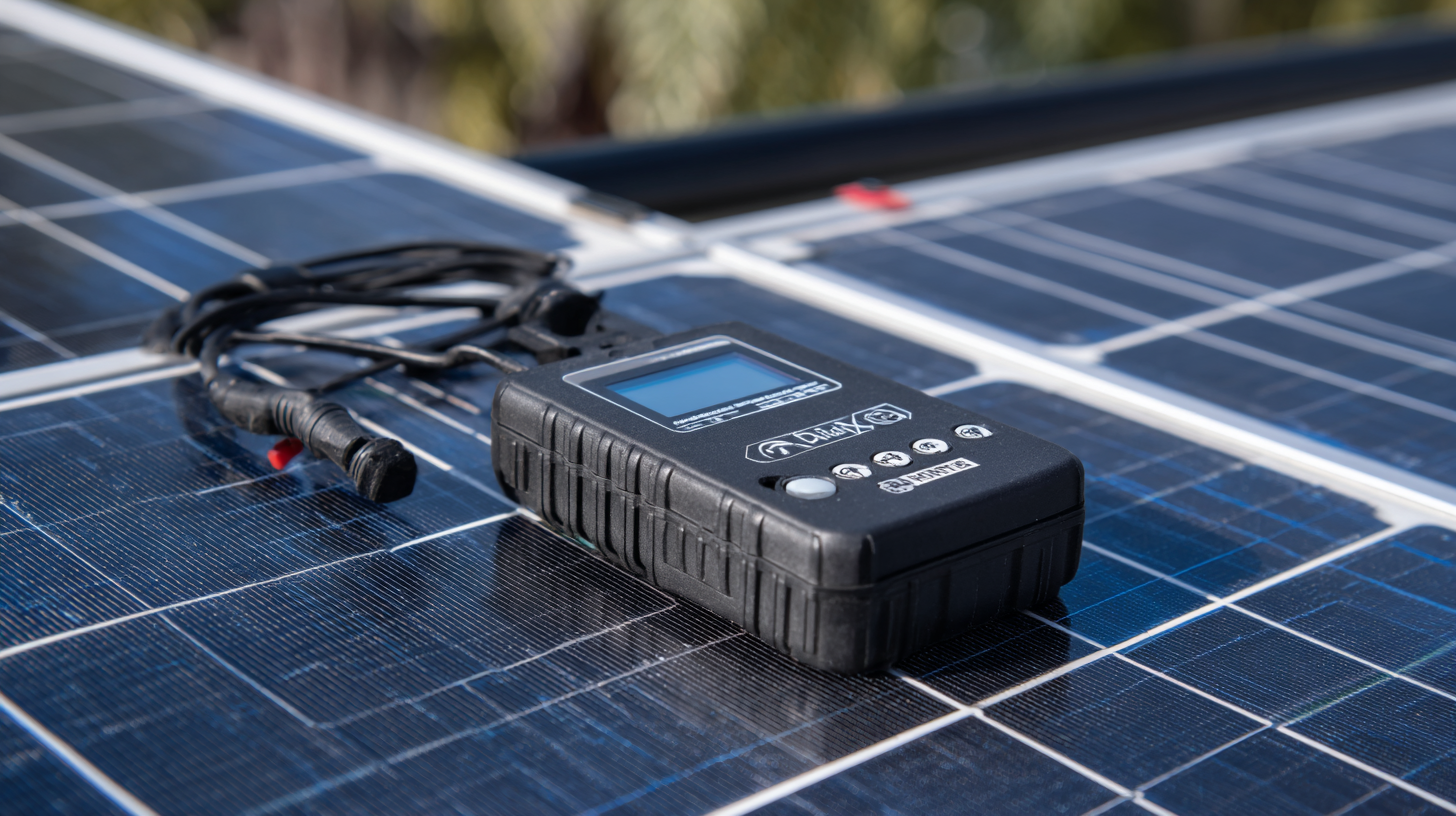
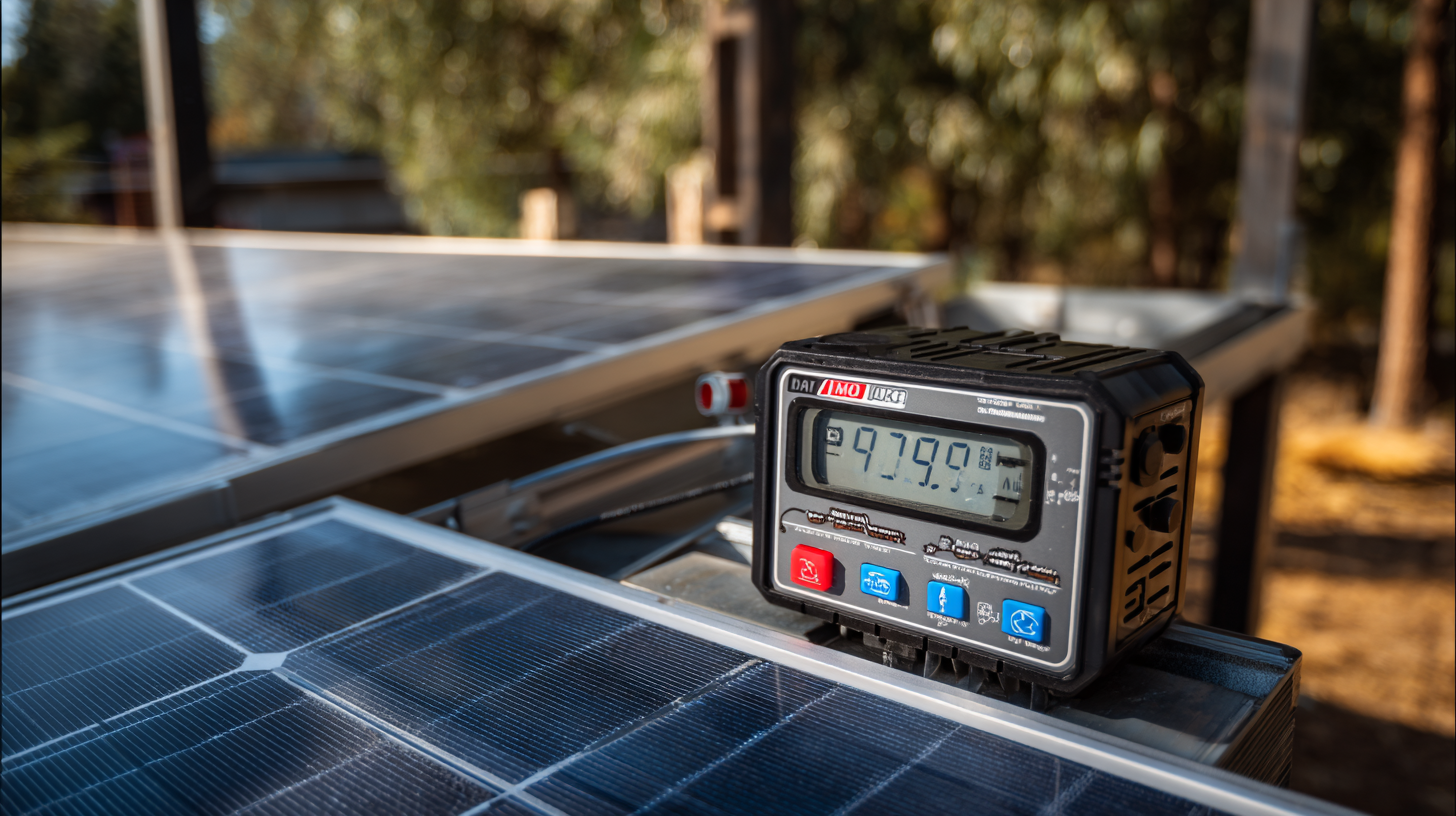
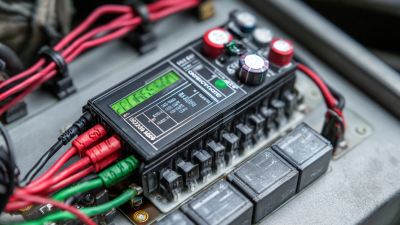
These days, as renewable energy keeps gaining traction, everyone's talking about more efficient and reliable solar systems. In fact, a recent industry report predicts that the global solar market is going to grow by about 20.5% by 2026—that’s pretty impressive! Now, a key piece of making sure these systems work their best is choosing the right DC Charge Controller. It basically manages the voltage and current from your solar panels to your batteries, making sure everything charges properly and lasts longer. Here at Zhejiang Rambo Intelligent Technology Co., Ltd., we’re proud to be at the forefront of solar tech innovation. Our state-of-the-art factories and cutting-edge manufacturing processes allow us to produce top-quality DC Charge Controllers that are also budget-friendly. We’re really committed to quality, doing things ethically, and putting our customers first. That’s what makes us stand out in this growing market—plus, picking the right components like DC Charge Controllers can really boost your solar system’s efficiency and reliability. Trust us, a good controller makes all the difference!
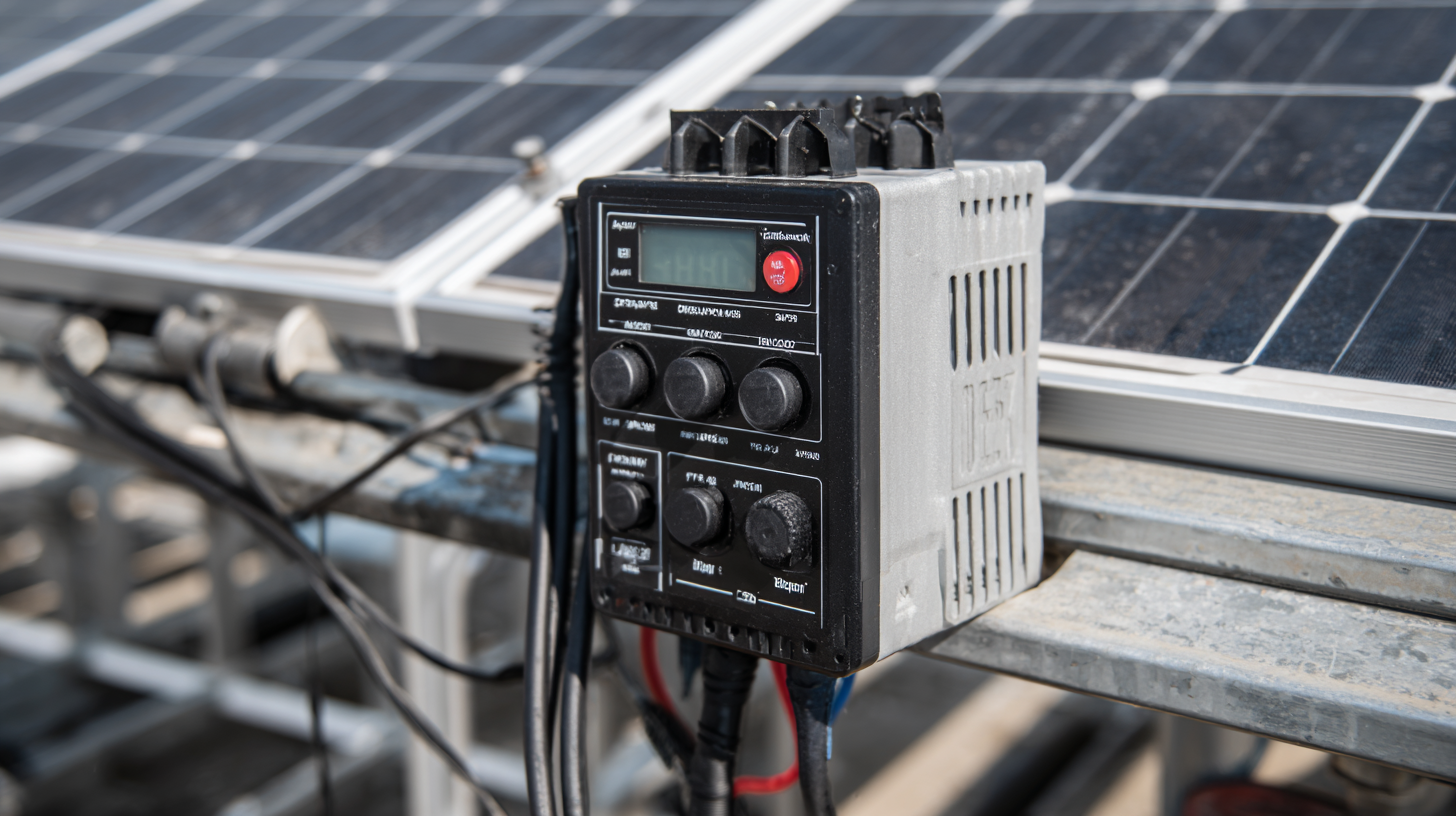
When you're getting into installing solar power systems, picking the right DC charge controller is super important if you want to get the most out of your setup and keep energy flowing smoothly. Basically, there are two main types of controllers: PWM (Pulse Width Modulation) and MPPT (Maximum Power Point Tracking). PWM controllers basically work by tweaking the width of the electrical pulses sent to your batteries to keep the charging process steady. They're usually simpler and cheaper, so if you’re on a budget, they can be a good choice. But here’s the thing—they don’t perform as well when the sunlight keeps changing throughout the day, which can really cut down their efficiency compared to MPPT controllers.
Now, MPPT controllers are a different story. They’re built to get the maximum power out of your solar panels by constantly adjusting how they operate based on the sunlight. That means they can really shine—especially when the weather’s unpredictable or the sun isn't shining at full blast—they can boost energy harvest by about 20-30% over PWM systems. As solar tech keeps growing and more people jump into renewable energy, having a good charge controller really makes all the difference in keeping your batteries healthy and reliable. So, understanding these differences isn’t just tech talk—it actually helps you make smarter choices based on your specific needs and where you are solar-wise.
Overall, it’s all about knowing what works best for your situation and getting the most bang for your buck, ya know?
Harnessing Solar Energy: The Benefits of the 3 Inch Solar-Powered Helical Rotor Submersible Borehole Pump
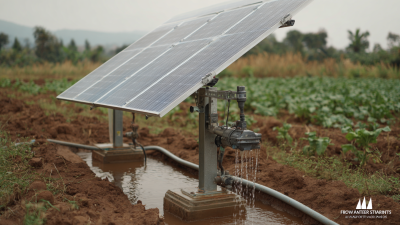
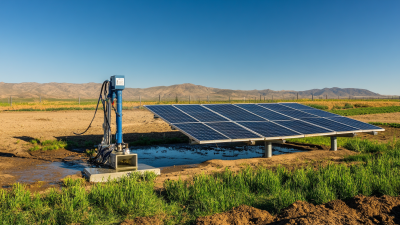
The advancement of solar technology has paved the way for innovative solutions in various industries, including water management. Among these innovations is the 3 Inch Solar-Powered Helical Rotor Submersible Borehole Pump, which leverages the abundant energy from the sun to drive its operations. This efficient, eco-friendly pump not only reduces energy costs but also provides a reliable water supply, making it an excellent choice for agricultural, residential, and commercial applications.
One of the standout benefits of the solar-powered helical rotor pump is its remarkable efficiency. Utilizing a helical rotor design allows the pump to move water more effectively, ensuring a consistent flow even from depths that would typically challenge traditional pumps. Coupled with solar power, it operates without the need for grid electricity, which is particularly advantageous in remote areas where power supply can be unreliable. This capability aligns perfectly with sustainable practices, reducing dependence on fossil fuels and minimizing the carbon footprint associated with water pumping.
Moreover, installation and maintenance of the 3 Inch solar-powered pump are simplified, making it a user-friendly solution for many. With rising concerns over water scarcity and climate change, adopting such renewable solutions not only enhances operational efficiency but also contributes to a greener planet. As more individuals and businesses recognize the advantages of solar-powered pumps, the transition to sustainable water management becomes ever more attainable.
: A charge controller plays a critical role in optimizing solar system performance by regulating the energy output and ensuring proper charging of the batteries, thus significantly influencing overall energy output.
Some charge controllers can achieve up to 98% efficiency, meaning that improvements in efficiency can lead to greater energy harvest, especially in systems reliant on battery storage.
It is recommended to look for charge controllers that offer Maximum Power Point Tracking (MPPT), as they can increase energy harvest by 20-30% compared to traditional PWM controllers.
Investing in a high-efficiency charge controller can significantly reduce energy losses during the charging process, enhancing the return on investment for the user.
Compatibility is crucial because mismatched systems can diminish performance. The charge controller must handle the maximum voltage and current from the solar array to utilize the solar energy effectively.
When selecting a charge controller, you should consider compatibility with battery specifications, voltage ratings, current capacity, and whether to use PWM or MPPT technology.
Proper sizing ensures that the charge controller can handle peak current produced by solar panels, prevents exceeding the controller’s ratings, and accounts for potential future expansions of the solar setup.
A correctly sized charge controller can enhance battery lifespan by preventing issues like overcharging and deep discharging, leading to improved long-term performance.
Using an improperly sized charge controller can lead to inefficient energy transfer, reduced system performance, and potentially damage to the batteries and other system components.
Picking the right DC charge controller is pretty important if you want your solar system to run smoothly and efficiently. In this guide, we'll take a look at the two main types—PWM and MPPT—and what sets them apart. Both have their own unique features and levels of efficiency, which can really make a difference in how well your solar setup works. When choosing, think about whether the controller matches your batteries and solar panels, make sure it’s the right size for your system, and consider how the costs stack up against the benefits.
Here at Zhejiang Rambo Intelligent Technology Co., Ltd., we totally get how crucial it is to choose a high-quality DC charge controller. Thanks to our top-notch manufacturing facilities and innovative designs, we offer products that are not only reliable but also competitively priced compared to some of the biggest names in the industry. Our focus on quality and customer satisfaction means you’ll get the best solution to power up your solar energy setup without any hassle.




 Mr Youkee Kong