Solar Pump

You know, as more and more folks look for smarter and more eco-friendly ways to handle water, it’s pretty clear that exploring alternatives to the old-school Deep Well Submersible Pumps has become a must. I mean, just take a look at what MarketsandMarkets reports — the global water pump market’s projected to hit around $77 billion by 2025. That’s mainly because everyone’s pushing for better water management and some really cool new tech.
At Zhejiang Rambo Intelligent Technology Co., Ltd., we’re all about rising to that challenge. We offer top-quality products at prices that won’t break the bank. Thanks to our state-of-the-art facilities and cutting-edge manufacturing techniques, we’re making a name for ourselves even in a market full of giant players. Our focus is on innovative designs and solutions that put our customers first — all while staying true to our core values of quality and integrity. In this blog, I’ll walk you through some unique alternatives to Deep Well Submersible Pumps that could really make a difference in making water use more efficient and sustainable.
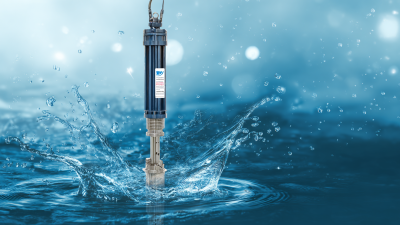
Deep well submersible pumps have been a pretty common go-to for pulling groundwater, especially in spots where surface water is hard to come by. That said, they’re not perfect and come with their fair share of issues that can really limit how effective they are. For one, they’re heavily reliant on electricity—so if the power goes out, forget about getting water when you need it most. Plus, setting them up and keeping them running isn’t cheap; you often need special skills and gear, which can be a hassle for many folks.
Another thing to watch out for is how sensitive they are to their environment. Sure, these pumps are designed to work underwater, but things like sediment, harsh chemicals, or water quality changes can mess with their performance. Over time, you might notice they'll slow down or need more frequent repairs, which adds to the costs. That’s why it’s worth thinking about other options — like solar-powered pumps or different types of surface pumps — that might be more reliable and easier on the pocket. These alternatives not only help sidestep some of the headaches associated with deep well pumps but can also make managing water resources a lot more efficient and sustainable in the long run.
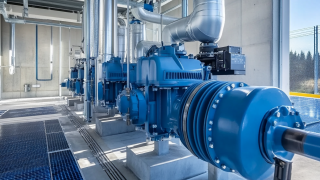
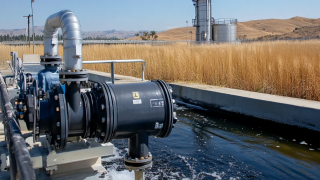
Lately, there’s been a real shift toward using innovative surface pumping solutions instead of the usual deep well submersible pumps. They’re turning out to be pretty practical options, especially as the world’s really feeling the need for more efficient water access in all sorts of settings. These surface pumps sit above ground, which makes them super versatile—perfect for everything from watering crops on farms to supplying water to homes. They work by using gravity and suction to draw water up from wells, boreholes, or even surface water sources. Plus, thanks to new materials and tech, they’re now more efficient and durable than ever.
What I find really cool is how adaptable these modern pumps are. Many are designed to be mobile, so you can easily move them around as your water needs change — no big hassle. They’re also generally easier to check and maintain, which means less downtime and lower costs in the long run. And let’s not forget about the solar-powered options! These are becoming pretty popular because they’re eco-friendly and help cut down on energy costs while still reliably pumping water. As communities and industries look for smarter, greener ways to access water, surface pumping solutions are definitely proving to be a game-changer.
This chart illustrates the efficiency ratings of various water pumping solutions compared to traditional submersible pumps. Clearly, solar-powered pumps lead in efficiency, while hand pumps represent a basic but less efficient alternative.
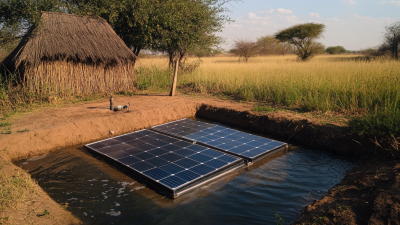
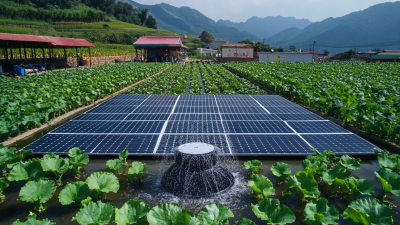
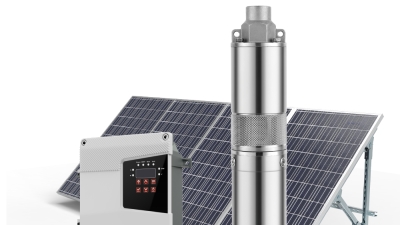
Lately, there’s been a real buzz around solar-powered water pumps as a go-to solution for sustainable water management. These cool gadgets use solar energy to pump water efficiently, helping us cut down on reliance on traditional power sources. Unlike those deep well submersible pumps—they often need a lot of infrastructure and can be pretty maintenance-heavy—solar pumps are a more eco-friendly and convenient option. They’re especially perfect for remote spots or farms that want to keep costs down while still managing their irrigation needs effectively.
At Zhejiang Rambo Intelligent Technology Co., Ltd., we really get how important it is to combine the latest tech with a focus on sustainability. We’re committed to providing high-quality products that don’t break the bank, which helps us stand out in the global market. Thanks to our advanced manufacturing setups and innovative processes, our solar water pumps aren’t just super efficient—they’re also environmentally friendly. This means our customers get innovative, reliable solutions that boost their water management and help protect the planet at the same time. We’re all about putting our customers first and continuously redefining what water solutions can be—making them accessible, affordable, and sustainable for everyone.
Wind-driven pumps are actually a pretty clever and eco-friendly alternative to those usual deep well submersible pumps. They offer a neat, sustainable way to get water, especially in places far from conventional power sources. What’s cool is that these systems use just the wind — no need for electricity or gas — so they can suck water from shallow wells, lakes, or rivers. That means lower operational costs and a smaller environmental footprint, making them perfect for remote spots where traditional power isn’t an option.
Honestly, the way these wind pumps work is pretty fascinating. They usually have a windmill-like setup that spins when the breeze blows, transforming wind energy into motion. That motion then powers a pump to lift water up to the surface. Thanks to recent design improvements, they’re more efficient and reliable than ever — they can handle different wind conditions without too much trouble. As more communities start looking for sustainable and practical water solutions, wind-driven pumps are definitely worth considering. They’re a smart way to tap into natural resources to keep water flowing where it’s needed most.
As water shortages become an even bigger concern these days, it’s really important to look into alternative tech options beyond the usual deep well submersible pumps. I mean, exploring these innovative solutions can help us make water management more sustainable, right? One thing that’s catching attention is solar-powered water pumps. They basically use renewable energy—like sunlight—so they don’t cost a fortune to run and help cut down on fossil fuel use. Plus, they’re game-changers for those remote places where no electricity is available; they help communities be more energy independent.
Then there’s this newer tech with pneumatic pumps that use compressed air to move water. That’s pretty cool for places where electrical systems might be risky or hard to maintain—it’s a pretty reliable workaround. And let’s not forget surface water pumps combined with gravity-fed systems, which are a low-energy option suited for specific terrains. These can transfer water efficiently without having to drill deep wells all the time.
Looking into all these alternatives helps us find solutions that strike a good balance between cost and caring for the environment. It’s all about smarter water management that works across different situations and needs.
When you're looking into alternative ways to handle water, it's pretty important to weigh out the unique advantages and the best practices for each option. For example, rainwater harvesting isn't just about saving water—it's also a great way to get a sustainable source for things like watering plants and other non-drinking uses. Setting up a system like this does take some planning—think gutters, storage tanks, and making sure you're following local rules. Plus, regular upkeep is a must to keep everything clean and running smoothly, so you get the most out of it.
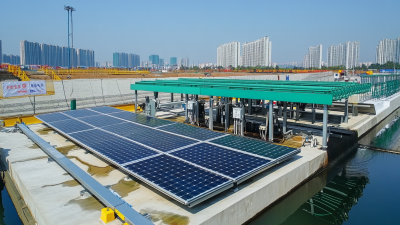
Another cool option is using solar-powered pumps. These are awesome because they use renewable energy to move water around efficiently. But to make it work right, you’ll want to check how much sunlight your site gets and pick the right pump that suits your water needs. Adding smart tech can also be a game-changer—it helps monitor things automatically and makes managing water a whole lot easier. Switching to these kinds of solutions isn’t just good for the planet; it can also give you a steady water supply while saving some cash in the long run.
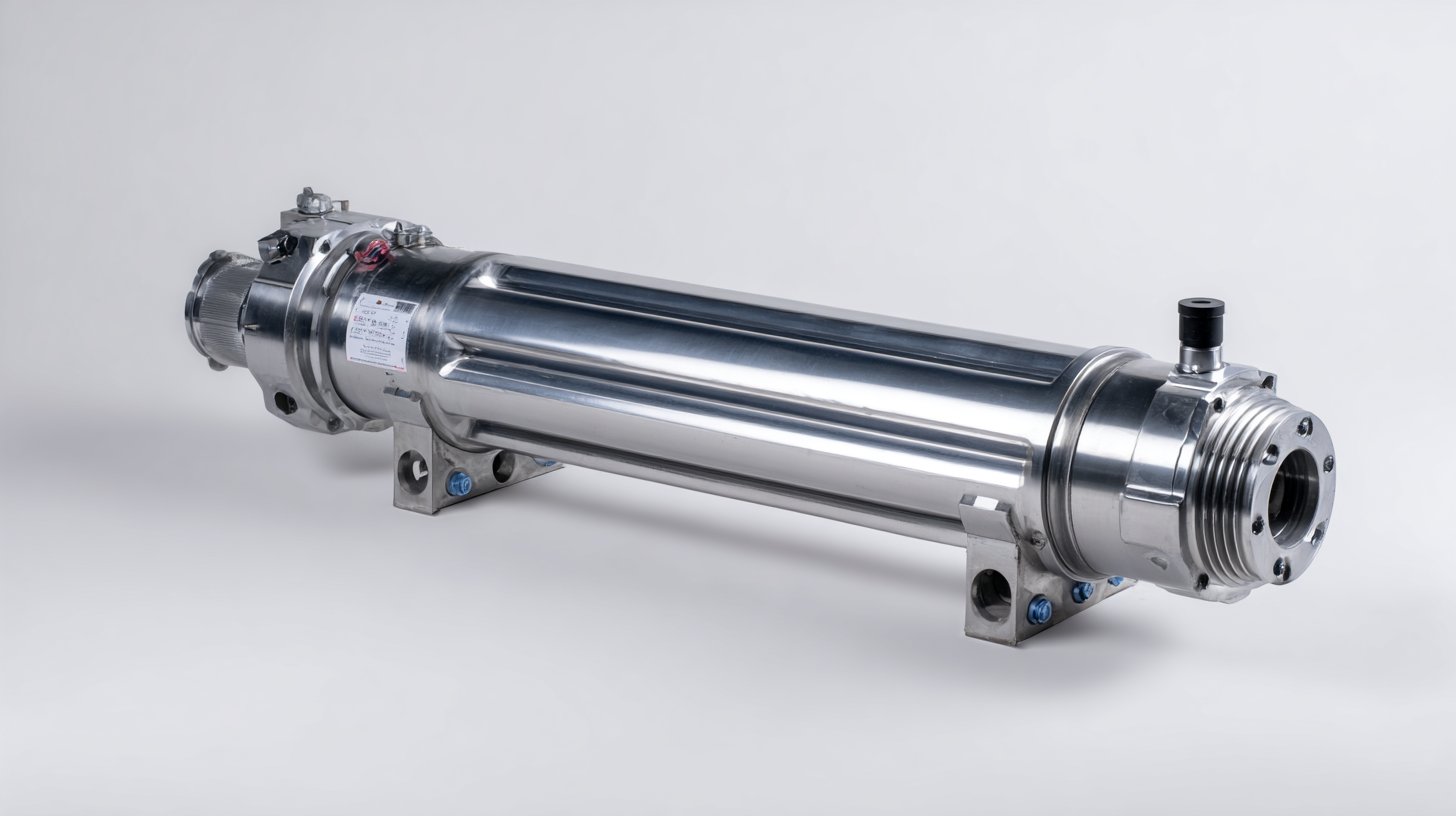
When it comes to sustainable water management, solar-powered water pumps stand out as an innovative solution for a variety of applications. In our comprehensive guide on the 3 Inch DC Deep Well Screw Solar Water Pump, we explore how these pumps harness solar energy to provide efficient and eco-friendly water pumping capabilities. By utilizing sunlight, these systems offer a reliable alternative to traditional diesel or electric pumps, significantly reducing operational costs and carbon footprints.
The 3 Inch DC Deep Well Screw Solar Water Pump is specifically designed to operate in remote areas where electricity may not be readily available. This compact and robust pump can easily extract water from deep underground, making it ideal for agricultural irrigation, livestock watering, and even domestic use. The pump's design, emphasizing energy efficiency and longevity, means that users can enjoy uninterrupted water supply while contributing to environmental sustainability. Additionally, the integration of modern solar technology ensures minimal maintenance and maximized performance, allowing users to focus on their core activities without the worry of water scarcity.
: The primary limitations include dependency on electricity, high installation and maintenance costs, and vulnerability to environmental conditions such as sediment buildup and chemical exposure.
During power outages, deep well submersible pumps cannot operate, which results in loss of access to vital water supplies.
Solar-powered water pumps harness solar energy, reduce reliance on traditional energy sources, and are ideal for remote areas and farms seeking cost-effective irrigation solutions.
Factors like sediment buildup, aggressive chemicals, and varying water quality can negatively affect the efficiency and increase maintenance costs of submersible pumps.
Alternatives include solar-powered pumps, pneumatic pumps that use compressed air, and surface water pumps integrated with gravity-fed systems.
They minimize operational costs, reduce environmental impact, and promote energy independence by utilizing renewable energy, making them suitable for areas without electricity.
Pneumatic pumps use compressed air to draw water, making them effective in applications where electrical systems are risky or difficult to maintain.
Alternative technologies can enhance efficiency, lower operational costs, and reduce environmental impacts, ultimately aligning economic viability with sustainable water management practices.