Inquiry
Form loading...
0%

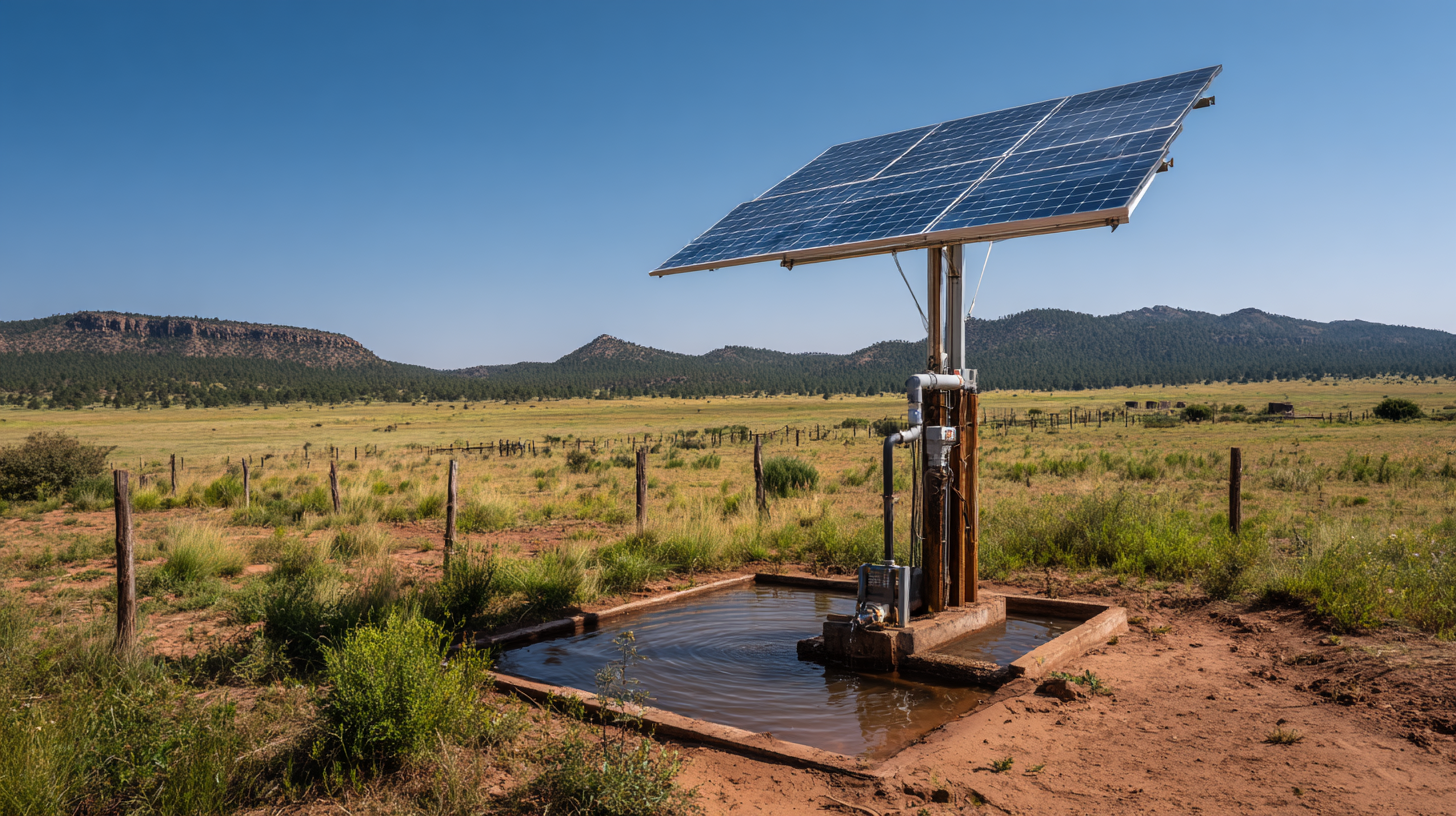
Unlocking Sustainability: How Solar Water Pumps Can Save You 70% on Energy Costs Lately, there’s been a real push for more sustainable energy solutions—people and industries alike are trying to cut down on their carbon footprints and save on energy costs. One cool tech that's been gaining traction is the Solar Water Pump, which uses sunlight to efficiently pump water and save money in the process. According to a report from the International Renewable Energy Agency (IRENA), switching to solar irrigation can slash energy bills by up to 70%. That’s a pretty big deal, both for your wallet and for the environment.

Experts like Dr. Emily Adams from GreenTech Innovations are really keen on how game-changing this technology can be. She mentions, “Using Solar Water Pumps not only saves energy but also helps farming communities by giving them a steady, reliable water source.” It’s pretty inspiring to see how solar tech can make a real difference—both in saving resources and strengthening communities, especially where access to water is such a vital part of everyday life.

As climate change and resource shortages start hitting agriculture harder, tools like Solar Water Pumps offer a sustainable and innovative way to manage water better. By tapping into the sun’s energy, these systems are really paving the way for a greener, more sustainable future.

The Rise of Solar Water Pumps in Energy Management

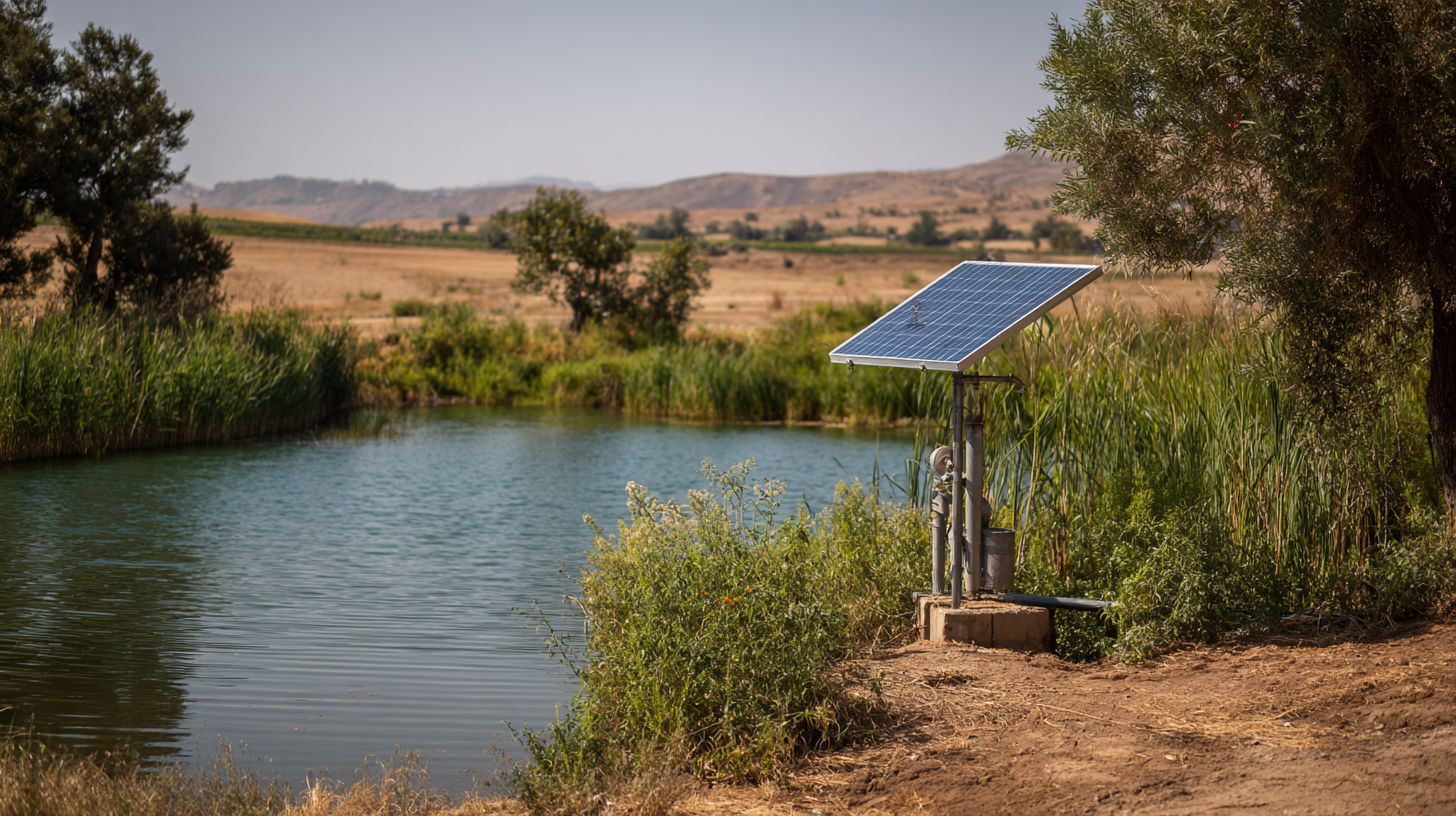
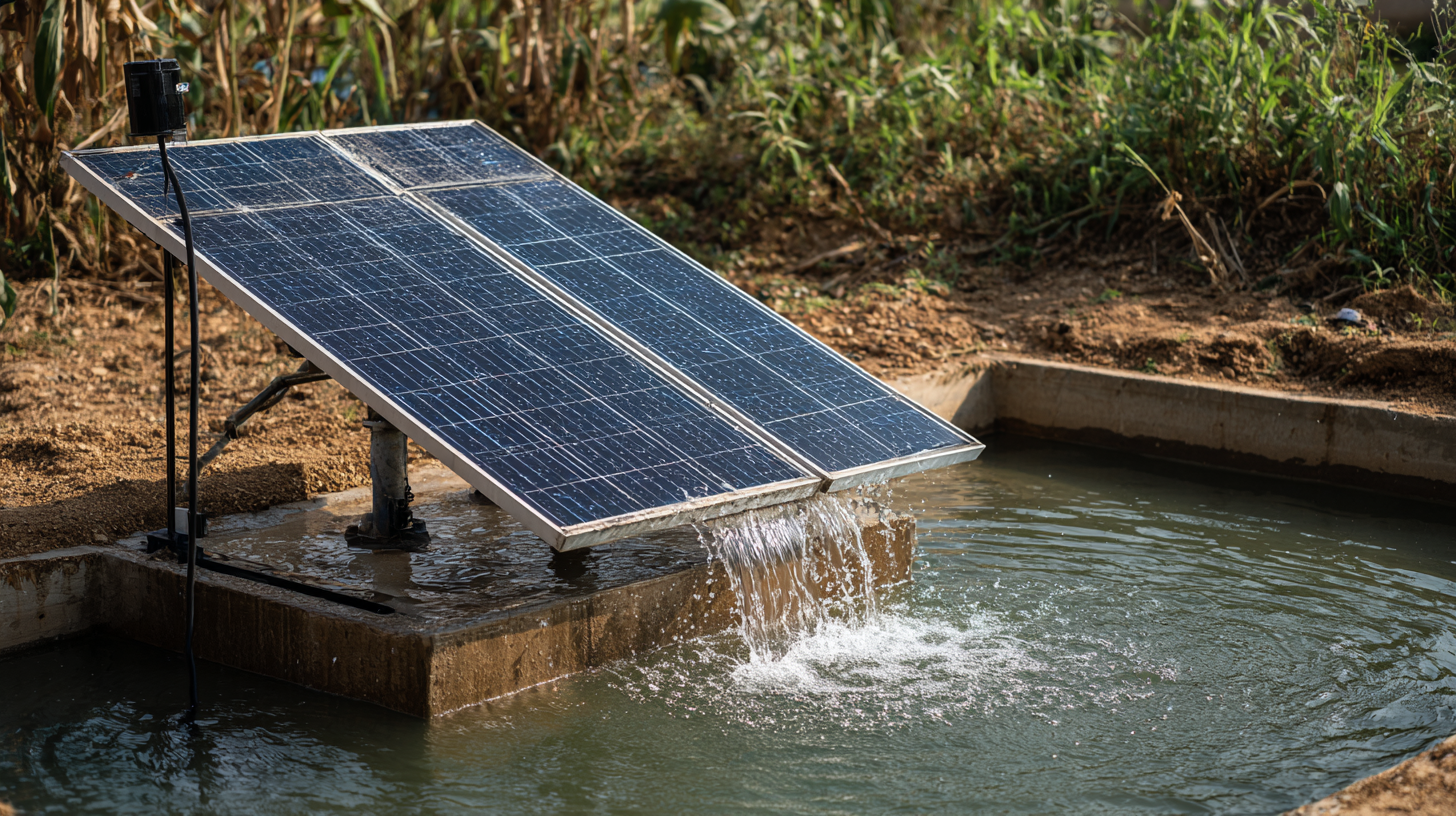
Lately, there's been a pretty big shift with solar water pumps — they're changing the game for both homeowners and farmers. With everyone now more focused on sustainability, these pumps do way more than just cut back on traditional energy use; they can save you a ton—like up to 70% on your energy bills! It’s such a win-win because it lines up perfectly with the bigger trend toward energy efficiency and renewable solutions. Basically, you can harness the sun’s power to meet your everyday water needs, without breaking the bank.

Solar Water Pump

If you're thinking about jumping on the solar water pump bandwagon, here are a couple of tips: First, figure out exactly how much water you need to use so you pick a system that's just right for you. Also, don’t forget that regular maintenance is key—checking in on your pump now and then will help it perform at its best. And, hey, it’s always worth looking into any federal tax credits or incentives available; they can make the switch even more affordable.

For folks living in areas where energy can be patchy or hard to come by—like some parts of Africa—solar water pumps can be a real lifesaver. They help fill the gap, providing reliable access to water and energy. As the market for renewables continues to grow and energy reforms kick in, investing in solar water pumps isn’t just good for your wallet, but it’s also a step toward a cleaner, greener planet — it’s a real win-win situation.

Understanding the Cost Savings of Solar Water Pump Technology

You know, the way solar water pumps are changing agriculture and industry is pretty remarkable, and honestly, it’s saving folks a lot of money too. I read somewhere that according to the International Renewable Energy Agency (IRENA), companies using solar-powered systems can cut their energy bills by anywhere from 50% to 70% compared to the old-school diesel pumps. What’s cool is that these pumps use renewable energy, so they help cut down our reliance on fossil fuels and lower greenhouse gas emissions—definitely a win-win!

Unlocking Sustainability: How Solar Water Pumps Can Save You 70% on Energy Costs

Lately, tech improvements in solar have really boosted efficiency and made these systems way more affordable. The National Renewable Energy Laboratory (NREL) even pointed out that solar panel prices have dropped about 70% since 2010. That’s pretty huge, right? Now, more farmers and businesses can actually get into solar water pumping without breaking the bank. Plus, when you think long-term, the savings add up—not just on fuel, but also on maintenance, which means folks can pour those savings into other important parts of their work. All in all, moving towards solar water pumps isn’t just good for the planet; it’s also a smart move financially. It’s like hitting two birds with one stone, you know?

Environmental Benefits of Adopting Solar Water Pumps

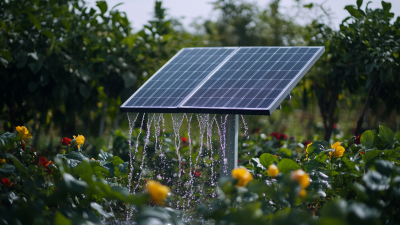
Unlocking Sustainability: How Solar Water Pumps Can Save You 70% on Energy CostsSolar water pumps are really changing the game when it comes to saving money and helping the environment. Basically, by using the sun’s energy, these pumps can cut your energy bills by up to 70%. That’s a huge deal, especially for homeowners or businesses looking to save some cash. Plus, not only do they help your wallet, but they also support the global shift towards cleaner, greener energy—less dependence on fossil fuels and all that good stuff.

Using solar water pumps isn’t just good for your budget; it’s also good for the planet. They cut down on greenhouse gases big time, which means cleaner air and a step forward in fighting climate change. Here at Zhejiang Rambo Intelligent Technology Co., Ltd., we’re pretty proud of the high-quality solar water pumps we offer. They’re built with the latest tech, so we can guarantee they meet international standards, all while being affordable. Investing in solar isn’t just smart for your wallet, but it also means you’re doing your part in protecting the environment and promoting more eco-friendly practices. It’s a small step, but every bit counts when it comes to a healthier Earth, right?

Key Factors Influencing Energy Efficiency in Water Pump Systems

As the world really focuses more on sustainability these days, solar water pumps are starting to shine as a game-changer for cutting down energy costs across different setups. You know, a big part of how efficient these water pumps are depends on things like their design, how they operate, and whether they're paired with renewable energy sources. For example, the global market for household water pumps is expected to jump from about $18.58 billion in 2024 to roughly $26.92 billion by 2032—that's a compound annual growth rate of around 4.8%. This definitely shows folks are more and more into adopting energy-efficient tech that taps into renewable energy sources.

And it's not just water pumps—big data centers are also racing to improve their cooling systems. The market for energy-efficient cooling tech is really booming right now. Whether it's small, medium, or huge data centers, there's a rising demand for smarter cooling solutions. Liquid cooling is getting a lot of attention lately, especially with the new AI workloads. It tends to do a better job managing heat than the old-school air cooling systems. In fact, the liquid cooling segment might become a crucial part of powering more energy-efficient data centers, which explains why many industries are turning to these innovative solutions as their operational needs grow and evolve.

Unlocking Sustainability: How Solar Water Pumps Can Save You 70% on Energy Costs

Parameter Value
System Type Solar Water Pump
Energy Cost Savings Up to 70%
Average Monthly Energy Cost Reduction $50-$150
Common Applications Agriculture, Irrigation, Livestock
Average System Lifespan 25 years
Installation Cost (Average) $1,500 - $5,000
Return on Investment (ROI) 2-5 years
Maintenance Frequency Annual

Comparative Analysis: Solar vs. Traditional Water Pumping Methods

You know, solar water pumps are really changing the game for farms and industries these days, especially when you compare them to the old-school water pumping methods. I read somewhere—like in a report from the International Renewable Energy Agency—that these solar-powered pumps can slash your energy costs by up to 70%. Pretty amazing, right? And they’re a sustainable alternative to relying on diesel or grid electricity. The best part? They don’t cost much to run or maintain since they don’t need fuel—plus, you dodge the unpredictable swings of energy prices.

And here’s something else worth mentioning: traditional pumps often run on fossil fuels, which isn’t great for the environment since they add to greenhouse gases. Solar pumps, on the other hand, use clean, renewable energy, so they’re better for the planet—pretty aligned with global efforts to be more sustainable. The World Bank even points out that switching to solar water pumps can seriously help reduce the carbon footprint in agriculture, which is a win for both the environment and your budget.

If you're thinking about investing in a solar pump—especially if you need a steady water supply for irrigation—it could really boost your productivity while keeping costs down. And don’t forget to check out how much sun your area gets; that’ll help you make the most of your system and save even more. Oh, and most governments offer incentives for renewable energy investments, so that can help cut down the initial setup costs too. Definitely something to consider if you’re into saving money and the environment at the same time!

Unlocking Sustainability: Energy Cost Comparison of Solar vs. Traditional Water Pumps

This chart illustrates the estimated annual energy costs associated with traditional water pumping methods compared to solar water pumps. As seen, solar water pumps can significantly reduce energy costs, demonstrating their potential for sustainability.

Innovative Solutions for Efficient Water Extraction: The 3 Inch Solar-Powered Helical Rotor Submersible Pump with MPPT Technology

The pursuit of efficient water extraction methods has never been more pressing, particularly in regions facing water scarcity. One groundbreaking innovation in this field is the 3 Inch Solar-Powered Helical Rotor Submersible Pump equipped with Maximum Power Point Tracking (MPPT) technology. This cutting-edge pump harnesses solar energy effectively, allowing for sustainable operation even in remote or off-grid locations. The helical rotor design enhances the pump's performance, enabling it to deliver a substantial flow rate while minimizing energy consumption.

The integration of MPPT technology significantly optimizes the energy output from solar panels, ensuring that the pump operates at its peak efficiency throughout the day. This advanced capability allows users to extract more water with less solar input, making it an ideal solution for agricultural irrigation, livestock watering, or any application requiring reliable water supply. Furthermore, its compact size simplifies installation and maintenance, making it accessible for both commercial and residential users. The 3 Inch Solar-Powered Helical Rotor Submersible Pump represents a significant step forward in sustainable water management, offering a reliable and eco-friendly solution to meet the growing demand for fresh water sources.

FAQS

: What are solar water pumps and why are they gaining popularity?

: Solar water pumps are systems that use solar energy to pump water, making them increasingly popular due to their ability to reduce reliance on traditional energy sources and offer significant cost savings—up to 70% on energy expenses.

How can users maximize the benefits of solar water pumps?

Users can maximize benefits by accurately assessing their water needs, selecting appropriately sized systems, conducting regular maintenance, and exploring available federal tax credits for more affordable adoption of these technologies.

What are some financial benefits of using solar water pumps in agriculture and industry?

Businesses using solar water pumps can see energy cost reductions of 50% to 70% compared to traditional diesel pumps, leading to substantial savings on maintenance and fuel costs.

How has the cost of solar technologies changed in recent years?

The price of solar photovoltaic systems has dropped by approximately 70% since 2010, making solar water pumps more efficient and accessible for farmers and businesses.

What factors influence energy efficiency in solar water pump systems?

Key factors include pump design, operating conditions, and the integration of renewable energy sources, all contributing to the efficient operation of these systems.

How are solar water pumps addressing energy deficiencies in regions like Africa?

In areas facing energy deficiencies, solar water pumps provide reliable access to energy, supporting essential water needs in homes and agricultural systems.

What is the projected growth for the household water pump market?

The global market for household water pumps is projected to grow from $18.58 billion in 2024 to $26.92 billion by 2032, reflecting a growing adoption of energy-efficient technologies leveraging renewable energy.

What advances have been made in the cooling technology market relevant to energy efficiency?

The data center cooling market is expanding, with a focus on energy-efficient liquid cooling systems, especially due to increasing demands from AI-driven workloads that require optimized thermal management.

How do solar water pumps contribute to reducing greenhouse gas emissions?

By utilizing renewable energy instead of fossil fuels, solar water pumps significantly decrease dependency on traditional energy sources, leading to reduced greenhouse gas emissions.

Why is investing in solar water pumps considered a strategic move for users?

Investing in solar water pumps is not only environmentally conscious but also offers long-term economic savings, allowing users to reallocate resources to other critical areas of their operations.

Conclusion

Lately, you’ve probably noticed that more and more folks are jumping on the Solar Water Pump bandwagon, and honestly, it’s a pretty big deal in how we manage energy these days. The cool part? These pumps can slash your energy bills by up to 70%! Plus, with tech just keeps getting better, so you’re not only saving money but also helping out the environment because you’re using renewable energy. If you take a moment to understand how Solar Water Pumps work, it’s pretty easy to see why they’re such a smart choice—more efficient and cheaper than those traditional water pumps we’re all used to.

On top of that, it’s not just about the technology itself. Factors like product quality and smart design play a huge role in how efficiently these systems run. Companies like Zhejiang Rambo Intelligent Technology Co., Ltd. are really leading the charge here. They’re making high-quality solar water pumps that meet global standards, but what’s even better is they’re making these techy solutions affordable and user-friendly. This way, more people can jump on board with clean, sustainable energy practices, no matter what kind of project they’re working on.


Sophie

Sophie

Sophie is a dedicated marketing professional at Zhejiang Lanbo Intelligent Technology Co., Ltd., where her expertise significantly enhances the company's reach and engagement. With a profound understanding of the company's innovative products, she excels in crafting informative and captivating blog......
Previous Global Insights on the Future of Dc Pump Solar Technologies in 2025