Leave Your Message
0%

So, choosing the right borewell pump really starts with your water source—not just comparing motor prices. Things like borewell depth, casing size, water level, and how much water you use each day all affect performance. A pump that works great on one property can struggle on another. That difference matters.

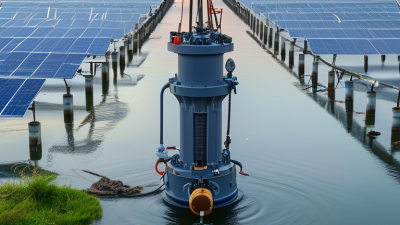
From what we've seen in the field, a properly sized 2 Inch Borewell Submersible Pump can handle compact homes, gardens, and lighter water systems pretty efficiently. Because the motor sits underwater, it cuts down on surface noise and helps keep pressure steady. But installation quality? Still critical. Clean cable joints, the right pipes, and proper electrical protection can prevent a lot of avoidable failures. A reliable technician should actually measure the borewell before recommending any equipment.

Energy use deserves a close look too. An efficient pump can lower operating costs, especially if it's running several hours a day. Stainless steel parts can improve durability where groundwater has sediment or minerals. Still, good materials alone can't fix every problem. You need to test water chemistry, and filters may need regular cleaning. Those small maintenance tasks are easy to ignore.

That's the honest part.

A professional supplier should explain flow rate, head capacity, warranty terms, and service requirements in plain language. Independent testing data and real installation records offer stronger guidance than flashy claims. So choosing a borewell pump is really a balance between performance, reliability, budget, and future maintenance. With careful planning, the system can deliver dependable water without wasting energy or forcing an early replacement.
Why Choose a Borewell Pump for Your Water Needs?

What Is a Borewell Pump?

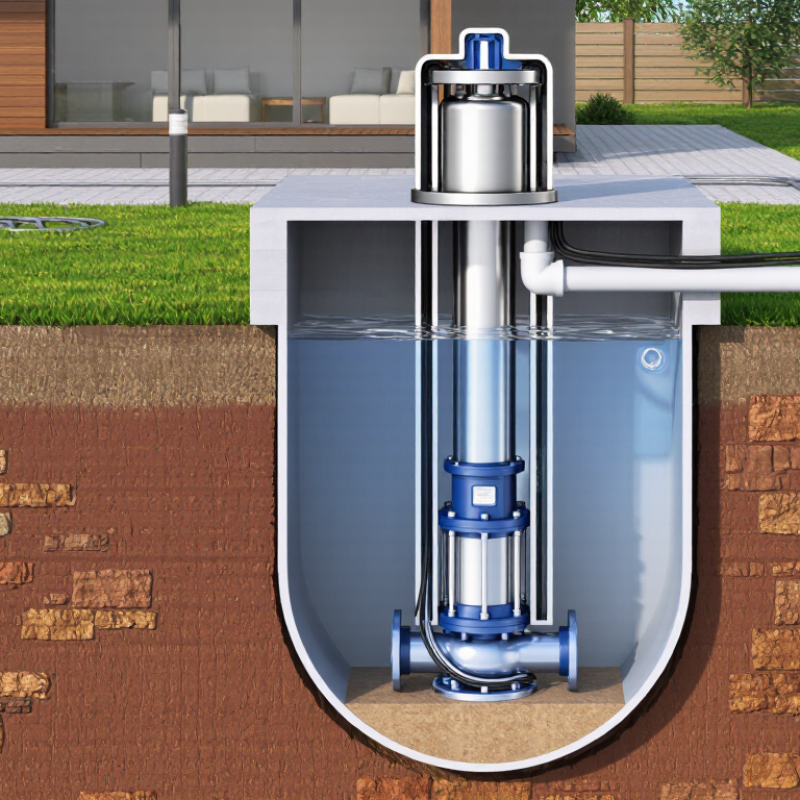
A Borewell Pump is a mechanical system that lifts groundwater through a narrow, drilled well. Most modern units are submersible pumps. They sit below the water level, pushing water upward through a delivery pipe. This design reduces priming problems and suits homes, farms, and small facilities. The pump’s motor, impellers, cable, and check valve work together underground. It is practical, but not automatically suitable for every borewell.

Groundwater matters globally. UNESCO’s United Nations World Water Development Report 2022 states that groundwater supplies nearly half of the world’s drinking water. The report also warns that groundwater can be poorly monitored and slowly depleted. A Borewell Pump should therefore match the well’s tested yield, depth, and recovery rate. Horsepower alone is not enough. A powerful pump may draw water faster than the aquifer can replenish it.

In field assessments, technicians measure static water level, pumping level, flow rate, and sand content before choosing equipment. These details affect energy use and service life. The U.S. Geological Survey reports that groundwater provides about half of U.S. drinking water, showing why dependable extraction matters. Still, water quality needs separate testing. A clear sample can contain dissolved minerals or contaminants. This is where many basic installations fall short. The better choice may be a smaller pump with efficient controls, though that decision deserves periodic review as water levels change.

How Borewell Pumps Access Underground Water

A borewell reaches water stored in underground rock layers called aquifers. Drilling passes through soil, weathered rock, and fractured formations until water enters the well. A casing supports the borehole, while a screened section allows groundwater to flow inside. The depth varies widely. In hard-rock areas, usable water may occur only in narrow cracks.

A Borewell Submersible Pump works below the water level, rather than pulling water from the surface. Its sealed motor turns an impeller, creating pressure that pushes water upward through a rising pipe. This design reduces suction limits and suits deep wells. When the pump starts, the water level can fall temporarily, a condition called drawdown. A hydrogeologist or qualified installer should measure static level, yield, and recovery time before selecting capacity.

The numbers explain why groundwater matters. UNESCO’s World Water Development Report 2022 states that groundwater supplies nearly half of global drinking water and about 40% of irrigation water. The same report describes groundwater as nearly 99% of Earth’s unfrozen liquid freshwater. Yet access is not guaranteed. A dry season can expose weak recharge. That assumption can fail.

Field checks should include sand content, electrical conductivity, nitrate, and microbial quality. A clear glass is not a laboratory test. Well depth, pipe diameter, cable protection, and low-water sensors also affect reliability. Oversizing the pump may empty the borewell faster and increase energy use. Careful testing remains less dramatic, but usually more dependable.

Key Types of Borewell Pumps and Their Uses

Why Choose a Borewell Pump for Your Water Needs?

A Borewell Water Pump lifts groundwater from a narrow, deep shaft. The correct type depends on depth, water level, flow demand, and power availability. In field inspections, I have seen poor sizing cause weak pressure and frequent motor trips. Small errors matter. Submersible pumps remain the common choice for deep household borewells. Their motor and pump sit underwater, pushing water upward through a delivery pipe. This design reduces priming problems and operates quietly.

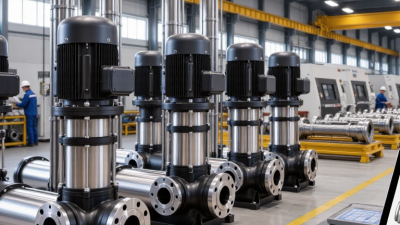
Vertical turbine pumps suit larger farms, housing projects, and industrial water systems. Their staged impellers can move substantial volumes from considerable depths. They need careful alignment and stronger foundations, so installation quality becomes important. Jet pumps work better in shallow or moderate-depth wells. A suction pipe draws water toward the surface, but performance can fall sharply when the water level drops. They may suit small gardens, though not every borewell.

Pump selection should follow a measured water test, not guesswork. A qualified technician can check bore diameter, static water level, drawdown, and sediment content. The pump curve should match the required flow and head. Sand can damage impellers quickly. A simple filter may help, but it cannot fix excessive borewell sediment. I have also learned that energy costs change the practical choice; a highly powerful pump is not always better. Regular inspection of cables, valves, and discharge pressure catches problems before dry running ruins the motor.

Why Choose a Borewell Pump for Your Water Needs? - Key Types of Borewell Pumps and Their Uses
Pump Type Typical Installation Position Common Borewell Depth Range Typical Flow Range Typical Head Range Best-Suited Uses Main Advantages Key Limitations Important Selection Factors
Submersible Borewell Pump Installed below the water level inside the borewell Approximately 30–300 m, depending on the model and well design Approximately 1–25 m³/h Approximately 20–300 m Residential supply Irrigation Livestock watering Commercial water systems Quiet operation, efficient pressure delivery, self-priming because it operates underwater, and suitable for narrow borewells Requires electrical cabling and careful installation; removal may be necessary for servicing; dry running can damage the pump Well diameter, static water level, dynamic water level, required flow, total head, motor voltage, water quality, and cable protection
Deep-Well Jet Pump Pump motor is above ground; ejector assembly is installed in the well Generally suitable for water levels up to approximately 25–30 m, depending on configuration Approximately 1–8 m³/h Approximately 20–60 m Small homes Older shallow-to-medium wells Low-flow water supply Motor and controls are accessible above ground, making inspection and maintenance relatively convenient Usually less efficient and noisier than submersible pumps; needs correct priming and adequate suction-side piping Actual pumping water level, suction and delivery pipe sizes, priming arrangement, available power, and required discharge pressure
Shallow-Well Jet Pump Installed above ground with a suction pipe entering the well Usually suitable where the pumping water level is less than approximately 7–8 m below the pump Approximately 1–6 m³/h Approximately 15–45 m Shallow wells Garden irrigation Small domestic systems Simple above-ground access, comparatively low initial cost, and easy inspection Limited by atmospheric pressure and suction lift; vulnerable to air leaks, loss of prime, and reduced performance at greater depths Vertical distance from water surface to pump, pipe airtightness, foot valve condition, flow demand, and pressure-tank requirements
Vertical Turbine Pump Motor is above ground; bowl assemblies and shaft extend vertically into the borewell Approximately 50–500 m or more for engineered installations Approximately 10–500 m³/h Approximately 30–500 m Municipal water supply Large-scale irrigation Industrial systems High-capacity wells Handles high flow rates, allows the motor to remain accessible, and can be configured for substantial pumping depths More complex installation, larger foundation and alignment requirements, higher maintenance needs, and greater capital cost Required flow, total dynamic head, column pipe length, shaft alignment, well diameter, motor rating, and site foundation
Solar Submersible Borewell Pump Submerged in the borewell and powered by a solar array through a controller or inverter Approximately 30–250 m, depending on system design Approximately 0.5–20 m³/h Approximately 20–250 m Remote farms Off-grid water supply Livestock watering Daytime irrigation Can operate without grid electricity, has low operating emissions, and is well suited to remote locations with good solar exposure Output varies with sunlight; batteries or storage tanks may be needed for nighttime use; initial solar-system cost can be significant Daily water requirement, solar resource, seasonal water demand, storage capacity, controller compatibility, and protection against dry running
Hand-Operated Borewell Pump Manual pump head mounted above ground with a rising main extending into the borewell Commonly used for water levels up to approximately 30–50 m, depending on pump design and user effort Approximately 0.2–1.5 m³/h Approximately 10–50 m Community water points Emergency supply Small rural systems Works without electricity, has straightforward controls, and can provide basic water access in remote areas Low output, physically demanding operation, and unsuitable for continuous high-demand irrigation or pressurized distribution Water level, required daily volume, user effort, sanitary protection, corrosion resistance, and availability of replacement components
Booster Pump for Borewell Storage Installed above ground after a storage tank or break tank; it does not normally lift water directly from a deep borewell Used with storage tanks supplied by a borewell pump Approximately 1–30 m³/h Approximately 15–100 m Household pressure boosting Building distribution Irrigation zones Water transfer Improves delivery pressure, provides flexible system control, and reduces the need for a deep-well pump to meet every pressure demand Requires a separate storage tank and reliable controls; cannot replace a properly sized borewell extraction pump Tank volume, required outlet pressure, simultaneous demand, pipe friction losses, pressure-switch settings, and protection against dry running
Selection note: The ranges shown are typical planning values rather than universal limits. Final pump sizing should be based on a borewell yield test, static and dynamic water levels, required flow, total dynamic head, pipe friction, water quality, power supply, and applicable local electrical and water-installation regulations.

Why Choose a Borewell Pump for Water Supply?

Why Choose a Borewell Pump for Water Supply?

A borewell pump delivers water from deep underground, where surface sources may become unreliable. It suits homes, farms, and small facilities with limited municipal supply. Submersible models work below the water level, pushing water upward through a delivery pipe. This design usually reduces priming problems and operating noise.

Reliable performance depends on proper borewell depth, pump capacity, and water demand. A qualified technician should measure the static water level before selecting equipment. Oversized pumps can waste electricity and lower the water level too quickly. Undersized pumps may struggle during peak household use. Check flow rates carefully. It matters.

Water quality also deserves attention. Test for sediment, hardness, and potential contamination before connecting the supply. A suitable filter can protect valves, storage tanks, and household fixtures. Install a control panel with overload protection and dry-run protection. These safeguards help prevent damage when the borewell temporarily loses water.

Maintenance is easy to underestimate. Inspect cables, pipes, and electrical connections regularly, especially after heavy rain or voltage fluctuations. Keep records of water levels and unusual pump sounds. They reveal problems early. Borewell systems are not automatically maintenance-free, and poor installation can erase their benefits. Local regulations and certified electrical practices should guide every installation.

How to Select the Right Borewell Pump

Choosing a borewell pump starts below the ground, not at the shop counter. Measure total depth, static water level, and expected drawdown. A pump must lift water through the bore, delivery pipe, and storage tank. The required head includes friction losses, bends, and elevation. In a field test, cloudy water after pumping often signals poor development or sediment. Do not ignore it. Grit can damage impellers and seals quickly. A local drilling record or measured site survey is more reliable than a guess.

Match flow to actual use. A small home may need steady filling, while irrigation demands higher volume for longer periods. Oversizing seems safer, but it can lower the water level too quickly and waste energy. For remote sites, a Solar Borewell Pump can reduce grid dependence, yet panel output changes with clouds and seasons. Check the pump’s operating range, controller protection, dry-run sensor, and cable rating. Confirm the bore diameter before ordering. A powerful pump is useless if it cannot fit. I once saw a system selected by horsepower alone. It worked briefly, then overheated during a low-water week. That mistake was avoidable.

Tips: Record water levels at dawn and after one hour of pumping. Ask for a pump curve, not just a horsepower number. Choose corrosion-resistant materials when water contains iron or salt. Keep the intake above settled silt. Install a non-return valve and an accessible isolation point. Leave room for maintenance. Recheck seasonal yield annually, because groundwater conditions can change.

Installation, Maintenance, and Safety Considerations

Why Choose a Borewell Pump for Your Water Needs?

A borewell pump can provide steady water where surface supplies are unreliable. Installation demands accurate depth measurements and careful pump selection. A qualified technician should check bore diameter, water yield, and expected daily demand. The pump must remain fully submerged during operation. Otherwise, dry running can damage its motor within minutes. The delivery pipe should be supported, not left hanging from the pump. Use weatherproof electrical connections and a correctly sized circuit breaker. Local electrical and water regulations also matter.

Maintenance starts with observation. Notice changes in water flow, pressure, noise, or clarity. These signs may reveal a blocked screen, worn cable, or falling water level. Inspect accessible connections regularly for corrosion and moisture. Test protective devices according to the manufacturer’s instructions. Keep a simple service record with dates, readings, and repairs. It helps technicians identify gradual problems. I once underestimated how useful those notes could be.

Safety requires isolation before inspection. Turn off the power, then verify that the circuit is dead. Never handle electrical equipment with wet hands or standing water nearby. A locked control panel can prevent accidental startup during servicing. Test the water periodically, especially after drilling, flooding, or long periods without use. Do not guess about contamination. A certified laboratory can identify risks that clear-looking water hides. Freshly installed systems may need flushing before regular consumption. Getting this timing wrong is easy.

Solar-Powered Drinking Water Solutions: How the SSNF Centrifugal Surface Pump Delivers Reliable Performance

Solar-powered drinking water systems are becoming an important option for communities, farms, and remote facilities where grid access is limited. According to the WHO/UNICEF Joint Monitoring Programme’s 2023 update, approximately 2.2 billion people still lacked safely managed drinking water in 2022. By combining photovoltaic panels with efficient pumping equipment, off-grid water infrastructure can reduce dependence on fuel deliveries and provide a cleaner, more predictable operating model.

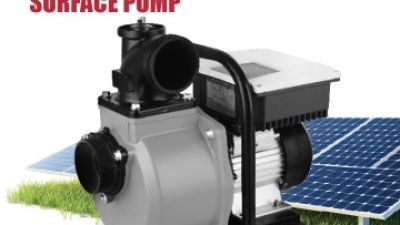
The SSNF centrifugal surface pump is designed to support this approach by moving water from accessible sources such as storage tanks, reservoirs, and shallow collection points. Its centrifugal operating principle enables a steady flow for daily drinking-water distribution, while a surface-mounted configuration can simplify inspection, servicing, and system integration. When matched with the required head, flow rate, solar array, controller, and storage capacity, the pump can deliver dependable performance even where utility power is unavailable. This modular design also allows operators to adjust pumping capacity as water demand changes.

The International Energy Agency reported that global solar photovoltaic capacity exceeded 1,400 GW by the end of 2023, demonstrating the expanding availability of solar generation technology. In practical applications, solar-powered pumping can operate during peak sunlight hours, fill elevated or ground-level tanks, and use stored water after sunset. Proper filtration, dry-run protection, routine maintenance, and seasonal system sizing remain essential for maintaining water quality and long-term reliability.

FAQS

What is a borewell pump?

A borewell pump lifts groundwater through a narrow, drilled well. Most modern units sit below the water level. They push water upward through a delivery pipe. The motor, impellers, cable, and check valve work together underground.

Why is a borewell pump useful for water supply?

It can provide water where surface sources or municipal supplies are unreliable. Submersible designs usually reduce priming problems and operating noise. They suit homes, farms, and small facilities. Quiet, but not effortless.

How should I choose the correct pump size?

Measure the borewell depth, static water level, expected drawdown, and required flow. Include pipe friction, bends, and storage-tank height. Horsepower alone is not enough. An oversized pump may waste electricity and lower water levels quickly.

What water tests should be completed before installation?

Test the water for sediment, hardness, dissolved minerals, and possible contamination. A clear sample may still contain unwanted substances. Cloudy water after pumping can indicate loose sediment. Water quality needs separate attention.

Can a powerful pump damage a borewell?

Yes. A high-capacity pump may remove water faster than the aquifer recovers. This can lower the pumping level and cause dry running. A smaller pump may provide steadier service. That choice should be reviewed as conditions change.

What safety features should a borewell pump include?

Use overload protection and dry-run protection in the control panel. Install a non-return valve and an accessible isolation point. Confirm the cable rating and electrical installation. Small safeguards prevent expensive failures.

How can sediment affect pump performance?

Grit can damage impellers, seals, valves, and pipes. Keep the intake above settled silt when possible. A suitable filter can protect storage tanks and household fixtures. Ignoring cloudy water is a poor shortcut.

Is a solar-powered borewell system suitable for every site?

It can reduce dependence on grid electricity at remote locations. However, clouds and seasonal sunlight change panel output. Check the controller, operating range, dry-run sensor, and cable rating. Solar systems are useful, but not automatically reliable.

What maintenance does a borewell pump require?

Inspect cables, pipes, electrical connections, and unusual pump sounds regularly. Record the water level at dawn and after one hour of pumping. Recheck seasonal yield each year. Maintenance is easy to underestimate.

What common installation mistake should be avoided?

Selecting equipment by horsepower alone is a common mistake. The pump must also fit the bore diameter and match the tested yield. I might prefer a stronger pump, but that instinct can mislead. Measured site data is safer.

Conclusion

A Borewell Pump is a specialized system designed to draw water from underground sources through a deep, narrow borehole. Installed below the water level, it pushes groundwater to the surface for household use, irrigation, livestock, or other approved water-supply needs. Unlike surface pumps, it can access deeper aquifers efficiently and provide a reliable supply when properly sized. Common options include submersible pumps for deep borewells and surface or jet-based systems for shallower water sources, with each type suited to different depths, flow requirements, and power conditions.

Choosing the right Borewell Pump requires evaluating borewell depth, water level, required flow rate, total head, pipe size, water quality, and available electricity. Professional installation helps prevent damage and ensures stable performance. Regular inspection, cleaning, electrical checks, and protection against dry running can extend service life and improve safety. With suitable planning, correct installation, and routine maintenance, a borewell pumping system can offer an efficient, dependable, and practical solution for long-term water access.
Sophie

Sophie

Sophie is a dedicated marketing professional at Zhejiang Lanbo Intelligent Technology Co., Ltd., where her expertise significantly enhances the company's reach and engagement. With a profound understanding of the company's innovative products, she excels in crafting informative and captivating blog......
Previous Top DC Charge Controller Manufacturers for Global Buyers