Leave Your Message
1.Are you purchasing for personal use or as a reseller?
2.Have you ever imported solar water pumps from China?
3.Does your company have its own sales channels or retail network? (e.g., online platforms, physical stores, distributor network, etc.)
0%

When it comes to efficient fluid management, the Electric Submersible Pump (ESP) stands out. Designed for various applications, these pumps deliver reliable performance in challenging environments. Companies like XYZ Pumps have embraced this technology for its versatility. Whether in agriculture, mining, or construction, an Electric Submersible Pump can meet diverse needs effectively.

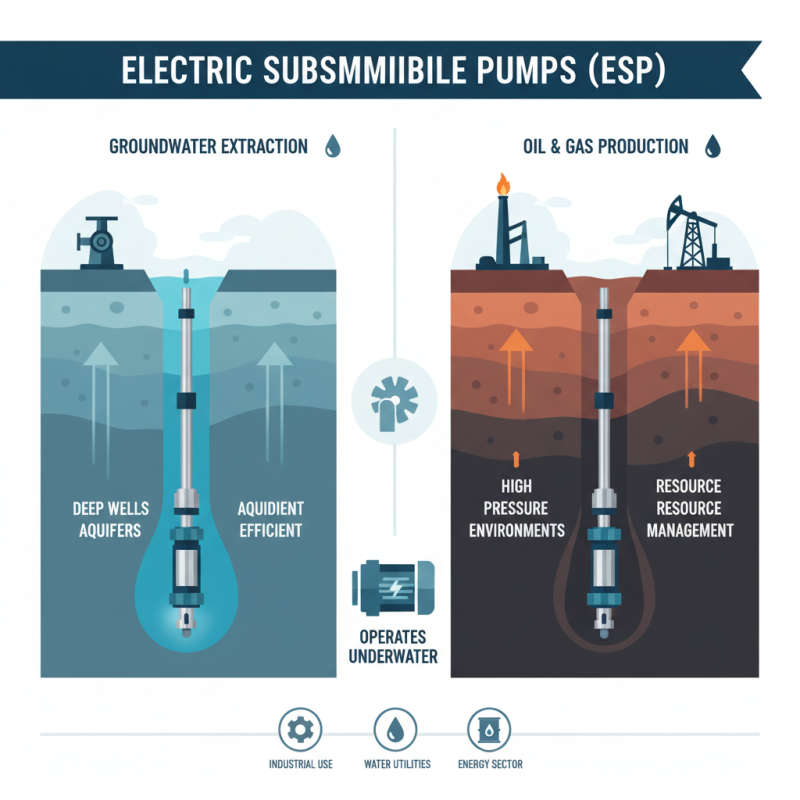
The ESP operates underwater, providing unique advantages. It minimizes the risks associated with surface pumps, such as cavitation. Operational failures can happen with any machinery, and it’s crucial to monitor performance. Nevertheless, an Electric Submersible Pump often offers fewer maintenance issues compared to alternatives.

In choosing the right pump, consider factors like efficiency and energy consumption. While an Electric Submersible Pump can be ideal, it may not always be the best fit for every situation. Each project is unique, and careful evaluation ensures you make the right decision. Balancing cost and performance can be challenging but rewarding.
Why Choose Electric Submersible Pumps for Your Needs?

Benefits of Electric Submersible Pumps in Various Industries

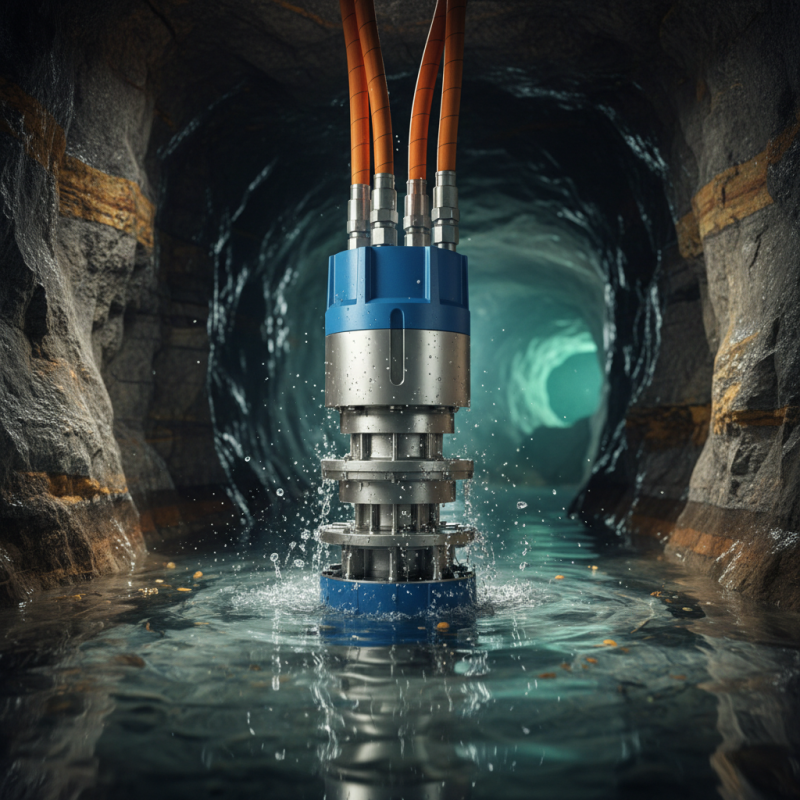
Electric submersible pumps are becoming increasingly essential across various industries. These pumps work efficiently underwater, making them ideal for irrigation, drainage, and wastewater treatment. They offer significant advantages by effectively moving large volumes of liquid with minimal noise and energy consumption. An Electric Submersible Water Pump can often operate continuously, providing a reliable solution for prolonged tasks.

In agriculture, farmers use these pumps to maintain water levels in fields. They can pump water from wells or rivers directly to crops. This is vital for avoiding water shortages during dry spells. Similarly, in construction, the pumps manage groundwater levels, ensuring safe excavation. However, relying solely on these pumps can have its drawbacks. Maintenance issues can arise unexpectedly, leading to costly downtime. Regular checks and servicing are essential to keep them functioning effectively.

The versatility of electric submersible pumps is remarkable, yet it invites reflection. Industries may become too dependent on technology without assessing their needs accurately. Understanding the specific requirements of each application is critical. Selecting the right Electric Submersible Water Pump is not just about efficiency. It’s about finding balance and sustainability in their usage.

History and Evolution of Electric Submersible Pump Technology

The electric submersible pump (ESP) has a rich history that dates back to the early 20th century. Initially, these pumps were designed for specific applications, primarily in oil extraction. Over time, the technology evolved significantly. Improvements in materials and efficiency have transformed them into a reliable choice for various industries.

As technology advanced, the design of electric submersible pumps became more sophisticated. The introduction of better motor designs and protective features made them safer and more efficient. Yet, challenges remain. Some users struggle with reliability issues in harsh environments. Failures can happen, leading to costly downtimes.

Innovations continue to push the boundaries of what ESPs can achieve. New sensors and automation are enhancing monitoring capabilities. However, not all advancements are flawless; some may introduce complexity instead of simplicity. This ongoing journey reflects the industry's dynamic nature, as engineers constantly strive to improve performance while addressing past shortcomings.

Performance Efficiency: How Electric Submersible Pumps Compare

Electric submersible pumps offer remarkable performance efficiency. They operate in various fluids, including water, oil, and chemicals. Their design allows them to work effectively even in deep or confined spaces. This makes them ideal for applications in industries ranging from agriculture to wastewater treatment.

One key advantage is their ability to maintain consistent output. They can handle varying flow rates without losing efficiency. However, some users may find that initial installation costs are high. It’s crucial to assess the long-term benefits versus upfront investments. Regular maintenance is necessary, too. Neglecting it can lead to performance issues over time.

Energy consumption is also a significant factor. These pumps often use less energy than traditional options, leading to lower operational costs. Yet, the actual savings can depend on usage patterns. Users might experience fluctuating efficiency under different conditions. Therefore, proper evaluation of their specific needs is essential before making a decision.

Cost Analysis: Initial Investment vs. Long-Term Savings

When considering an electric submersible pump, the cost analysis is crucial. The initial investment can seem high. However, hidden savings often outweigh these costs over time. A good pump can last for many years. Maintenance is typically lower than with other pump types. That means less money spent on repairs.

Long-term savings can be significant. Electric submersible pumps are efficient. They usually consume less energy than traditional pumps. This efficiency can lower your electricity bills. The quiet operation is also a plus. It makes them suitable for residential areas.

Choosing the right product is key. Electric Submersible Water Pump Manufacturers often provide options tailored to your needs. Do some research. Look for pumps that offer the best energy ratings. But remember, not all pumps are created equal. It's essential to analyze your specific requirements before purchasing. This oversight can lead to unexpected costs later.

Cost Analysis: Initial Investment vs. Long-Term Savings of Electric Submersible Pumps

Applications of Electric Submersible Pumps in Oil and Water Extraction

Why Choose Electric Submersible Pumps for Your Needs?

Electric submersible pumps (ESPs) play a vital role in various industries, particularly in oil and water extraction. These pumps are designed to operate underwater, making them ideal for situations where traditional pumping solutions fall short. For example, ESPs can efficiently extract groundwater from deep aquifers. Their ability to function in high-pressure conditions offers a significant benefit in resource management.

In oil extraction, ESPs offer reliability and efficiency. They can lift crude oil from greater depths compared to surface pumps. This feature is crucial for maximizing production from existing oil wells. However, challenges do arise. The harsh environments can lead to wear and tear, requiring regular maintenance. Many operators overlook this aspect, resulting in reduced efficiency and unexpected costs. Working with an Electric Submersible Water Pump Manufacturer can help ensure durability and support.

When considering water extraction, ESPs provide an effective solution for agricultural and municipal needs. They can deliver large volumes of water swiftly. Proper installation and selection of the right model are vital. Misjudging the depth or flow needs may lead to inefficiencies. Some users have faced issues due to this oversight, showcasing the need for careful planning and consultation.

Environmental Impact: Sustainability of Electric Submersible Pumps

Electric submersible pumps (ESPs) are increasingly recognized for their environmental benefits. Unlike some conventional pumps, they are often quieter and more energy-efficient. This leads to lower carbon emissions. Additionally, they can reduce fossil fuel dependency. Using ESPs could be a step forward in fostering a cleaner environment.

The materials used in making ESPs also matter. Sustainable manufacturing practices reduce the overall environmental footprint. However, challenges remain regarding disposal and recycling. Not all components are easily recyclable, leading to waste issues. It's important to consider the entire lifecycle of these pumps.

While many praise ESPs for their efficiency, questions linger. Are they always the most sustainable option? It depends on specific applications and conditions. Each operation must evaluate its unique situation. Balancing performance, cost, and environmental impact is complex. Ultimately, careful reflection is needed to ensure these pumps truly align with sustainability goals.

Why Choose Electric Submersible Pumps for Your Needs? - Environmental Impact: Sustainability of Electric Submersible Pumps

Dimension Description Impact Rating (1-5) Sustainability Features
Energy Efficiency Lower energy consumption compared to other pumping systems. 5 Optimized motor designs, variable frequency drives.
Minimal Surface Impact Reduced footprint with underground installations. 4 Subsurface operations decrease land disruption.
Water Conservation Efficient water management through precise control. 5 Smart technology for monitoring and managing water levels.
Emissions Lower greenhouse gas emissions compared to diesel-powered pumps. 4 Electric operation with renewable energy options.
Maintenance Reduced maintenance costs and longer equipment life. 4 Durable materials and advanced engineering reduce failure rates.

Maintenance and Lifespan: Ensuring Optimal Pump Performance

Maintenance is crucial for electric submersible pumps to perform optimally. Regular checks can prevent unexpected failures. Inspecting seals and bearings should be routine. If these components wear out, they can lead to major issues. Often, users overlook these small details. Yet, they are vital for longevity. A simple maintenance checklist can help keep everything in check.

Lifespan is another important factor. Generally, High-Quality Electric Submersible Water Pumps can last for several years. However, some users experience shorter lifespans due to neglect. Keep an eye on operating conditions. Excessive heat or debris in the water can damage the pump. Understanding these elements is essential for users. It’s easy to forget that every pump needs care.

Sometimes, users have unrealistic expectations of their equipment. An electric submersible pump is not maintenance-free. Monitoring performance metrics can highlight potential issues. Users should reflect on their pump care habits. A proactive approach can save time and money in the long run.

FAQS

: What should I do if I missed a payment deadline?

: Contact your provider immediately. Discuss possible options to avoid penalties. Missing deadlines can affect your account status.

How do I change my billing details?

Log into your account settings. Look for billing or payment options. Make sure to save any changes you make.

Can I get a refund for unused services?

Refunds may be available, but policies vary. Check the refund policy specific to your service. Not all situations allow refunds.

What happens if my service is suspended?

You will be notified about the suspension. Review your account for any outstanding issues. Resolve them to restore service access.

Is there customer support for urgent issues?

Yes, many services offer urgent support. Check the contact options provided. Response times may vary, depending on the volume of requests.

How do I secure my account?

Use a strong password and enable two-factor authentication. Regularly review account activity for any suspicious actions. Staying vigilant is key.

Conclusion

Electric Submersible Pumps (ESPs) have become a vital resource across various industries due to their numerous benefits, including efficiency and reliability. The history of ESP technology highlights its evolution, leading to improved performance metrics that contribute to cost-effectiveness. While the initial investment in an Electric Submersible Pump may be significant, the long-term savings in energy and maintenance make them an economically sound choice.

With applications ranging from oil extraction to water management, ESPs are designed to enhance operational efficiency. Moreover, their environmental impact is relatively favorable, aligning with sustainable practices. Regular maintenance ensures the longevity and optimal performance of Electric Submersible Pumps, solidifying their status as a preferred choice for many operational needs.
Isabelle

Isabelle

Isabelle is a dedicated marketing professional at Zhejiang Lanbo Intelligent Technology Co., Ltd., where her expertise in the field shines through her work. With a deep understanding of the company's innovative products, she plays a pivotal role in conveying the brand's message and values to a......
Previous Global Insights on the Future of Dc Pump Solar Technologies in 2025