
 DC SOLAR SUBMERSIBLE PUMP
 AC/DC Solar submersible Pump
 DC Solar Surface Pump
 AC/DC solar surface Pump
 Solar swimming Pool Pump
 Built-in Controller Solar Pump
 Solar Pump inverter
 Pump Accessories


 Mr Youkee Kong


Advantages of Solar Irrigation Pumps in Modern Agriculture
As agriculture moves toward sustainability and energy efficiency, solar irrigation pumps are becoming an increasingly popular solution for farmers around the world. From remote farmland and desert plantations to mountain orchards and vegetable farms, solar-powered water pumping systems are helping growers irrigate crops more efficiently while reducing operating costs.
Unlike conventional electric or diesel-powered pumps, solar irrigation pumps use clean energy from the sun to move water. This simple but powerful technology not only lowers energy expenses but also supports environmentally friendly farming practices. As solar technology becomes more affordable and reliable, many experts believe that solar water pumps will play a major role in the future of agriculture.
What Is a Solar Irrigation Pump?
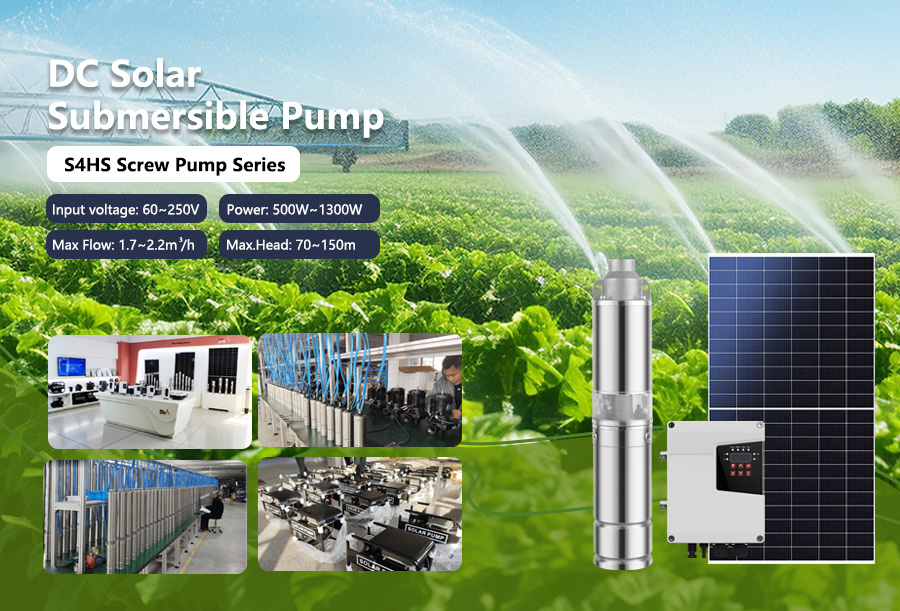
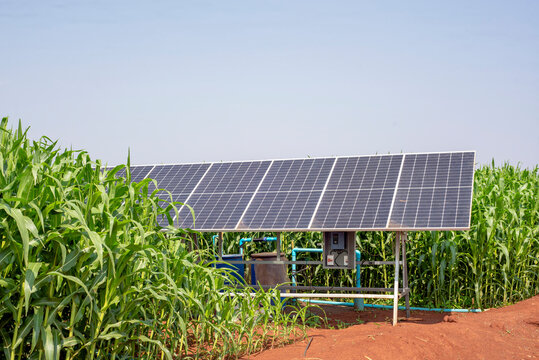
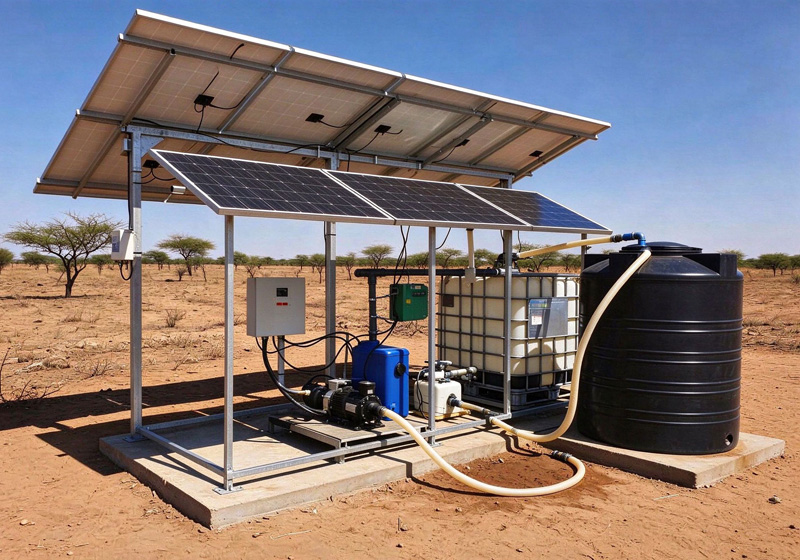
A solar irrigation pump is a water pumping system powered by solar panels. The panels convert sunlight into electricity, which drives the pump to draw water from wells, rivers, lakes, or storage tanks and deliver it to crops.
Depending on the application, farmers can choose from different types of pumps, including:
-
Solar surface pumps for rivers and reservoirs
-
Solar centrifugal pumps for large-scale irrigation
-
Portable solar pumps for small farms and gardens
These systems can operate independently without access to the power grid, making them especially valuable in rural and off-grid areas.
Lower Irrigation Costs and Higher Long-Term Savings
One of the biggest advantages of a solar irrigation pump system is its ability to reduce operating costs.
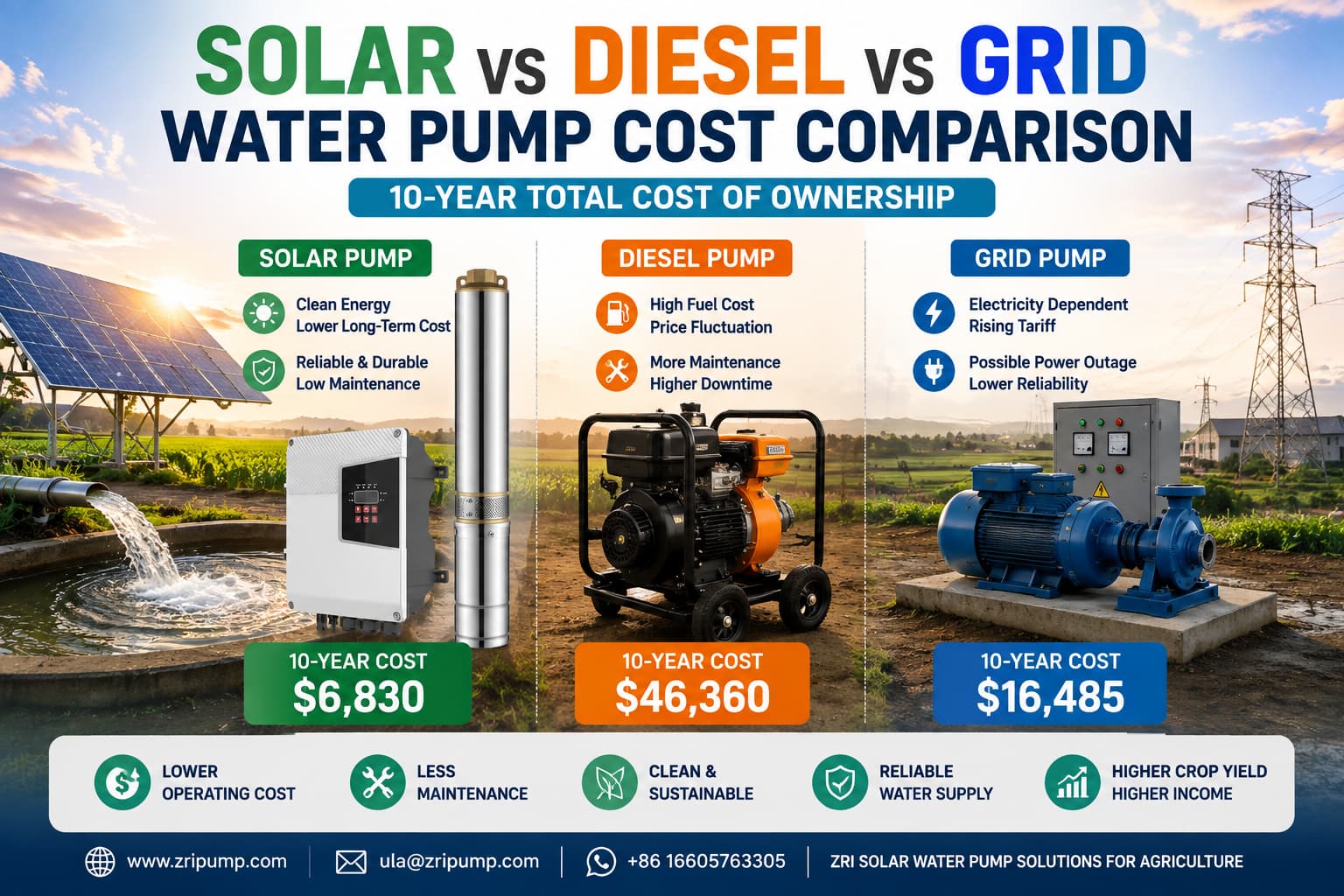
Traditional irrigation pumps depend on electricity or diesel fuel. In remote agricultural regions, extending power lines can be expensive, and monthly electricity bills can place a significant burden on farmers. Diesel pumps may have lower installation costs initially, but fuel prices and maintenance expenses continue to rise over time.
A solar-powered irrigation pump requires a larger upfront investment, but once installed, sunlight is completely free. With minimal maintenance requirements and a service life that often exceeds 10 to 15 years, the total cost of ownership is significantly lower in the long run.
For large farming operations, centralized solar pumping systems can irrigate extensive areas while reducing energy expenses year after year.
Suitable for Different Agricultural Applications
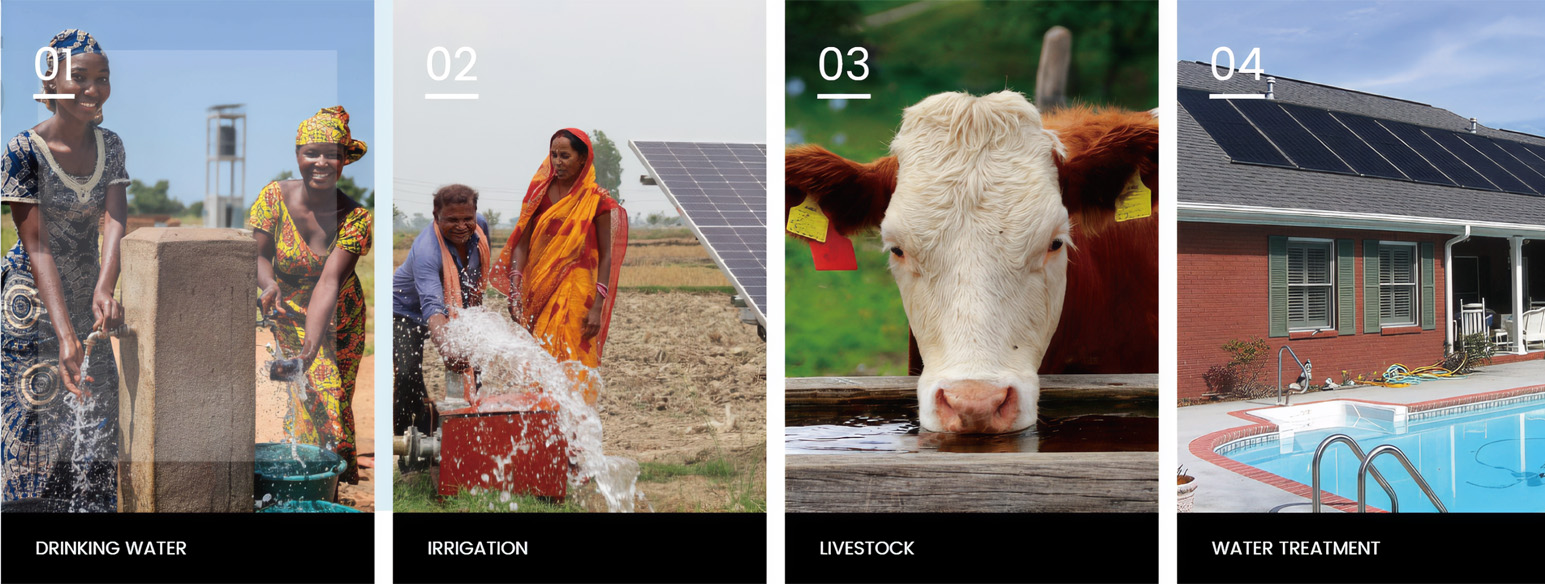
Another major benefit of agricultural solar pumps is their flexibility. They can be adapted to a wide range of farming environments and irrigation needs.
Small Farms and Greenhouses
For small vegetable farms, greenhouses, and family orchards, compact solar submersible pumps provide an affordable and easy-to-install solution. These systems are lightweight, portable, and require very little infrastructure.
Large-Scale Crop Production
For commercial farms and grain-growing regions, larger solar centrifugal pumps can be integrated with drip irrigation and sprinkler irrigation systems. This allows farmers to deliver water precisely where it is needed, improving water-use efficiency and supporting higher crop yields.
Desert and Saline Land Agriculture
In challenging environments such as desert regions and saline soils, specially designed solar water pumps with corrosion-resistant components can support land reclamation projects, vegetation restoration, and agricultural development where conventional infrastructure may not be available.
Environmentally Friendly and Sustainable
Sustainability has become a key focus in modern agriculture, and solar irrigation systems align perfectly with this goal.
Unlike diesel-powered pumps, solar pumps produce no harmful emissions during operation. They do not release exhaust gases, contaminate water sources, or contribute to soil pollution. By replacing fossil-fuel-powered irrigation equipment, farmers can significantly reduce their carbon footprint.
This environmental advantage is particularly important in ecologically sensitive regions, where maintaining a balance between agricultural production and ecosystem protection is essential.
In addition to crop irrigation, solar water pumps can also be used for ecological water replenishment projects, helping restore wetlands, support vegetation growth, and improve local environmental conditions.
Smart Technology Makes Irrigation Easier
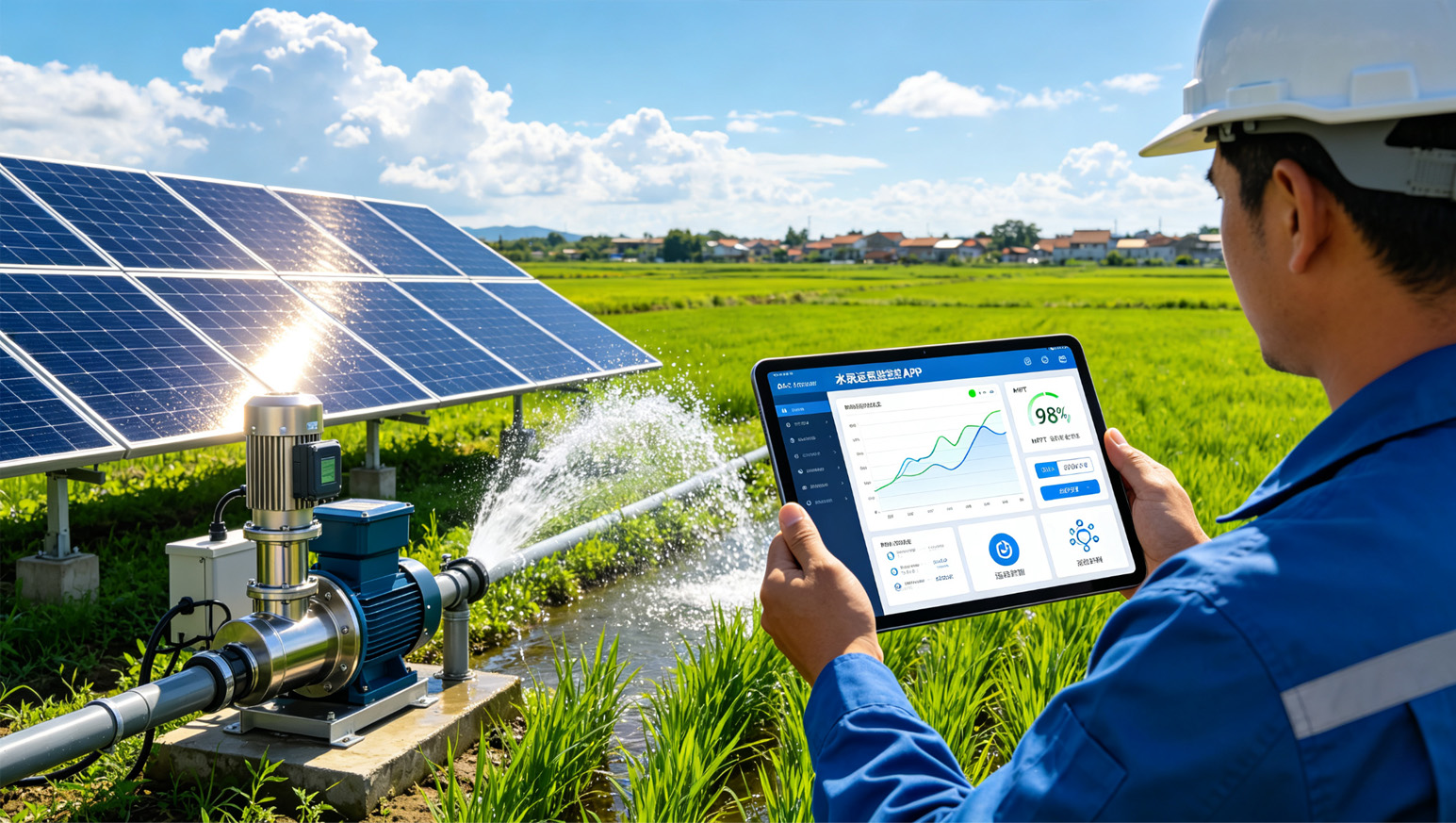
Today's solar irrigation systems are much more than simple pumping devices. Many modern solutions include intelligent monitoring and automation features.
Advanced systems can be equipped with:
-
Soil moisture sensors
-
Water level sensors
-
Smart controllers
-
Remote monitoring platforms
-
IoT-based management systems
These technologies allow the pump to automatically adjust operation based on soil conditions and crop water requirements. Instead of manually switching pumps on and off, farmers can automate irrigation schedules and reduce unnecessary water consumption.
Some systems even allow remote monitoring through smartphones or computers, enabling farmers to check pump performance and irrigation progress without visiting the field. This saves time, improves efficiency, and simplifies farm management.
Why Solar Irrigation Pumps Are the Future of Farming
The combination of lower operating costs, environmental benefits, flexible installation, and intelligent control makes solar irrigation pumps one of the most promising technologies in modern agriculture.
As solar panel prices continue to decrease and system efficiency improves, solar-powered irrigation is becoming accessible to farms of all sizes. Governments and agricultural organizations around the world are also encouraging the adoption of renewable energy solutions, further accelerating the growth of solar irrigation systems.
For farmers looking to reduce expenses, increase productivity, and build a more sustainable operation, investing in a solar water pump is no longer just an alternative—it is becoming a smart long-term strategy.
Conclusion
Solar irrigation pumps offer a practical and sustainable solution for modern agriculture. They help farmers lower energy costs, improve water management, reduce environmental impact, and achieve greater irrigation efficiency.
Whether used in small orchards, greenhouse operations, large crop farms, or remote agricultural regions, solar-powered pumping systems provide reliable access to water while supporting the transition toward greener and smarter farming practices.
As renewable energy technology continues to advance, solar irrigation pumps are expected to become a standard component of agricultural infrastructure worldwide.