
 DC SOLAR SUBMERSIBLE PUMP
 AC/DC Solar submersible Pump
 DC Solar Surface Pump
 AC/DC solar surface Pump
 Solar swimming Pool Pump
 Built-in Controller Solar Pump
 Solar Pump inverter
 Pump Accessories


 Mr Youkee Kong




Solar Pump Maintenance Guide: 7 Habits for 10+ Years
Solar Pump Care Guide: 7 Habits for 10+ Years of Service
A solar water pump is not a fit-and-forget machine.
From what we see in ZRI’s technical support and after-sales work, many field problems come from a few repeated causes: dry running, incorrect PV voltage, sand in the water, loose wiring, surge damage and poor controller ventilation.
Most of these problems are not difficult to prevent. A few regular checks can make a very big difference after five or ten years of operation.
1. Never Let the Solar Pump Run Dry
For a submersible solar pump, water is part of the cooling environment. Once the water level drops below the pump inlet, internal temperature can rise quickly and seals or bearings may suffer.
ZRI solar pump controllers include dry-run protection, but protection inside the controller is only one part of the system.
During installation, keep the pump safely below the expected dynamic water level and leave enough distance from the sediment at the bottom of the well. Where practical, add a float switch or borehole water-level sensor.
One mistake we sometimes see is repeatedly restarting a pump before the well has recovered. Avoid this. Dry-run protection should solve a problem, not become part of normal daily operation.
2. Inspect Electrical Connections Regularly
Loose MC4 connectors, oxidized terminals and damaged cable glands can create voltage drop, heat and unstable operation. Sometimes the pump looks faulty when the real problem is only a poor electrical connection.
Every season, safely isolate the system according to the installation manual, then check the MC4 connectors, controller terminals, cable entry points and grounding.
Any connector showing burns, moisture or obvious corrosion should be replaced rather than reused.
For solar pumping systems in coastal, tropical or very humid regions, these inspections become even more important.
3. Keep Solar Panels Clean and the Controller Cool
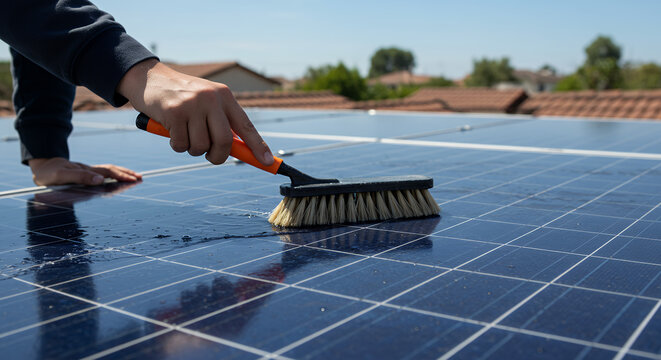
The solar array is the power source of the whole pumping system. Dust, leaves and bird droppings reduce the energy available to the pump, especially during dry seasons.
Clean the modules with water and a soft cleaning tool, preferably when the panels are cool. Avoid abrasive materials that may damage the glass surface.
The controller needs attention too.
Do not put a solar pump controller inside a sealed metal box under direct sunlight. Leave enough space for ventilation and, in hot climates, install it under suitable shade while maintaining the required protection from rain and moisture.
4. Watch Sand, Silt and Groundwater Level
Quite a few “pump problems” actually begin in the borehole.
A newly drilled well should normally be flushed until the discharged water is reasonably clear before permanent solar pump installation. If sand suddenly increases after the system has been running normally, check the borehole condition, well screen and pump installation depth first.
Simply changing an impeller will not solve a continuing sand problem.
We also recommend recording static and dynamic water levels at different times of the year. Groundwater conditions change. A pump position that worked well during the rainy season may become unsuitable several months later.
5. Protect the System Against Surges
Solar arrays installed in open fields can be exposed to electrical surges during thunderstorms.
A correctly selected DC surge protective device, proper grounding and good cable routing can reduce this risk. In areas with frequent lightning, external surge protection should be considered part of the system design, not an optional accessory.
Controller protection functions are useful, but no electronic controller should be expected to handle every severe surge by itself.
6. Follow a Simple Maintenance Schedule
| Frequency | Recommended Check |
|---|---|
| Weekly | Water delivery and unusual pump noise |
| Monthly | Solar panels, pipe leakage and controller alarms |
| Quarterly | Terminals, cables and grounding |
| Every 6 months | Motor cable insulation check by qualified personnel |
| Annually | Flow rate, valves, PV output and controller fault history |
One number is especially worth recording: the initial flow rate under good sunlight.
If water output later drops noticeably while the panels are clean and the groundwater level remains normal, investigate early. Waiting until the pump completely stops usually makes troubleshooting more expensive.
7. Keep Records and Basic Spare Parts
For every solar pumping project, keep the pump model, serial number, operating voltage/current, initial flow rate and basic well information.
A photo of the pump nameplate and controller settings is also useful. It sounds simple, but on remote projects this can save a lot of time.
For distributors and larger projects, we normally suggest keeping several basic spare items such as the correct fuses, MC4 connectors, cable glands and model-specific wear parts.
If a fault occurs, send your supplier the pump model, serial number, controller fault code and a short description of what happened before the fault appeared.
ZRI’s export after-sales team targets responses to service requests within 48 hours. The more complete the information we receive, the faster our engineers can narrow down the cause.
A Final Note From Our Technical Team
A solar water pump can work for many years, but service life is not decided by the pump alone.
Correct pump selection, PV sizing, installation depth, water quality, controller setup and routine maintenance all matter.
In practice, a few minutes spent checking the system regularly is usually much cheaper than pulling a failed pump from a deep borehole later.
For ZRI distributors, wholesalers and project partners, our technical team can also assist with solar panel sizing, pump selection, installation depth, controller matching and spare-parts planning before shipment.
Good maintenance starts before the pump goes into the well.