
 DC SOLAR SUBMERSIBLE PUMP
 AC/DC Solar submersible Pump
 DC Solar Surface Pump
 AC/DC solar surface Pump
 Solar swimming Pool Pump
 Built-in Controller Solar Pump
 Solar Pump inverter
 Pump Accessories


 Mr Youkee Kong
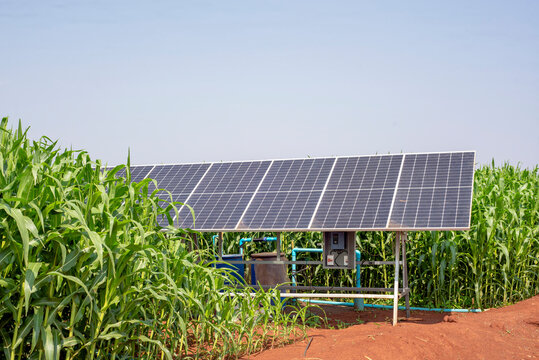
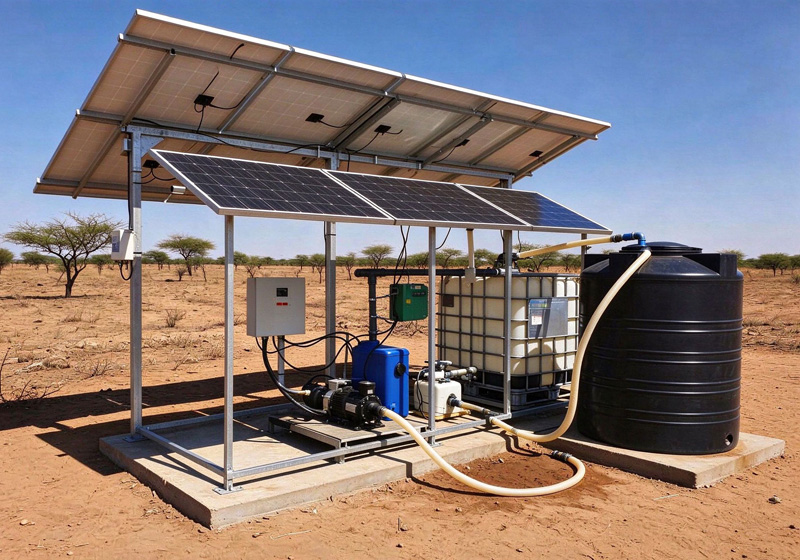

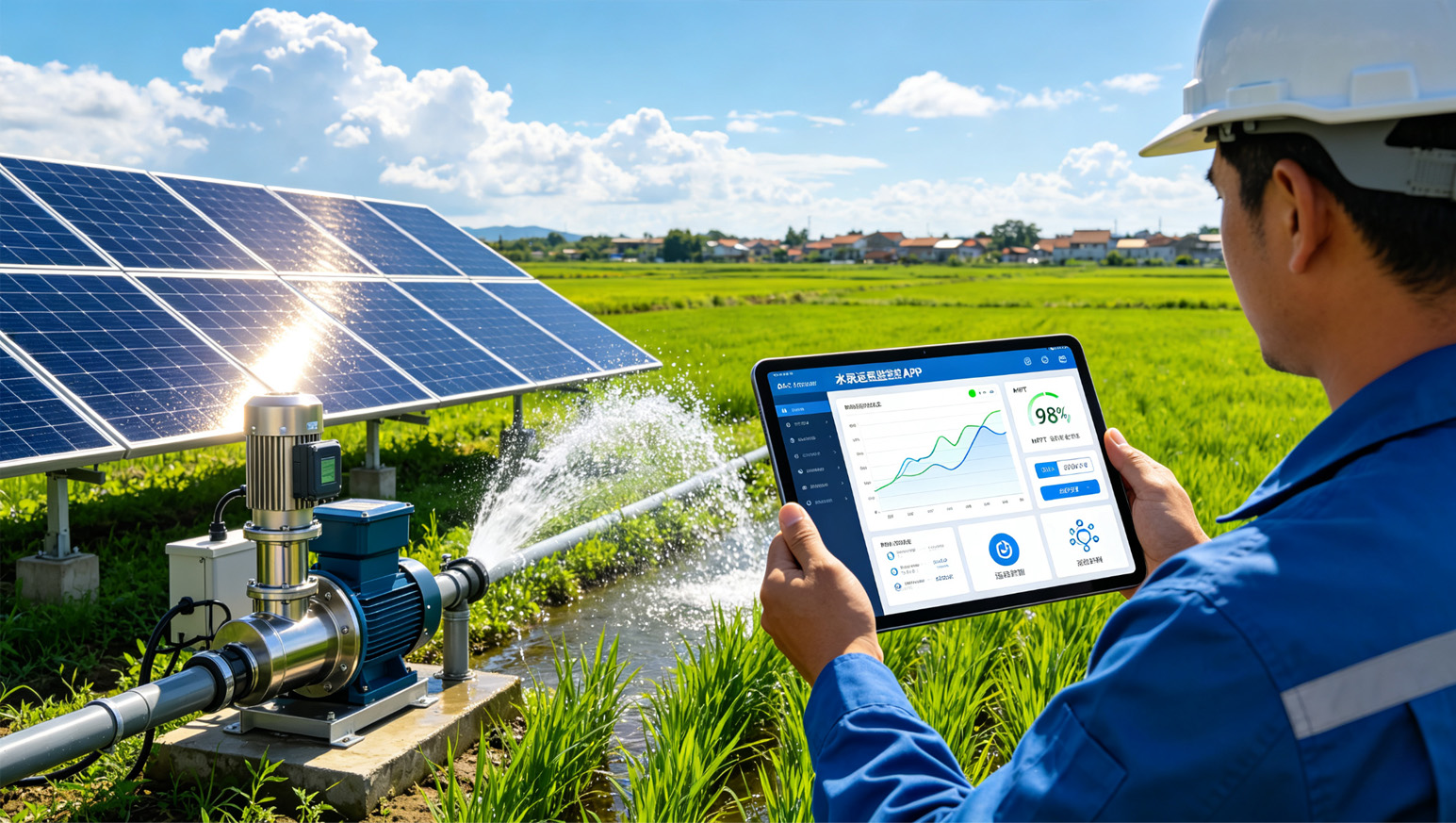
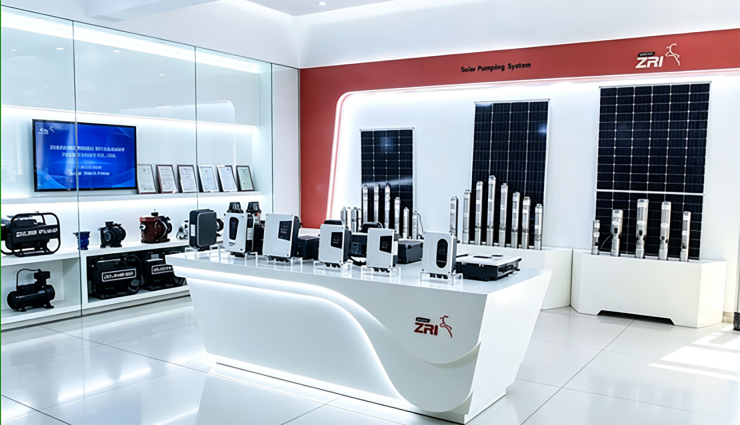
Solar vs Diesel Water Pump: 10-Year Cost Comparison
Solar vs Diesel vs Grid Water Pumps: 10-Year Cost Comparison
When choosing a water pump for agricultural irrigation, the cheapest system to buy is not always the cheapest one to operate.
A diesel pump may cost much less at the beginning, while a complete solar water pump system requires panels, controller and other components. But for a farm operating every day, fuel, electricity, maintenance and downtime gradually become a much bigger part of the real cost.
This is why we prefer to look at Total Cost of Ownership (TCO) rather than purchase price alone.
A Typical Irrigation Example
For a simple comparison, we use the same agricultural requirement for all three systems:
| Parameter | Project Condition |
|---|---|
| Application | 5-hectare irrigation |
| Daily Water Demand | 50 m³/day |
| Total Head | 40 m |
| Required Flow | 12.5 m³/h |
| Project Period | 10 years |
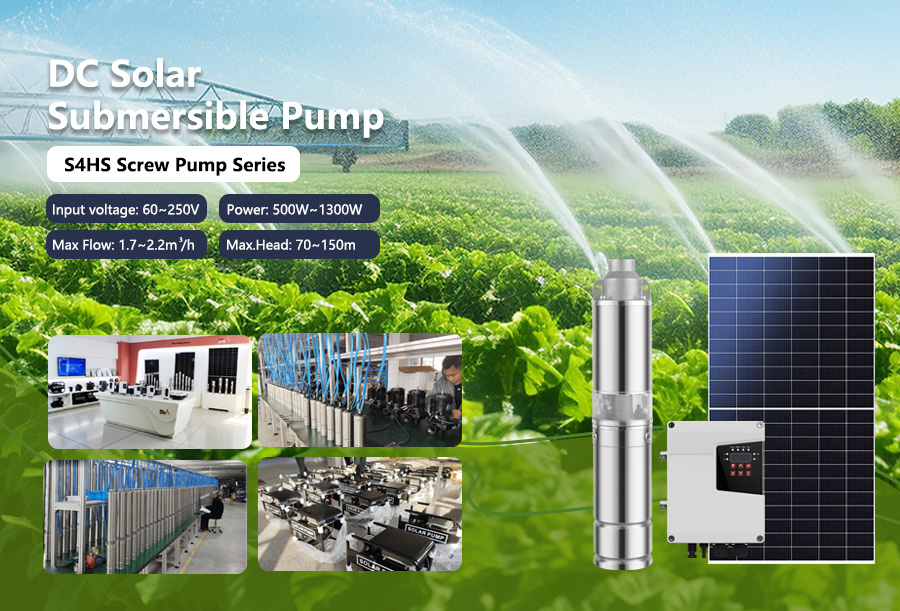
The original calculation uses a ZRI 4-inch AC/DC hybrid solar submersible pump with an MPPT controller and 2,700W PV array. Its estimated initial system cost is $4,380, compared with about $1,900 for diesel and $1,600 for grid pumping.
At first glance, solar is clearly the expensive option.
But that is only day one.
What Happens After 10 Years?
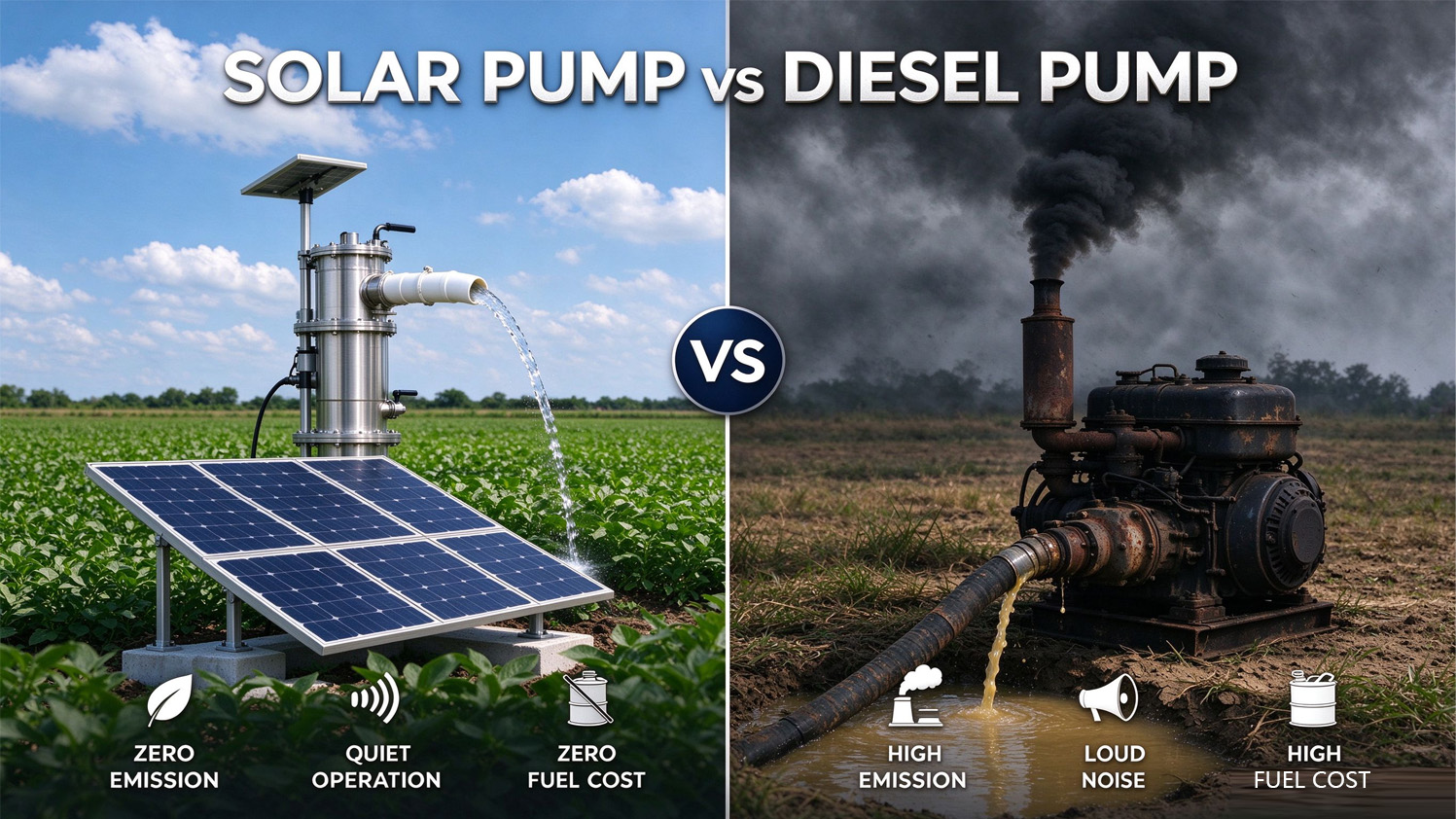
The biggest difference is energy cost. Solar energy itself has no fuel bill, while diesel requires continuous refueling and grid pumps depend on local electricity tariffs.
Based on the assumptions used in this example, the estimated 10-year TCO looks like this:
| Cost | Solar | Diesel | Grid |
|---|---|---|---|
| Upfront | $4,380 | $1,900 | $1,600 |
| Energy | $0 | $28,960 | $7,910 |
| Maintenance | $1,450 | $6,200 | $2,300 |
| Estimated TCO | $6,830 | $46,360 | $16,485 |
The complete original calculation also includes estimated downtime and environmental costs, so these numbers should be treated as a project example rather than a universal quotation. Actual results will change with diesel prices, electricity tariffs, pump operating hours and local solar conditions.
When Does a Solar Water Pump Make More Sense?
Solar pumping is especially worth considering for remote farms, unstable-grid areas and irrigation projects with frequent daily operation.
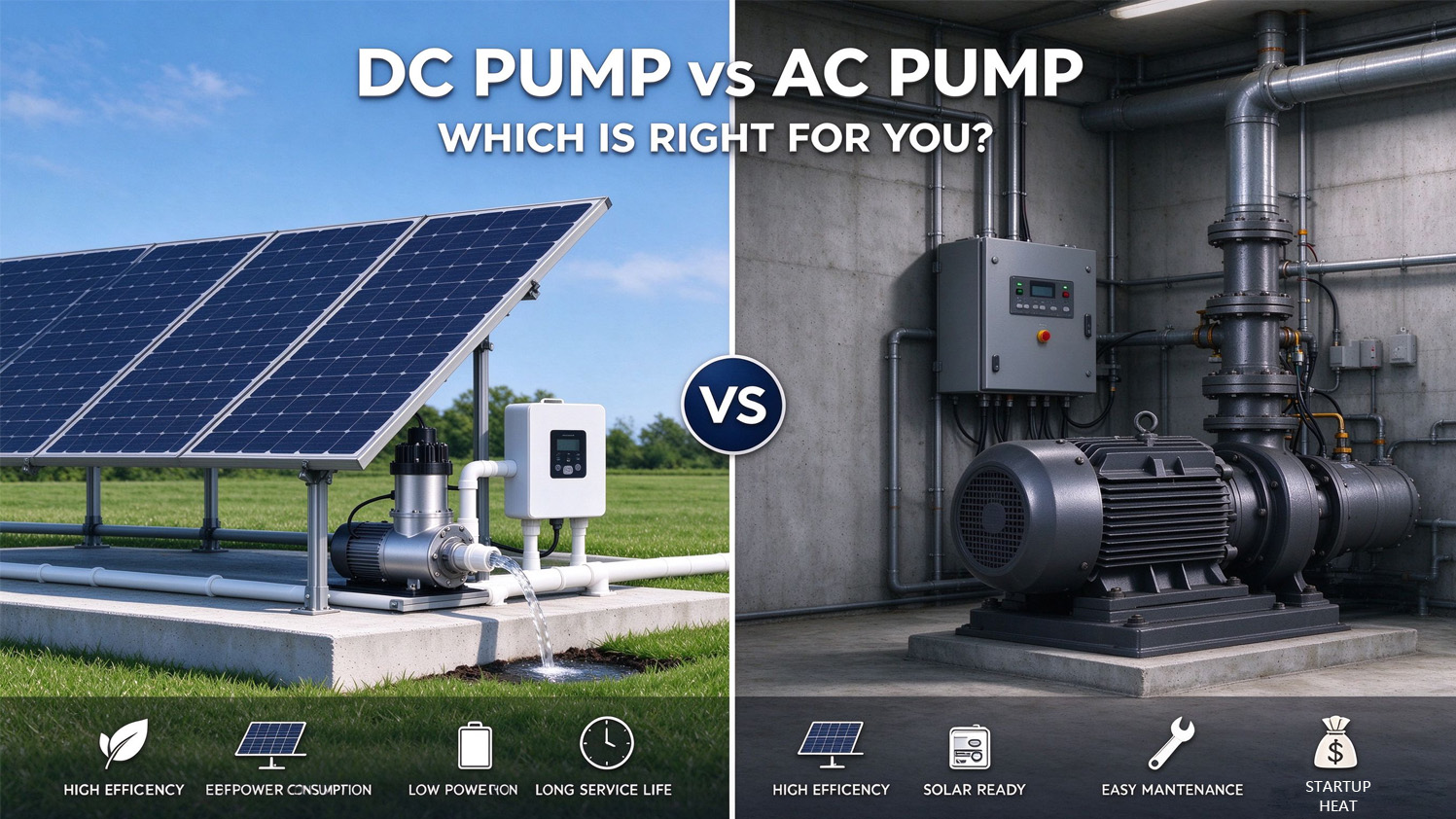
For completely off-grid farms, a DC solar pump can avoid continuous fuel transportation. Where electricity is available but unreliable, an AC/DC hybrid solar water pump offers another option: solar power can be used during sunny hours, with AC power available when needed.
Water storage is useful too. Instead of installing a large battery bank, the pump can fill a tank during the day and the stored water can be used later. In the original system design, a 100 m³ tank provides roughly two days of water buffer.
Solar, Diesel or Grid?
There isn't one answer for every project.
A stable grid with low electricity prices may still make an AC pump practical. Diesel can work for temporary or emergency pumping. But for long-term irrigation in sunny, remote areas, solar often becomes more attractive once operating costs are considered.
For ZRI, pump selection starts with the actual application — daily water demand, flow rate, total head, well depth and available power source — rather than simply recommending a bigger motor.
If you are comparing solar, diesel or grid pumping for your project, send us these basic parameters. We can help calculate a suitable pump and PV configuration.