
 DC SOLAR SUBMERSIBLE PUMP
 AC/DC Solar submersible Pump
 DC Solar Surface Pump
 AC/DC solar surface Pump
 Solar swimming Pool Pump
 Built-in Controller Solar Pump
 Solar Pump inverter
 Pump Accessories


 Mr Youkee Kong

Solar Water Pumps in Africa: Transforming Agriculture | ZRI
How Solar Water Pumps Are Transforming African Agriculture
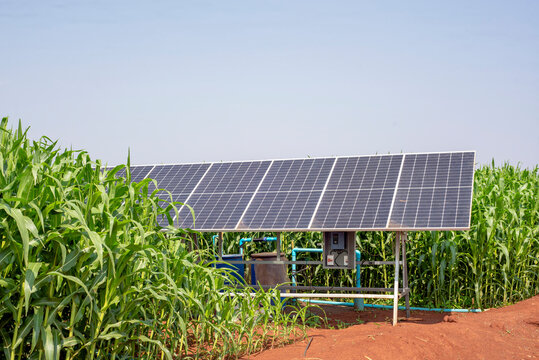
Across Africa, many farms still depend on rainfall, diesel pumps or unstable grid power. For remote agricultural areas, water is often available, but the energy needed to pump it is expensive or unreliable. This is why solar water pumps are becoming an increasingly practical choice for African agriculture.
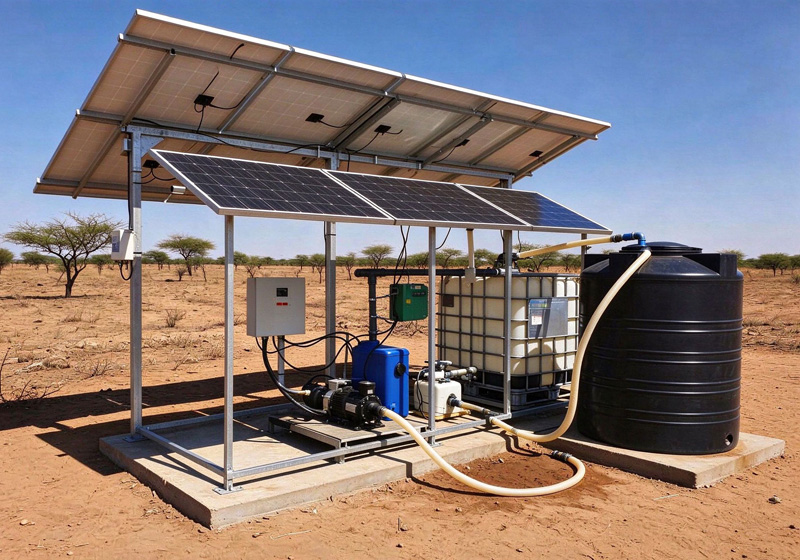
With strong sunshine in many regions, solar pumping can reduce fuel dependence, lower daily operating costs and make irrigation more stable.
Why Solar Pumps Fit African Agriculture
| Challenge | Solar Pump Advantage |
|---|---|
| High diesel cost | No daily fuel cost |
| Unstable electricity | DC or AC/DC hybrid operation |
| Remote farmland | Independent off-grid pumping |
| Deep groundwater | High-head submersible pumps |
| Large irrigation demand | Different flow and power options |
Countries such as Mauritania, Senegal, Nigeria, Kenya and Mozambique all have different water conditions, but the basic requirement is similar: reliable water supply at a manageable long-term cost.
Real Solar Pump Applications in Africa
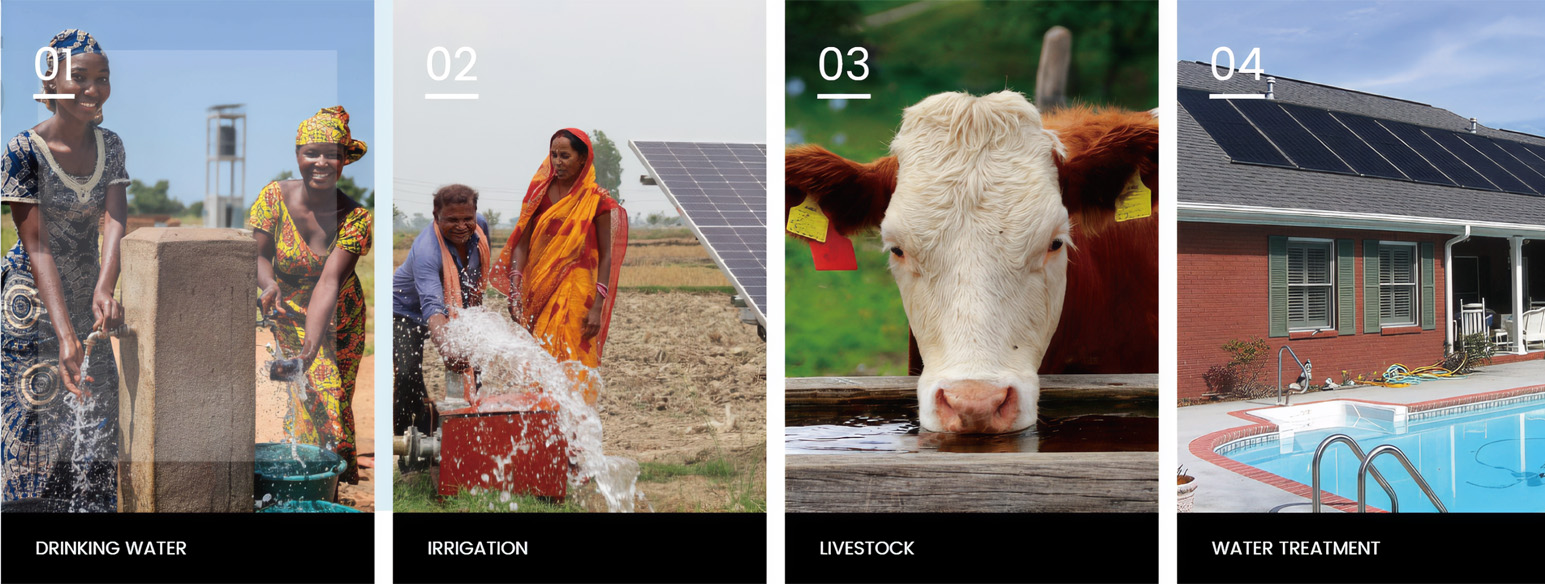
ZRI has supplied solar water pumps to several African markets for agricultural irrigation, livestock watering and rural water supply.
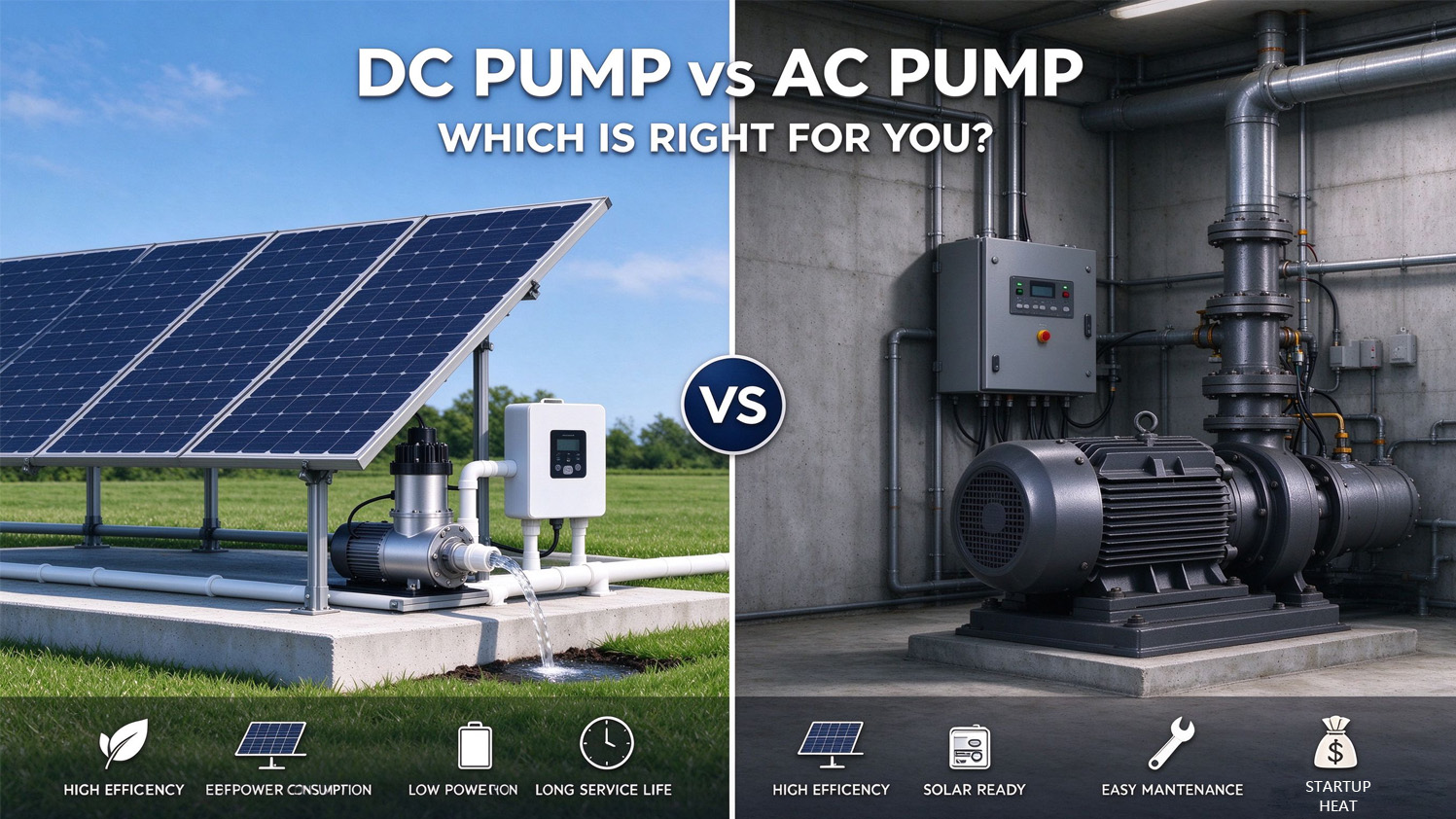
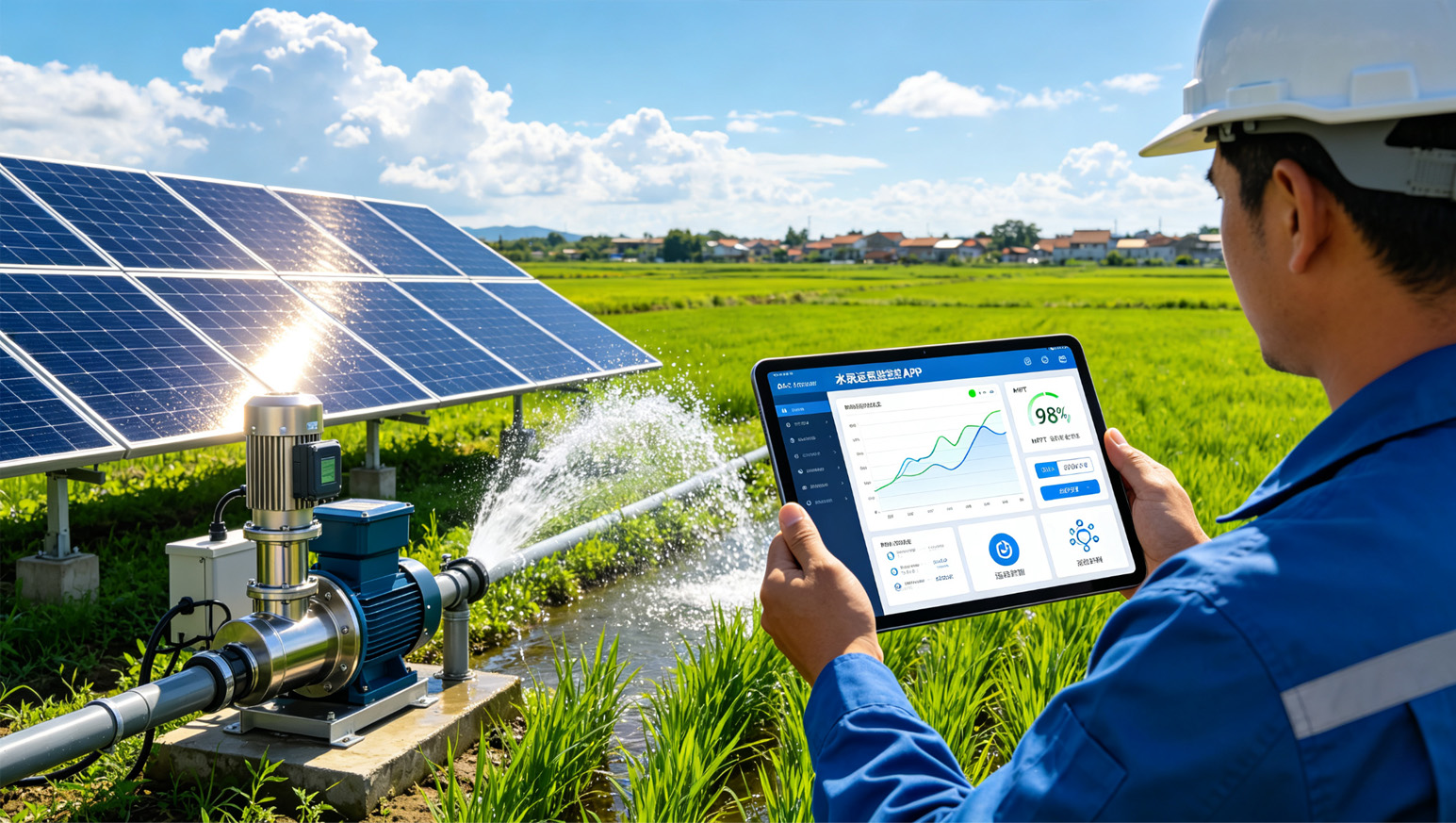
In one irrigation project in Nigeria, the customer faced unstable grid power and sandy surface water. ZRI recommended an AC/DC hybrid solar surface pump with stainless steel impeller, allowing the system to use solar energy during the day while keeping AC power as backup.
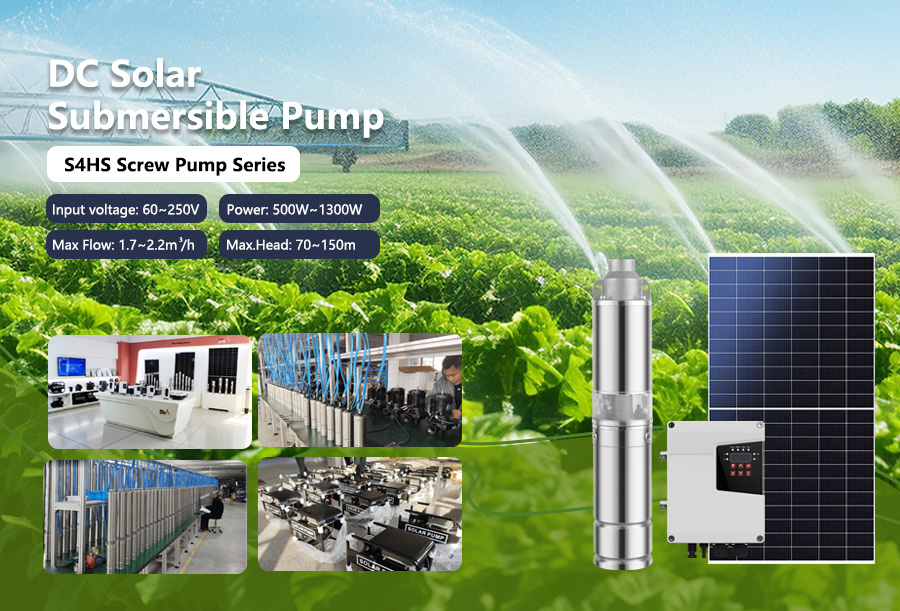
For deep-well irrigation in Kenya, a 4-inch AC/DC solar submersible pump was selected for a borehole with a dynamic water level of around 50 m. The system delivered approximately 6.9 m³/h at 60 m head, supported by an 8 × 450 W solar array.
These projects show an important point: pump selection should not depend only on motor power.
Choosing Solar Pumps for Different African Markets
Mauritania often requires high-head pumps for deep wells and remote livestock watering. ZRI S3SS and S4PC series can be considered for these applications.
Senegal has strong demand for small-farm and vegetable irrigation. Solar pumps combined with drip irrigation can help improve water efficiency.
Mozambique also has good potential for solar irrigation, especially for smallholder farms using boreholes, rivers or ponds.
Before choosing a model, buyers should confirm:
-
Water source
-
Well depth
-
Dynamic water level
-
Required flow
-
Total head
-
Daily water demand
-
Irrigation method
This information helps determine the correct solar pump, controller and PV panel configuration.
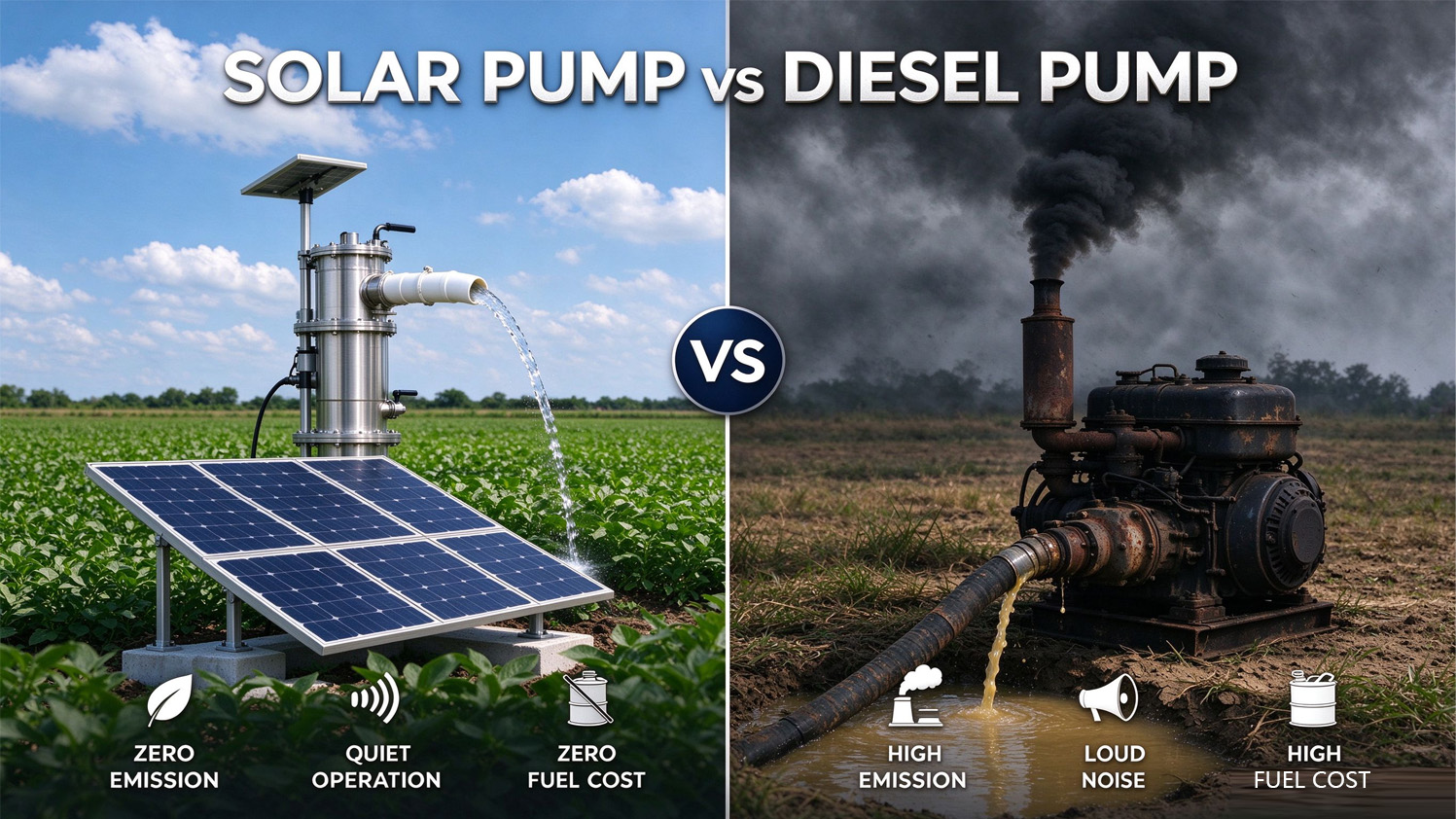
Solar Pump vs. Diesel Pump
A solar pumping system usually costs more at the beginning, but the long-term operating cost can be much lower.
| Item | Diesel Pump | Solar Pump |
|---|---|---|
| Initial Cost | Lower | Higher |
| Fuel Cost | Continuous | Almost zero |
| Maintenance | Higher | Lower |
| Remote Use | Less convenient | Very suitable |
For farms operating irrigation pumps frequently, fuel savings can make solar pumping economically attractive over several years.
Conclusion
Solar water pumps are becoming an important part of agricultural development in Africa. From deep-well irrigation in Mauritania and Kenya to vegetable farming in Senegal and Mozambique, the technology can reduce dependence on diesel and unreliable electricity.
For African distributors, agricultural contractors and project buyers, the key is not simply choosing the cheapest pump. A reliable system should match the water source, required flow, total head and local solar conditions.
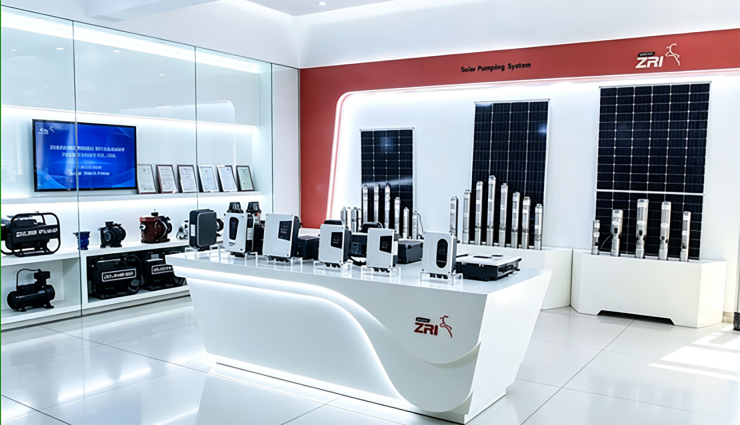
ZRI provides solar submersible pumps, solar surface pumps and AC/DC hybrid systems for different agricultural applications.
For pump selection, send us your well depth, required flow, total head and daily water demand.
Website: www.zripump.com
Email: ula@zripump.com
WhatsApp: +86 16605763305