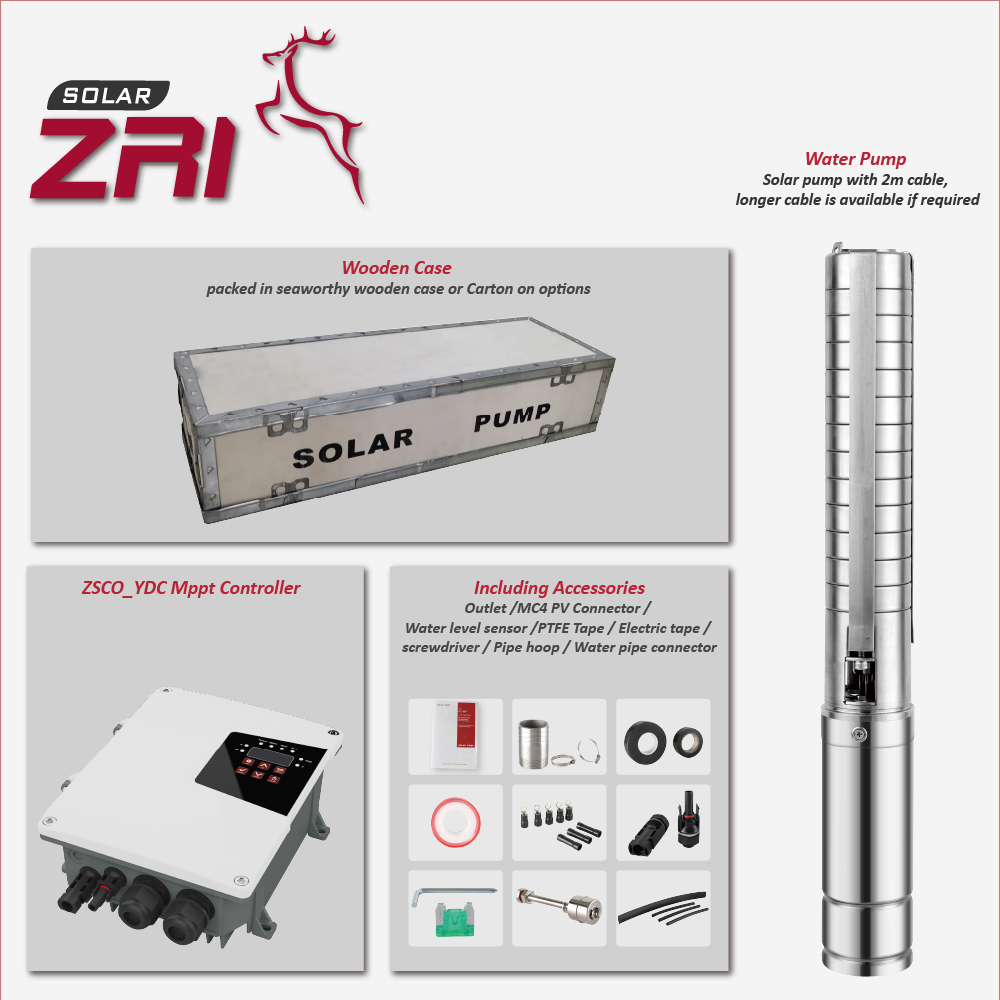
DC SOLAR SUBMERSIBLE PUMP
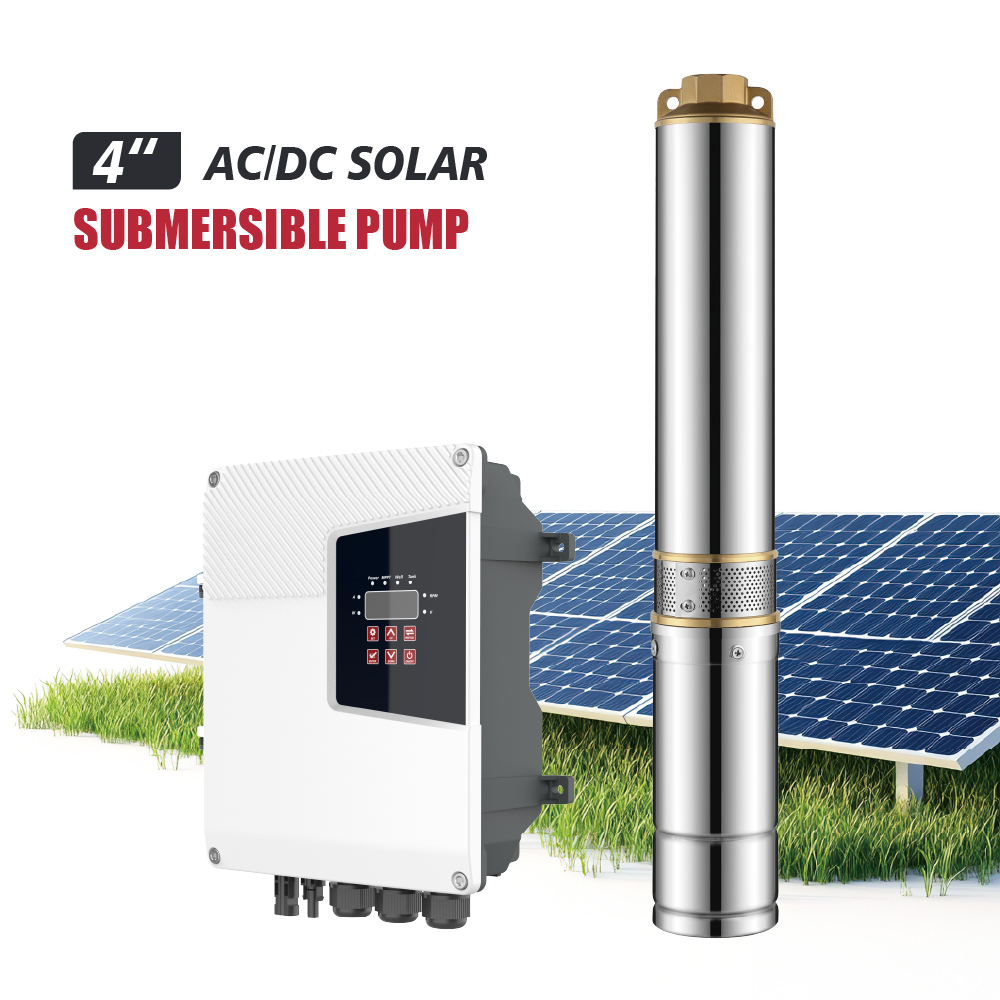
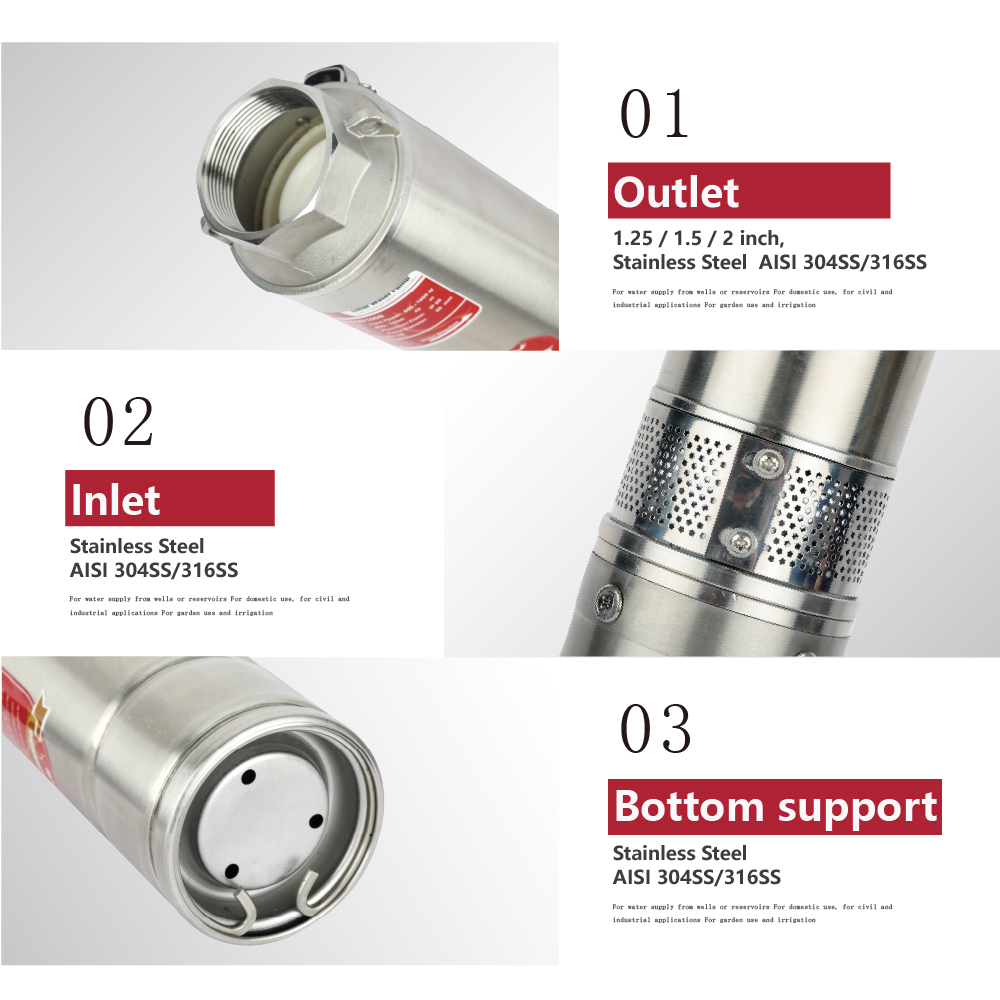
 AC/DC Solar submersible Pump
 DC Solar Surface Pump
 AC/DC solar surface Pump
 Solar swimming Pool Pump
 Built-in Controller Solar Pump
 Solar Pump inverter
 Pump Accessories


 Mr Youkee Kong
Beyond Irrigation: Specifying Solar and Battery Pumps for Livestock Watering, Ponds and Landscape Water Features
The Dealer Who Only Sold Into Farming
A solar pump dealer in a drought-prone region built his whole business on irrigation and then watched his season collapse when a wet year arrived and the growers postponed every purchase. His fixed costs did not move. The problem was not the market. The problem was that his entire product range depended on one application whose buying cycle is governed by the weather. The dealers who stayed flat that year were the ones who also sold into livestock watering, garden and landscape features, and small community supply.
Non-irrigation applications are not a side market. They are a different set of specifications with different failure modes, and they smooth a seasonal business. Treat them as a second product line with its own sizing rules, because the sizing logic that works for a borehole feeding a drip line does not transfer directly.
Livestock Watering: Flow Pattern Beats Peak Flow
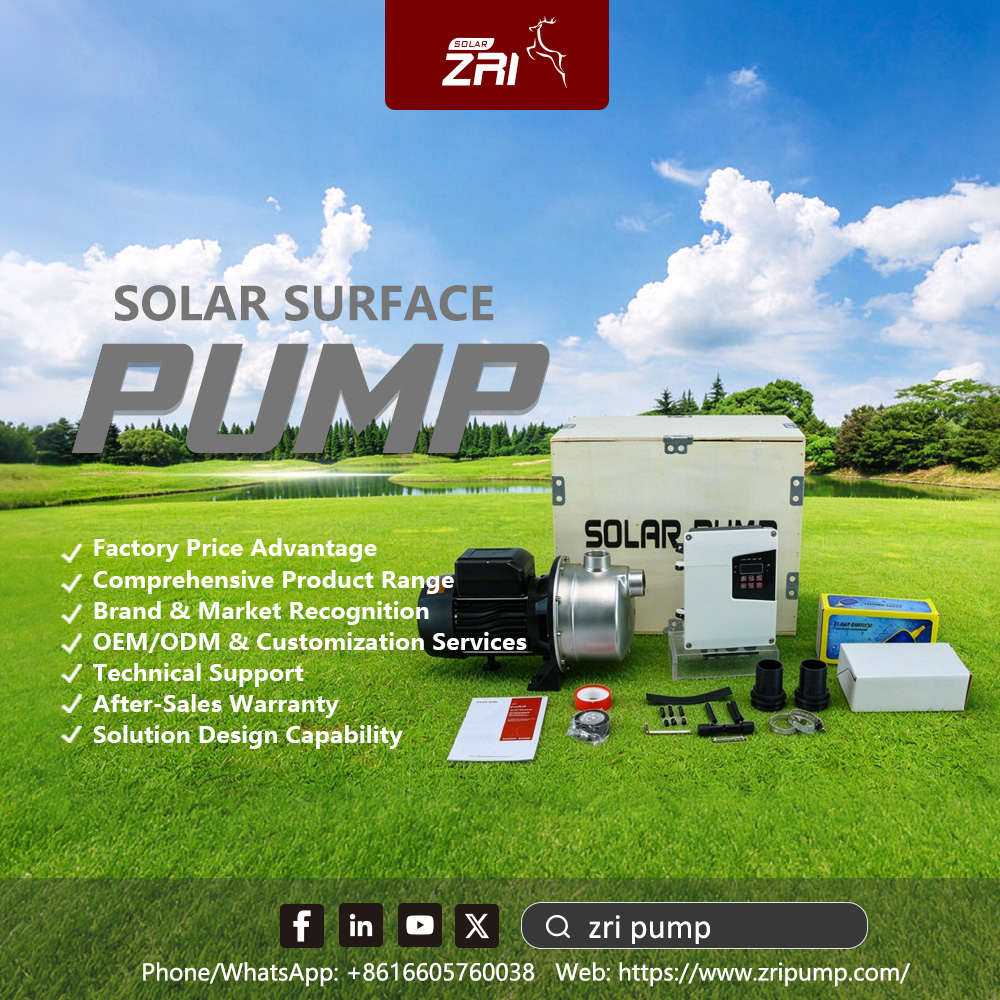
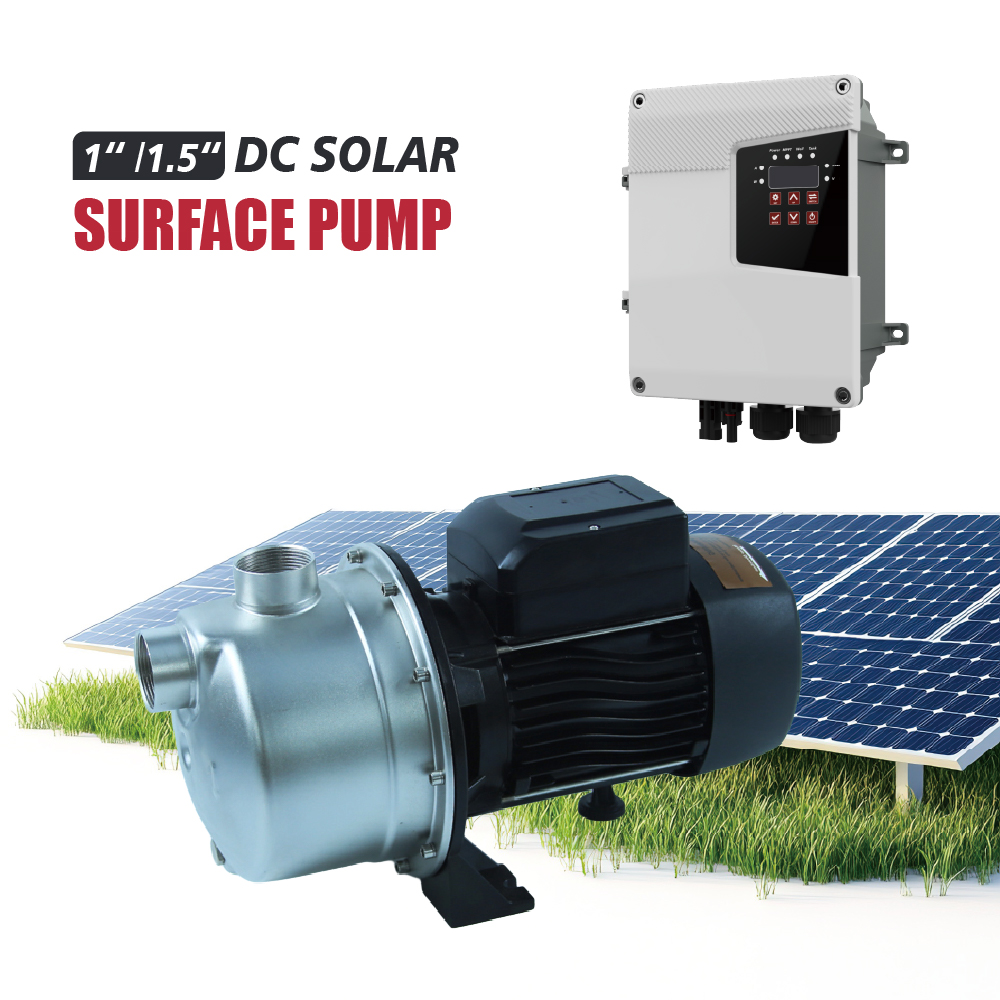
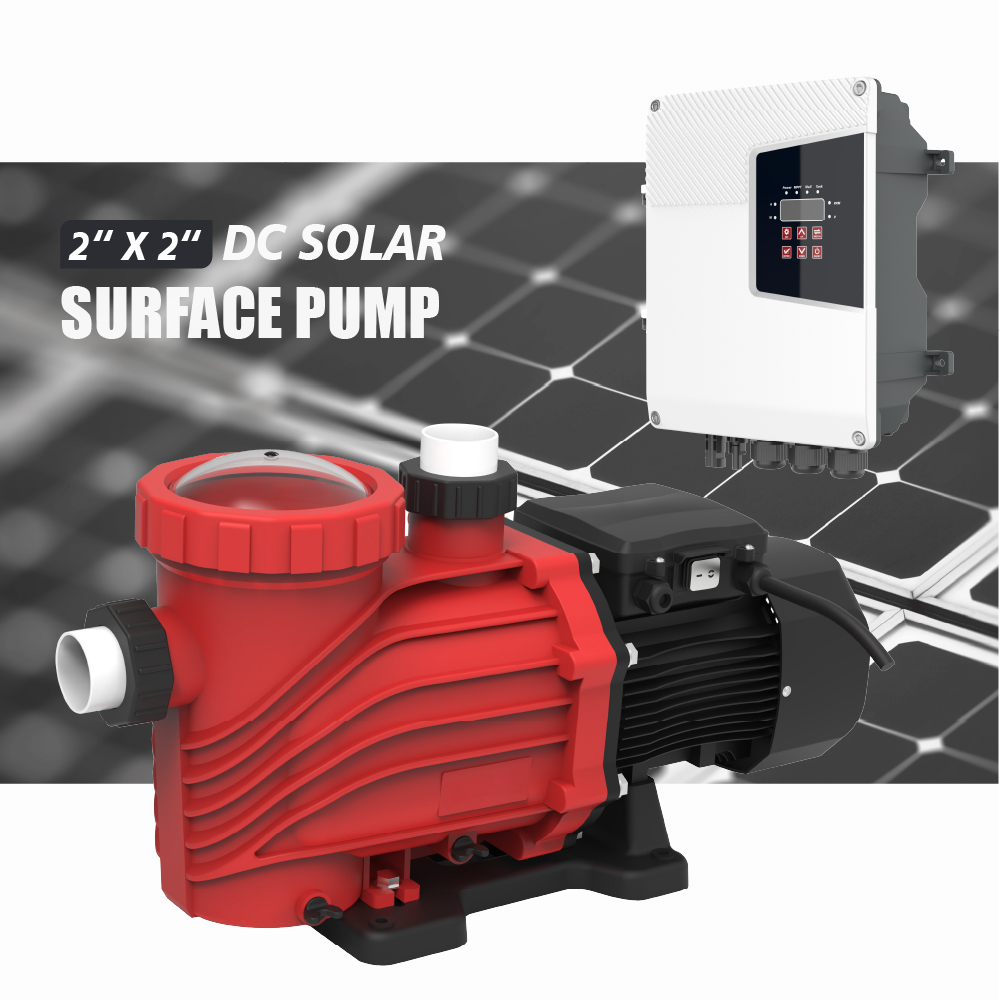
An irrigation system wants a steady flow for hours. A stock trough wants a burst, then nothing, then another burst. The pump for a trough has to start and stop repeatedly and deliver enough volume in a short window to refill before the herd comes back, which is a completely different duty from continuous irrigation. Size livestock systems on refill time rather than on daily volume: how many litres, in how many minutes, and how many times a day. Starting current and controller behaviour matter more here, because a system that cycles twenty times a day stresses components in ways a continuous run does not. A surface-mounted unit such as the DC conventional surface solar water pump suits open sources and trough fills where the lift is modest and the source is a dam or a storage tank.

Battery Operation and the Evening Fill
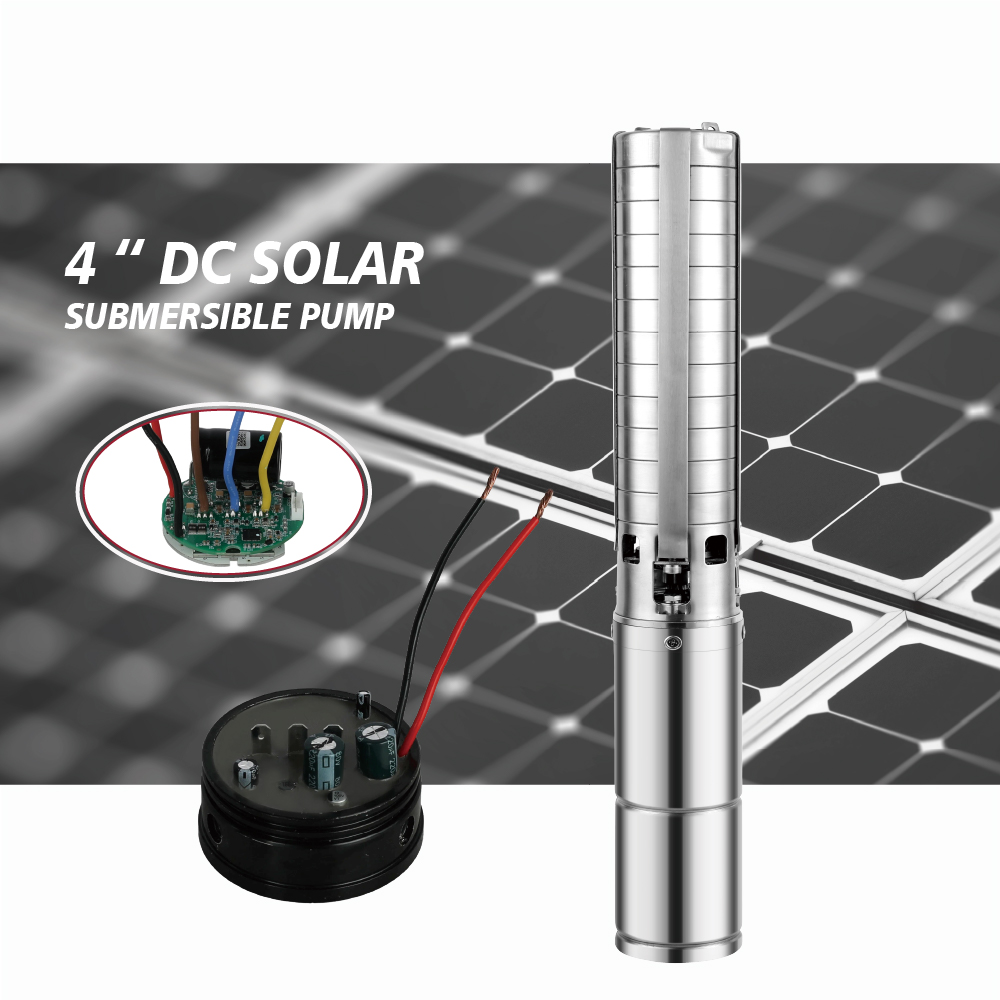
The question that decides most off-grid livestock sales is simple: does the water have to arrive when the sun is not shining. A pure solar system that only pumps at midday leaves a herd waiting, and a dealer who does not ask that question before quoting will field the complaint all summer. Battery-backed systems answer it, but they change the specification substantially: battery capacity, charge controller, depth of discharge and the replacement cycle all become part of the sale. A unit designed around stored energy, such as the battery operated submersible water pump, should be quoted with the battery bank and the expected cycles per day, never as a standalone pump.
Ponds and Water Features: Continuous Low-Head Duty
Landscape and pond work is the opposite of borehole work. The head is low, the flow is continuous, and the run time is long. A pump that would be massively oversized for a deep borehole is correct here, and the specification that matters is hours of continuous operation rather than maximum head. This is the application where dealers most often over-specify: they sell a high-head pump into a two-metre feature, the pump runs at the far end of its curve, and the customer pays for capability he will never use. Ask for the head in metres and the desired turnover, then match the curve rather than the maximum figure. A product built for circulation duty, such as the submersible fountain pump, belongs in a completely different column of your quotation than a borehole unit.
Debris, Intake Screening and the Feature That Stops
Ponds, dams and open water contain things that boreholes do not: leaves, algae, sediment, fish and occasionally a child's toy. Almost every failed landscape installation a dealer gets called back to is an intake problem, not a pump problem, and the fix is a screen that was never specified. Specify the intake screen as a line item with a cleaning interval. If the screen has to be cleaned weekly, say so at the point of sale, because a feature that needs weekly maintenance will be abandoned rather than maintained. Small decorative applications, where a unit like the battery operated water fountain pump is typical, need a screen sized so that cleaning is a monthly task rather than a weekly one.
Where High Head Still Matters
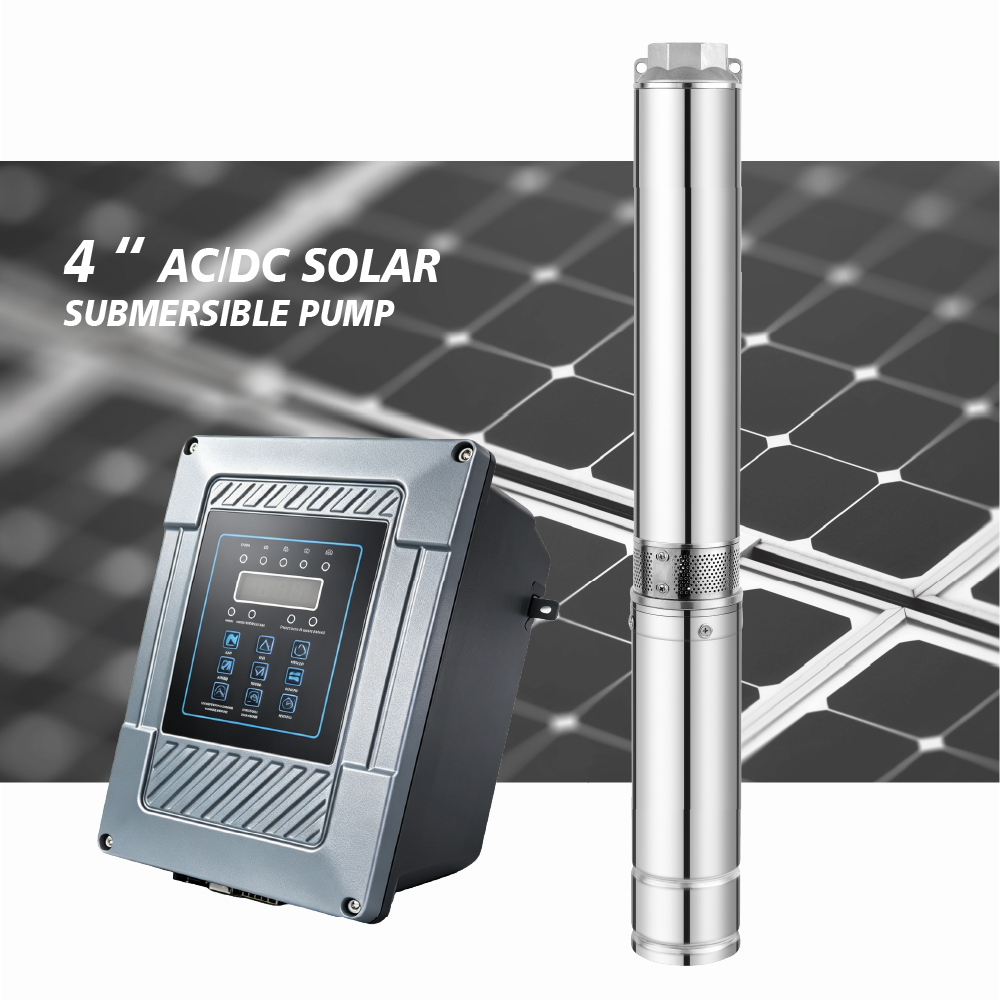
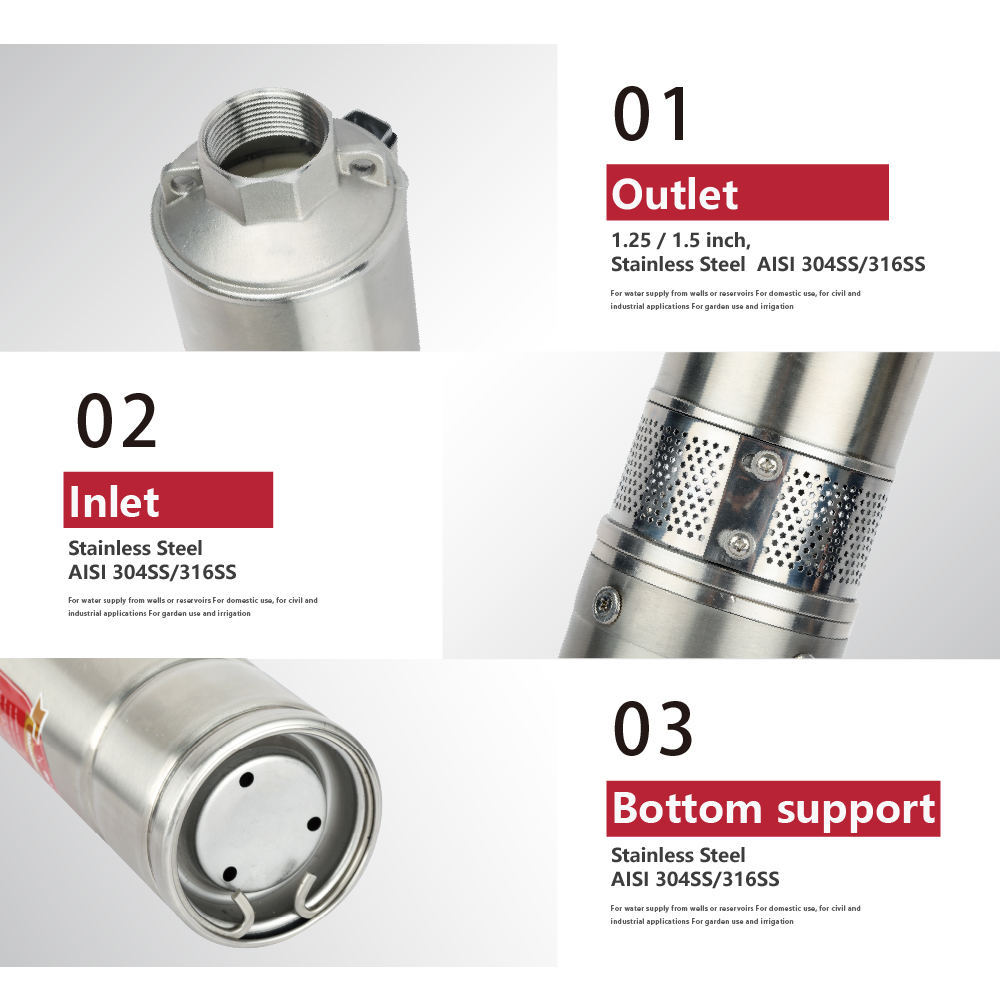
Some non-irrigation jobs are genuinely demanding: a deep borehole feeding a remote homestead, a community supply point on a hillside, or a pressure requirement for a washing facility. These jobs keep the high-head part of your range alive, and they should be quoted with the same rigour as an irrigation project: total dynamic head, daily demand, array size and cable run. The mistake is to assume that because the application is not farming, the engineering can be lighter. A livestock or community supply failure is worse than a crop failure, because people and animals need water every day regardless of season. For those duties a high-head unit such as the high pressure submersible water pump should be sized with the full head calculation, including friction losses, before anything is ordered.
Dealer Margin: Accessories Carry the Non-Irrigation Sale
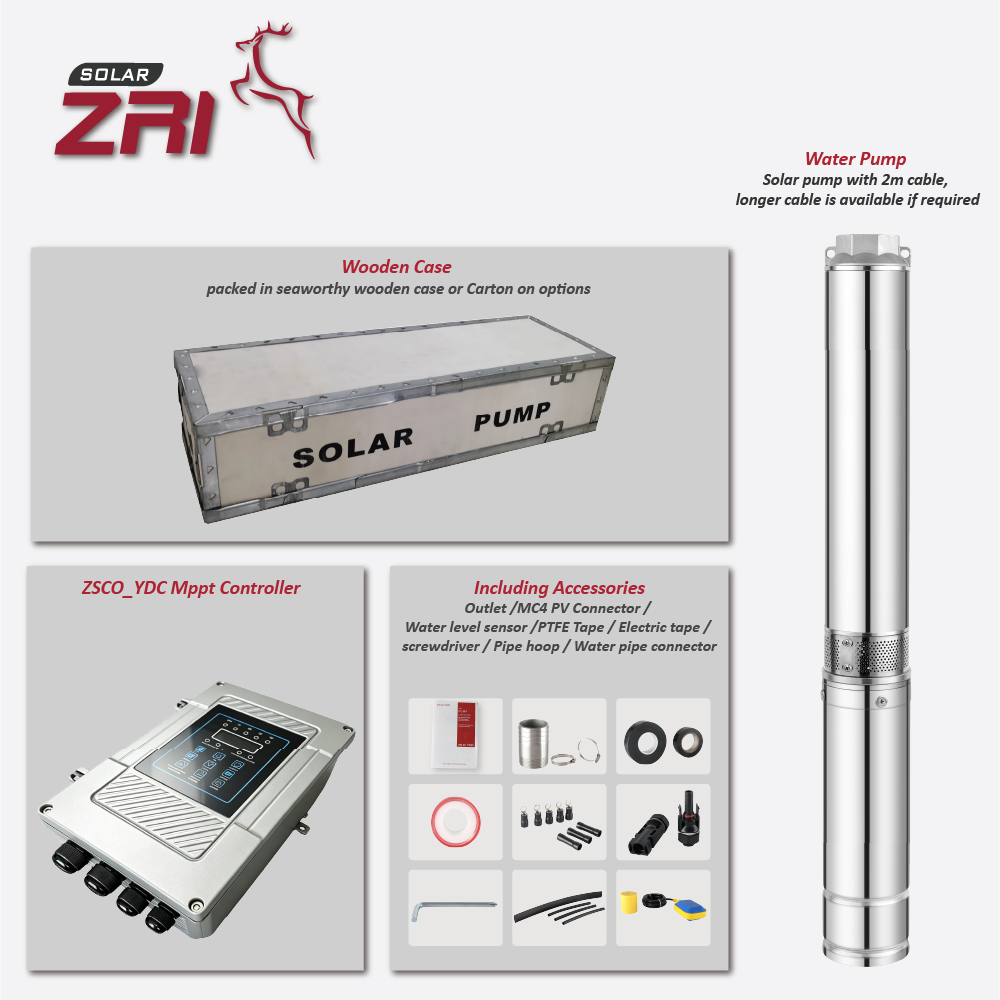
Non-irrigation jobs are smaller per pump and larger per accessory. Troughs, float valves, screens, hose, fittings, battery banks and controllers frequently add up to more than the pump itself. Quote the system, not the pump. Dealers who quote a bare pump lose the accessory margin to a general hardware supplier and then wonder why the category feels unprofitable. Build a standard kit for each application: a livestock kit, a pond kit and a homestead kit, each with a parts list and a single price. That structure is also what makes the line trainable for a new salesperson.