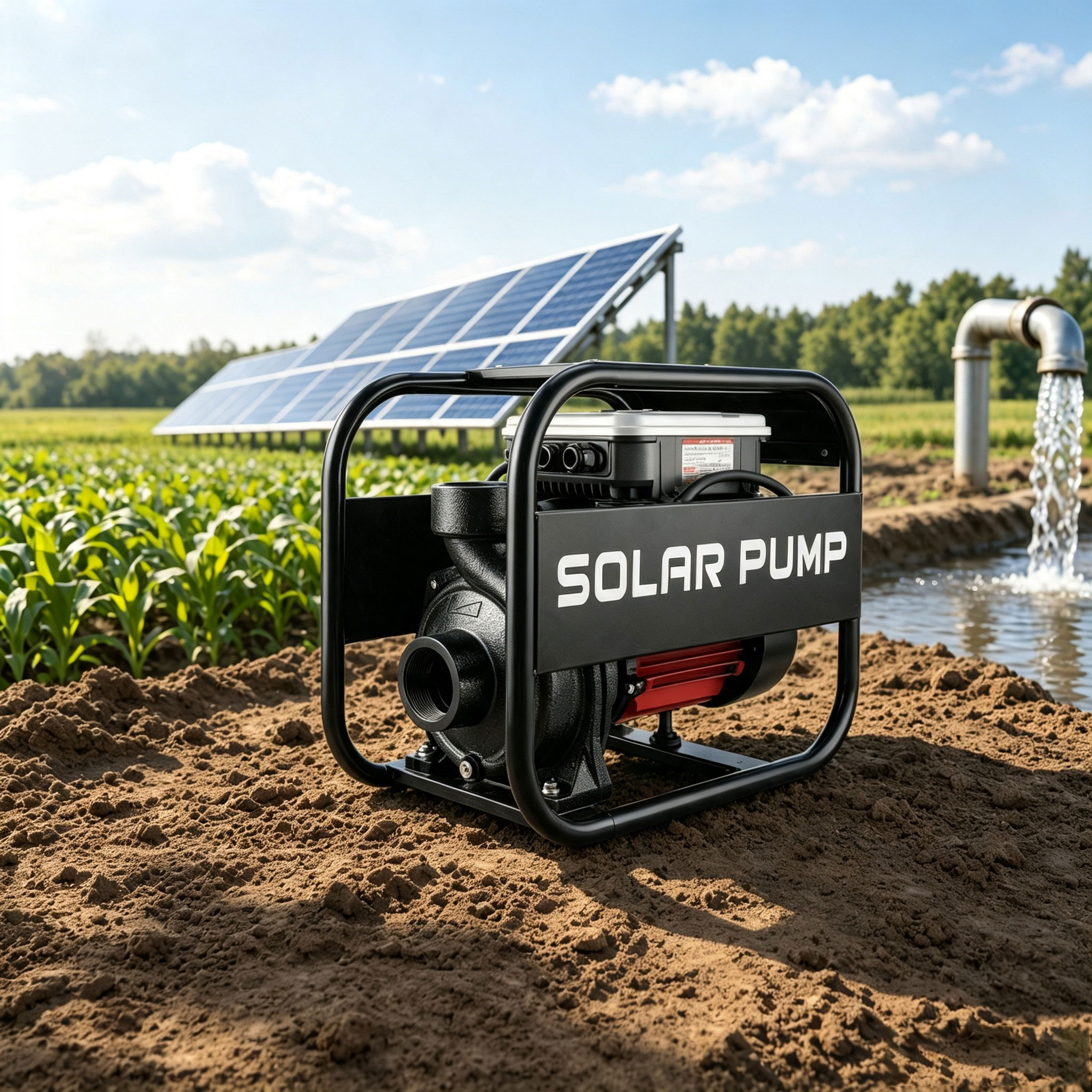
DC SOLAR SUBMERSIBLE PUMP
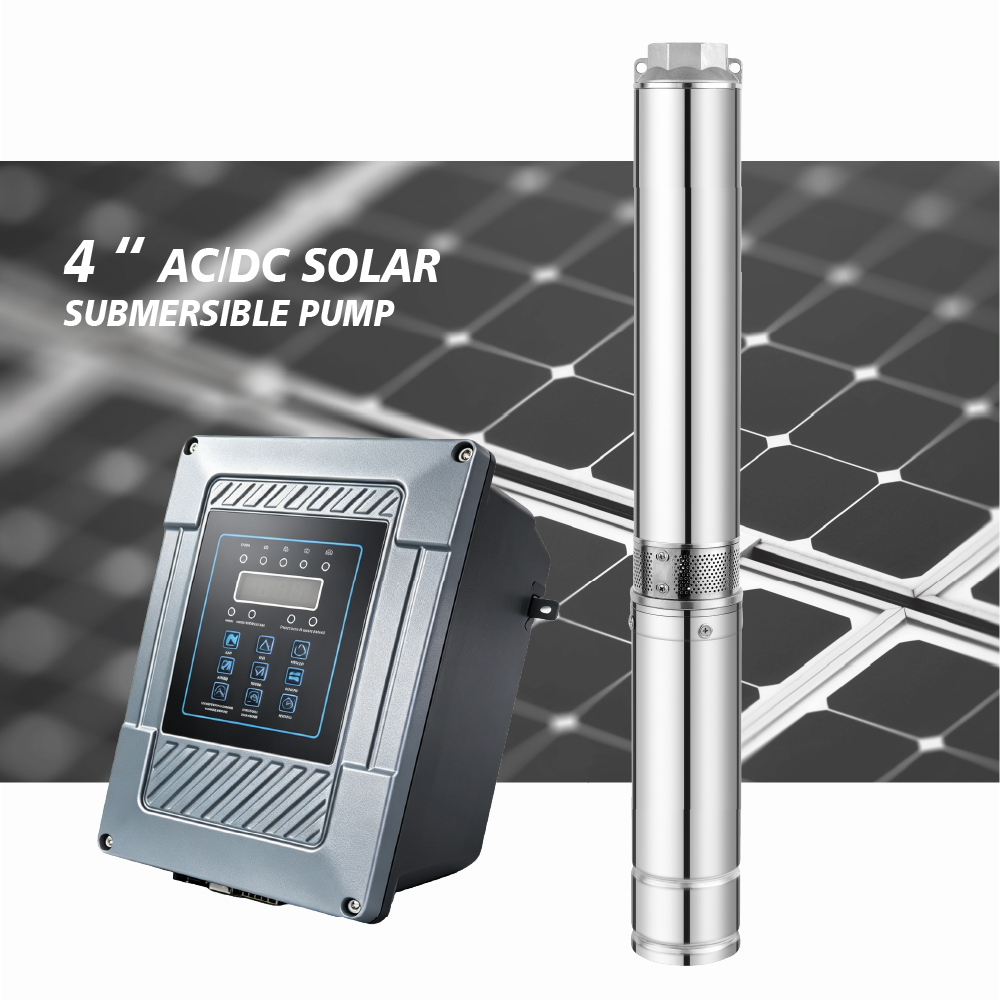
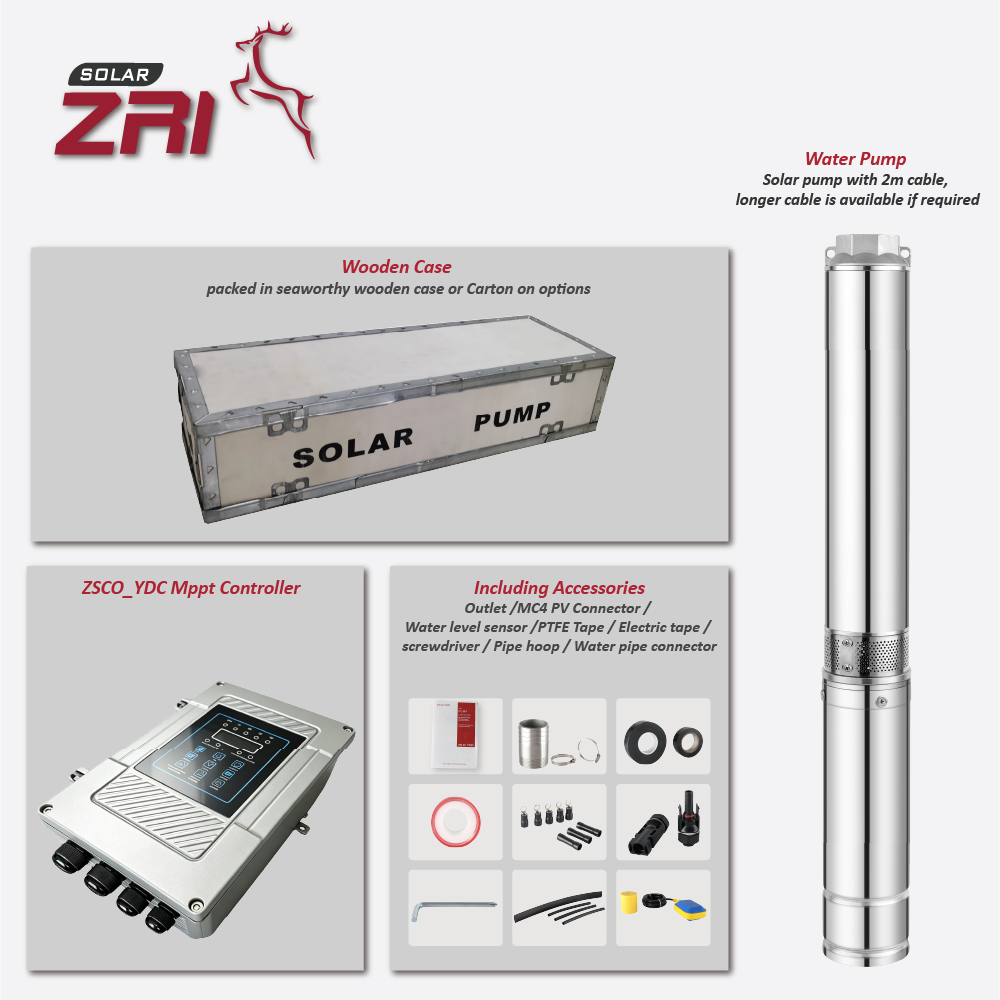
 AC/DC Solar submersible Pump
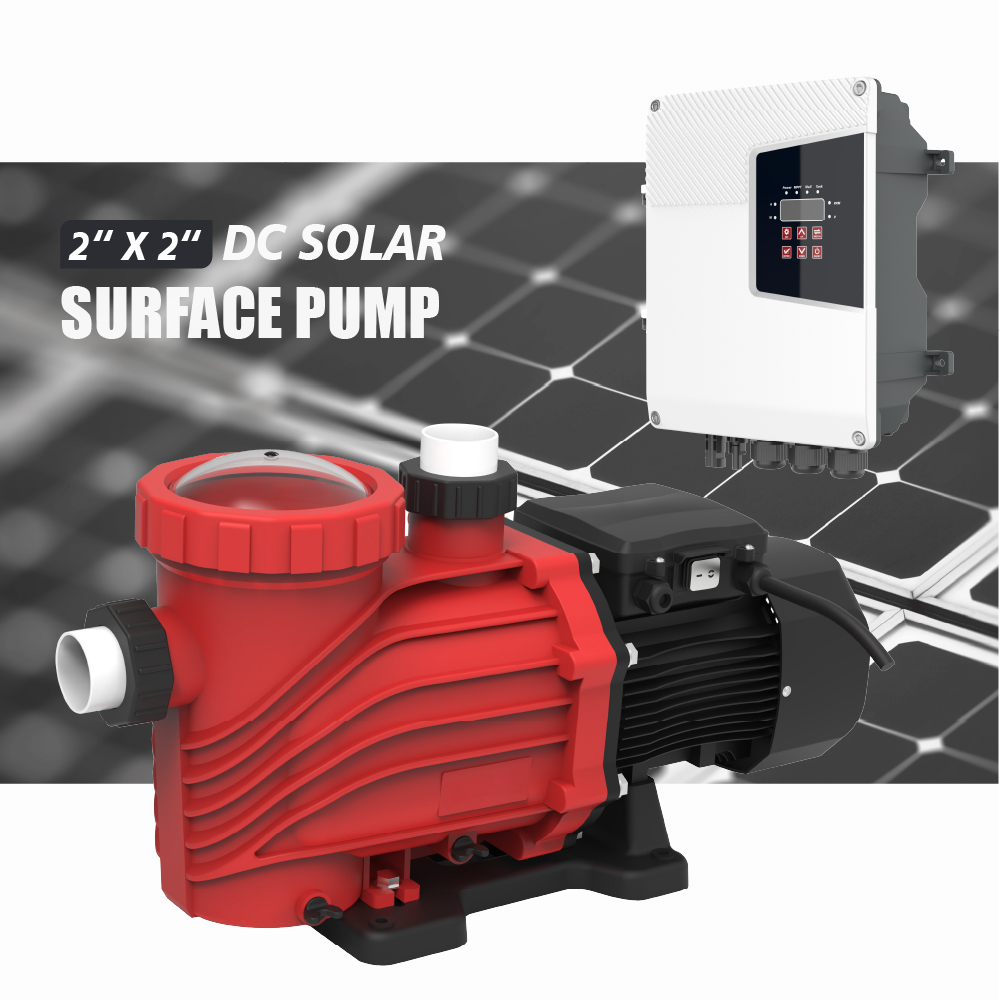
 DC Solar Surface Pump
 AC/DC solar surface Pump
 Solar swimming Pool Pump
 Built-in Controller Solar Pump
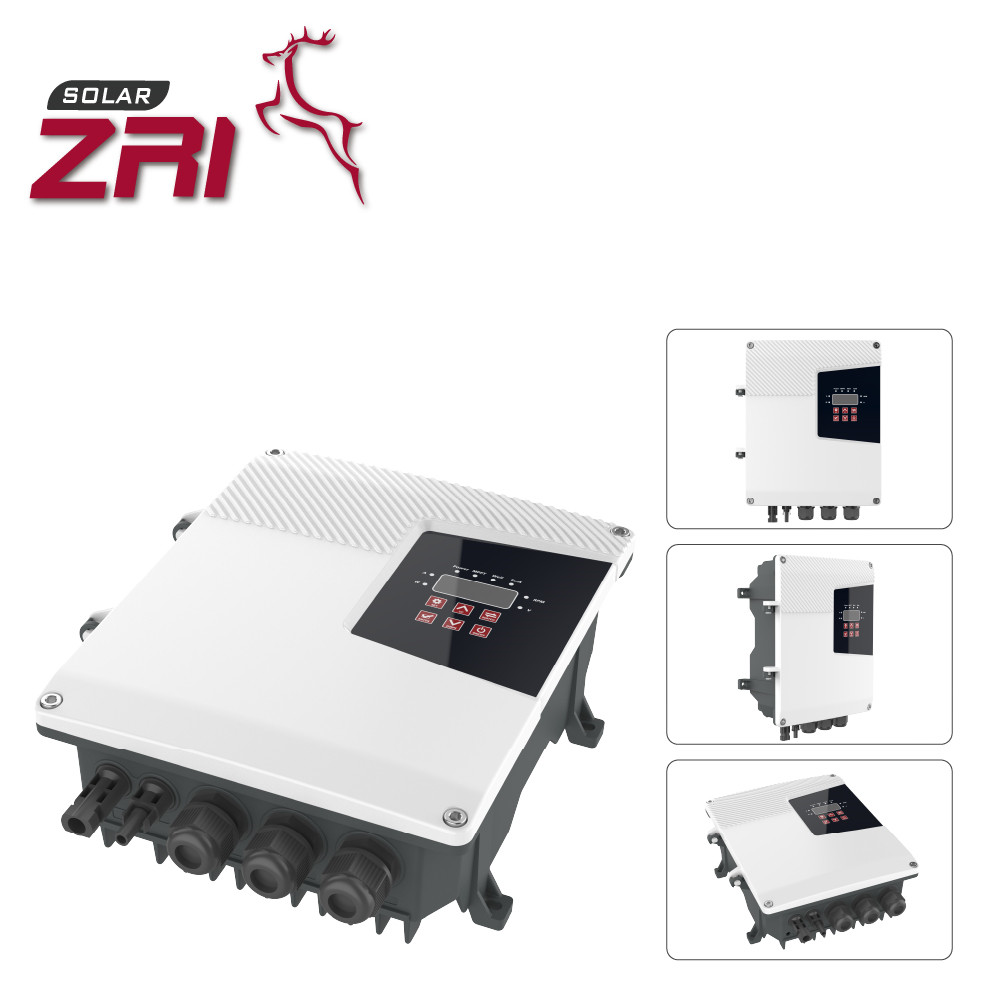
 Solar Pump inverter
 Pump Accessories


 Mr Youkee Kong
Beyond the Borehole: Specifying Small Solar and Battery Pumps for Hot Water Circulation, Decorative Water and Backup Supply
The Enquiry That Looks Too Small to Bother With
A solar pump dealer built on agricultural irrigation receives an enquiry for a pump to circulate hot water in a lodge, another for a garden water feature, and a third from a homeowner who wants the water to keep running when the grid drops. Each is worth a fraction of an irrigation system. The usual response is to quote the nearest irrigation unit at a small margin and move on, and the usual result is a machine that is wrong for the duty and a customer who does not come back.
These small residential and light-commercial jobs are a genuinely different business with a different specification logic. Dealers who build a proper offer for them find that the margin per unit is higher, the sales cycle is shorter, and the buyer is frequently the same landowner who will later fund an irrigation system. The specification differences come down to head, temperature, power source and what the customer expects when the sun is not shining.
Hot Water Circulation Is a Temperature Problem First
A hot water circulation pump moves water around a loop so that a tap delivers hot water quickly instead of after a long run. The flow requirement is usually modest and the head is usually low, which is exactly why an irrigation pump is the wrong tool: irrigation pumps are built for head, not for continuous low-head circulation at elevated temperature.
Two ratings decide the specification. The maximum liquid temperature the pump will tolerate continuously, and the head at the required flow, which in a circulation loop is mostly friction loss through pipe and fittings rather than static lift. Getting the friction loss wrong is the usual error, because the loop includes elbows, valves and a heat exchanger.
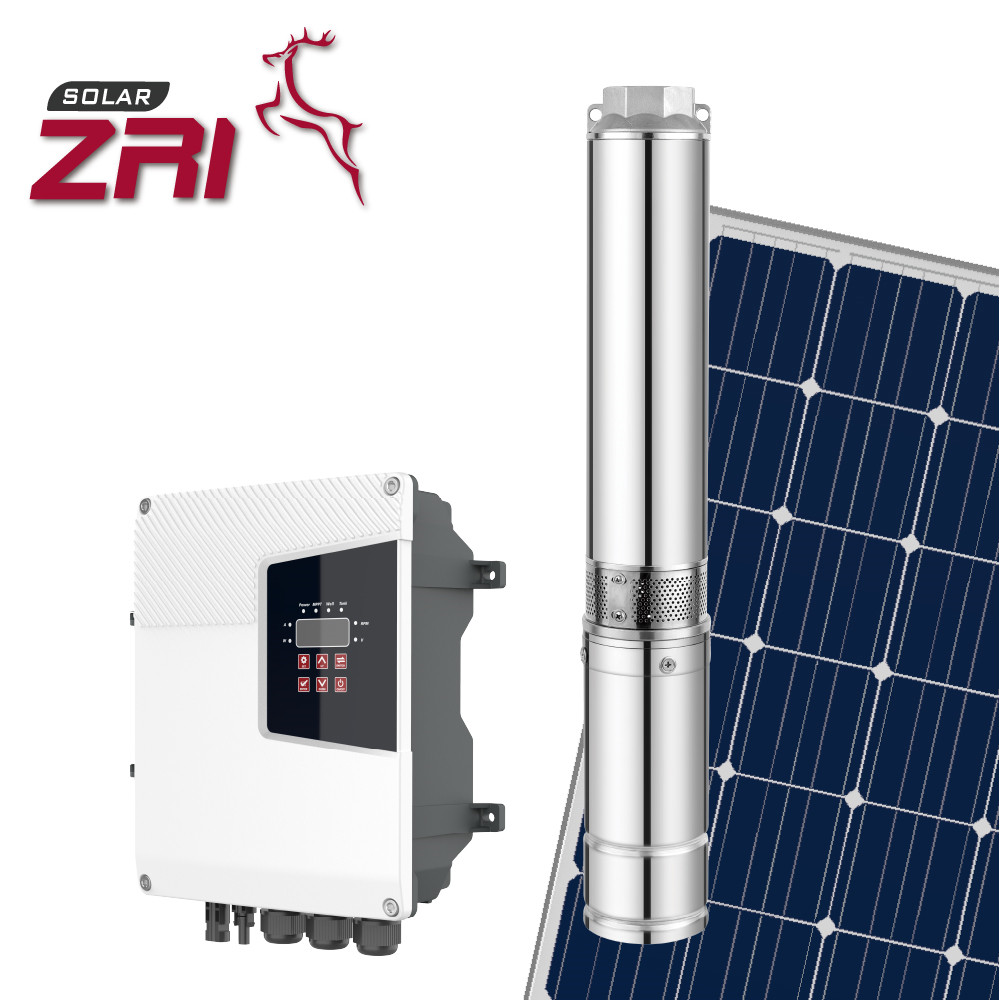
For solar thermal loops and domestic hot water recirculation where the liquid is hot and the head is low, a solar hot water circulation pump is the correct platform, and the dealer should confirm the continuous liquid temperature in writing before quoting rather than assuming an ambient-duty rating applies.
What Happens When the Sun Is Not Shining
A circulation loop with a solar thermal source only works when there is heat to move. A pump running with no heat source circulates cold water, which cools the store and costs energy for nothing, and a customer who discovers this concludes the whole system is a gimmick.
The control strategy matters more than the pump on this duty. A differential controller that only runs the pump when the collector is meaningfully hotter than the store is the standard answer, and a simple timer is the second-best one. Dealers should specify the controller as part of the package, because a pump sold without control logic will be blamed for a control failure.
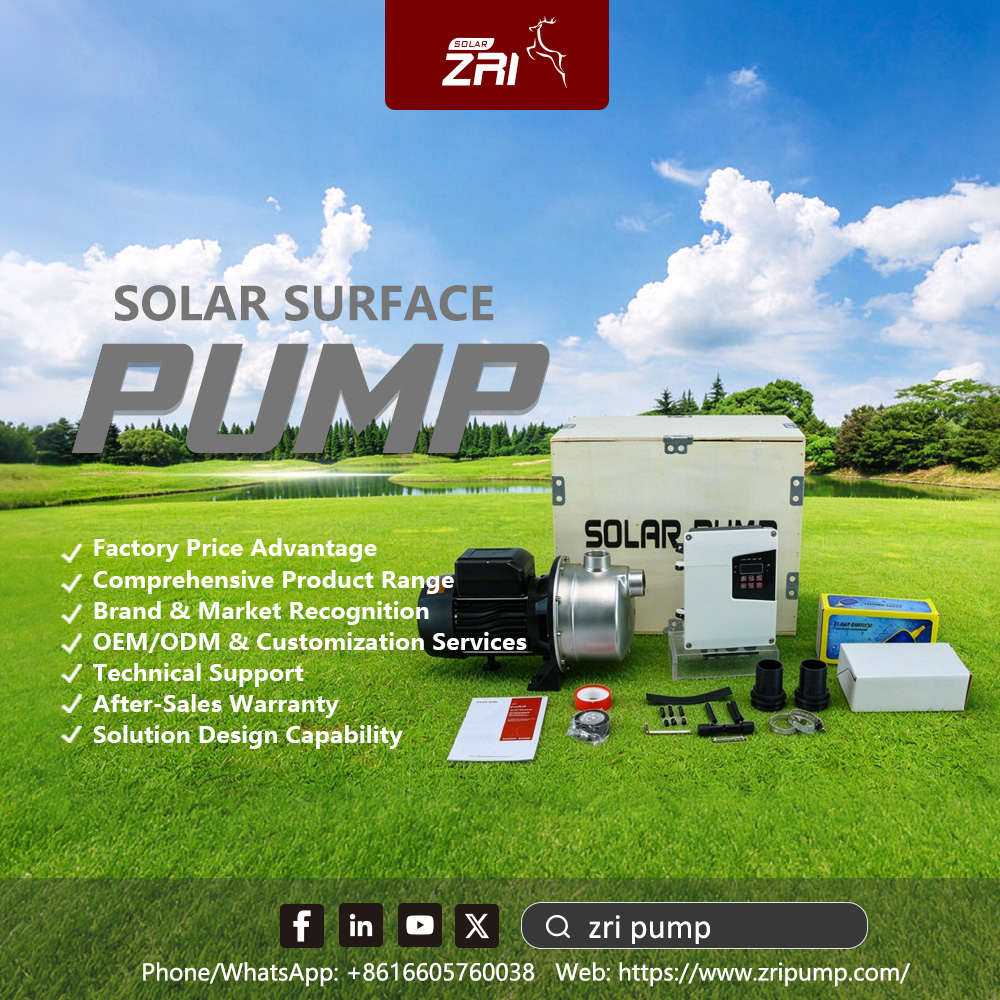
Where the requirement is that circulation continues during a grid outage, a battery backup solar pump gives the customer a defined runtime without the generator, and the dealer should state that runtime in hours rather than describing the unit as backup-capable.
Decorative Water Is a Retail Product, Not a Project
Garden water features are sold through garden centres, landscape supply and online retail, and they behave like a consumer product rather than like a pump project. The buyer is frequently not the installer, the installation is frequently done by the homeowner, and the return rate is driven by expectation rather than by failure.
That changes the specification entirely. Noise matters more than efficiency, because the feature is meant to be heard but the pump is not. And the documentation matters more than the datasheet, because a decorative pump returned because the owner did not understand priming is still a returned pump
For garden and patio features where quiet running and simple owner installation decide the sale, a small solar powered fountain pump removes the wiring question altogether, which is the single biggest barrier in this channel.
Battery Units: Where They Win and Where They Do Not
Battery powered pumps solve two real problems: there is no power at the location, and the location is used intermittently. They do not solve a continuous duty requirement, and a dealer who sells a battery unit into a duty that runs all day will field complaints about runtime rather than about the pump.
The honest specification question is how many hours per day the pump runs and whether it can charge while running. If the answer is continuous, the correct product is a mains pump with a solar assist or a battery backup, not a primary battery unit. Saying this clearly is what separates a dealer from a catalogue.
Where the feature is genuinely intermittent and off-grid, a battery powered fountain pump is the right product, and the dealer should quote the expected runtime per charge as a headline figure rather than a footnote.
The Submersible That Still Has a Place
Not every small job is solar. Water transfer from a tank, emptying a pool cover, draining a flooded basement, and moving water from a rainwater store to a garden all suit a conventional electric submersible. These are the jobs where grid power is present, the duty is intermittent, and the customer wants it done today rather than designed.
The specification trap is solids handling. Dealers should ask what is in the water before quoting, and should stock at least one unit rated for solids
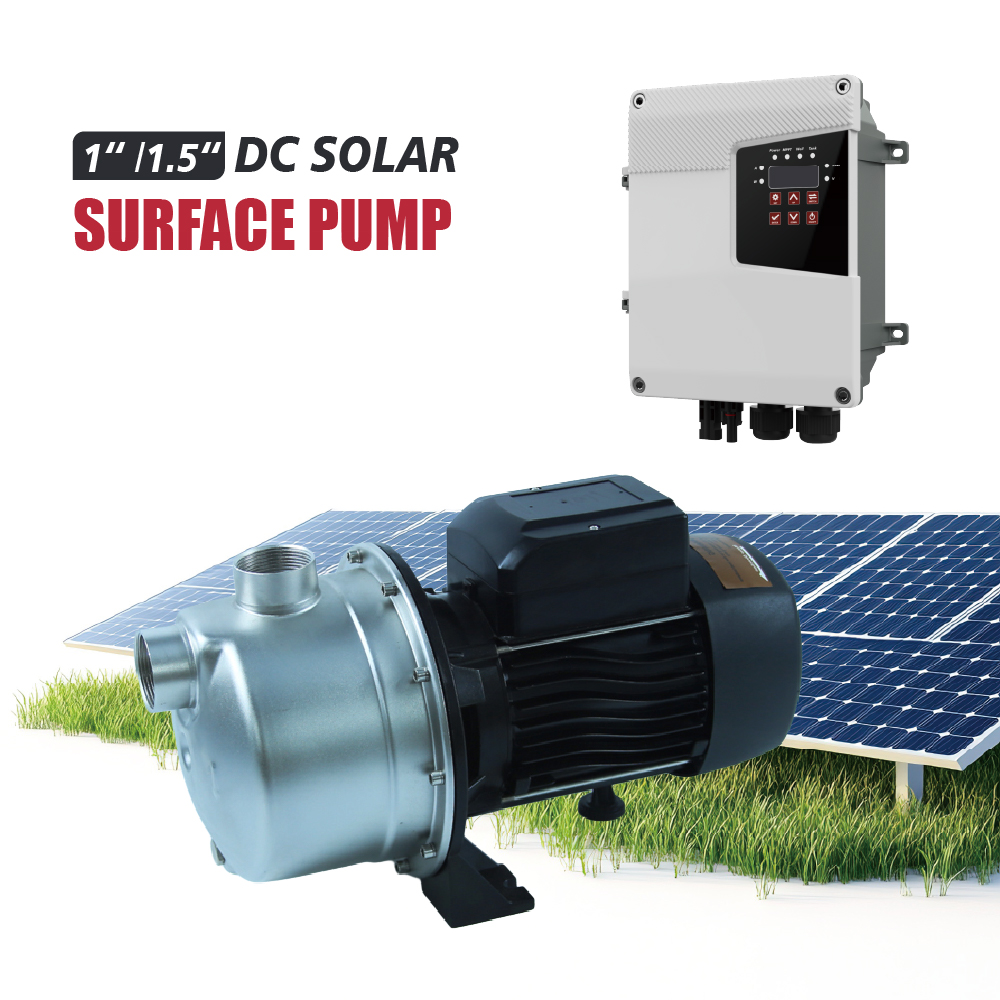
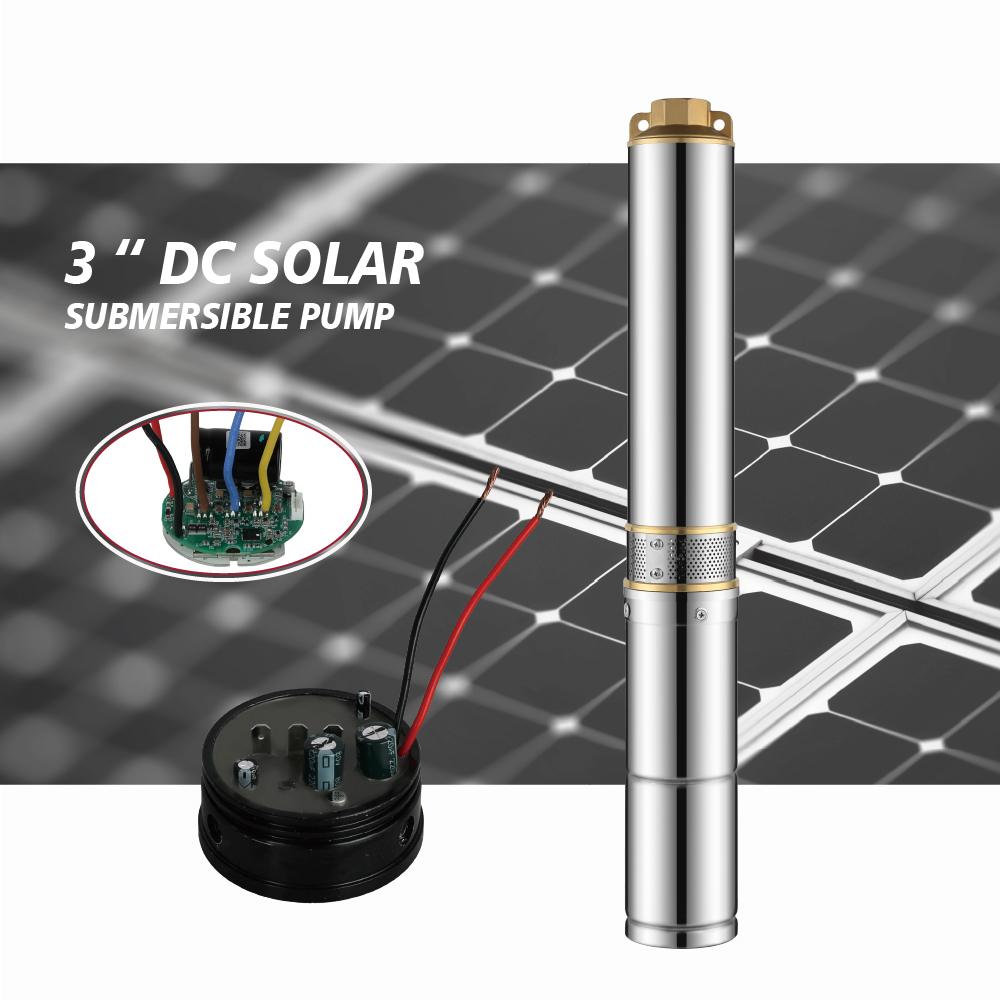
For general transfer, drainage and rainwater duties where mains power is available, an electric submersible water pump remains the fastest answer, provided the dealer confirms the liquid type and the required head before it leaves the counter.
What the Dealer Should Put in the Box
Small jobs fail on documentation more than on hardware. Three items cut the return rate sharply: a one-page installation card with a priming instruction, a stated runtime or duty limit, and a phone number that answers.
The commercial reason is simple. A homeowner who successfully installs a small pump buys the next one from the same place, and that next purchase is frequently a borehole system worth ten times as much.
The Takeaway
Small-duty pumps are a different specification discipline from irrigation. Liquid temperature and friction head for circulation, control logic for solar thermal, noise and plug type for decorative water, a stated runtime for battery units, and a solids question before any drainage submersible. Dealers who build a real offer here win the customer years before the big project is tendered.