
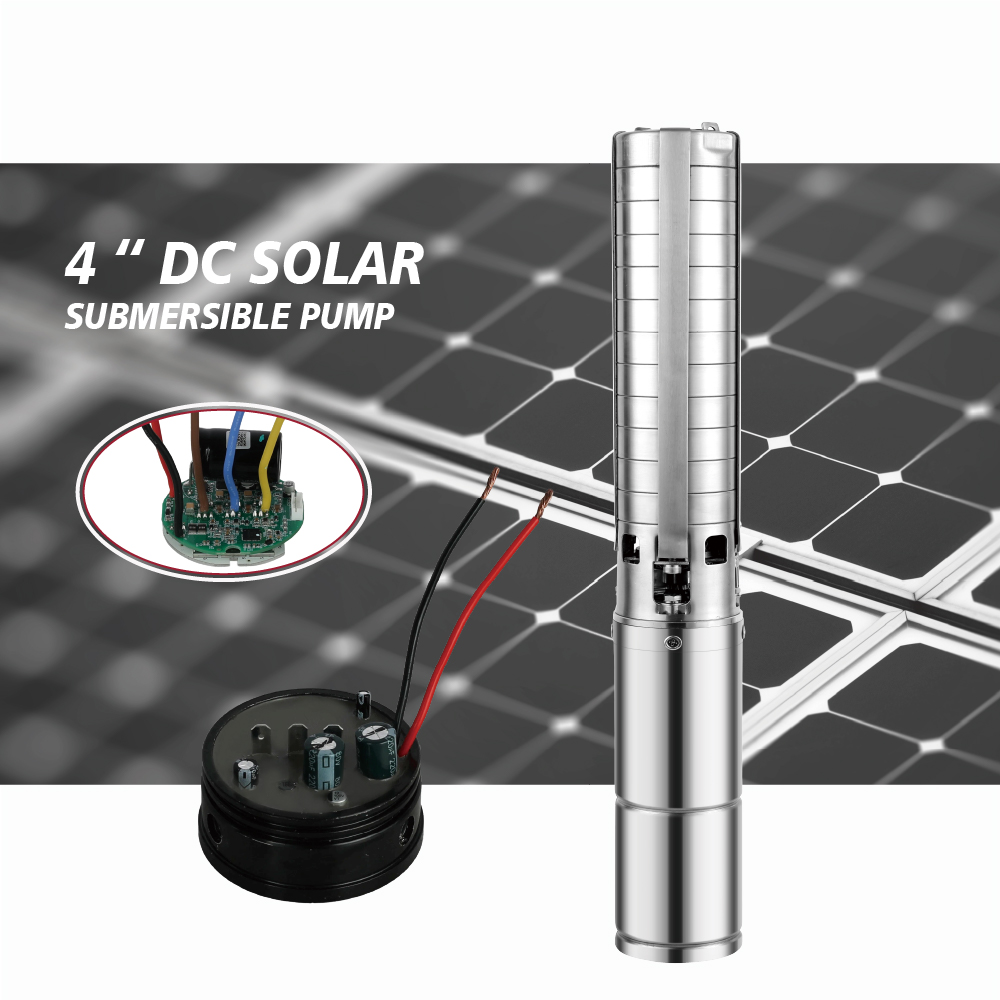
 DC SOLAR SUBMERSIBLE PUMP
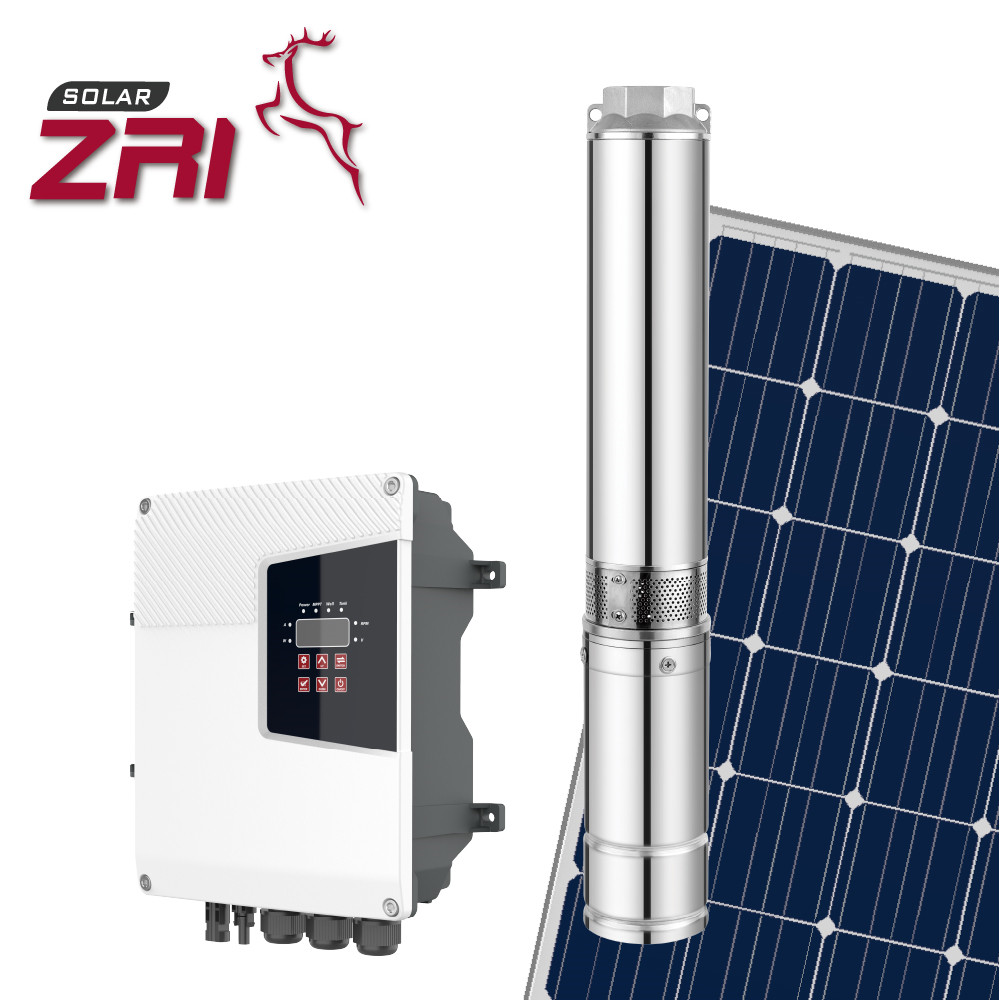
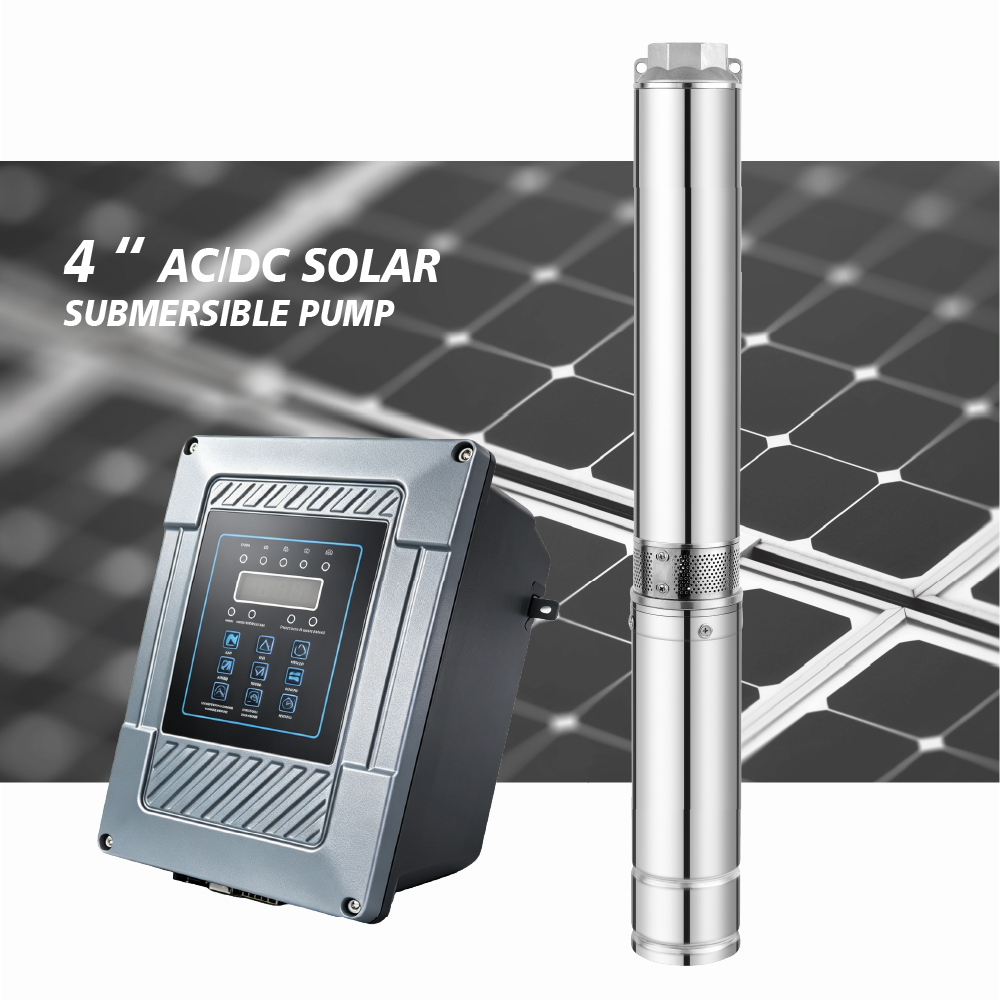
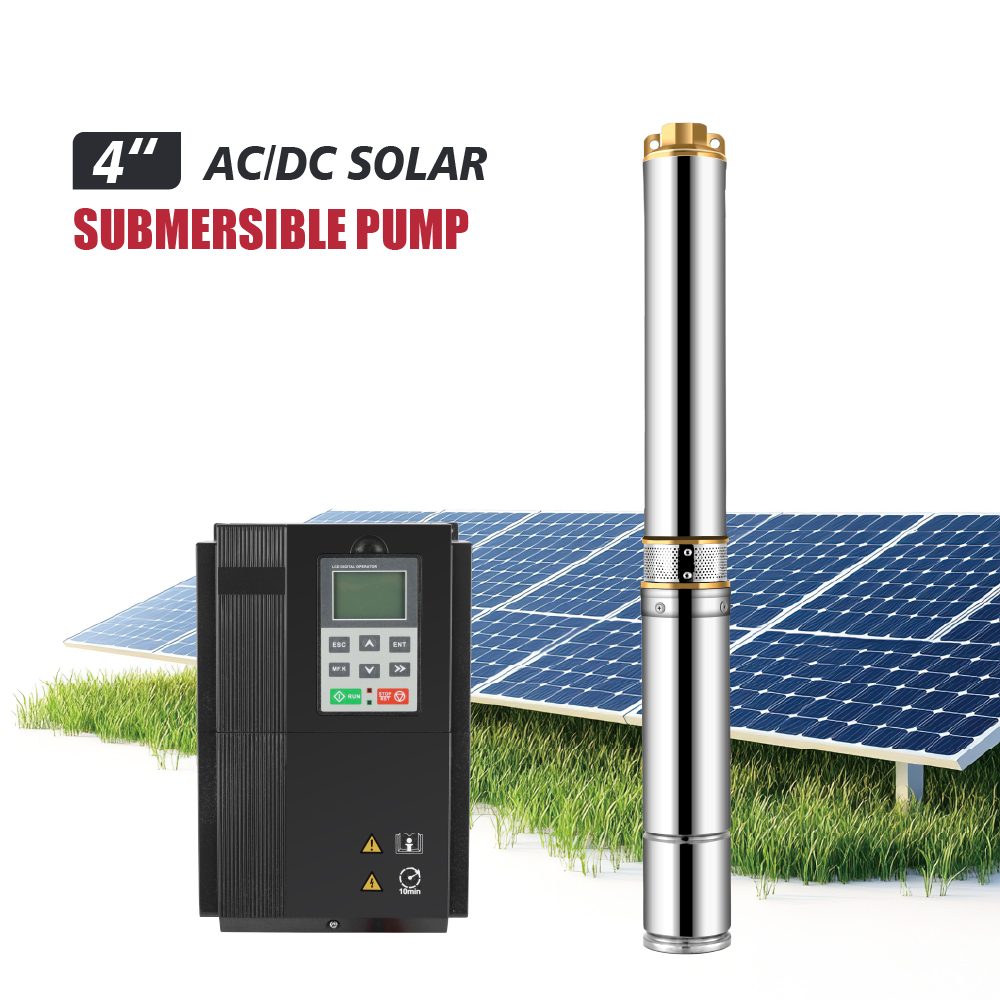
 AC/DC Solar submersible Pump
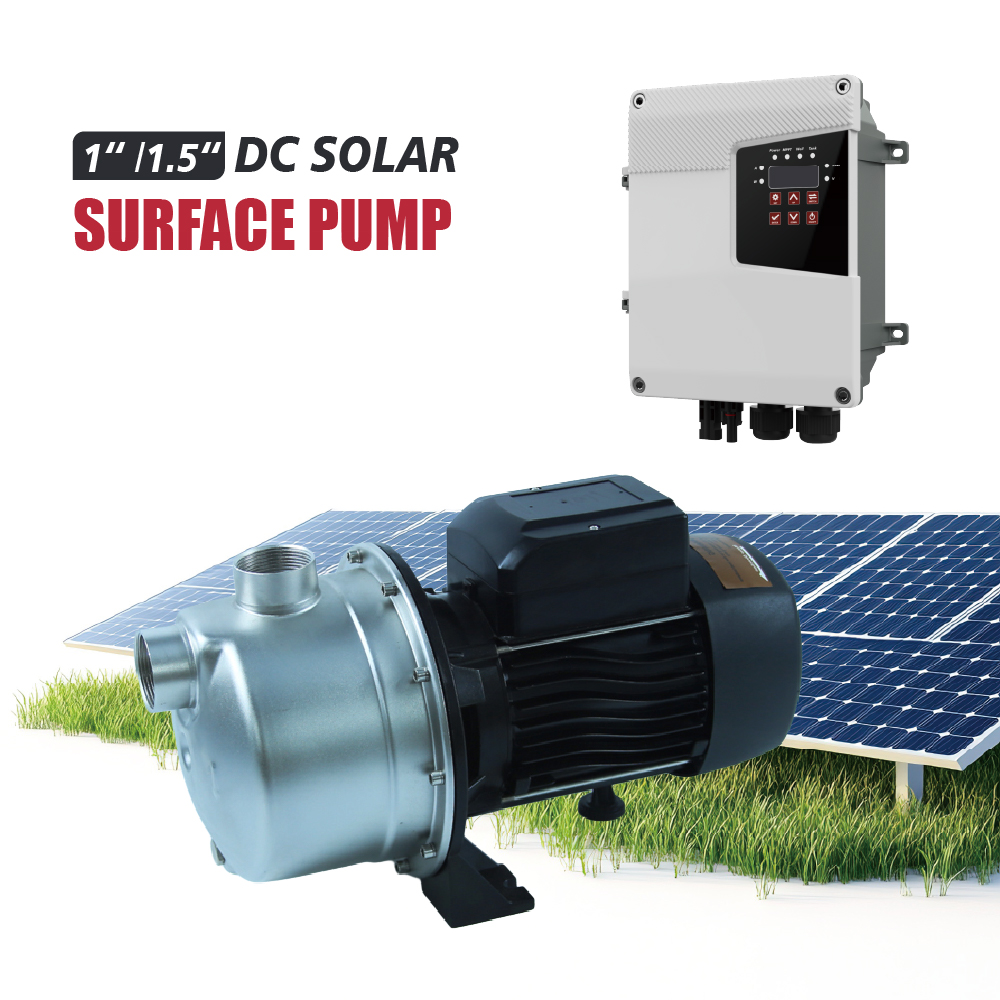
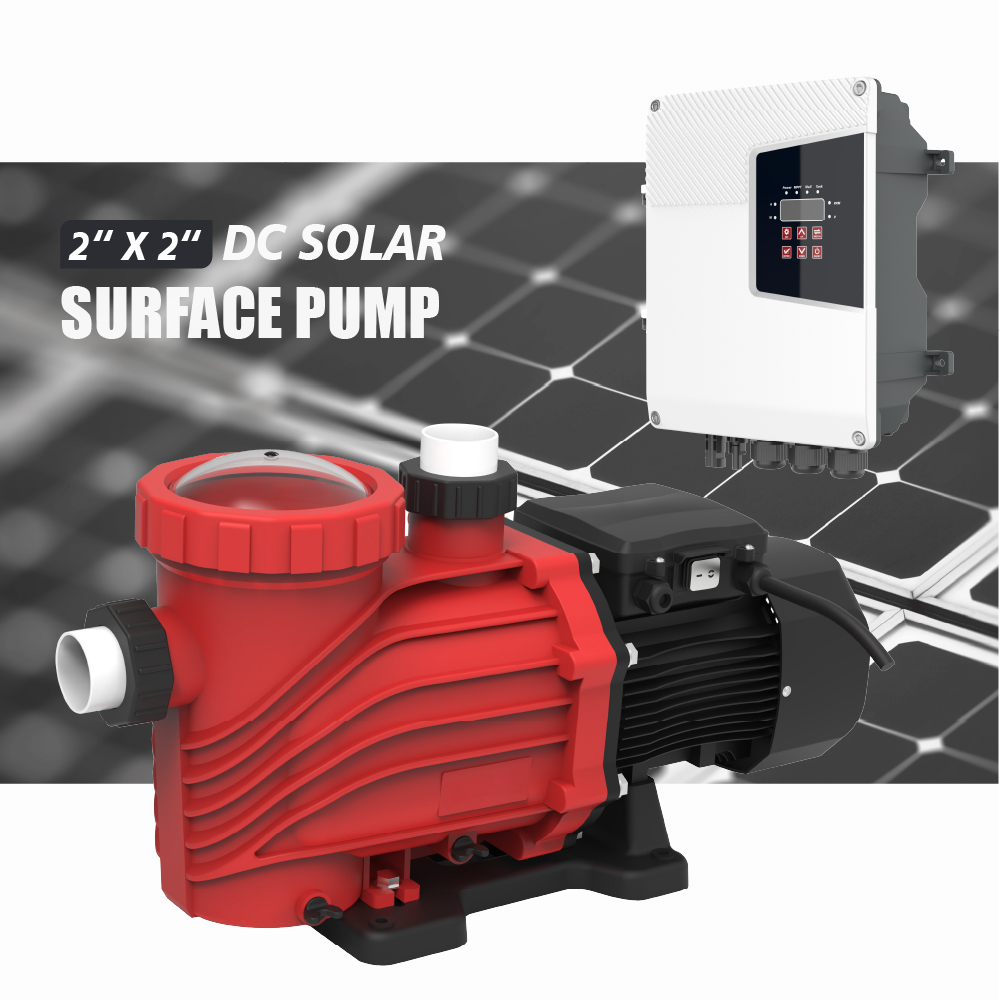
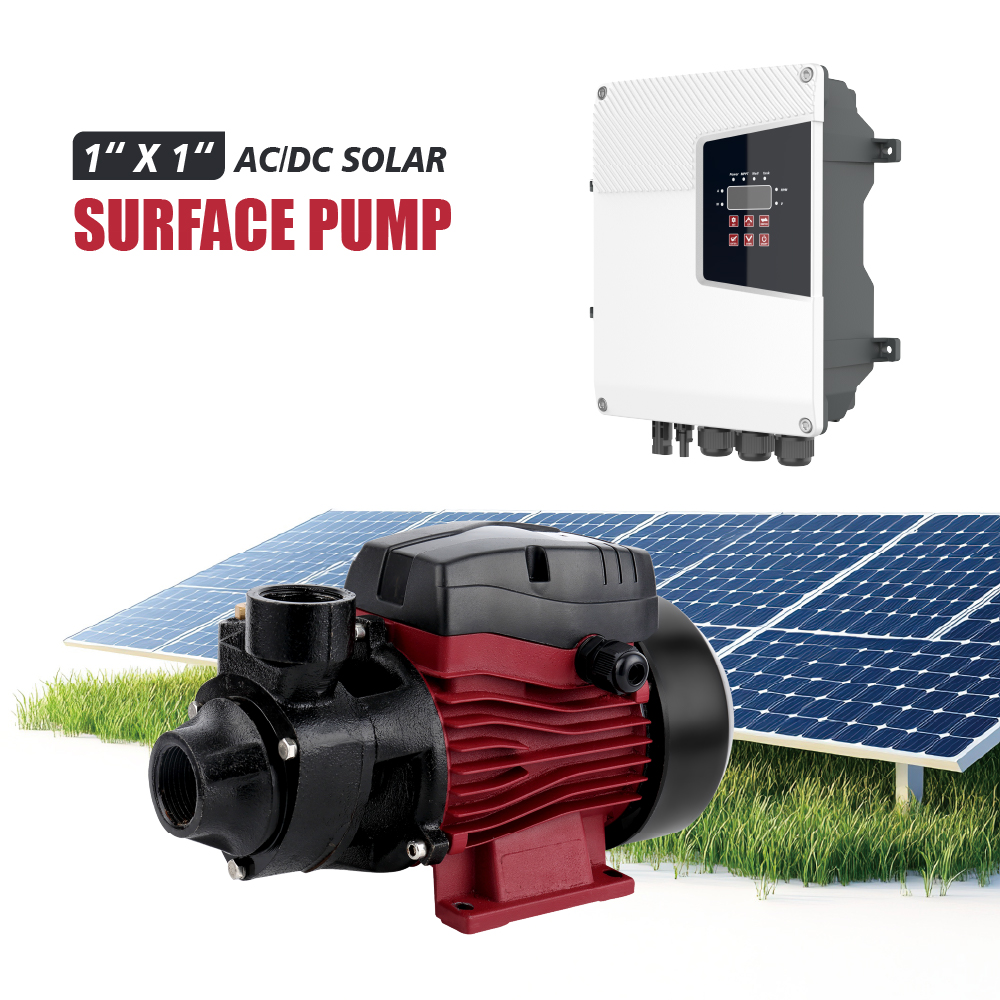
 DC Solar Surface Pump
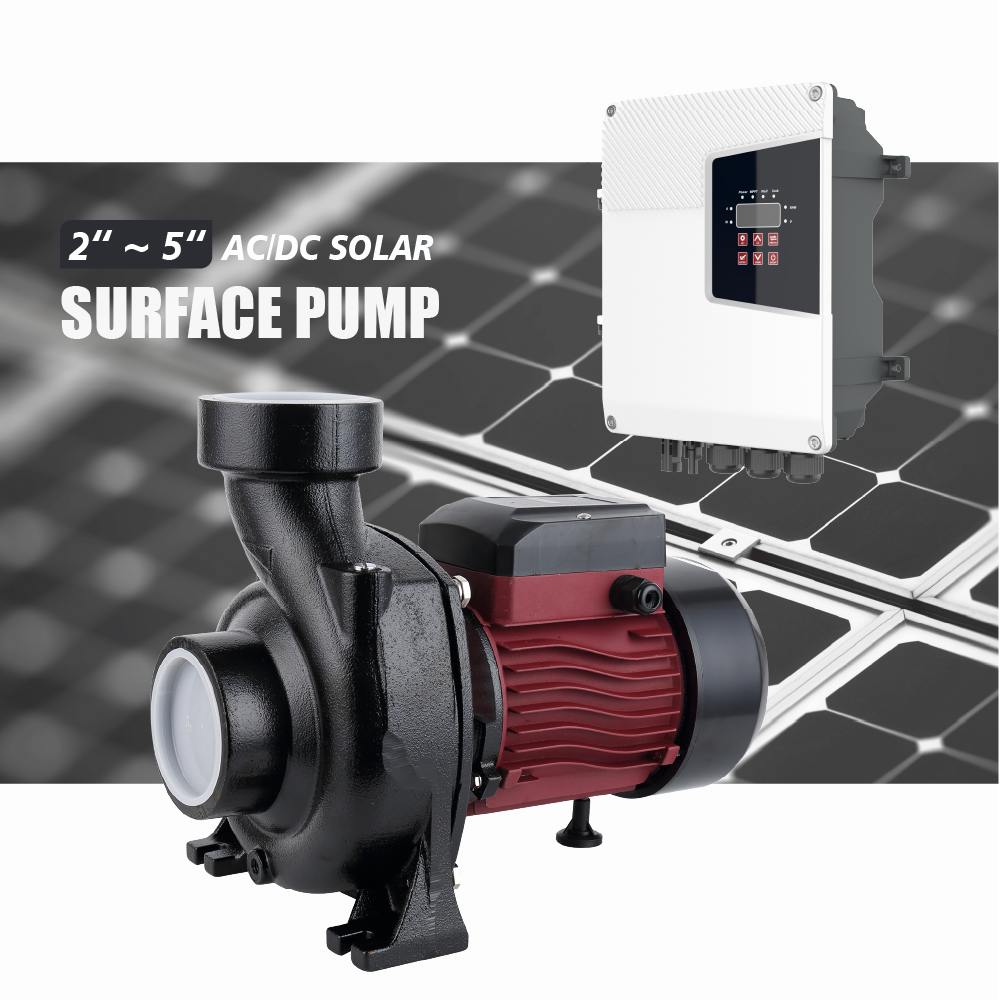
 AC/DC solar surface Pump
 Solar swimming Pool Pump
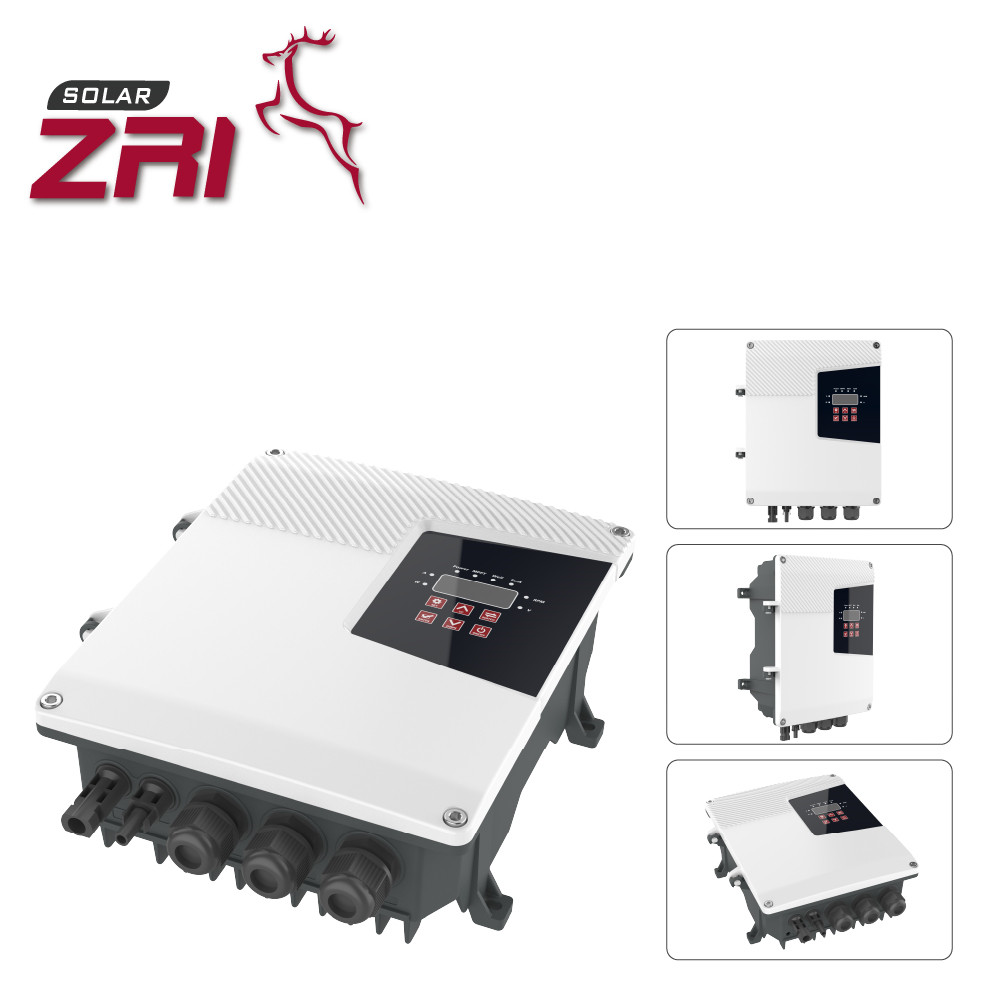
 Built-in Controller Solar Pump
 Solar Pump inverter
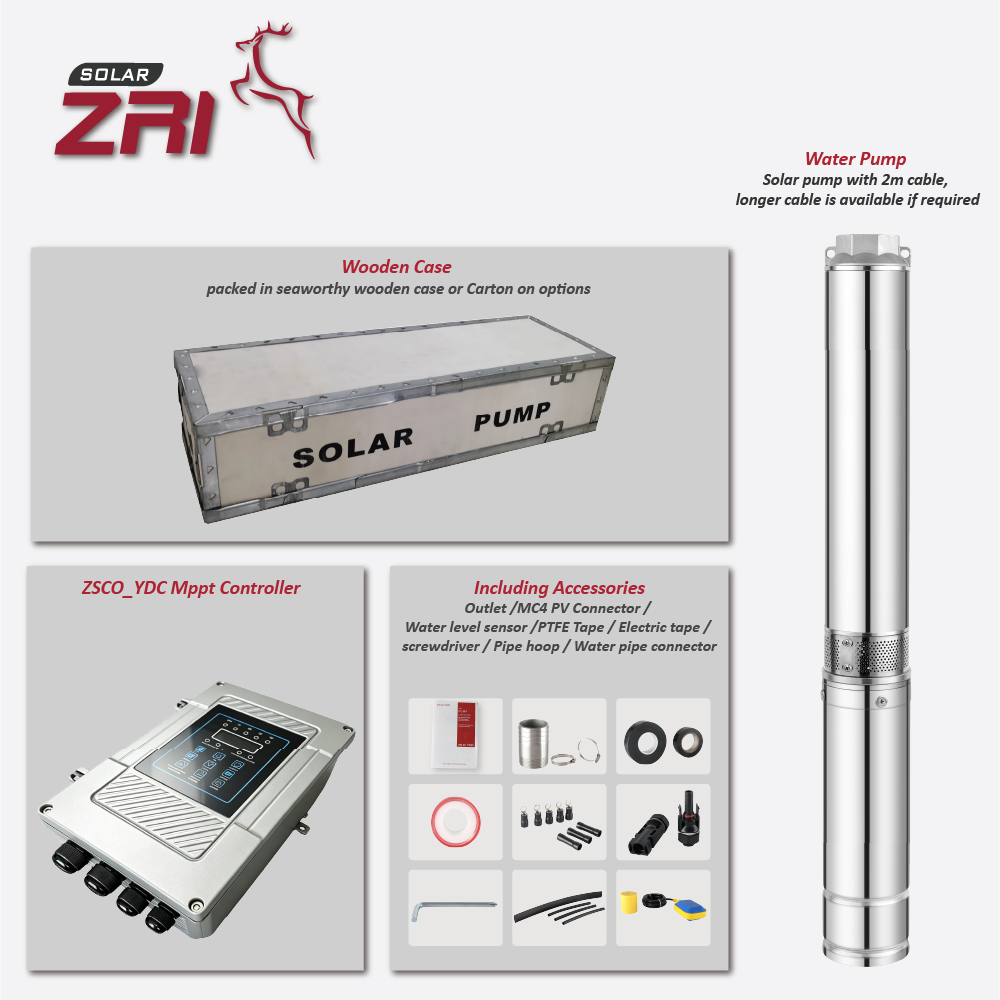
 Pump Accessories


 Mr Youkee Kong

Blocked Impellers, Air Locks and Low Flow: A Dealer Troubleshooting Card for Small Solar and Portable Pumps
The Call That Comes at the Worst Hour
An agricultural irrigation dealer gets a call from a grower during the dry season: the solar pump ran yesterday, today it hums and moves no water. The dealer's first instinct is to ship a replacement, but nine times out of ten the fault is a blocked impeller, an air lock or a low-flow setup, and a new pump will fail the same way by dusk. A printed troubleshooting card in the box turns that panic call into a ten-minute fix and protects the dealer's margin on the unit.
This card gives agricultural irrigation dealers, solar system integrators and water project contractors a checklist to diagnose the three common failures before dispatching stock.
The same call arrives in three accents. A solar integrator on a remote farm, a contractor on a drained pond, and a municipal crew on a decorative fountain all describe a pump that ran and then did not, and all three expect a truck with a new unit by morning. The dealer who can talk the caller through the card first protects the unit sale and earns the service call that follows. Annotation: Most of these calls end with a flushed chamber or a primed line, not a replaced pump.
Card 1: Blocked Impeller
- Switch off and isolate the pump before opening any housing near water.
- Remove the inlet screen and feel for grit, algae or root fibre packed against the impeller.
- Flush the chamber with clean water and rotate the impeller by hand to confirm free movement.
- Refit the screen and restart on a short cycle to confirm flow returns.
Warning: Running a pump against a blocked impeller overheats the motor, and the warranty will not cover a burnt winding caused by debris the screen should have caught.
Card 2: Air Lock
Recommendation: Prime the line before every seasonal start, because trapped air is the quietest cause of a pump that runs but delivers nothing.
- Fill the suction pipe fully before power on so no air pocket sits at the high point.
- Check for a slow leak at every joint that lets air back in after the first run.
- Raise the pump or lower the source to keep the suction lift inside the rated head.
- Vent the highest point of the run and restart with the outlet cracked open.
Card 3: Low Flow
Annotation: Low flow is rarely a dead pump; it is usually a mismatched head, a kinked hose or a half-charged solar input.
- Measure actual litres per hour against the spec sheet at midday sun, not at dawn.
- Inspect the hose bore and length because restriction cuts flow more than buyers expect.
- Confirm the panel output matches the pump rating on a clear day with no shading.
- Log the reading on the job card so the next call compares like for like.
Annotation: The right pump is the one sized to the failure it must prevent, so matching the unit to the job is the last line of the card before the van rolls out. Recommendation: Keep the small solar and portable range shallow but complete, because a dealer who stocks the wrong depth of the right model still loses the call.
Matching the Pump to the Job
For decorative garden and patio water features powered off-grid, the small solar-powered water feature pump keeps circulation running without mains connection.
For compact fountains and small displays, the small solar water fountain pump suits low-head, intermittent duty.
For jobs that need movement without a cable, the cordless submersible water pump handles transfer and draining where power is absent.
For deeper or dirtier water on site, the portable submersible water pump brings the flow contractors need.
For the most common feature and small-pond calls, the small solar water feature pump is the unit dealers should stock as the first responder.
Closing the Call
- Tell the customer the fault found and the fix applied so the next call is informed.
- Ship a replacement only after the card rules out the three causes to protect margin.
- Keep one of each pump class on the van for same-day swaps.
Warning: Dispatching a new pump for a blocked impeller teaches the customer to expect free units, and the dealer pays for the lesson twice.
Card 4: The Field Kit Every Van Carries
Recommendation: A card is only useful if the parts to act on it are already in the van, so equip every service vehicle with a small kit.
- Carry spare inlet screens and a short hose to clear the most common blockage on site.
- Pack a hand primer bulb to break an air lock without a workshop.
- Bring a basic panel meter to confirm solar input before blaming the pump.
- Hold one of each pump class as a confirmed-good swap unit.
Annotation: The field kit turns the troubleshooting card from advice into a same-day resolution, and that speed is what keeps contractors calling the same dealer instead of the cheaper listing.
The Card in One Line
Conclusion: Diagnose blocked impellers, air locks and low flow with a printed card before dispatching stock, and match each job to the right small solar or portable pump. Agricultural irrigation dealers, solar system integrators and water project contractors who use this card cut returns, protect unit margin and turn fault calls into fast, confident service.