
 DC SOLAR SUBMERSIBLE PUMP
 AC/DC Solar submersible Pump
 DC Solar Surface Pump
 AC/DC solar surface Pump
 Solar swimming Pool Pump
 Built-in Controller Solar Pump
 Solar Pump inverter
 Pump Accessories


 Mr Youkee Kong


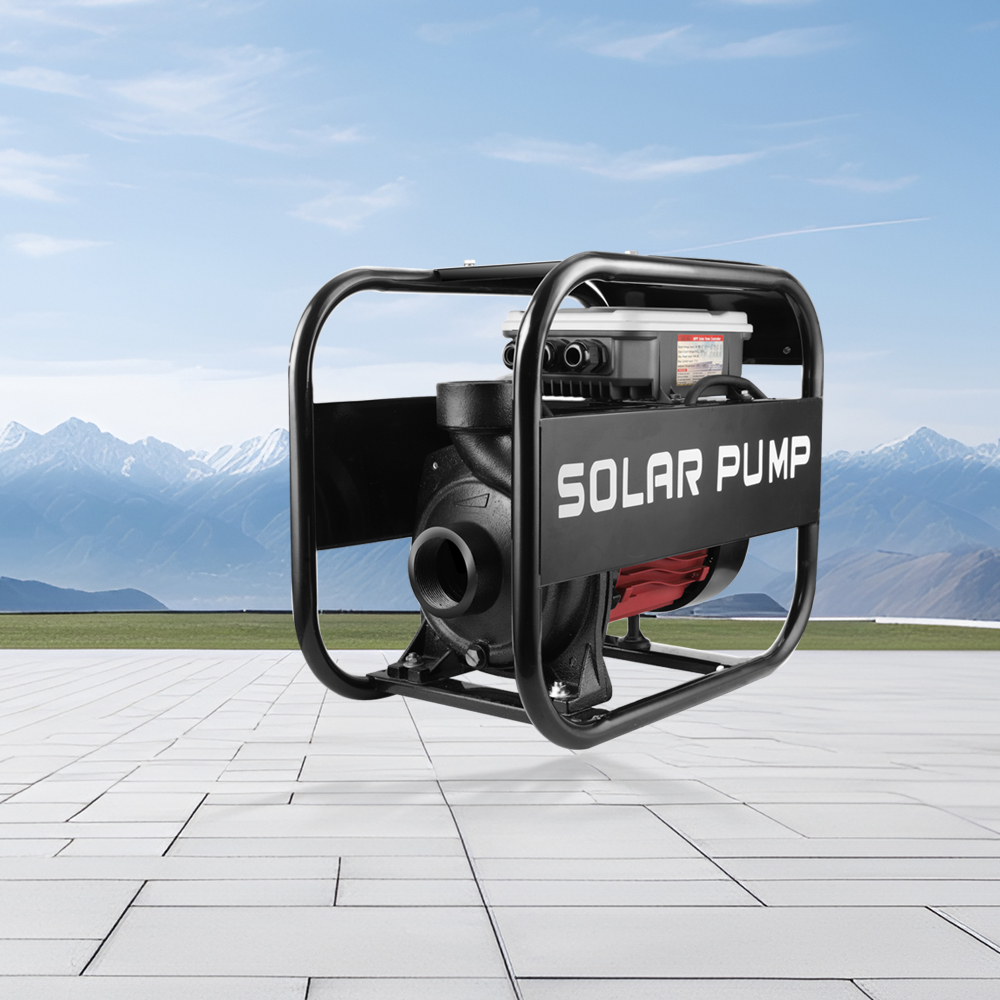
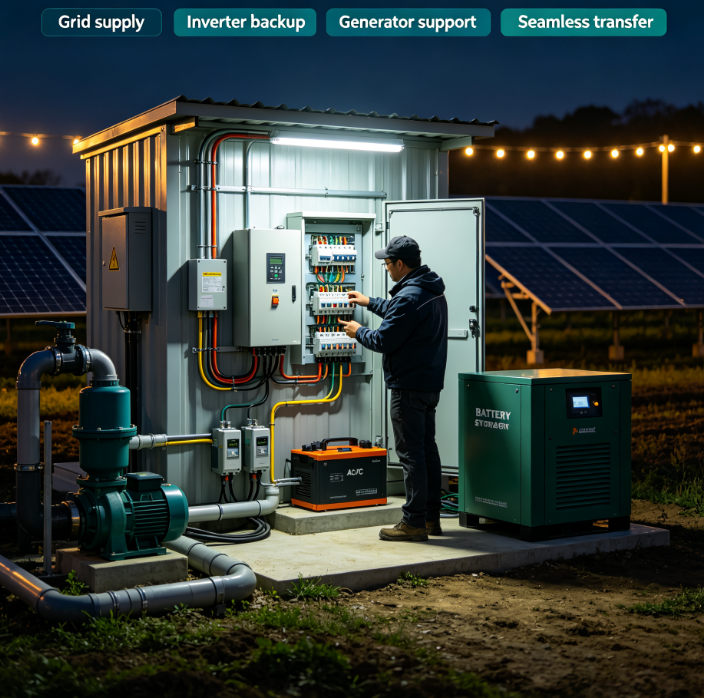

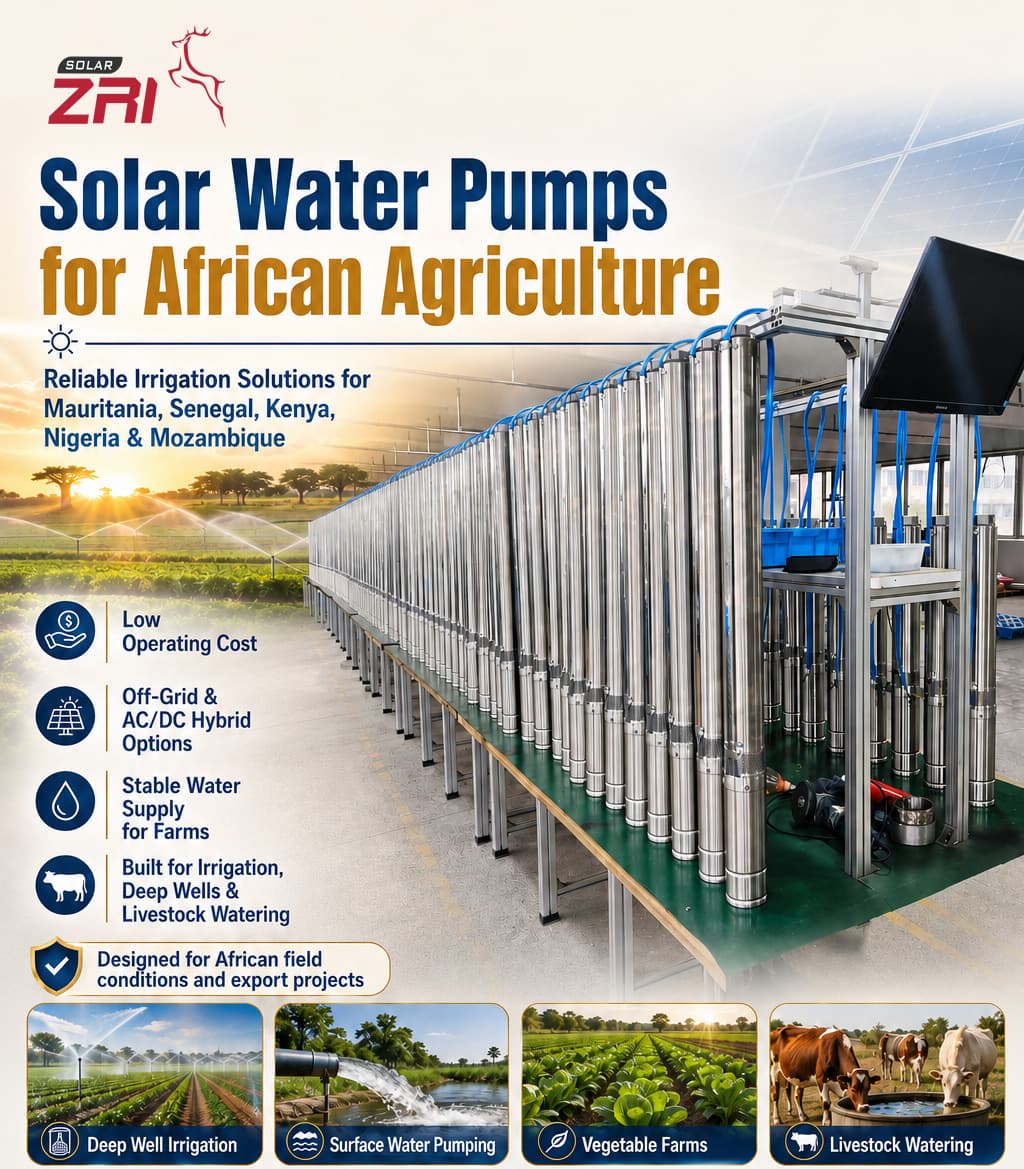
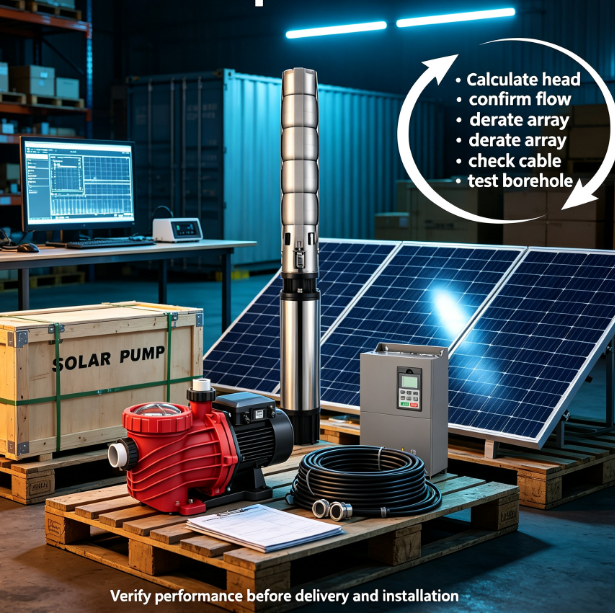
Chinese Technology Pioneers Global Water-Saving Revolution: DC Solar Submersible Pumps Forge Transcontinental Service Ecosystem
-- From the Sahara to the Andes, China has reshaped the agricultural water civilization of 150 countries

At the meeting point of the United Nations 2030 Agenda for Sustainable Development and global energy transformation, China's DC solar submersible pump enterprises are staging a transition from "products to the sea" to "ecological sea". The latest data from the World Bank show that in 2023, China occupies 63% of the global solar water pump market share, and the "Global photovoltaic water pump service alliance" launched by Huawei, Longi and other leading enterprises recently officially operated in Shenzhen, marking the landing of the first transnational operation and maintenance standard system in China's new energy industry. This smart irrigation network covering 150 countries is using technological innovation and cultural wisdom to solve the water problems of 4 billion people around the world.
Irrigation dilemmas across five continents: When technology meets Climate and Civilization
The International Renewable Energy Agency (IRENA) research report reveals the shocking reality: 50 ° C heat in the Sahara desert causes 35% of electric motors to prematurely age, high humidity brought by the Southeast Asian monsoon causes circuit corrosion rates to spike, and the average 22-day repair waiting period in rural Africa often misses the prime crop irrigation period. In Latin America, voltage fluctuations of ±20% of the grid frequently burn out the controller; In South Asia, counterfeit parts shorten the life of equipment by 60%. These challenges are not only technical problems, but also survival tests in the dimension of civilization
China's solution: Use technological temperature to melt the ice of civilization differences
In the face of extreme environment and cultural differences, Chinese enterprises have delivered breakthrough answers. The "Desert Eagle" series water pump developed by Huawei Digital Energy uses space-grade cooling coating and self-cleaning photovoltaic panels to create a record of 1,800 hours of continuous operation without attenuation in the Al Ain Desert of the United Arab Emirates; The Mekong Guardian model, customized by Longi Green Energy for the Mekong Delta in Vietnam, has increased the salt spray test life to 9,600 hours through silicon nitride sealing bearings and nano-corrosion coating. Even more revolutionary is the wide voltage intelligent controller, compatible with 90V-320V voltage fluctuations, allowing farmers in the Peruvian Andes to achieve stable irrigation for the first time.
Service ecology: Weave a "Sunshine Service network" covering the world
At the regional hub warehouse in Nairobi, Kenya, workers are dispatching spare parts via the Beidou positioning System, where the 500-kilometer radius allows 80% of African villages to reach spare parts within 48 hours. In Java, Indonesia, 2,300 certified "solar engineers" equipped with AR remote guidance glasses have achieved a "92% one-visit repair rate." The most imaginative is the drone emergency delivery in cooperation with SF International, the bearing delivery time of remote farms in Zambia is compressed from 14 days to 48 hours, and the logistics miracle of crossing 2,000 kilometers of no man's land is performed every day.
Digital technologies are reshaping service boundaries. An AI early warning platform with access to global meteorological data will deliver sandstorm protection advice to Saudi farms 72 hours in advance; A smart butler that supports 9 languages, allowing Cambodian farmer Nong Sen to issue the "pump for 30 minutes" command in his native language; The blockchain traceability system has reduced the circulation rate of fake parts in Nigeria from 37% to 6%, and the Chinese customs can verify the original certification by scanning the code.
Dialogue among civilizations: Let Chinese technology grow its own roots
On coffee plantations in Ethiopia, the deep coupling of photovoltaic pumps and drip irrigation systems improves water efficiency by 40%, and local farmers refer to the system as "breathing sunwells". In the dry season of Balochistan province, Pakistan, Huawei's "light storage pump" integrated machine with off-grid energy storage has jumped the irrigation guarantee rate from 18% to 89%, and herdsmen have begun to light up mosques with electricity from solar water pumps. In the Chilean Andes, Longi's "Smart Water Rights Management System" uses machine learning to predict the amount of snow melt, resolving a century-old dispute between tribes over water use.
These innovations are not only technological adaptation, but also the integration of cultural wisdom. In Southeast Asia, the pumps are automatically suspended during religious prayers; In Africa, maintenance training is integrated into the tradition of tribal elders; In South America, 10% of the equipment proceeds go to community schools. As Elena Costa, an official with the United Nations Development Programme, puts it: "Chinese technology is learning to tell the story of sustainable development in the local language."
Rule refactoring: From Follower to global standard Setter
In May 2024, the International Electrotechnical Commission (IEC) formally adopted the China-led "Environmental Tolerance Test Code for Photovoltaic Pump Systems", which for the first time included indicators such as Gobi wind erosion and tropical mold into the international certification system. Dubbed the "Chinese adaptation" by the European Union, this standard is reshaping global industrial rules - the African Union has included it in its Agricultural Modernization Plan 2030, and Latin American countries are setting emergency irrigation standards for "dry corridors." Chinese enterprises are not only the enforcers of standards, but also the definers of rules.
Civilization level experiment: When the pump becomes the bridge of civilization dialogue
In the crisis of Lake Chad shrinking, the 1,200 sets of photovoltaic water pump systems deployed by the Sino-enterprise consortium for the four countries are not only irrigation tools, but also a platform for transnational ecological governance. Villagers form "Sunwell maintenance cooperatives" that monitor groundwater extraction in real time through an APP, and once competing water sources now share the same digital water ledger. The words of project leader Li Xiaofeng reveal a deeper change: "What we are exporting is not a device, but a replicable model of civilisational symbiosis."
From the Yellow River basin to the Nile River, from the Mekong Valley to the Pampas grassland, Chinese-made photovoltaic pumps are weaving a "sunshine irrigation network". As cattle in Argentina drink from the snow of the Andes, and rice paddies in Bangladesh feed from the Ganges, these steel and silicon-based creations are quietly rewriting the water history of human civilization. As Chen Hang, Secretary general of the Global Service Alliance, said: "Every Chinese water pump is a messenger of civilization, telling the world that eastern wisdom can not only solve technical problems, but also resolve conflicts of civilizations."
In this green long march across the continent, Chinese manufacturing is writing a new international narrative: the ultimate goal of technological inclusion is to allow every piece of land to find its own development path under the sun. When the countdown bell of the United Nations 2030 Agenda rings, China's photovoltaic water pump is injecting a steady stream of "Chinese power" for global food security and ecological balance with an irrigation volume of 3.2 cubic meters per second.
(The data in this paper come from UNIDO, International Renewable Energy Agency and enterprise field research, and some technical parameters are supported by Rambo Intelligence.)