
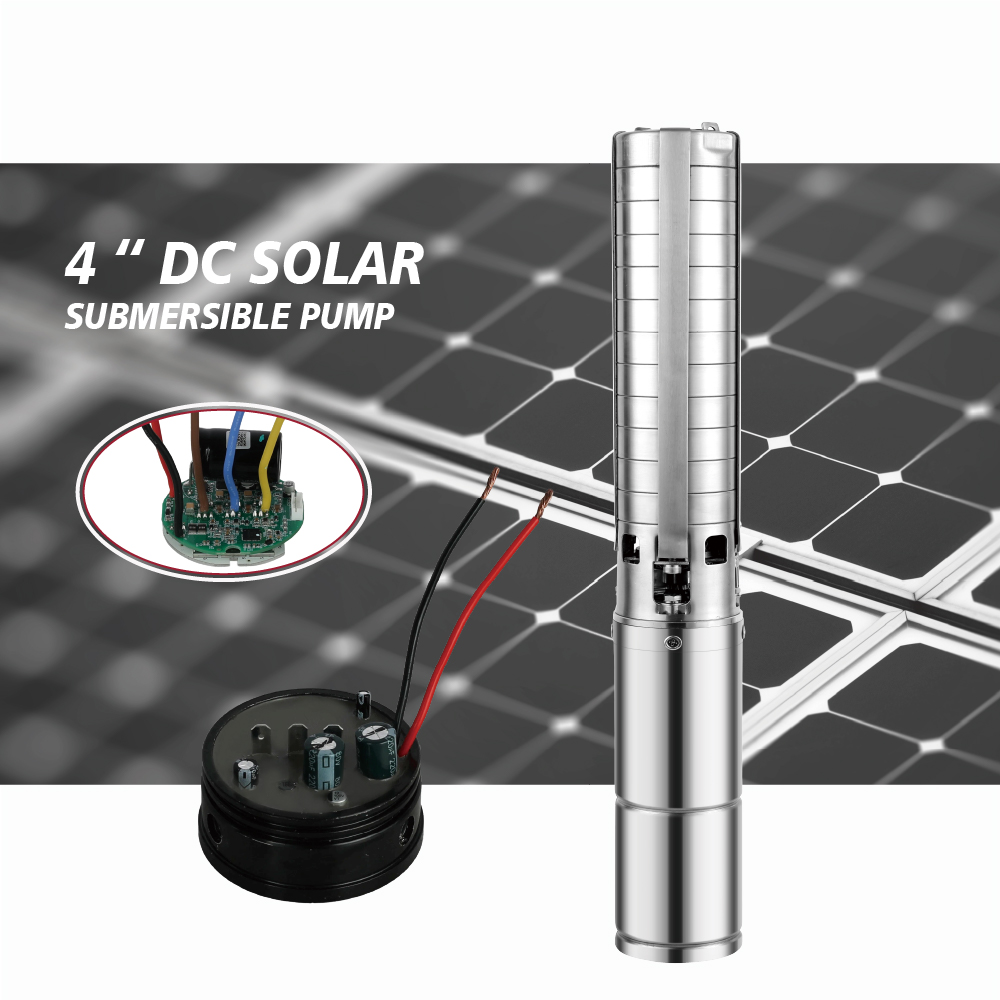
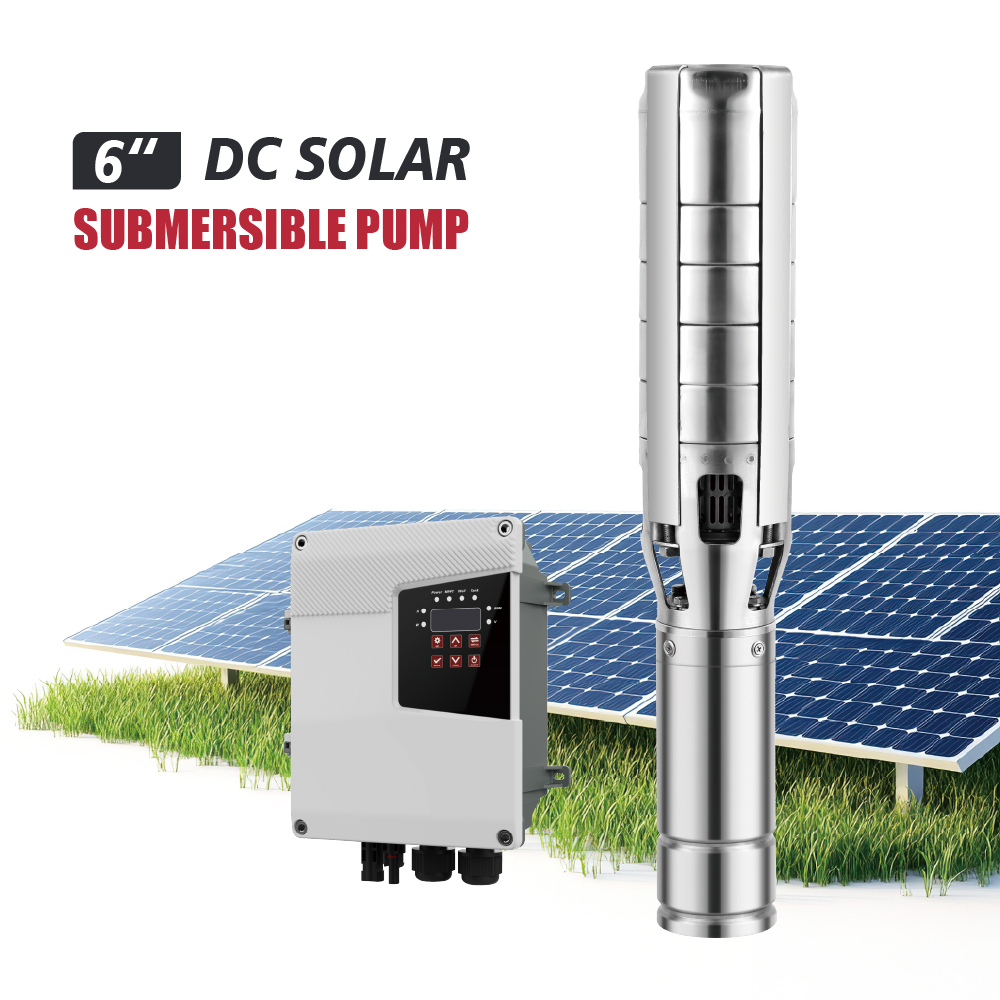
 DC SOLAR SUBMERSIBLE PUMP
 AC/DC Solar submersible Pump
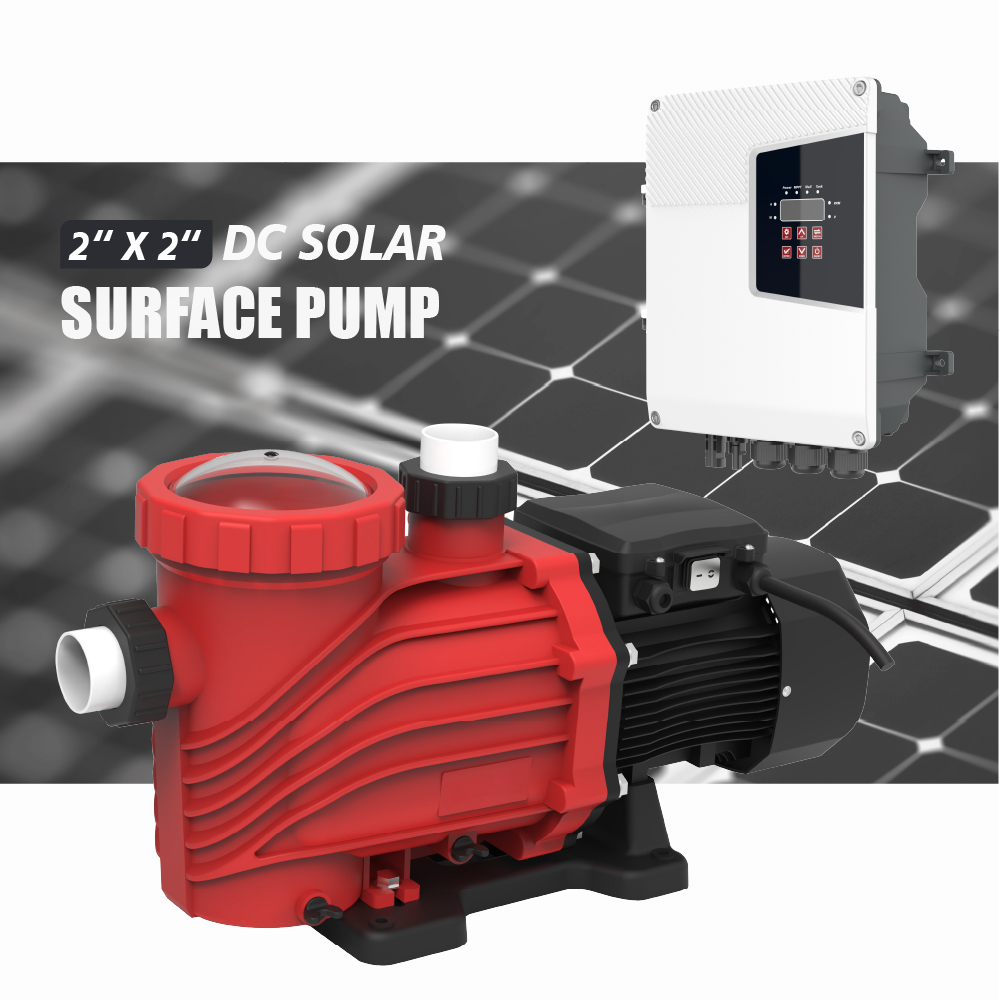
 DC Solar Surface Pump
 AC/DC solar surface Pump
 Solar swimming Pool Pump
 Built-in Controller Solar Pump
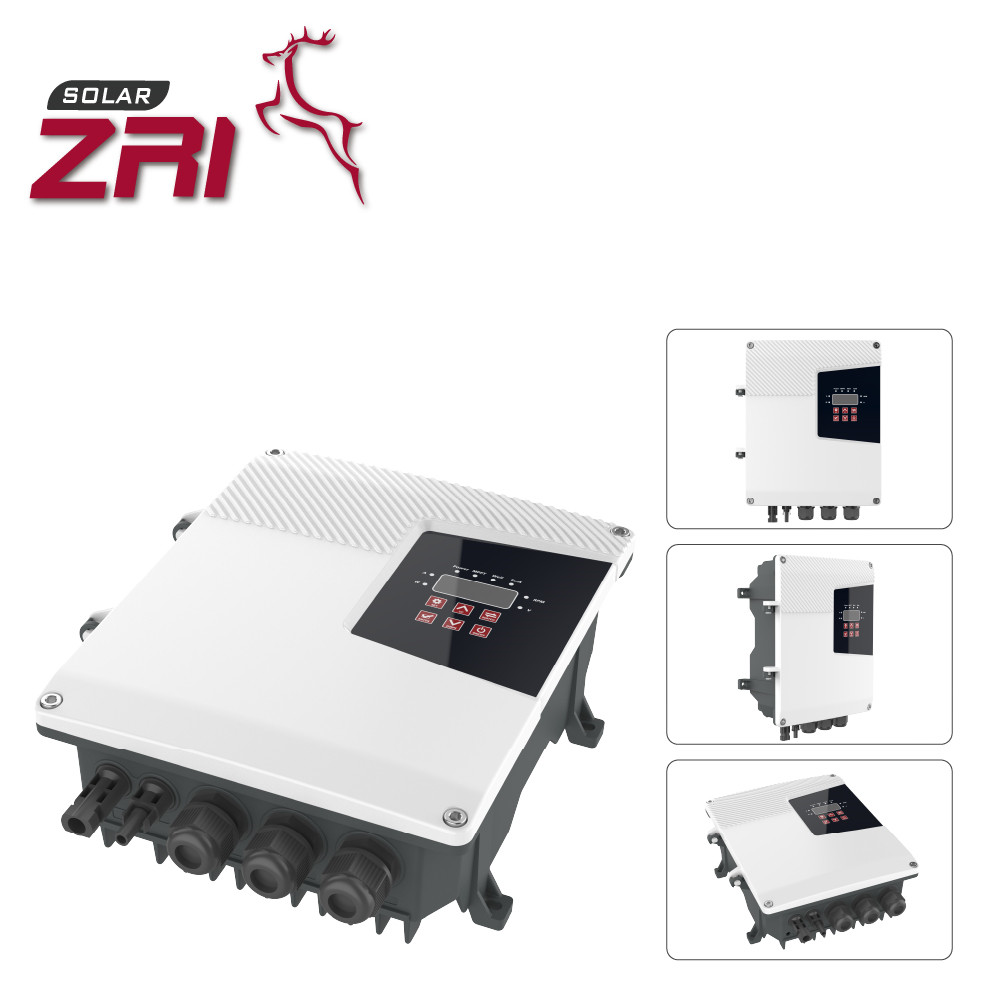
 Solar Pump inverter
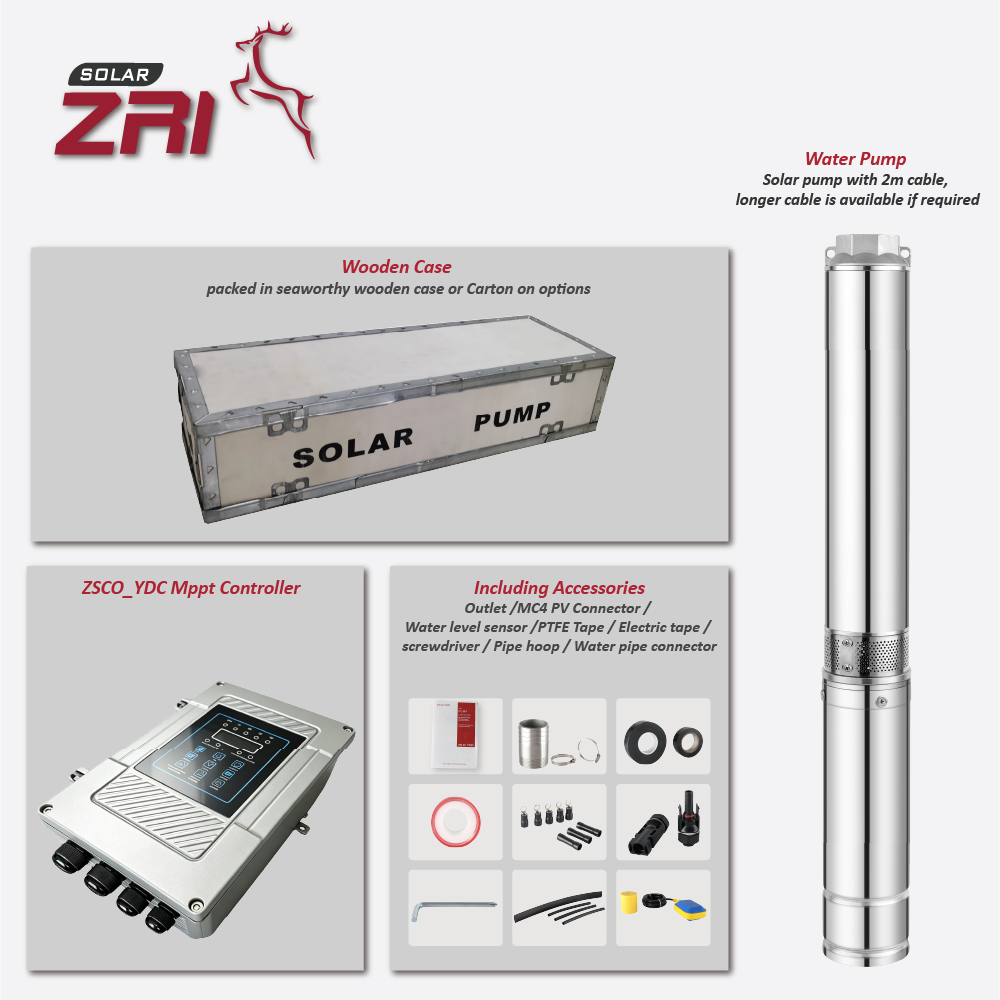
 Pump Accessories


 Mr Youkee Kong
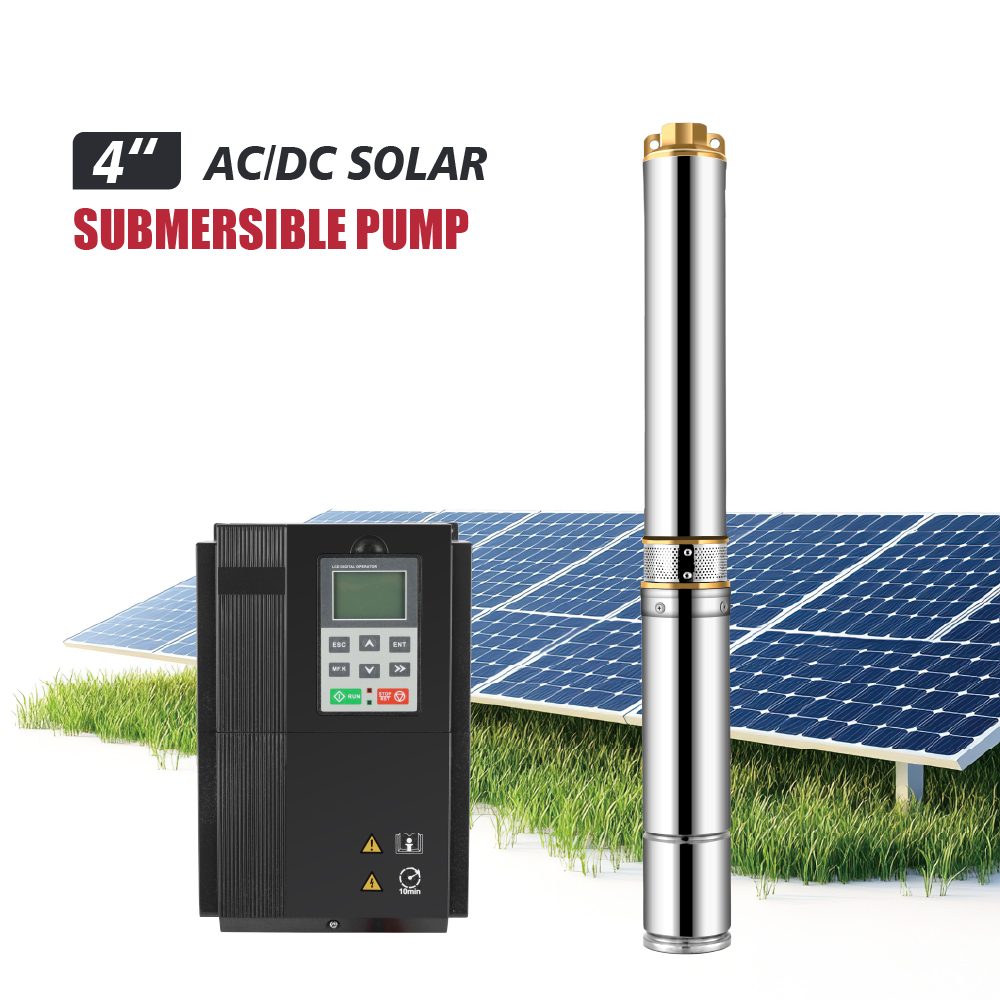
Choosing a Solar Borehole Pump by Casing Diameter, Not by Flow
A grower rings you with a 90 m borehole, a 4 inch casing and a demand for 6 cubic metres an hour at peak, and the first question is never about flow. The casing diameter of a finished solar borehole pump installation is the one number nobody can renegotiate afterwards, because the hole is already drilled and lined. Pick the pump to the hole first, then to the duty.
Why the casing diameter is the constraint you cannot renegotiate
Every other variable in a solar pumping design is adjustable after the fact. You can add panels, change the controller, resize the cable or move the tank. You cannot widen a borehole without drilling a new one, and that cost dwarfs the pump.
The pump body must sit inside the casing with a 2-3 mm annular clearance, and that gap is also the motor's cooling path. Water flowing past the motor shell carries away the heat, so a pump wedged into a tight or oval casing runs hot and loses years of life. Quoting a pump on head and flow alone, without the casing size in writing, is the single most common reason a solar borehole pump gets returned before it ever runs.
Two measurements belong on every enquiry form: the nominal casing size in inches, and the drift diameter the driller actually achieved. A 4 inch casing that has settled oval can reject a pump that would drop straight into a true 4 inch bore.
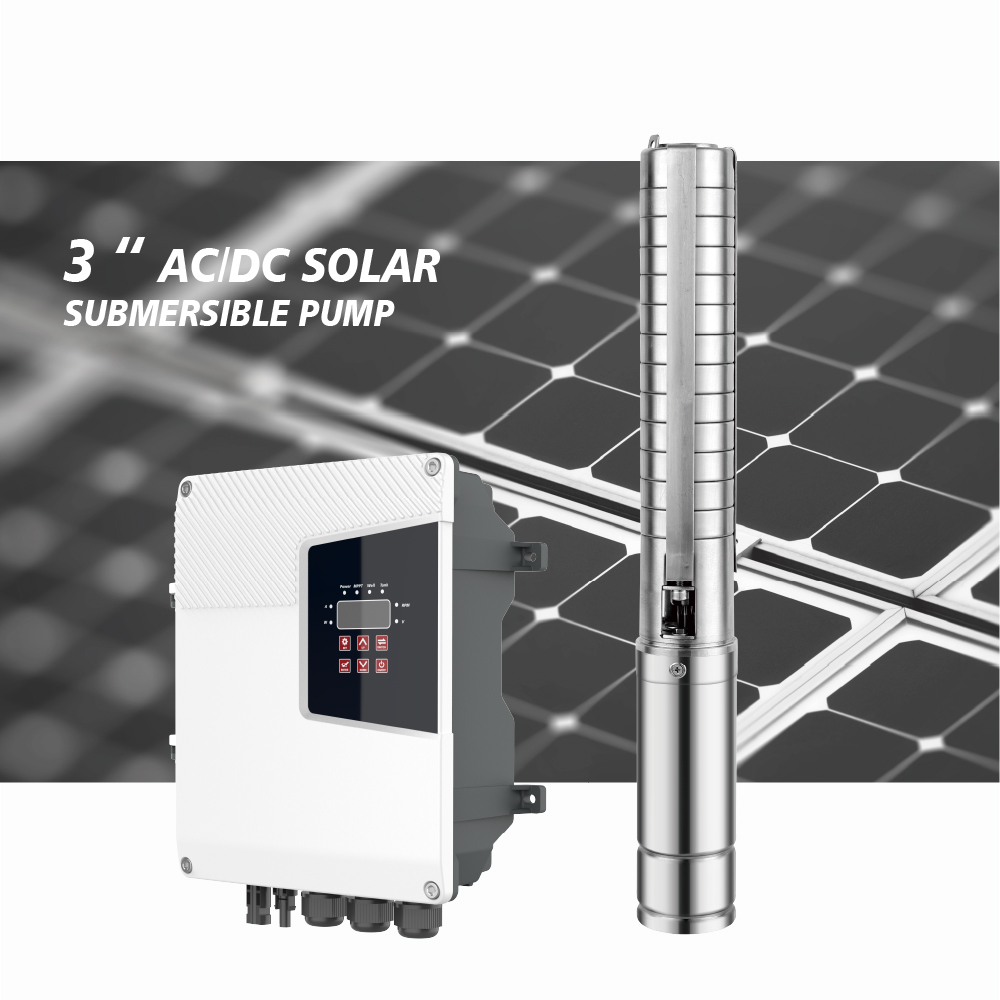
What does a 3 inch casing actually allow?
A 3 inch casing is what you get from a slim borehole drilled for a village supply, a monitoring well or a low-yield domestic hole. It caps the flow you can move, but it also opens a genuinely different set of machines.
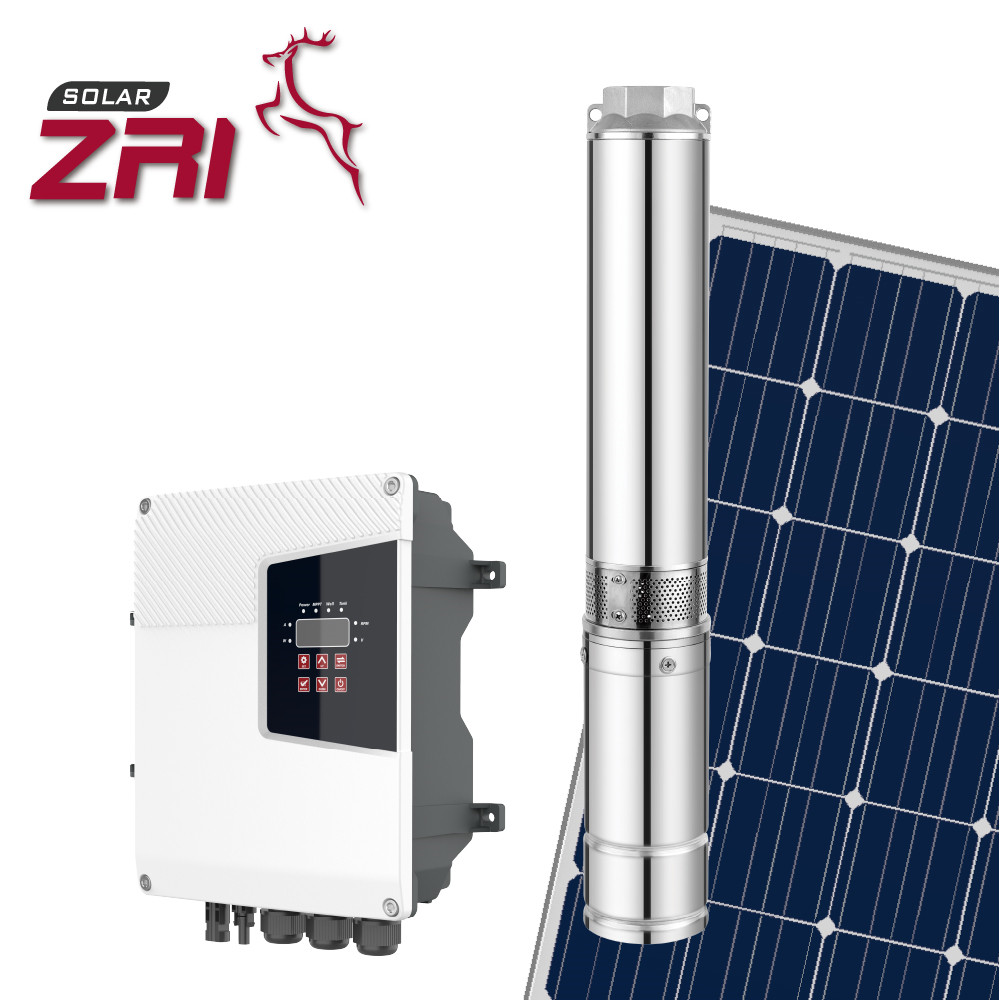
The Z3SC 3 inch solar centrifugal submersible borehole pump with a stainless steel impeller and MPPT controller carries head ratings of 95 m, 110 m and 130 m across its range, with motor power from 750 W to 1800 W and a 1.5 inch discharge, which is the size that fits a 3 inch hole and still leaves room for the cable.
Sell a 3 inch centrifugal unit where the water is clear and the depth is the problem, because head is what this format does well. Once the static level drops below about 60 m in a narrow hole, the centrifugal option usually runs out of duty before the screw option does.
When is a screw pump the better answer in the same hole?
Screw pumps, also sold as helical rotor units, trade flow for head and tolerate grit far better than a multi-stage centrifugal stack. That makes them the default on deep, low-yield and sandy boreholes.
The I3SS 3 inch helical rotor screw pump with a built-in MPPT controller spans head ratings of 28 m, 56 m, 77 m and 109 m on motor power between 80 W and 900 W, with a 0.75 inch discharge and a voltage window from 24 V to 110 V.
A built-in controller removes a separate enclosure, two cable runs and one more failure point on a pole in the middle of a field. For a single-borehole installation the built-in format is usually the cheaper and more reliable answer, while an external controller still wins on a multi-pump site where you want one serviceable box.
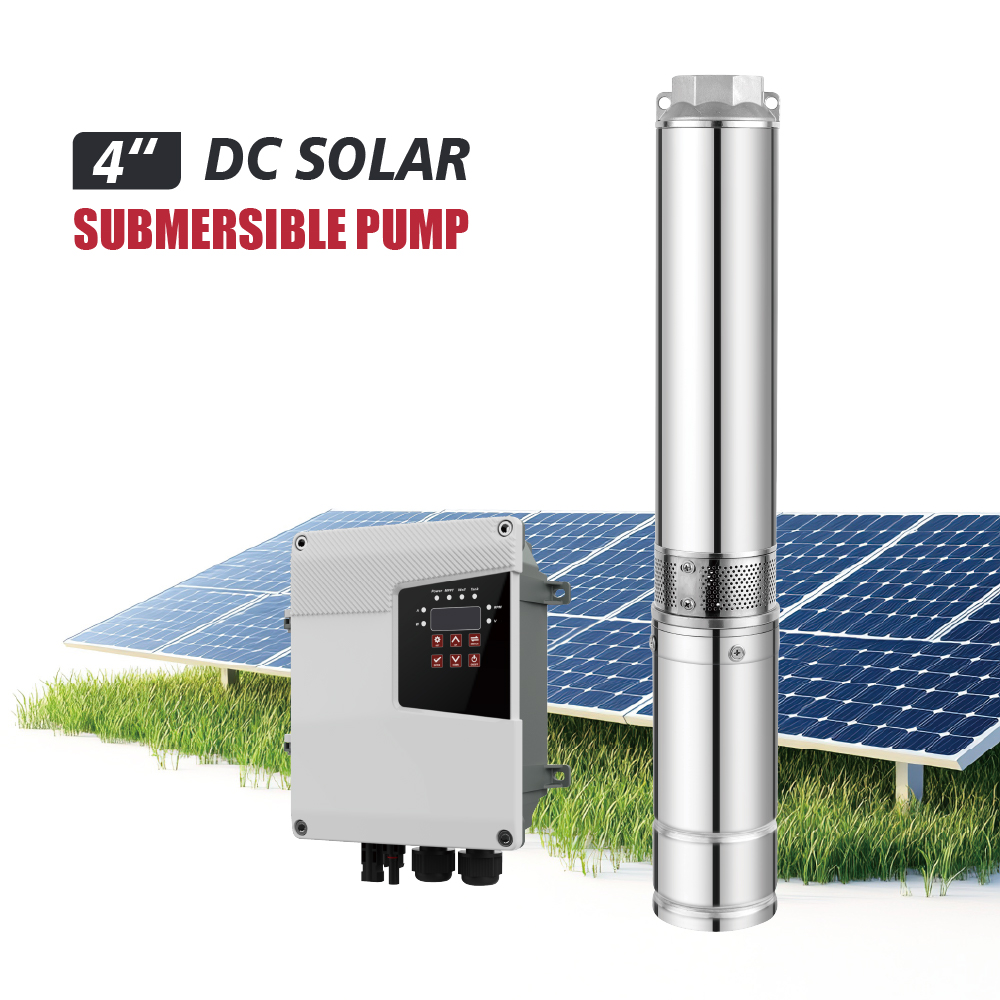
Why 4 inch is the workhorse size for irrigation dealers
Most agricultural boreholes land on a 4 inch casing, because it is wide enough for a useful flow and still cheap to drill. If you stock one size in depth, this is the one, and it is where the range has to be widest.
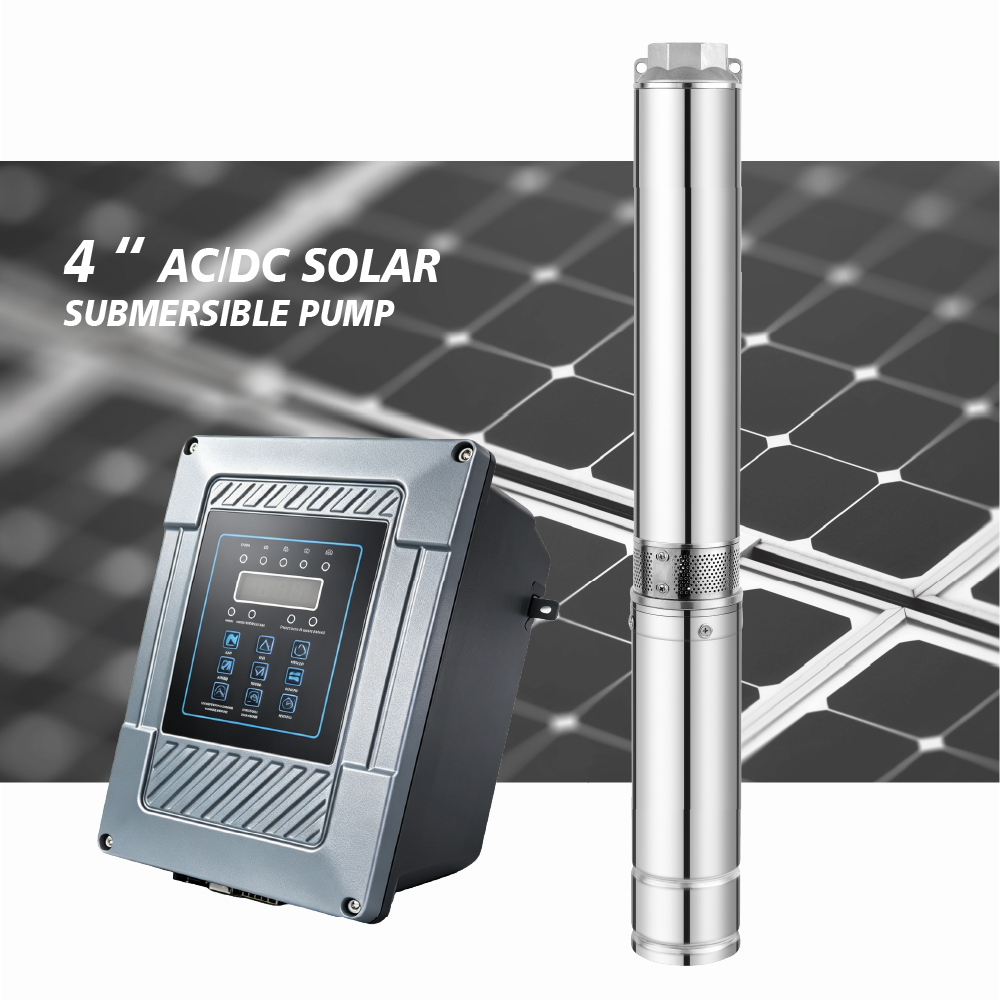
The 4 inch solar centrifugal submersible borehole pump with a plastic impeller and MPPT controller lists head ratings of 50 m, 65 m and 95 m at motor power from 400 W to 1600 W, running on 48 V to 250 V with a 2.0 inch discharge.
The 2.0 inch discharge is the practical signal here: it is what lets the same pump fill a tank, run a sprinkler ring or feed a drip manifold without a reducer. A plastic impeller keeps the entry price down and is the right call on clean water; move to stainless once the sand content climbs.
Should you spec a screw pump in a 4 inch hole instead?
The decision is not about diameter at this size, it is about what the water is carrying. A 4 inch hole gives you both formats, so the choice becomes a duty question rather than a geometry question.
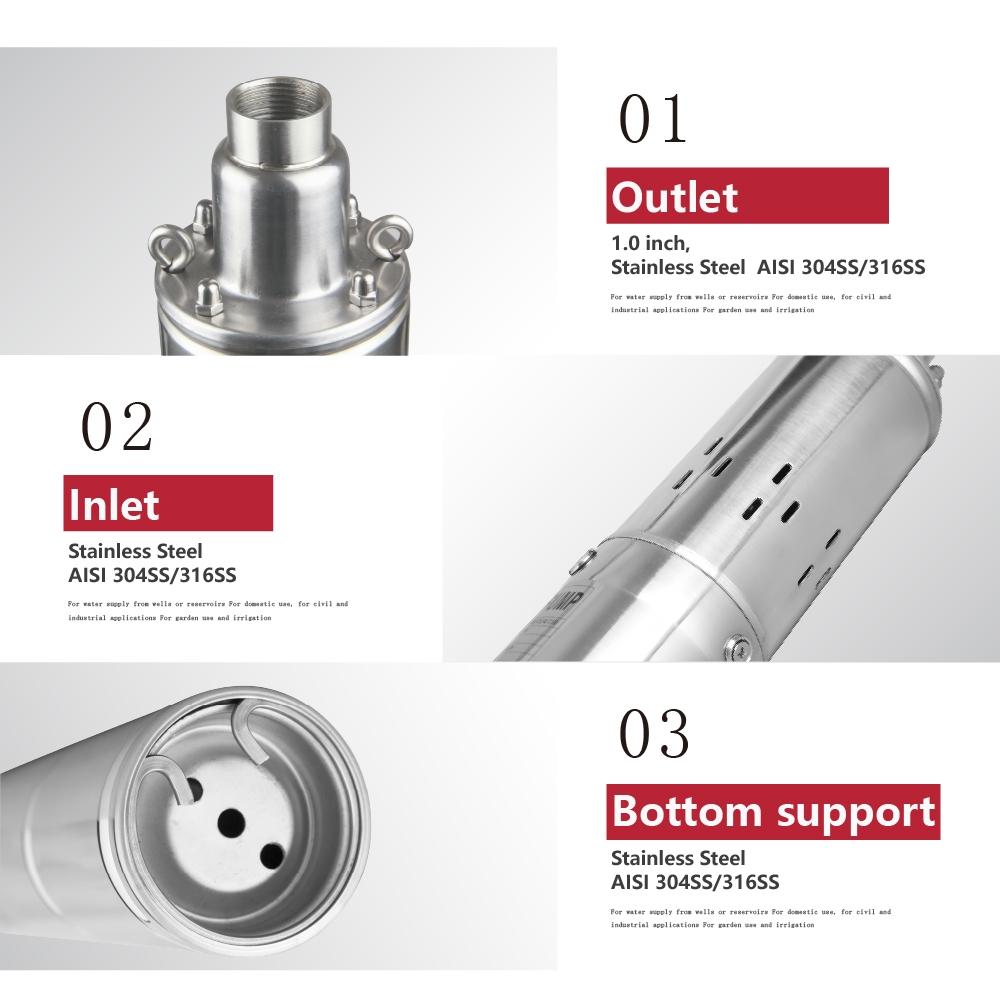
The 4 inch helical rotor solar screw pump with MPPT controller carries head ratings of 70 m, 95 m, 110 m and 150 m on 500 W to 1800 W, with a 1.0 inch discharge and a 48 V to 260 V input window.
A 150 m head rating on a 1.0 inch discharge tells you the trade immediately: this is a deep-lift machine, not a volume machine, and quoting it against a 6 cubic metre per hour sprinkler duty will disappoint the grower.
What changes at 6 inch and above?
Above 4 inch the conversation flips from head to volume. Large casings serve community supply, centre pivots and reservoir transfer, where the pump moves a lot of water a short distance up.
The 4/6 inch solar centrifugal submersible borehole pump with a stainless steel impeller and MPPT controller runs motor power from 1100 W to 2800 W on a 110 V to 450 V supply with a 3.0 inch discharge, which is where volume, not lift, becomes the reason to buy it.
A 3.0 inch discharge needs a matching rising main and a tank inlet that can take the surge, and both are line items that routinely get missed on the first quotation.
What to confirm before you quote any borehole pump
Six readings on one page remove almost every sizing argument that follows.
- Nominal casing size in inches, plus the drift diameter the driller measured.
- Static water level and the drawdown at your design flow, in metres.
- Total dynamic head including the lift, the friction in the rising main and the tank outlet.
- Daily volume in cubic metres, not an hourly peak, because the array is sized on the day.
- Sand content and water temperature, which decide impeller material and screw versus centrifugal.
- Supply voltage window and cable run length, since a long run at low voltage starves a correctly sized pump.
Write the casing size on the quotation in the same line as the model, so nobody discovers a 4 inch pump in a 3 inch hole on the day of installation.
The dealers who get this right stop asking which pump is best and start asking which pump fits the hole that already exists. Measure the casing, match the format, then match the duty, and the return rate on your solar borehole pump line drops to almost nothing.
Related Pages
- Sizing Solar Submersible Pumps for Community Water Projects
- Shipping Methods for Solar Pumps and How to Reduce Costs
- How to Build a Distributor Network for Solar Pumps in Remote Areas