
 DC SOLAR SUBMERSIBLE PUMP
 AC/DC Solar submersible Pump
 DC Solar Surface Pump
 AC/DC solar surface Pump
 Solar swimming Pool Pump
 Built-in Controller Solar Pump
 Solar Pump inverter
 Pump Accessories


 Mr Youkee Kong




Matching Pump Type to Water Source: Screw, Centrifugal and Surface Solar Pumps for Boreholes, Wells and Open Water
The Pump Was Correctly Sized and Still Failed in Four Months
An irrigation dealer supplying smallholder farmers sold a correctly sized submersible pump into a new borehole. The head calculation was right, the array was right, and the flow on commissioning day met the design figure. Four months later the unit was pulled for the second time, and the impellers were visibly worn and the diffusers were scored. The pump had not been misapplied in the way most failures happen. It had been matched to the duty but not to the water. The borehole produced fine sand along with the water, and a close-tolerance multistage centrifugal design has very little tolerance for abrasive content. The replacement cost, the downtime during the growing season and the loss of confidence in the dealer all came from one question that was never asked at the point of sale: what is actually in the water.
Start From the Source, Not From the Catalogue
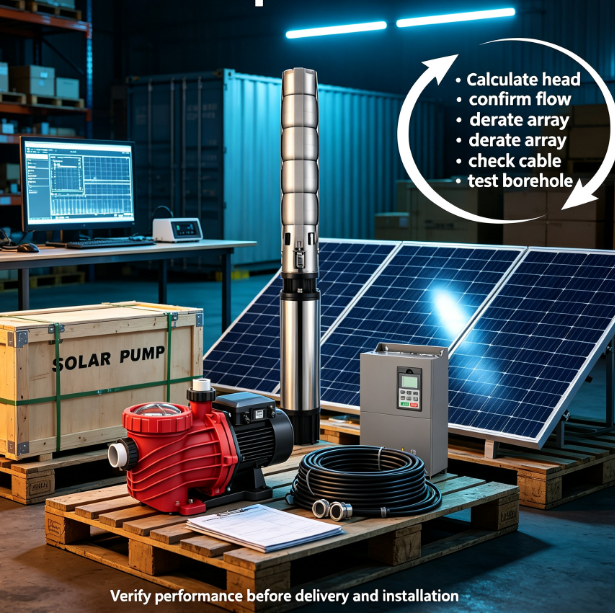
Most pump selection conversations begin with flow and head, which is necessary but not sufficient. Begin instead with a source description: the water body type, the depth to water, the sustainable yield, the sand or silt content and the chemistry. Those five facts eliminate most of the catalogue before any performance curve is consulted. Selecting from the curve first and checking the source afterwards is the standard path to a premature failure.
Depth and diameter are the hardest constraints, because they cannot be negotiated. The borehole casing diameter decides the maximum pump body diameter, and that single dimension often rules out an entire family. Confirm the casing size and the static and dynamic water levels in writing before quoting, and if the customer cannot provide them, treat the missing data as a reason to visit the site rather than to estimate.
Boreholes: Multistage Centrifugal vs Screw Designs
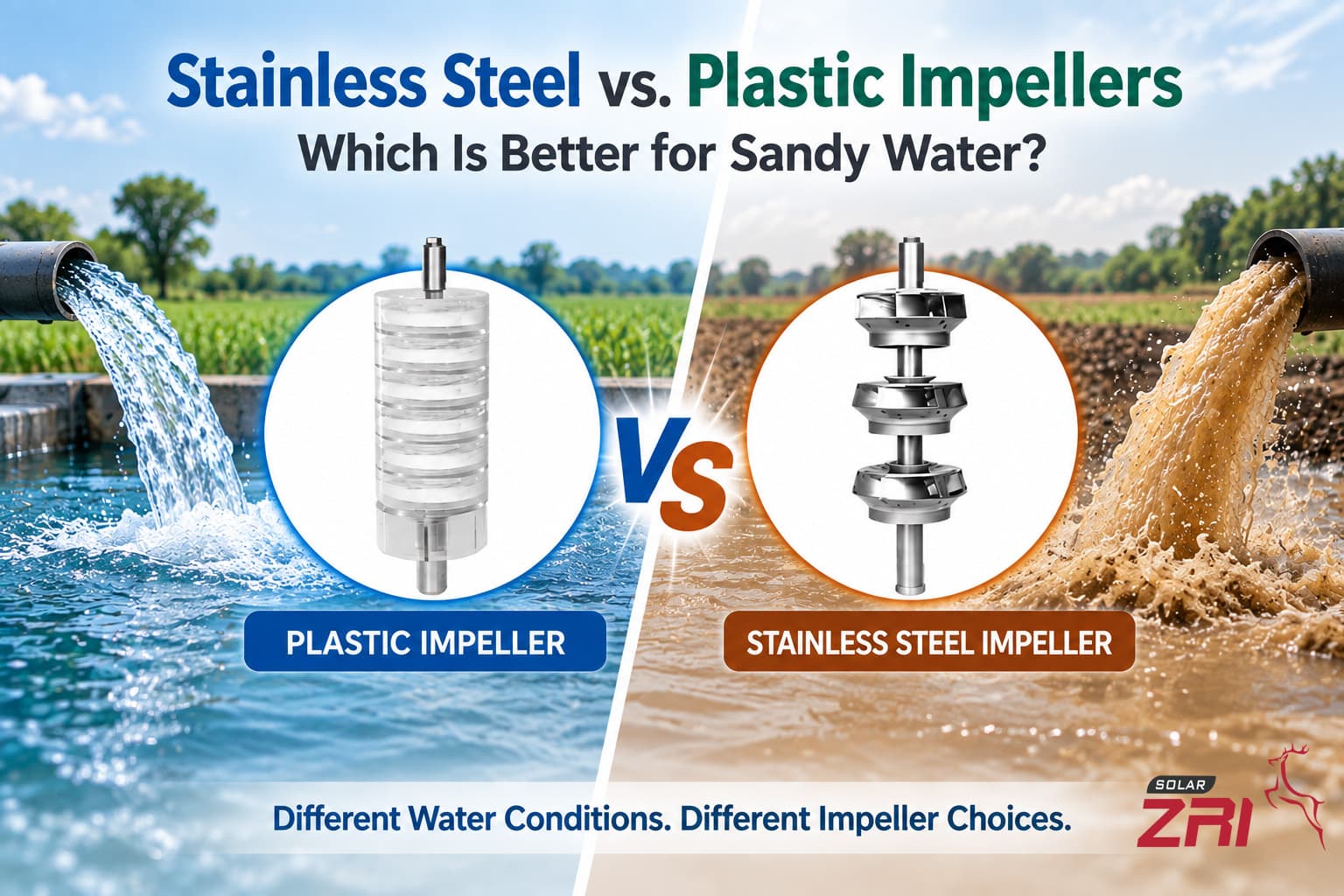
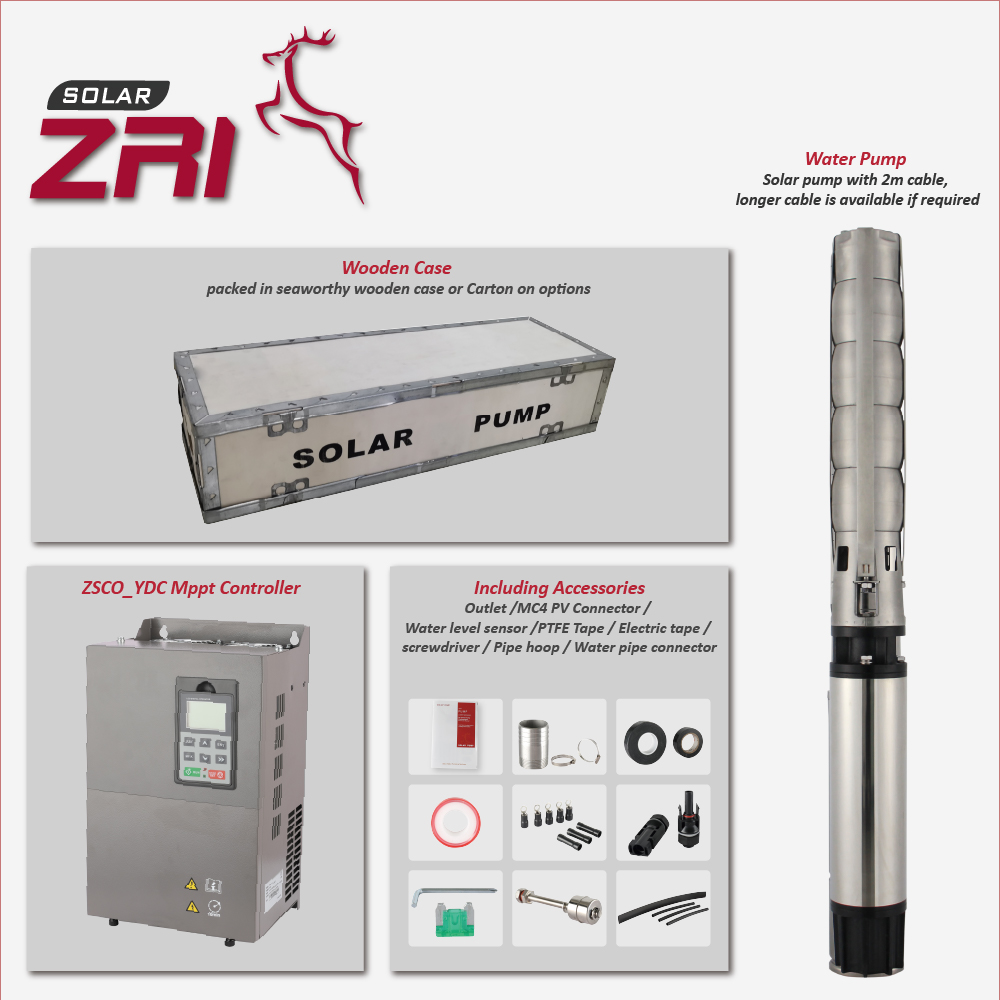
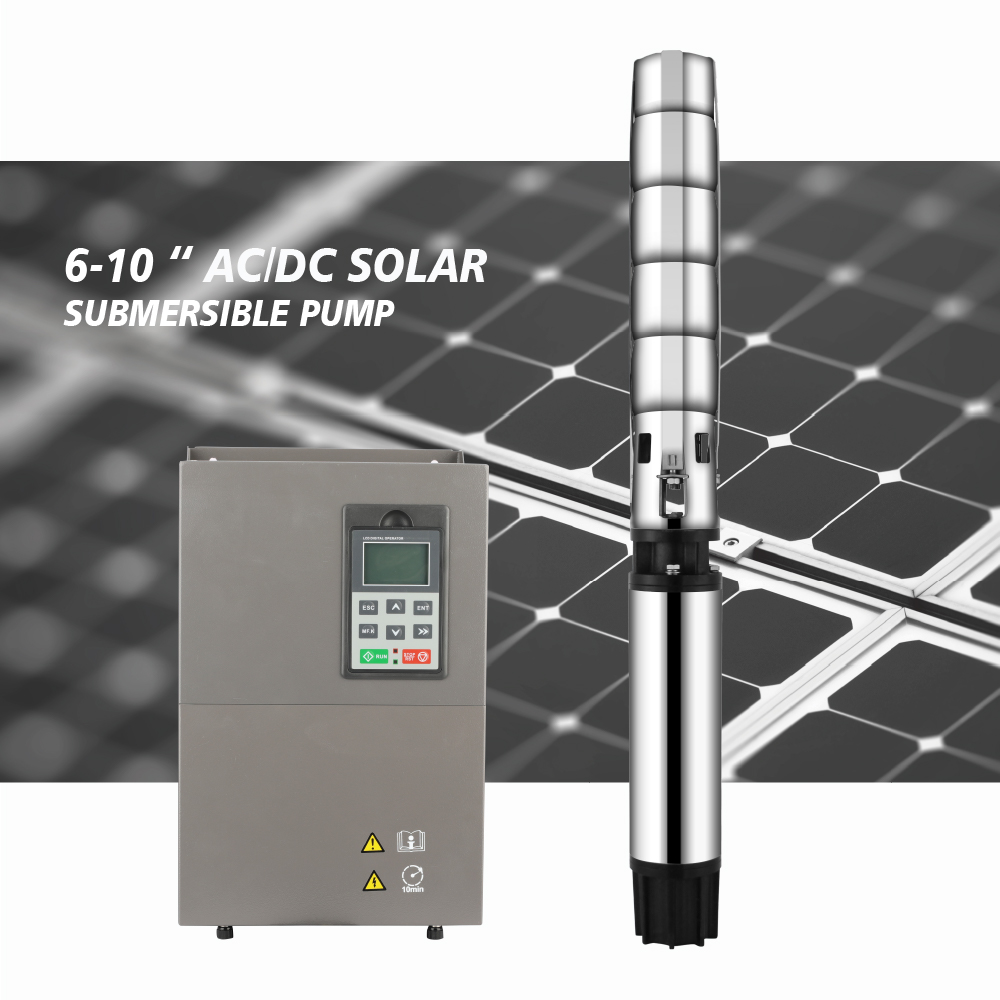
For a clean borehole with reasonable yield, a multistage centrifugal submersible is efficient and well understood, and a four inch AC DC hybrid solar submersible pump gives the additional benefit of automatic switching between solar and grid supply when the array cannot carry the load. The limitation is abrasive tolerance: the close clearances that make the design efficient are the same clearances that sand destroys.
A screw or progressive cavity design tolerates sand and higher viscosity far better, at the cost of efficiency at higher flow rates. It is the correct answer for small diameter boreholes, sandy aquifers and low flow, high head duties. Fitting a screw pump where a centrifugal would run cleanly wastes energy for the life of the installation, and fitting a centrifugal into sandy water wastes the pump. Ask for a sand content figure, even a rough one, and let it decide the family.
Open Wells, Rivers and Ponds: Where Surface Pumps Belong
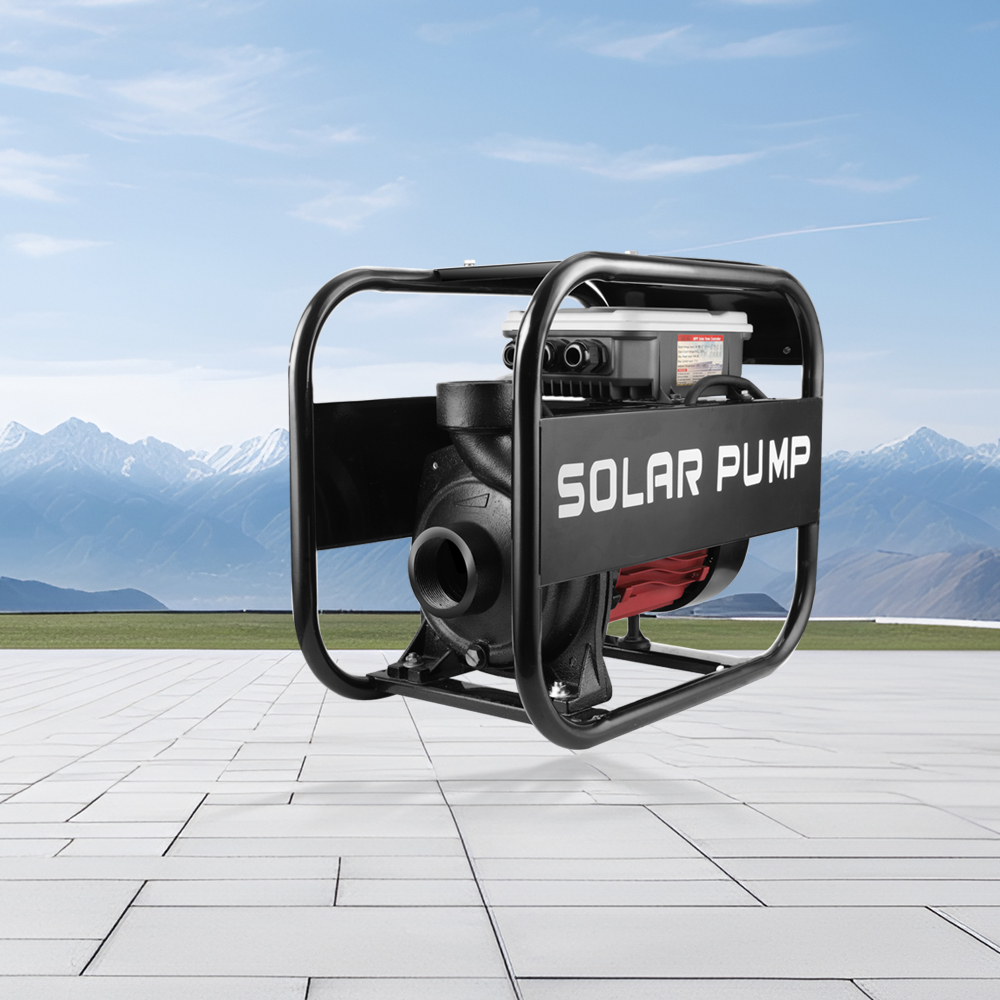
Not every source needs a submersible. Where the water level is shallow and accessible, a solar DC surface water pump is far easier to install, inspect and repair, which matters enormously in remote installations where a pump retrieval is a major operation. The hard limit is suction lift: a surface pump cannot lift water beyond a physical limit set by atmospheric pressure, and that limit falls further with altitude, temperature and suction pipe losses. Calculate the actual suction lift including pipe friction and altitude derating before promising a surface solution, because a pump that cavitates at the site is a pump that will be returned.
Debris is the other consideration for open water. Specify a strainer or a floating intake appropriate to the source and make it part of the quotation rather than an optional extra. An unstrained intake in a canal or pond will block, and the dealer will be blamed for a problem that was never in the scope.

Duty Profile: Irrigation, Livestock and Community Supply
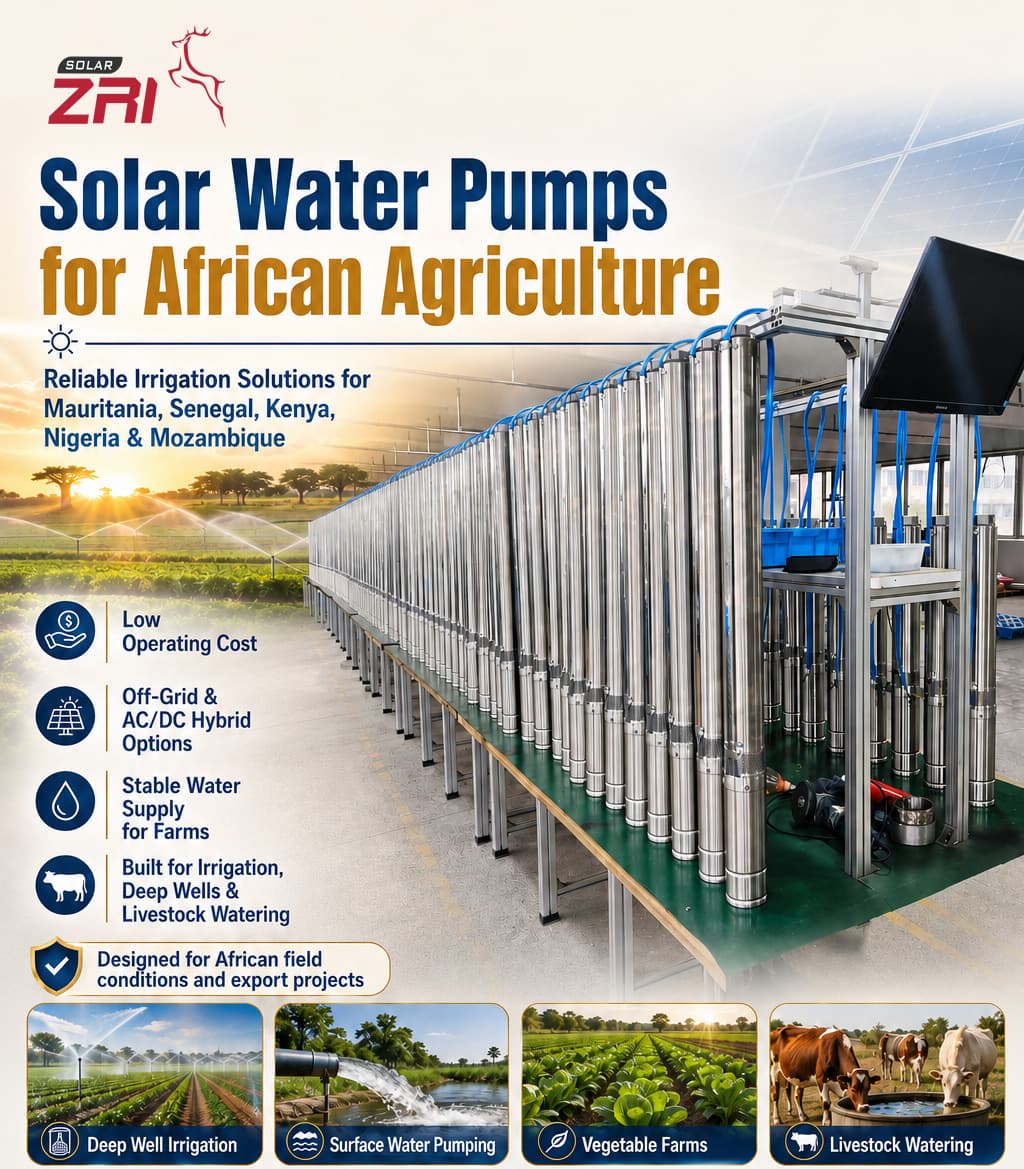
The application shapes the design as much as the source does. A solar pump specified for agricultural irrigation runs long hours in the middle of the day when the array output peaks, which suits solar operation well. Livestock watering is intermittent and often needs reliable low flow rather than peak volume. Community supply demands the highest reliability and the most serviceable configuration, because downtime affects an entire settlement.
A commercial solar water pump for a community scheme should be specified with spare parts availability and local service capability as explicit requirements, not as afterthoughts.
The Controller Must Match the Pump and the Array
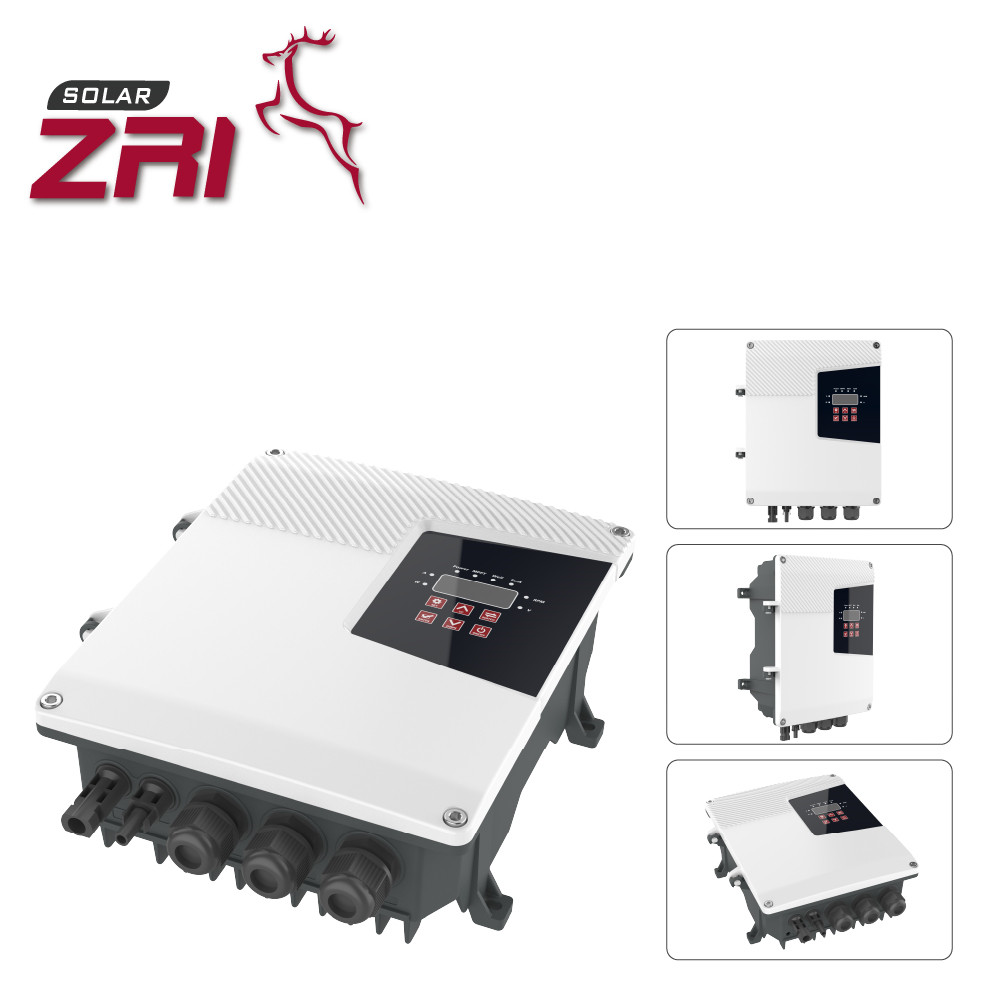
Selection is incomplete without the controller. A pump and a controller that are individually sound can still perform badly together if the motor type and the drive strategy do not align. Confirm the motor type, the accepted input voltage range, the maximum current and the protection functions, including dry run, over current and over temperature. A solar water pump controller with configurable protection thresholds lets the dealer tune the installation to the source instead of accepting a factory default that may trip constantly in marginal conditions.
The Bottom Line
Select the pump family from the water source first, then the model from the duty curve, and never skip the sand content and suction lift questions. Treat the controller, the intake strainer and the spare parts plan as part of the specification, because they decide whether the installation survives its first season. The dealer who sells from the performance curve alone will keep pulling pumps out of boreholes, and the cost of each retrieval falls on their own reputation.