
 DC SOLAR SUBMERSIBLE PUMP
 AC/DC Solar submersible Pump
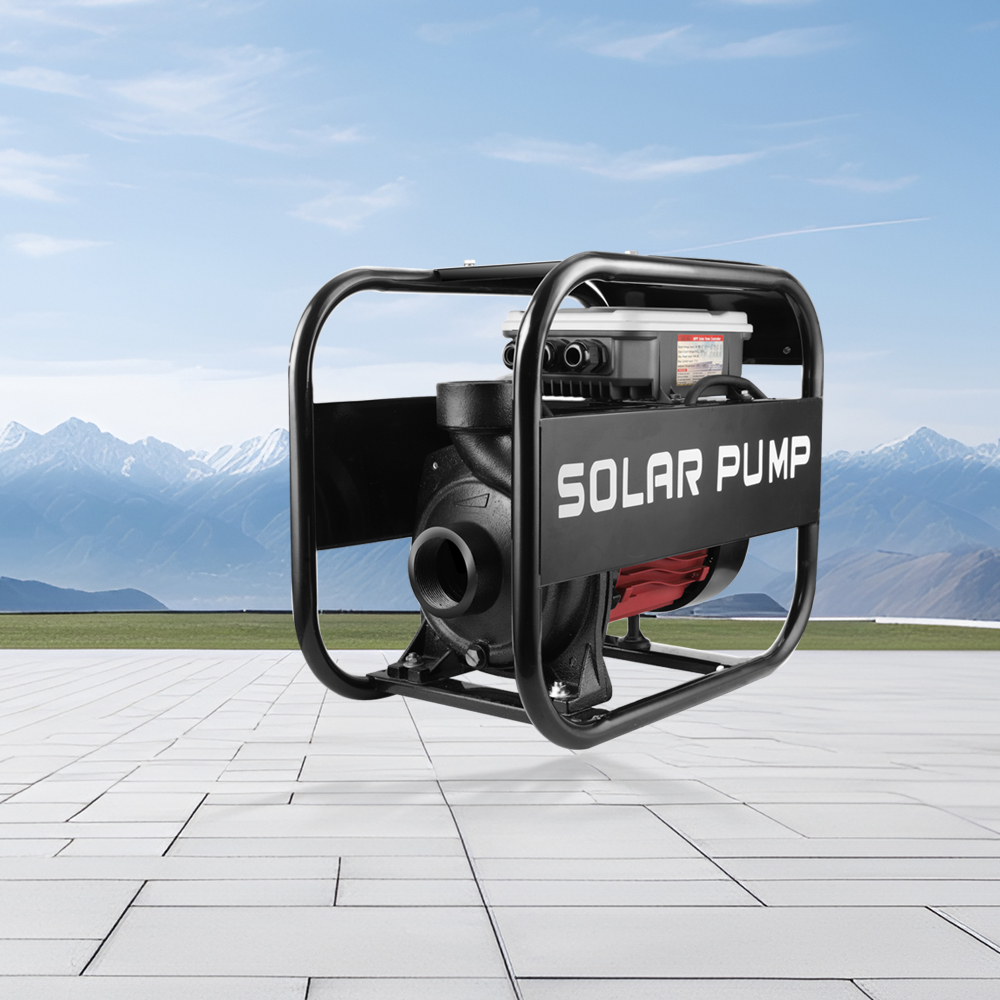
 DC Solar Surface Pump
 AC/DC solar surface Pump
 Solar swimming Pool Pump
 Built-in Controller Solar Pump
 Solar Pump inverter
 Pump Accessories


 Mr Youkee Kong



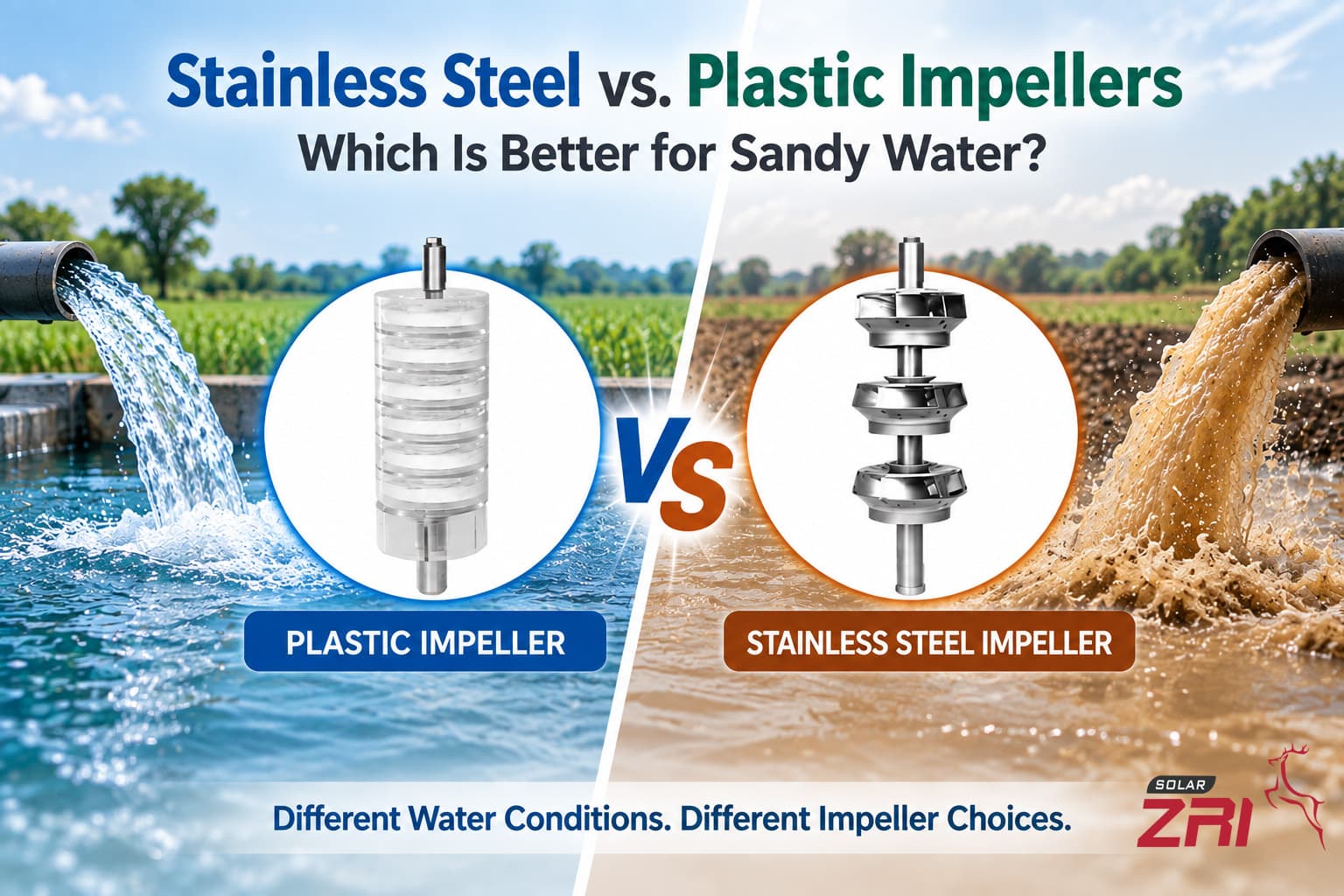
Plastic or Stainless Steel Impeller: How Solar Borehole Pump Buyers Match Impeller Material to Sand, Depth and Budget
Two Identical Installations, Two Different Outcomes
A dealer in a semi-arid region installed two solar borehole pumps in the same district, three kilometres apart, on the same week. Both were correctly sized, both were commissioned properly, and both drew from boreholes drilled by the same contractor. Eighteen months later one pump was still delivering full flow and the other had lost close to forty percent of its output, with an impeller so badly worn that the service technician could feel the damage through the housing. The difference was not the pump brand or the array. One borehole was producing fine sand at around fifty parts per million and the other was clean. The pump with the stainless impeller was in the sandy well. The one with the engineering-plastic impeller was in the clean one, and it would have been the correct choice anywhere else. Impeller material is the single most under-valued line on a solar pump specification, and it is decided by water quality more than by anything else.
What the Impeller Actually Does With Sand
A solar submersible pump's impeller spins at several thousand revolutions per minute and pushes water through narrow channels at high velocity. Any entrained sand becomes an abrasive in that flow. By the time a farmer complains about low pressure at the far end of the field, the wear has been accumulating for a season, and it is not reversible. This is why the material decision belongs at purchase, not at repair.
Test the Water Before You Specify the Pump
Every solar pump dealer should own a simple sand-content test and use it before quoting. Under about twenty parts per million is generally benign for most pump types. Between twenty and fifty warrants careful material selection. Above fifty, a standard close-coupled design is the wrong machine regardless of impeller material. Recording that number on the quotation protects the dealer twice: it justifies the specification and it documents the water condition if a warranty claim is ever argued.
Where Plastic Impellers Are the Better Buy
Modern engineering polymers are not a cost-cutting measure in solar pumps; they are a deliberate engineering choice with real advantages. In a clean borehole with modest sand content, a plastic impeller will frequently outlast a stainless one because there is no corrosion fatigue and no galvanic interaction with the housing. A 3 inch DC plastic impeller deep well solar water pump is the sensible default for clean three-inch boreholes, and the saving funds a better controller.
The same logic scales up. For larger four-inch boreholes feeding irrigation or community supply, a 4 inch solar centrifugal submersible borehole pump with plastic impeller and MPPT controller delivers the head and flow most agricultural jobs need while keeping the replaceable wear parts affordable.
Where Stainless Steel Justifies the Premium
Stainless impellers earn their price in three conditions: abrasive water, high head, and long run hours. In water carrying fine sand, a stainless impeller resists the erosive rounding that destroys polymer vanes, and the difference in service life can be measured in years rather than months. High-head applications compound the effect, because the higher the velocity through the impeller channels, the faster abrasion proceeds. Where a dealer knows a district has sandy aquifers, standardising on stainless across that district removes an entire category of callback. A 3 inch DC stainless steel impeller deep well solar pump is the correct specification in exactly those conditions.
Read the Whole Material Specification, Not One Line
Impeller material does not work alone. A stainless impeller running against a polymer diffuser, or a stainless impeller in a housing casting with a different corrosion potential, transfers the problem rather than solving it. Ask for the material of the impeller, the diffuser or bowl, the shaft and the strainer, and check they are compatible with each other as well as with the water. Dealers who specify only the impeller sometimes pay more and get no improvement, which is how the material question acquired an undeserved reputation for being just a price lever.

Sand Management Is Cheaper Than Material Upgrades
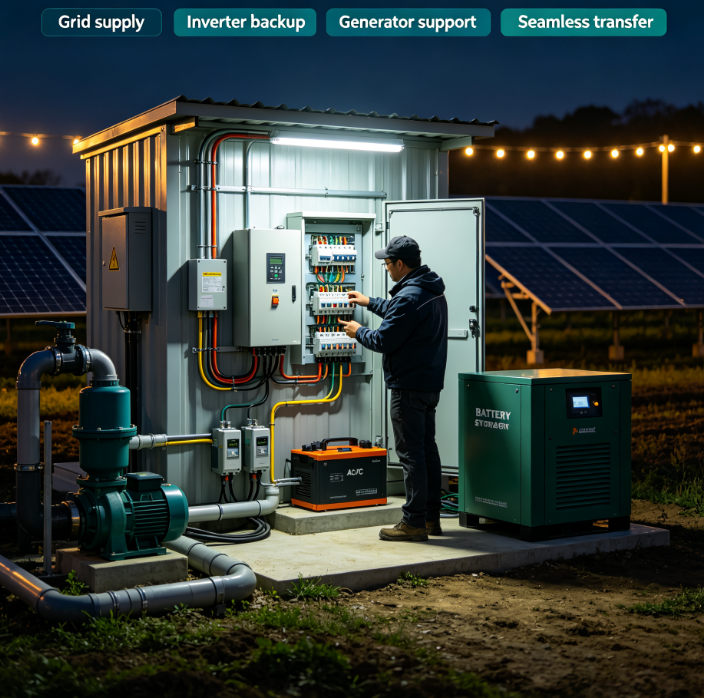
Before reaching for the most expensive impeller, consider reducing the sand. A pump installed fifty centimetres higher in a properly developed borehole often outlasts a premium pump installed badly. Where a hybrid machine serves a site with grid backup and long daily run hours, a 4 inch AC DC hybrid solar water pump with automatic switching paired with good sand management is a more durable answer than material choice alone.
Match Material to Application Scale
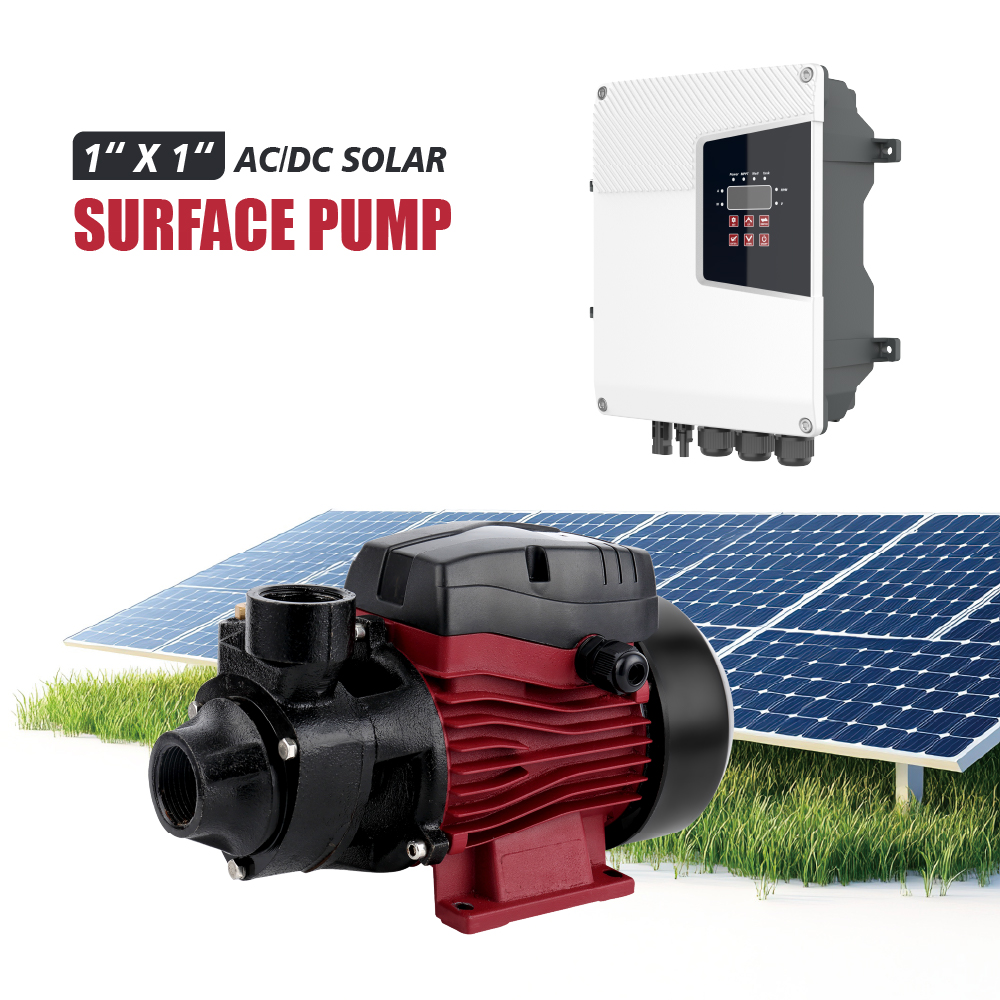
Small-scale agricultural and garden supply does not need the same material investment as a village supply scheme. A one or two hectare drip installation running a few hours a day can be specified economically, while a community scheme expected to run for a decade with limited maintenance access should be over-specified on materials from the start. The right question is not which material is better but how expensive a failure is at this particular site. For smaller plots, a brushless 1 inch solar water pump for farm irrigation keeps the capital cost proportionate to the output it protects.
A Decision Sequence Worth Standardising
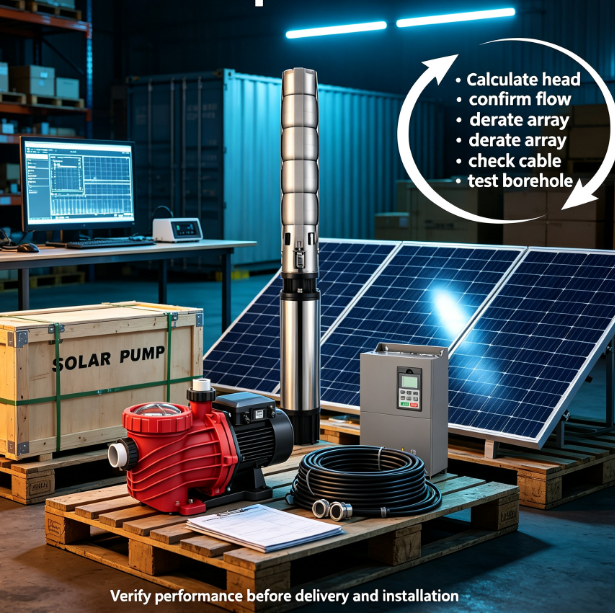
Use this order on every borehole enquiry. One, measure sand content. Two, confirm required head and daily volume. Three, estimate daily run hours. Four, decide the maintenance access cost. Five, then select impeller material and diffuser material together. Six, record all five on the quotation so the specification is defensible later. Dealers who run this sequence stop having warranty arguments, because every claim against them is answered by a documented water test.
The Conclusion Worth Acting On
The impeller is the wear part that determines whether a solar pump installation is remembered as reliable or as a problem. Test the water, read the head and run hours, match impeller and diffuser material together, and spend something on sand management before spending everything on materials. The dealers who do this sell the second and third installation in the same district; the ones who do not spend those years handling complaints.