DC SOLAR SUBMERSIBLE PUMP
 AC/DC Solar submersible Pump
 DC Solar Surface Pump
 AC/DC solar surface Pump
 Solar swimming Pool Pump
 Built-in Controller Solar Pump
 Solar Pump inverter
 Pump Accessories


 Mr Youkee Kong





Pump, Array or Controller: The Diagnostic Sequence Solar Pump Dealers Use to Cut Unnecessary Truck Rolls
Three Truck Rolls and the Pump Was Never the Problem
An irrigation dealer sent a technician to a village borehole three times in one season for the same complaint: the pump had stopped delivering water. The first visit replaced the pump, the second visit replaced the pump again, and the third visit finally found a corroded connector in the array wiring four metres from the controller. The pump had been healthy every time. What the dealer lacked was a fixed diagnostic sequence, so each visit started from the most expensive hypothesis instead of the cheapest one. In solar water pumping the majority of field failures are electrical and environmental, not mechanical, and a dealer without a sequence pays for that with parts, warranty claims and reputation.
Always Prove the Source Before Blaming the Hardware
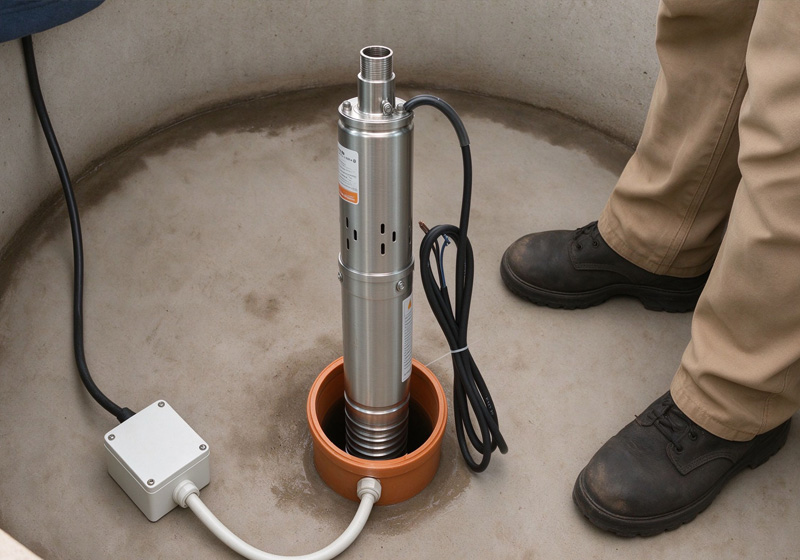
Every diagnosis should begin with the two things nobody wants to check: the sun and the water. A pump that worked in March and stopped in August may simply be facing a shaded array or a water table that has dropped below the intake. Before opening any toolbag, record the time of day, the irradiance conditions, the standing water level in the well and the reading on the controller display, and photograph all four. Skipping this step is how a healthy pump gets condemned, and a condemned pump under warranty becomes your cost rather than the customer's. A one-page field record card with those four fields prevents most unnecessary replacements.
Read the Controller Before You Touch the Pump
The controller is the cheapest diagnostic instrument on the site and it is almost always ignored. Check input voltage from the array under load, check the displayed error or status code, and check whether the unit is in a low-light, dry-run, over-current or over-temperature state before anything is disconnected. A dry-run lockout looks identical to a pump failure from the outlet side, and the difference is a sensor wire rather than a motor. Where a controller stores a fault history, read it out rather than resetting it, because the history often contains the intermittent fault that the current reading hides.
Split the Electrical Path Into Three Measurements
Array problems hide in the joints rather than in the panels. Measure open-circuit voltage at the array, then at the controller input, then at the pump leads, and compare the three; a healthy system loses very little between the first and the third. A large drop between the array and the controller input points at connectors, rodent damage or undersized cable, and replacing the pump will not change the reading by one volt. A forty amp MPPT solar charge controller sitting between the array and the motor is the natural place to take those readings, and it should be the first item checked on any no-water call.

Mechanical Failure Has a Distinct Signature
When the pump really is the fault, it usually announces itself. A three inch DC deep well screw solar water pump that has picked up abrasive sand will show rising current, falling flow and a change in running sound long before it stops completely. A sudden stop with normal current is electrical; a gradual decline in output with rising current is mechanical or hydraulic. That single distinction tells the technician whether to pull the pump or to keep testing, and it is the most useful rule a dealer can teach a field team.
Hybrid Units Add a Switching Failure Mode
Units that run on both solar and grid power introduce a fault class that pure DC systems do not have. A four inch AC and DC hybrid solar submersible pump with automatic switching may run perfectly on one source and fail on the other, which is often reported by the user as "it stopped working". Test each source independently and confirm the switching behaviour with the source removed and restored, then note which source the fault appears on. A hybrid pump replaced for a grid-side switching fault will come back through the warranty channel as a pump failure, and the dealer absorbs both the part and the labour.
Centrifugal and Screw Designs Fail Differently
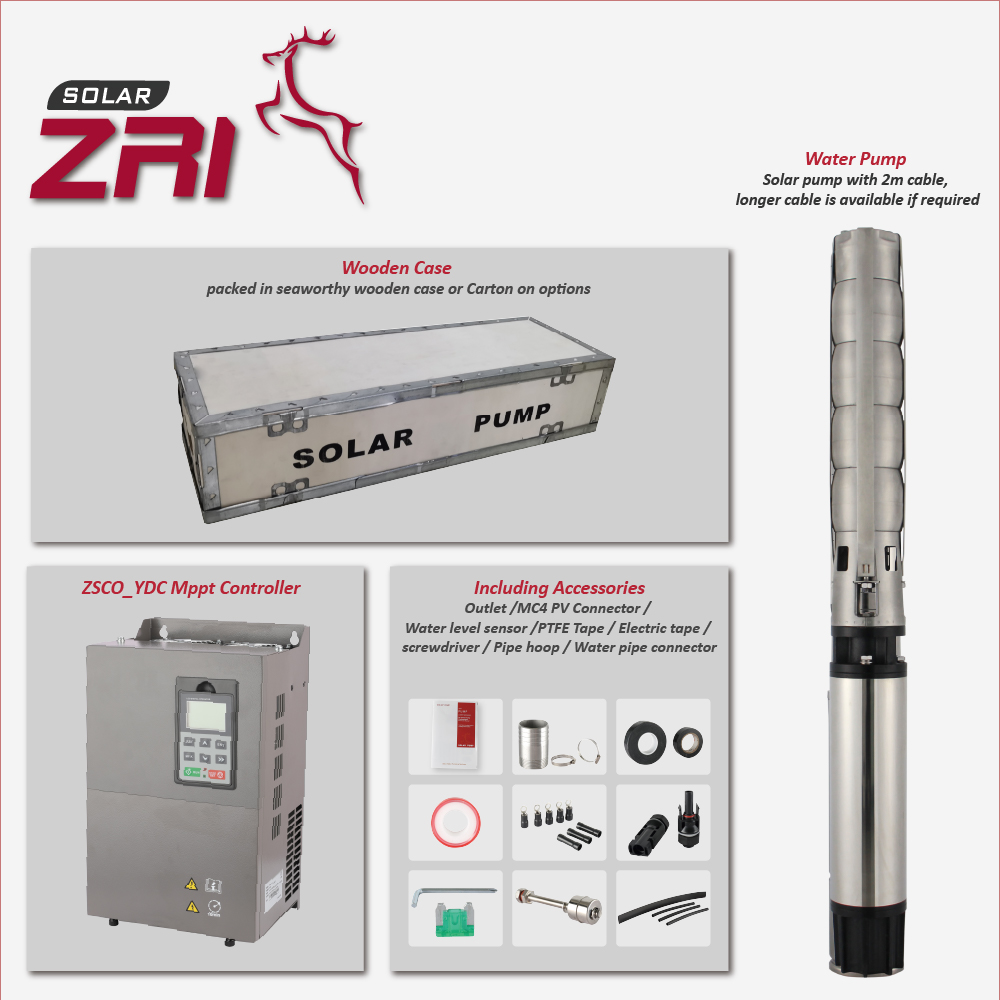
The failure signature also depends on the hydraulic design. A four inch solar centrifugal borehole pump with a plastic impeller and MPPT controller is more sensitive to running off its design curve, so a change in head from a falling water table shows up as a flow problem rather than a hard fault. Before condemning the pump, compare the current operating head against the head the system was originally sized for, because a well that has dropped five metres can take a correctly sized pump out of its efficient range. This is a sizing question, not a repair.
Seasonal Demand Changes the Diagnosis
Irrigation systems are specified for a peak season and then expected to deliver outside it. A solar water pump specified for agricultural irrigation that performs well in the wet season and disappoints in the dry season is usually reporting a water source or array sizing issue, not a defect. Keep a commissioning record with the original flow, head and array figures at every installation, so a later complaint can be compared against the day the system was handed over instead of against the customer's recollection. Dealers who hold these records win the argument and keep the account.
Write the Sequence Down and Train to It
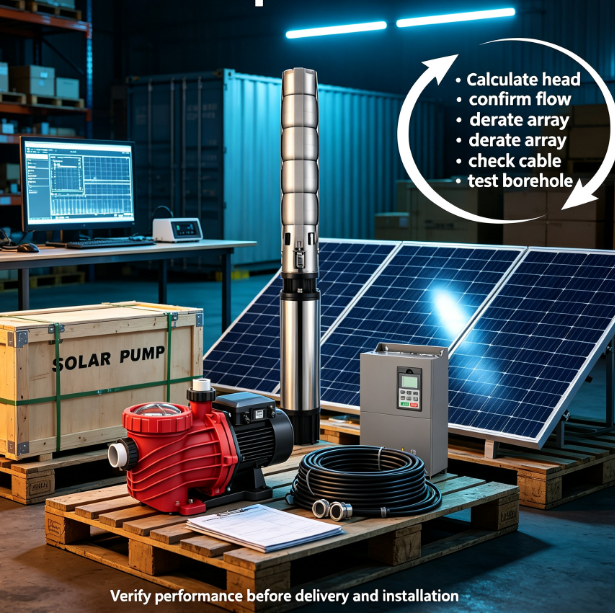
Fix a five-step order: record conditions, read the controller, take three voltage measurements, classify the signature as electrical or mechanical, and only then pull the pump. Give every technician a printed card, require the record to be filled in before any warranty claim is accepted, and review the cards quarterly. Most warranty cost in this business is not defective product; it is a correct product removed by a diagnosis that started at the wrong end of the system. The sequence costs nothing and pays for itself on the first avoided truck roll.