
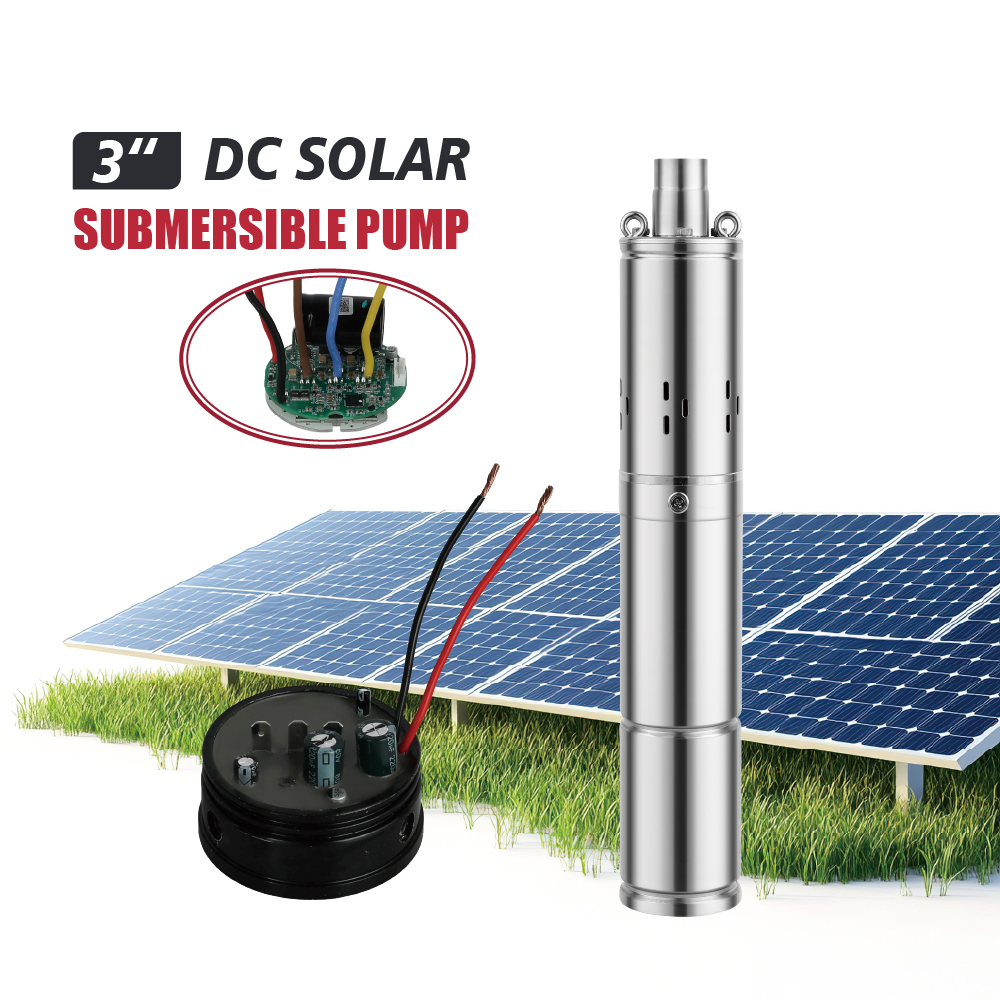
 DC SOLAR SUBMERSIBLE PUMP
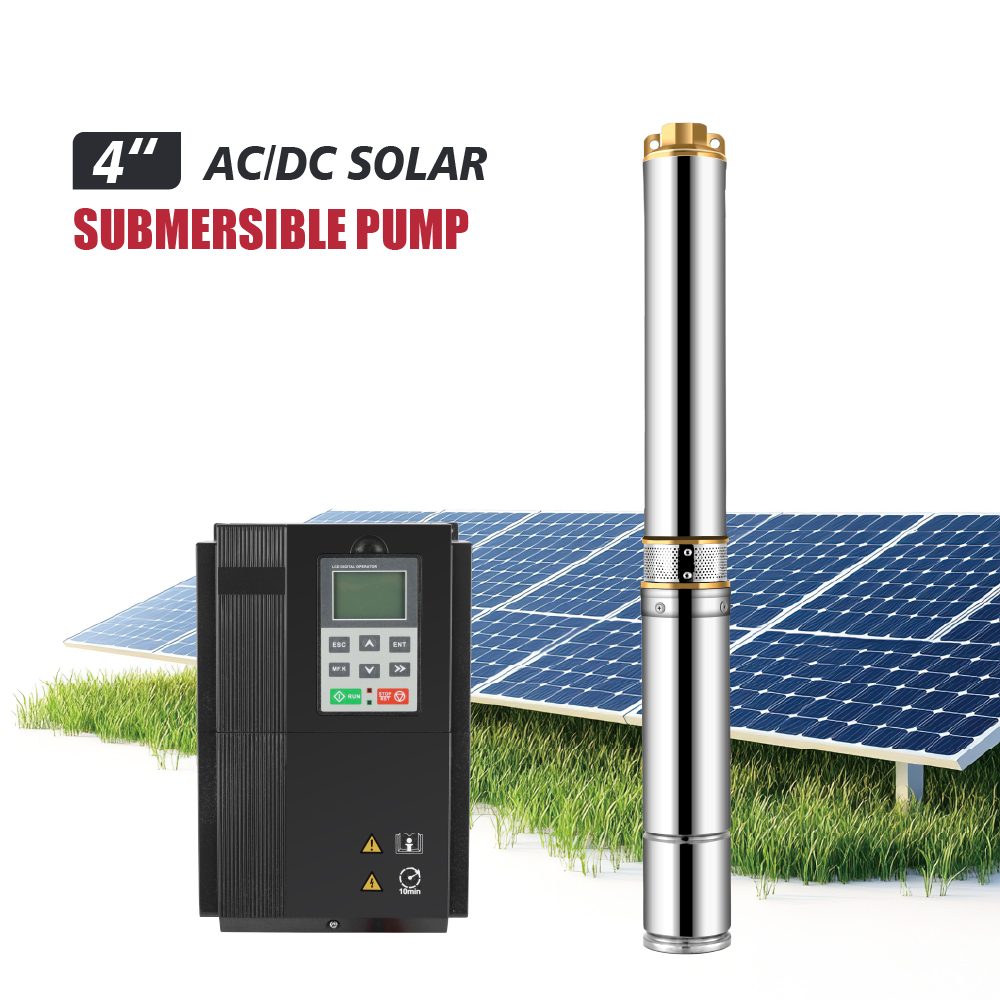
 AC/DC Solar submersible Pump
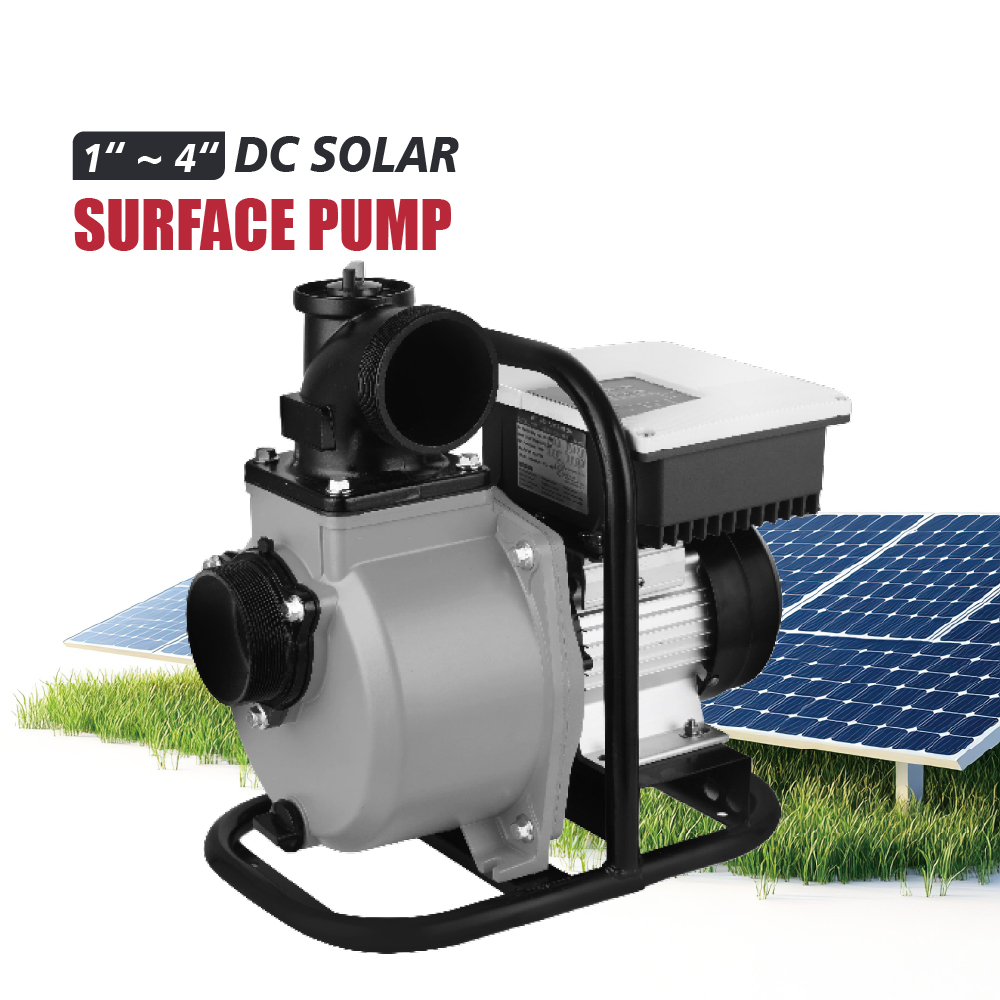
 DC Solar Surface Pump
 AC/DC solar surface Pump
 Solar swimming Pool Pump
 Built-in Controller Solar Pump
 Solar Pump inverter
 Pump Accessories


 Mr Youkee Kong
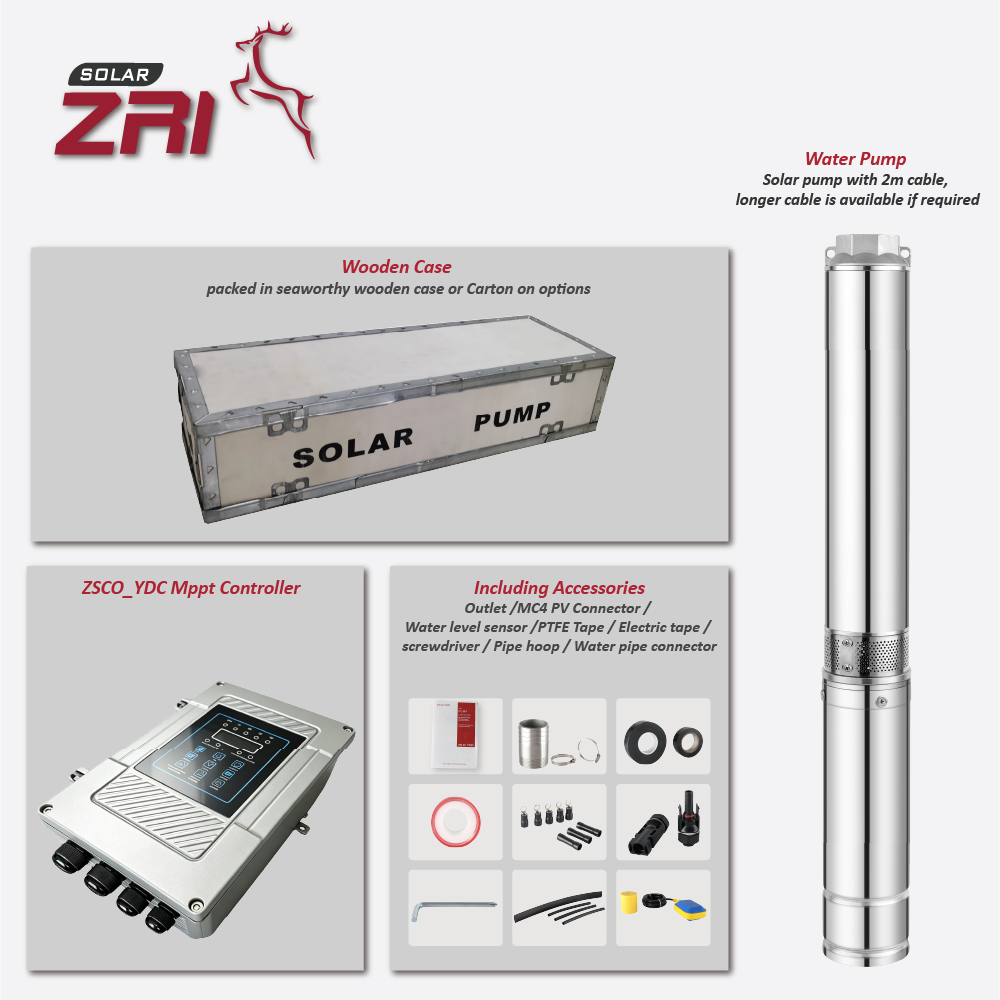
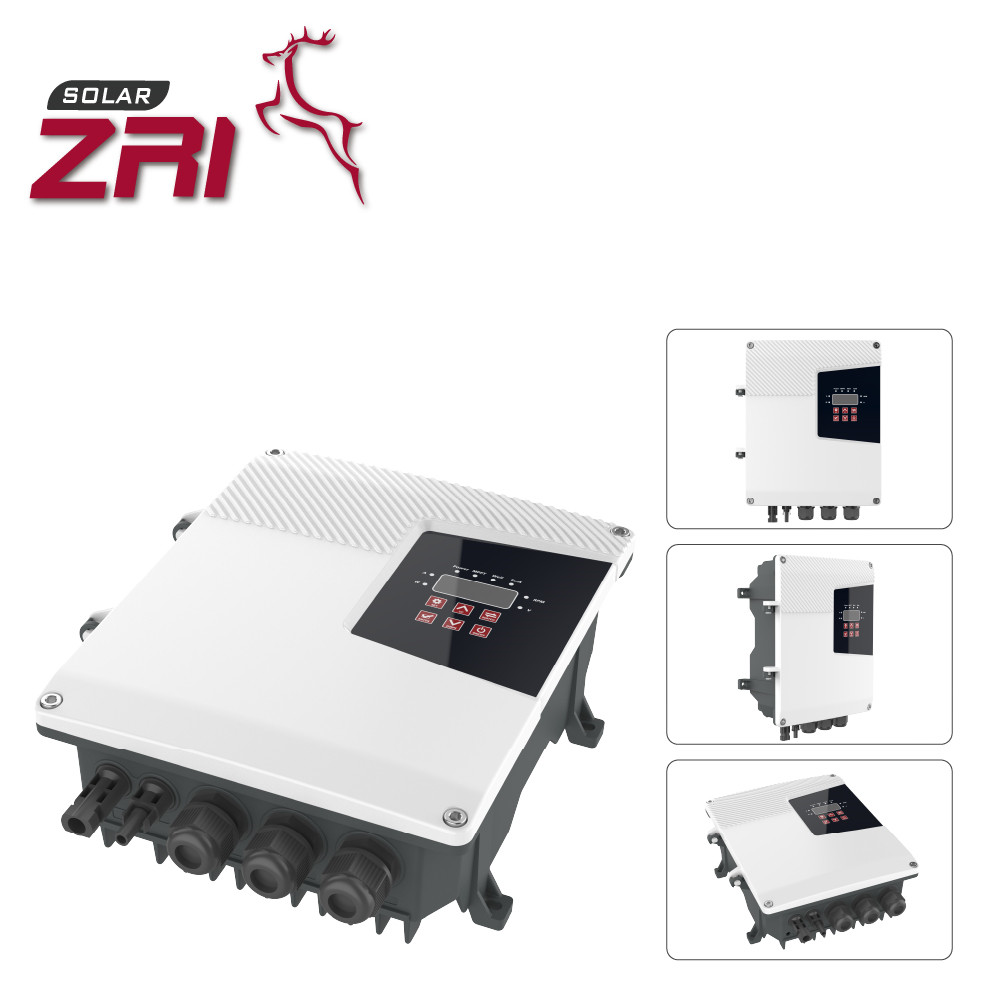
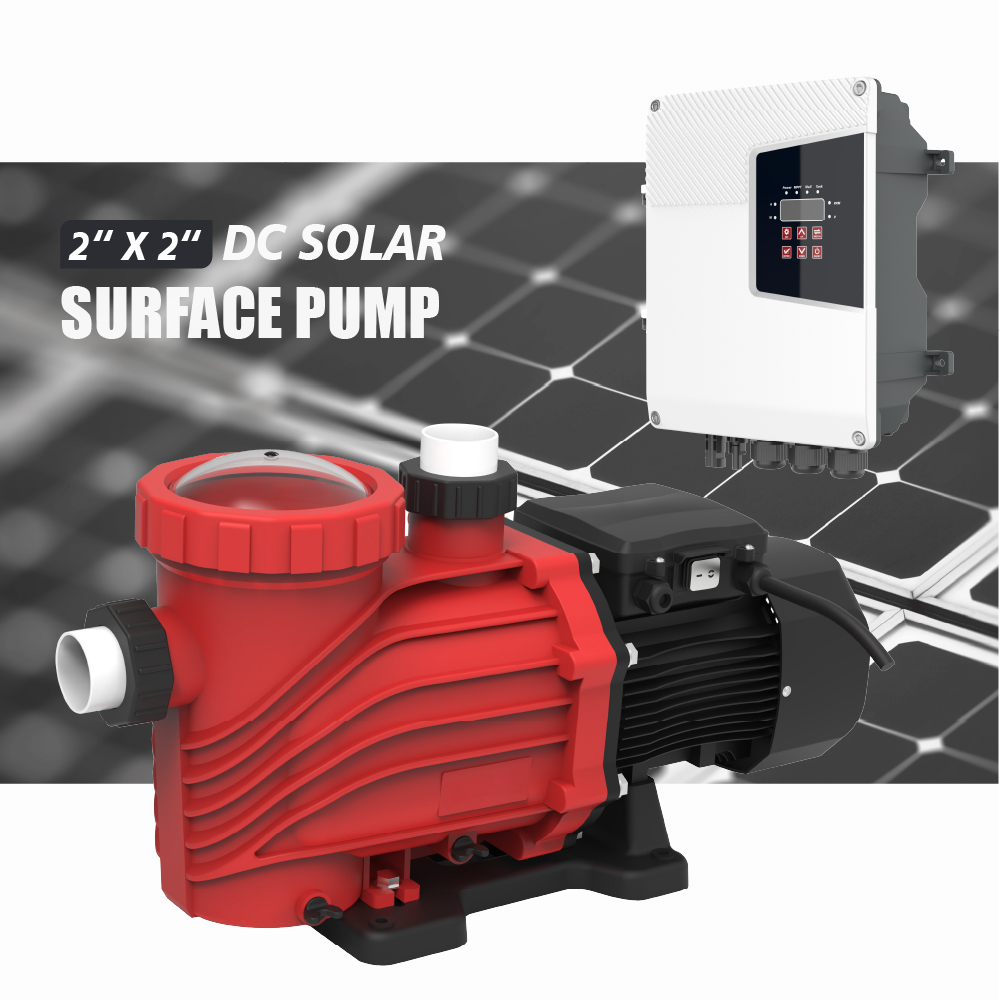
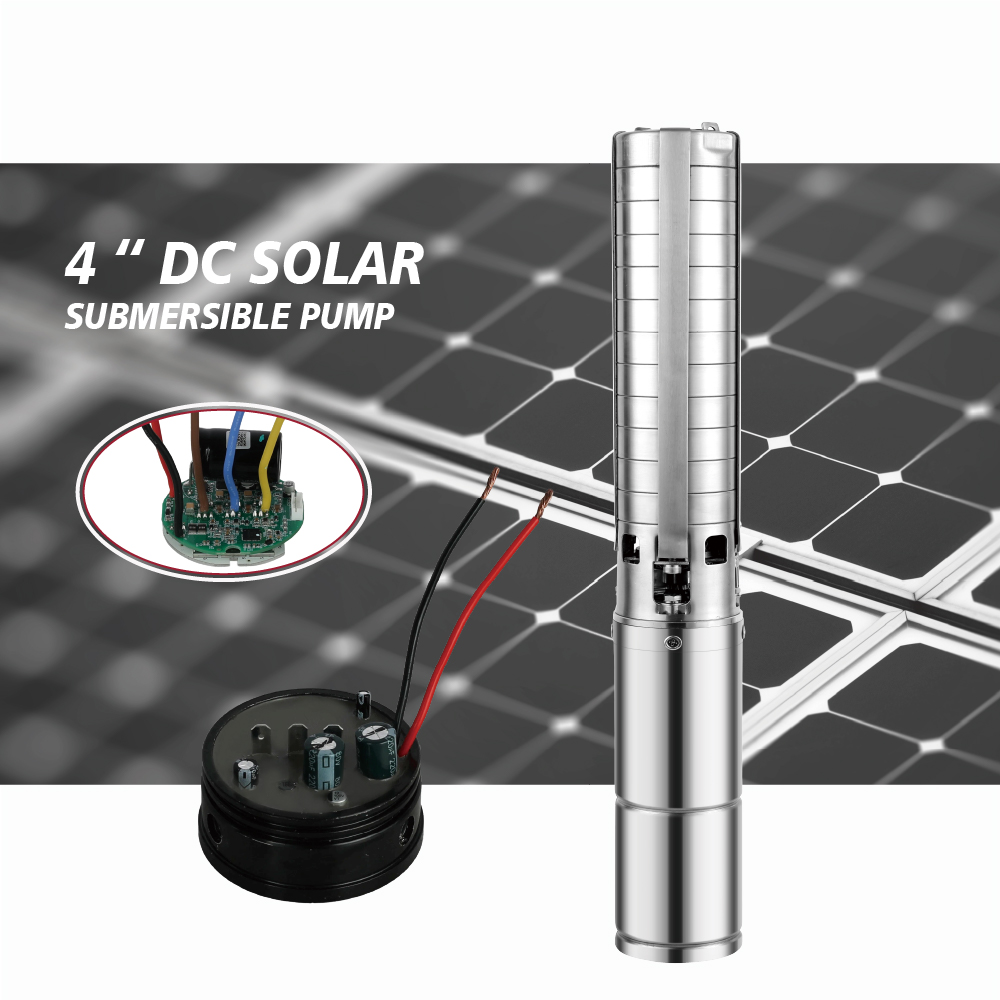
Special-Duty Pumps: Specifying High-Temperature, Battery-Backup, Automatic and Openwell Units for the Jobs a Standard Solar Kit Cannot Cover
The Enquiry That Did Not Fit the Standard Quotation
An irrigation dealer in East Africa received a request from a lodge: water from a borehole that came out at nearly sixty degrees, a need for water at night when the array produced nothing, and a tank that overflowed every time nobody was watching. The dealer sent the standard solar pump quotation twice and lost the job twice. A standard solar kit is engineered around one assumption set, and the moment water temperature, power availability or level control move outside it, the kit stops being the right answer.
This happens more often than the solar pump industry admits. Most enquiries that stall do not stall on price, they stall because the application has one variable the standard configuration was never designed for, and nobody on the selling side named that variable early enough. Here are the four special duties worth specifying deliberately, and the questions that identify each one.
Start by Naming the Variable
Before choosing a pump, write down the four things a standard solar kit assumes: water below roughly forty degrees, sunlight during the pumping window, an operator or a controller managing the level, and a borehole rather than an open well. Any one of those four being false moves the job into a special-duty category, and the earlier the dealer says so, the cheaper the fix.
The commercial argument for handling this well is straightforward. A dealer who can quote a special duty correctly wins jobs that competitors decline, and the margin on those jobs is higher precisely because fewer suppliers can quote them.
High-Temperature Water: Hot Springs, Geothermal and Industrial Return
Warm or hot water changes three things in a submersible pump: the motor cooling, the cable and seal materials, and the suction conditions. A motor designed for ambient groundwater can overheat in water that is already hot, because the surrounding water is the cooling medium. Seals and cable jacketing that are fine at twenty degrees harden and crack at eighty.
The specification check is simple and should be asked on every enquiry. If the water temperature exceeds roughly forty degrees Celsius, do not ship a standard unit and hope for the best, because the failure will happen below ground where the recovery cost exceeds the value of the pump several times over.
A dedicated high temperature submersible pump is the correct response for geothermal, hot spring and warm industrial water duties, and the enquiry should state the maximum continuous water temperature rather than an average.
No Sun in the Window: Battery and Backup Duty
The second common variable is timing. Irrigation at night, water for livestock before dawn, or a site with a long cloudy season all break the assumption that pumping happens when the sun shines. There are two honest answers, and they are different products.
The first is to store water instead of energy: pump into a tank during the day and gravity feed at night. The second is to store energy: run the pump from a battery bank. For most irrigation duty, storing water is dramatically cheaper than storing energy, and the dealer who recommends the tank first will keep the customer longer than the one who sells the biggest battery. Where the site genuinely needs pumping outside the solar window, a battery fed unit is the right product.
A battery powered submersible pump suits sites where the pumping window and the solar window genuinely do not overlap, and it should be quoted with the bank size stated rather than as a bare pump.
Nobody Is Watching: Automatic Level Control
Overflow and dry run are the two failure modes that destroy pumps on unattended sites, and both are control problems rather than pump problems. A float switch, a level electrode or a controller based cut-off costs a small fraction of the pump and prevents both.
Ask the customer one question: who turns it off? If the honest answer is nobody, the pump will eventually run dry or the tank will eventually overflow, and the warranty claim that follows will not be accepted by any manufacturer who sees the installation.
An automatic submersible water pump with built in level control is the right default for tanks, sumps and any site without a full time operator, and it removes the single most common cause of an avoidable failure.
Open Wells and Large Diameter Shafts
The fourth variable is the source itself. A narrow borehole and a wide open well or dug shaft are different hydraulic and mechanical environments. A borehole pump relies on the flow past the motor for cooling; in a wide shaft with low flow, that cooling disappears. Mounting, intake positioning and sand handling also change completely.
This is the most frequently mis-specified category in the field, because open wells are common in older irrigation districts and the standard borehole unit is what sits on the shelf. For open wells, irrigation channels and large diameter shafts, an openwell submersible pump in the fractional horsepower range is engineered for the mounting and the flow conditions the site actually has.
Where the duty is simply heavier than a light duty unit can sustain, capacity and build class matter more than the energy source. A heavy duty submersible water pump should be specified where sand, depth or continuous running hours exceed what a light duty unit is rated for, and it should be quoted with the expected duty hours per day stated.
What to Put in the Enquiry Form
Change the enquiry form before changing the product range. Add four mandatory fields: maximum water temperature, required pumping window, whether the site is attended, and the source type with its diameter. Dealers who collect these four fields can quote correctly on the first pass, and they stop discovering the problem during commissioning when the cost of fixing it is a truck roll and a replacement pump.
The Bottom Line
Standard solar kits cover the majority of irrigation enquiries, and the special duties are where the margin and the reputation are made. Name the variable early, specify by temperature, power window, attendance and source type, and document the duty hours. Dealers who treat special duty as a category rather than an exception win the jobs that the catalogue suppliers cannot quote at all.