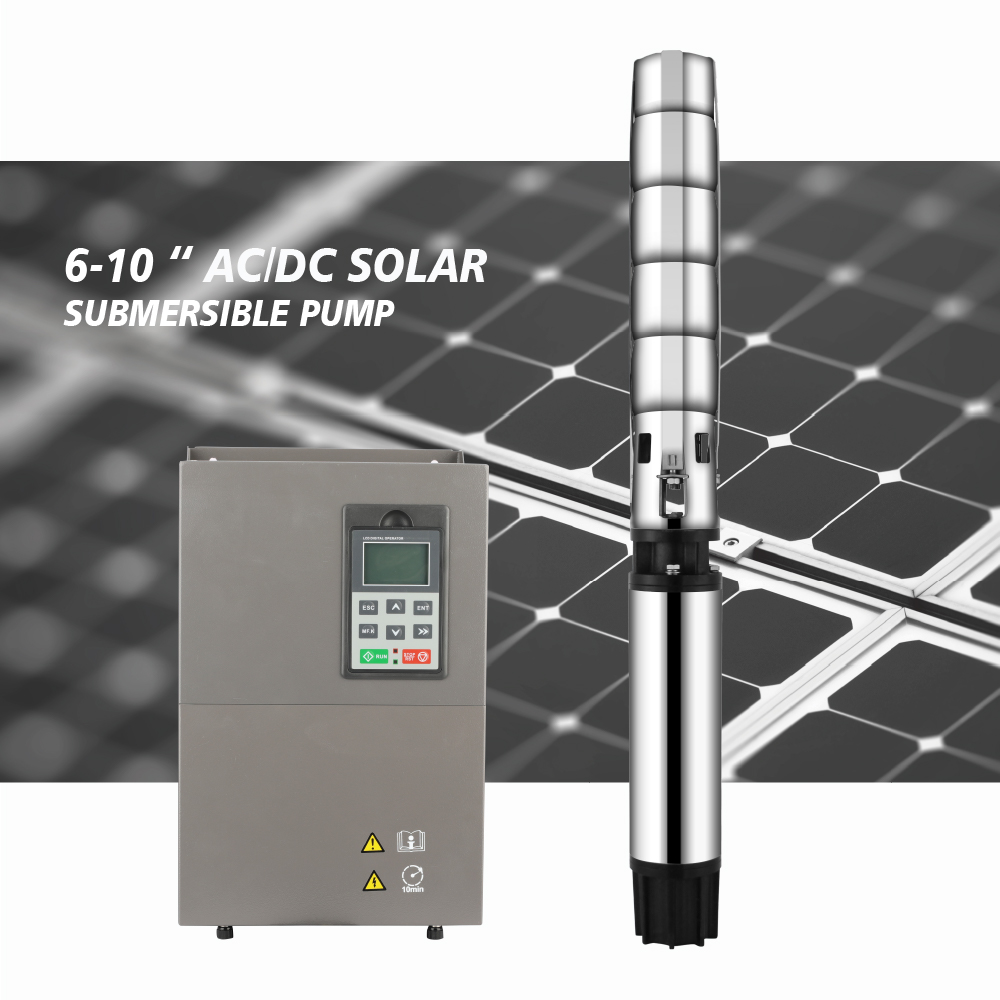
DC SOLAR SUBMERSIBLE PUMP
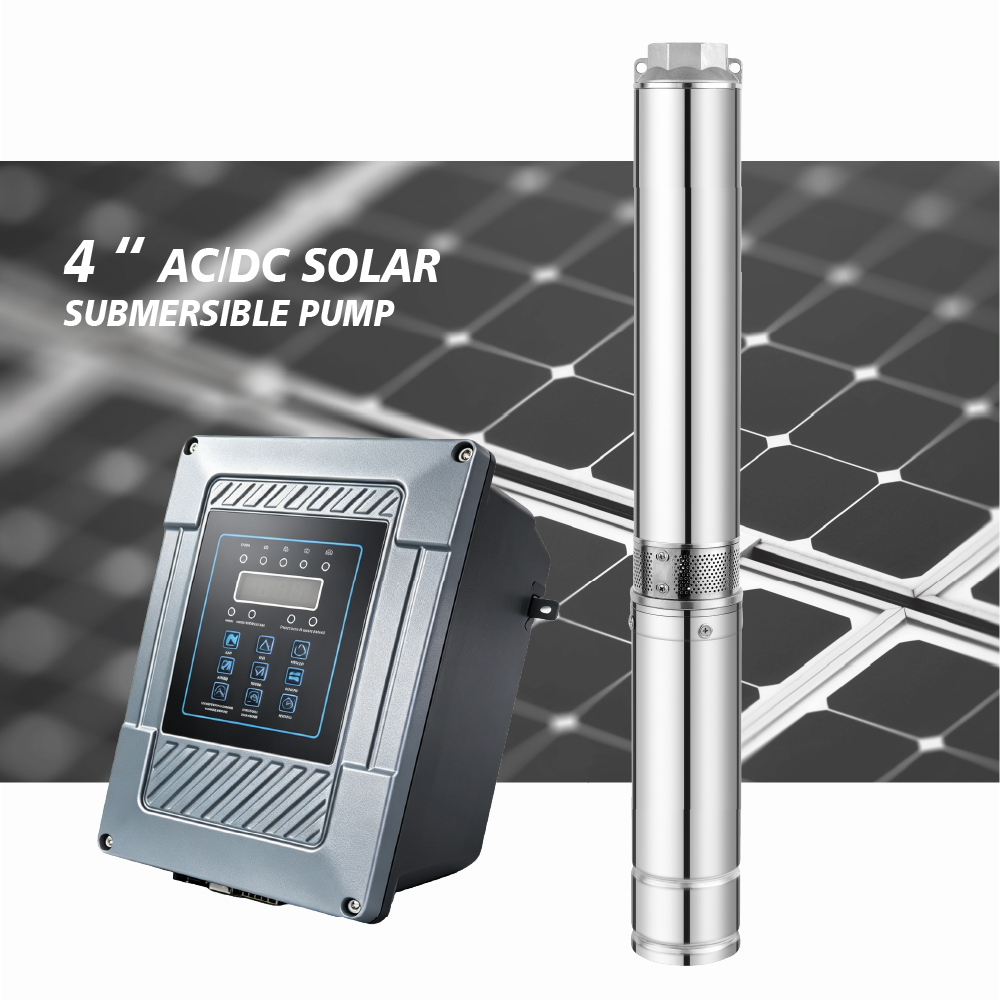
 AC/DC Solar submersible Pump
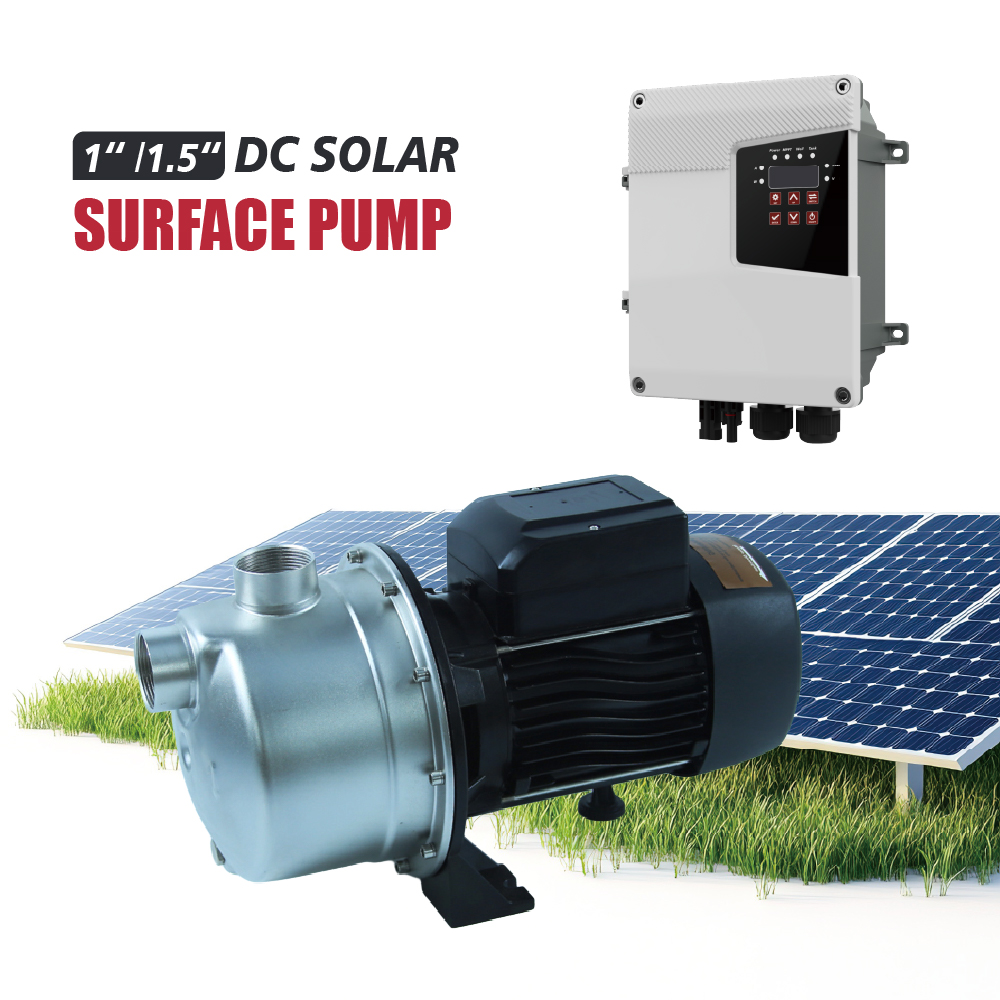
 DC Solar Surface Pump
 AC/DC solar surface Pump
 Solar swimming Pool Pump
 Built-in Controller Solar Pump
 Solar Pump inverter
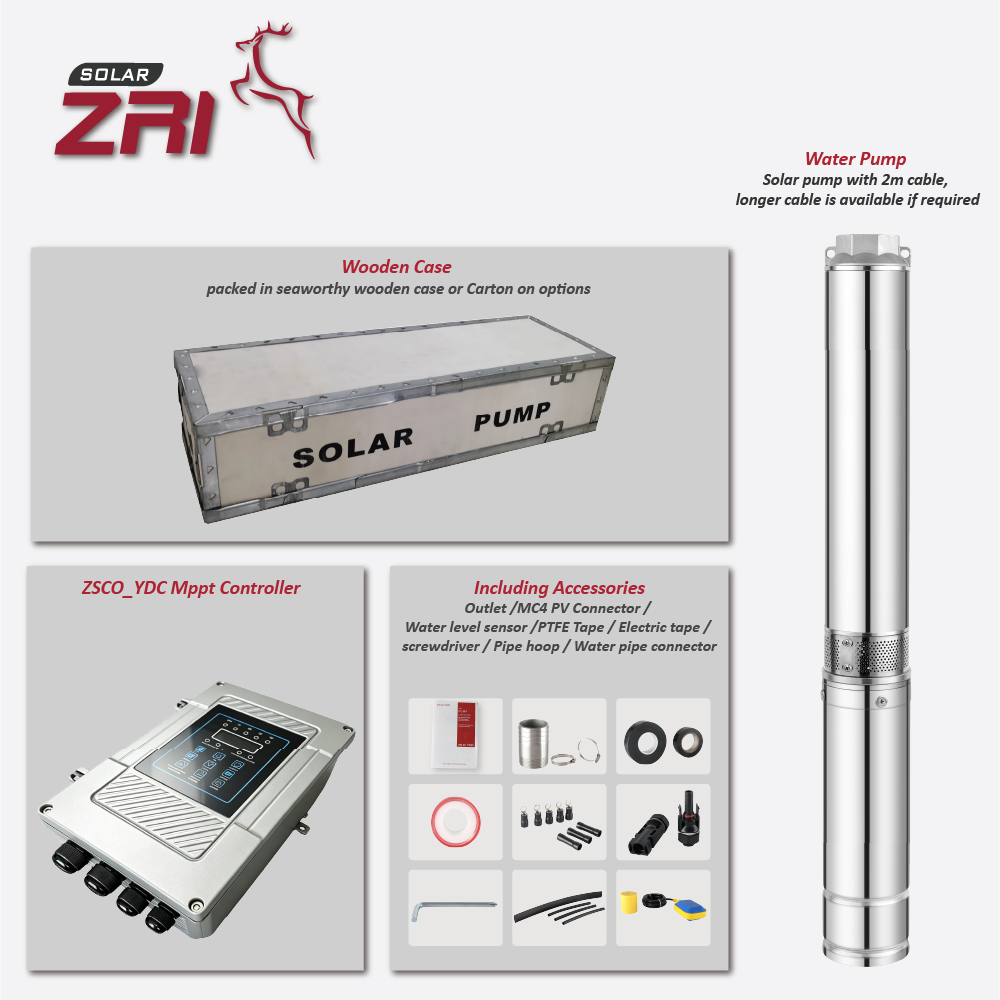
 Pump Accessories


 Mr Youkee Kong

Specifying Low-Voltage Solar Water Features for Schools and Hotels
A facilities manager at a 120-room hotel in southern Spain recently canceled a planned lobby courtyard fountain because the local inspector would not sign off on a 230 V circuit within 1.5 m of standing water. Specifying low voltage solar water features for schools and hotels has become the practical workaround that keeps moving water in public spaces without pulling a new mains circuit through a plaza. When the entire feature runs on 12 V or 24 V SELV, the installation usually falls outside national low-voltage wiring regulations, which removes the largest permit blocker on courtyard and rooftop projects. The savings appear as fewer inspection visits, no licensed electrician on the punch list, and a faster handover to operations.
Why 12 V and 24 V SELV removes the electrical permitting burden
Safety Extra Low Voltage is defined by a nominal source below 50 V AC or 120 V DC, and the 12 V and 24 V bands sit comfortably inside that envelope. Because the open-circuit voltage of a small PV panel stays under the SELV limit, the feature is treated as a Class III appliance in most jurisdictions. Specify 24 V rather than 12 V for any run longer than 5 m, because the higher voltage loses less energy to cable resistance and keeps the pump at full speed. A 230 V feature near a children's school courtyard creates a shock-risk exposure that insurers routinely refuse to cover without a residual-current device and a quarterly test record. With a battery-backed 12 V loop, that entire compliance layer disappears. Local codes vary, but the common threshold that triggers a licensed-electrician sign-off is any conductor above 50 V, which the 24 V system never reaches.
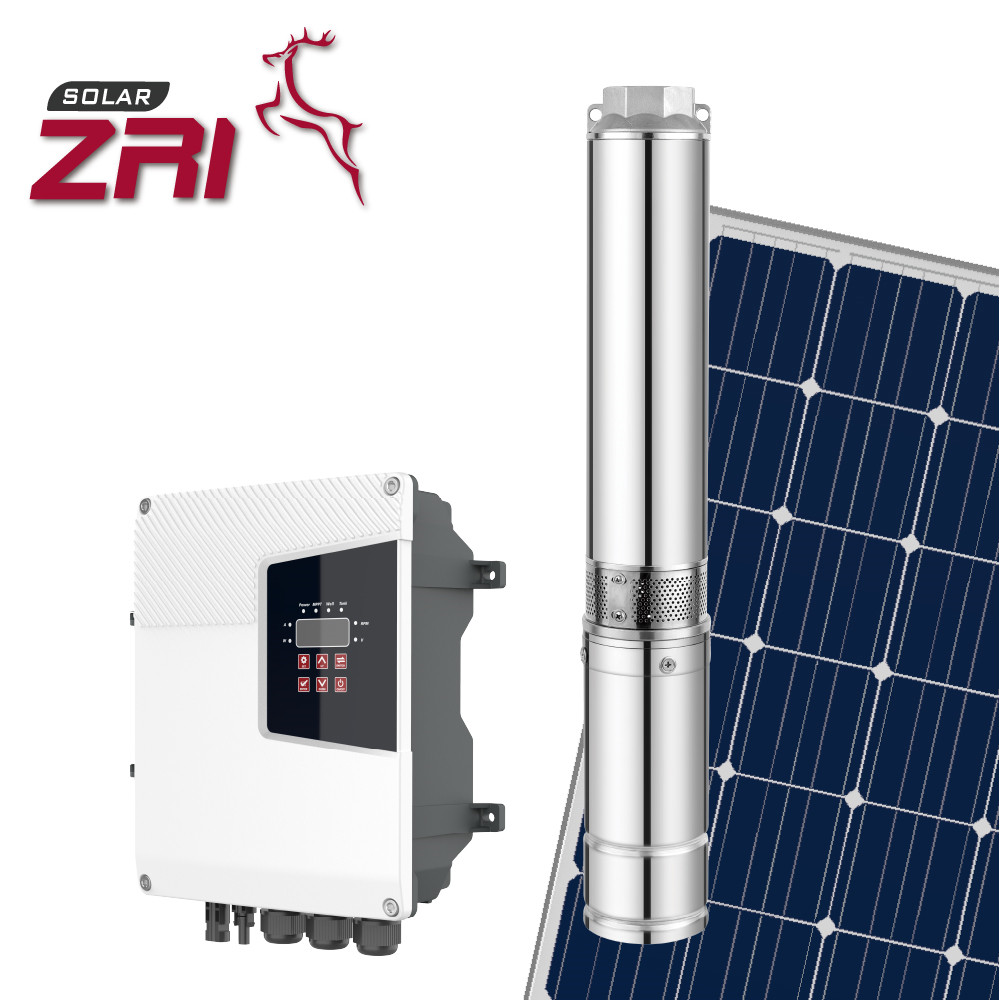
One product line worth noting for these sites is the low voltage submersible pump built for safe 12 V public installations. The low voltage submersible pump for safe 12 V public installations uses a sealed wet-end and a 24 V DC motor that never approaches the SELV ceiling during normal operation. Its compact body drops into existing basins without rewiring the surrounding plaza.
How much spray height do you actually get from a given lift?
The single most common specification error is confusing spray height with static lift, and the two numbers can differ by a factor of three. Lift is the vertical distance from the water surface to the pump inlet, while spray height is how far the jet rises above the nozzle. A unit rated at 1.5 m maximum lift may only throw a decorative jet 0.4-0.6 m into the air, because most of the energy overcomes friction in the riser tube. For a school entrance feature, plan the nozzle 0.3-0.8 m above the basin and pick a pump whose rated lift clears that by at least 0.5 m of margin. Choose a unit with a rated lift of 1.2-2.5 m when you want a visible 0.5-1.5 m plume, because the gap between lift and spray always eats the first half of the curve.
The shallow-basin application is where a dedicated small unit earns its place. The solar bird bath fountain pump for shallow courtyard basins is tuned for 0.1-0.3 m water depths where a standard pond pump would cavitate and overheat. Its low-profile float keeps the intake off the basin floor so leaf debris does not choke the impeller.
Matching panel wattage to daily running hours
A decorative feature does not need to run at noon peak output to look alive, and matching panel wattage to running hours is what keeps the bill at zero. Most courtyard fountains run 6-10 hours a day, and a 5-20 W panel covers that load for a 200-1200 L/h pump in full sun. Specify a panel rated at roughly 1.5 times the pump's running watts so the battery reaches full charge by mid-afternoon even on a partly cloudy day. Undersizing the panel to 5 W on a pump that draws 12 W forces a daily brownout that shortens the motor's brushes within one season.
For compact recirculating features, the right pump is often the smallest one that meets the flow target. The small solar powered pond pump for compact recirculating features ships with a 10 W panel and a flow range of 200-800 L/h that suits basins under 2 m square. Its clip-in connectors let a contractor swap the panel without opening the wet end.
What battery autonomy do you need for evening operation?
Evening operation is where battery-backed units pull ahead of pure solar, because a plaza fountain that dies at sunset looks broken rather than efficient. A 6-12 Ah lithium pack gives 3-5 hours of post-sunset run on a 5-15 W load, which covers most hotel courtyard hours from dusk to closing. Size the battery for the longest winter evening you actually use, not the midsummer one, because shorter days and lower sun angle both cut recharge. A pack that drops below 20% state of charge every night will lose half its cycle life within 18 months and start tripping the low-voltage cutoff mid-event.
The dedicated battery model is the cleanest fit for sites that want light after dark. The battery powered fountain pump for evening courtyard operation carries an integrated 12 V pack rated for 4-6 hours of autonomy on a 300 L/h flow. Its charge controller blends panel input and battery output so the jet never stutters during the handoff at dusk.
Filtration, clogging, freeze and vandal protection
Recirculating features concentrate whatever the wind drops in, so a 0.5-1 mm pre-filter on the intake is non-negotiable for any public site. An unfiltered school basin will clog a 200 L/h impeller with a single handful of gravel or a windblown leaf mass within 48 hours. Specify a foamed intake sponge that a caretaker can rinse under a tap in under two minutes, because complex filter housings never get serviced on a busy campus. Leaving water in a ceramic basin through a night below -2 C cracks the shell and lifts the pump off its seat, so every feature needs a documented drain-and-store step. Fit a frost thermostat that cuts the pump and opens a drain valve below 2 C, which protects both the basin and the motor through an unstaffed weekend. Vandal-prone plazas benefit from a lockable grille over the intake and a recessed panel mount that removes the temptation to unplug the feature.
Open water surfaces need a different form factor than basin units. The floating solar water fountain for open hotel lagoon surfaces rides on the waterline and draws through a skirted intake that sheds surface film and loose debris. Its anchored tether stops guests from lifting the unit out, which is the usual failure mode on an unsupervised terrace.
What should the facilities handover pack include?
A water feature that arrives with no documentation becomes a liability the first time a caretaker guesses at the voltage. Require the supplier to deliver a one-page schematic showing the 12 V or 24 V loop, the panel polarity, and the battery amp-hour rating before the installer leaves site. Handing over a feature with no stated service interval guarantees the filter goes uncleaned until the motor fails and the plaza goes silent. The pack should list the exact spare impeller part number, the recommended clean-out frequency in running days, and a contact for replacement panels. A printed QR label on the basin that links to the maintenance video turns a confused contractor into a competent one inside ten minutes. Close the project with a signed commissioning note that records the measured spray height, the panel wattage, and the battery autonomy in hours, so the next facilities manager inherits facts rather than folklore. The result is a feature that survives its first off-season and keeps running through the second, which is the only spec that actually protects the budget.
What goes on the commissioning checklist before you sign?
Sign only against measured numbers, because a commissioning sheet with blanks becomes an argument six months later.
- Record the measured spray height in cm at the nozzle the architect actually specified, not the height quoted on the box.
- Log the open-circuit panel voltage at midday and the running current in A, then keep both in the maintenance file.
- Note the battery autonomy in hours from a full charge with the feature running continuously.
- Photograph the cable route, the joint positions and the earth bonding point before the basin is filled.
- Write the clean-out interval in running days and name the person who owns it on the facilities rota.