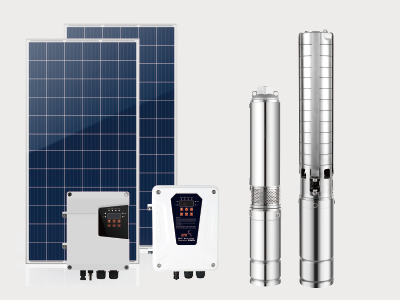
 DC SOLAR SUBMERSIBLE PUMP
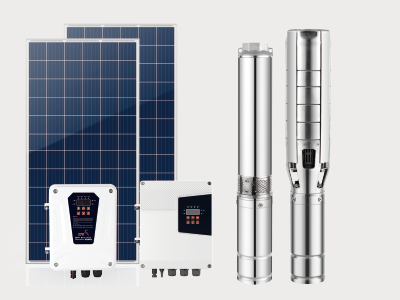 AC/DC Solar submersible Pump
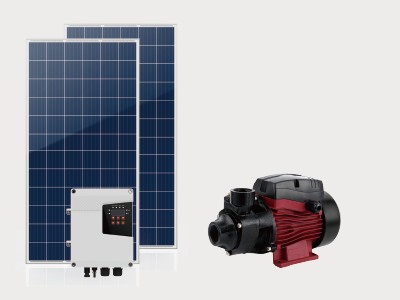 DC Solar Surface Pump
 AC/DC solar surface Pump
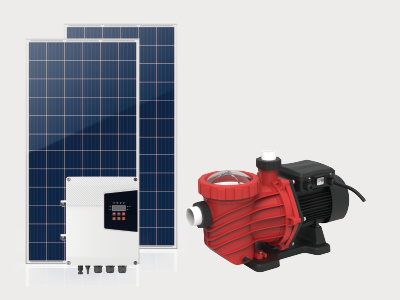 Solar swimming Pool Pump
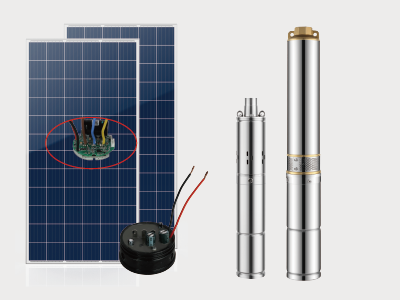 Built-in Controller Solar Pump
 Solar Pump inverter
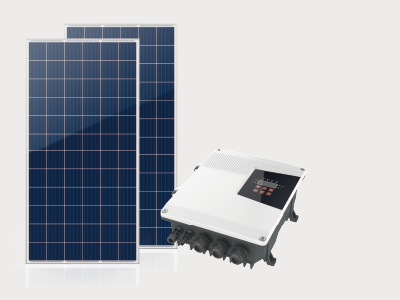 Pump Accessories


 Mr Youkee Kong





The Application and Advantages of Variable Frequency Technology in AC Hybrid Solar Water Pumps
In sunny areas, solar water pumps are quietly changing the logic of people's water intake, irrigation and even water supply. Especially the AC hybrid solar water pump, it is like a bridge that connects the clean energy of photovoltaic power with the stable supply of AC power, ensuring the reliable operation of the system even in a variable environment. In this integrated system, frequency conversion technology is not merely a supporting role; it acts more like a regulator, adding a touch of refinement and efficiency to the operation of the entire equipment.
I have been in contact with such systems for many years and have found that the natural conditions in many places are not gentle - for instance, on the edge of the deserts in North Africa, the light is still weak in the early morning, but it is scorching in the afternoon. Or perhaps beside the farmlands in southern India, the power grid fluctuates from time to time and then stops working. When traditional constant-speed water pumps encounter such changes in light intensity and load, they often have to rely on rough start-stop operations to cope, which not only consumes energy but also easily wears out the machinery. The introduction of frequency conversion technology enables the motor speed to be smoothly adjusted according to actual needs, no longer forcing it to run at full speed or stop. This is particularly significant in scenarios where solar energy and alternating current are switched.
The working logic of the AC hybrid solar water pump is to first make full use of the electricity generated by the photovoltaic panels to directly drive the pump. When the light is insufficient or the demand exceeds the photovoltaic supply, it automatically switches to the AC power supply to make up for the difference. If the constant-speed mode is adopted, a sudden water pressure jump is likely to occur at the moment of switching, and the pipeline network or irrigation equipment will be subjected to unnecessary impact. Variable frequency control can soften this process, allowing the rotational speed to gradually increase or decrease, as if adding a buffer pad to the water flow, reducing mechanical stress and energy waste. For equipment that operates for a long time, this smooth connection not only saves electricity but also extends the lifespan of key components.
Another often overlooked point is the adaptability to complex environments. In some high-altitude areas, such as villages in the Andes Mountains, the thin air can affect the heat dissipation and power output of the motor. A fixed operating frequency may cause the pump to enter overheat protection prematurely. Variable frequency technology can reduce or increase the rotational speed according to real-time working conditions, keeping the motor always operating in a more efficient range. This not only maintains a stable water supply but also avoids ineffective power consumption. For areas with large temperature differences between day and night, this flexible adjustment can also help the system reduce start-up resistance in the cold morning and prevent overload in the hot afternoon.
From the perspective of energy utilization, frequency conversion makes every bit of photovoltaic power fed in more valuable. The intensity of light fluctuates throughout the day. If the water pump can only consume electricity at a single speed, the electricity used in weak light may not be sufficient to drive it and may even be wasted. When exposed to strong light, it may take in excessive water, causing overflow or excessive pressure. The frequency conversion scheme can precisely match the required flow rate and head, enabling photovoltaic electricity to be directly converted into effective water for transmission as much as possible and reducing the supplementary power required from the power grid. This not only reduces the overall operating costs but also, in an intangible way, cuts down on carbon emissions, which is in line with the policy directions of many regions promoting green irrigation and sustainable water supply.
In terms of site selection and application, this type of AC hybrid solar water pump with frequency conversion control is particularly suitable for areas with abundant sunlight resources but also where the stability of the power grid needs to be taken into account. For instance, in orchards along the Mediterranean coast, most of the irrigation needs can be met by the sun during the day, while in the evening or on cloudy days, the power grid takes over seamlessly. Some communities in West Africa that are off-grid but occasionally connected to microgrids can also strike a balance between energy conservation and water supply security with the help of such systems. The delicate control of frequency conversion enables the water pump to maintain a quiet and stable output under variable conditions, which will translate into higher acceptance and trust in practical use.
I think that frequency conversion technology for AC hybrid solar water pumps is like equipping the system with nerves that can sense environmental changes. It enables the flow and coordination of light energy, electricity and water to be more harmonious, and also allows us to design water supply plans without having to make a hard choice between stability and efficiency. For those who focus on long-term operational value, the integration of such technologies is not only an improvement in performance, but also makes the utilization of clean energy more mature and warmer.